

Tech
The 55 Best Shows on Disney+ Right Now

Disney+, if you didn’t know, isn’t just for kids. With its ownership of the Lucasfilm brand and the Marvel titles, the streaming service offers plenty of grown-up content in its bid to compete with Netflix and Amazon—and we’re not just talking movies. Since launching the service, Disney has used the name recognition of Star Wars and Marvel to launch scores of TV shows, from The Mandalorian to Loki. In the list below, we’ve collected the ones we think are the best to watch, from those franchises and beyond.
Also: Because Disney+ merged its content with Hulu in 2024, most of the same shows you might like on Hulu (see our list of picks here) are also available to stream on Disney+.
Want more? Head to our best movies on Disney+ list if you’re looking for movies, and our guides on the best shows on Netflix and best shows on Apple TV+ to see what Disney’s rivals have to offer. Don’t like our picks, or want to suggest your own? Head to the comments below and share your thoughts.
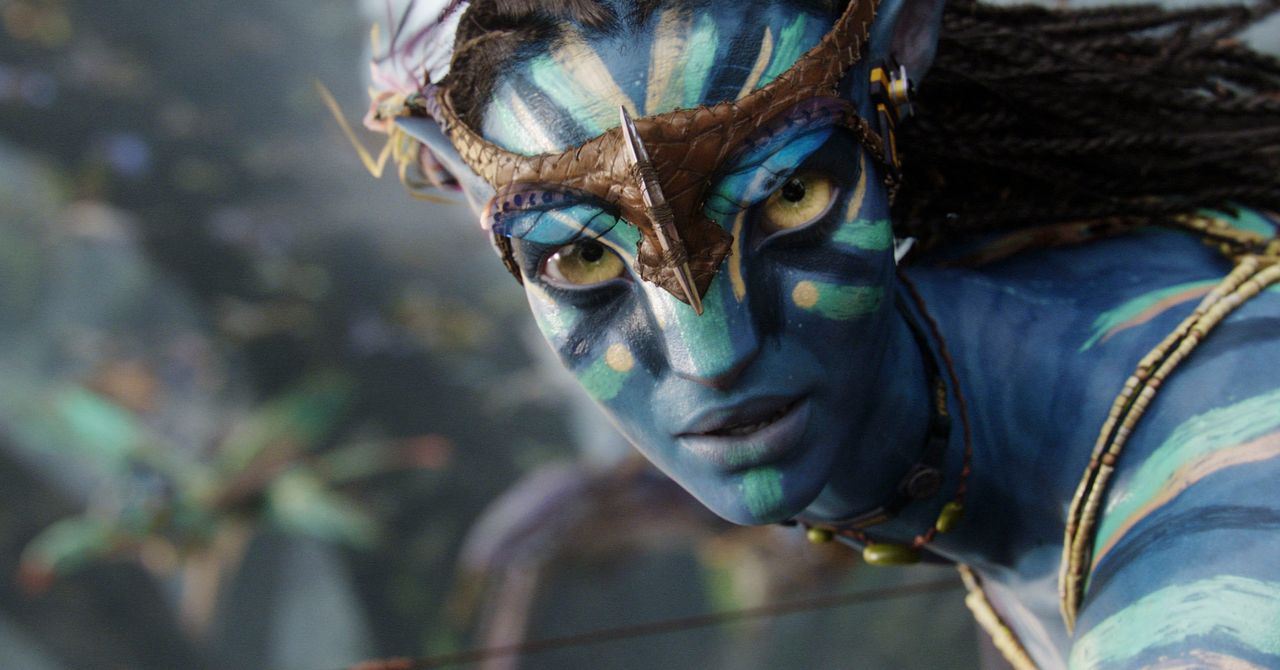
Fire And Water: Making The Avatar Films
For nearly 30 years, James Cameron has dominated the top of the Highest-Grossing Movies of All-Time charts—first with Titanic (1997), which still holds the No. 4 position, then with Avatar (2009) and Avatar: The Way of Water (2022), which hold the No. 1 and No. 3 spots, respectively. Will this December’s Avatar: Fire and Ash, the third film in the franchise, be yet another box office behemoth? While we wait to learn the answer, Disney+ is taking a deep dive (no pun intended) into the movie series in this two-part docuseries. While the technology behind the films has always been a huge part of their story, from the 3D camera system Cameron and his team developed to the strides made in the art of performance capture, the actors themselves are a major focus of this behind-the-scenes series. Cameron gathers up his key contributors, including stars Zoe Saldaña, Sam Worthington, Sigourney Weaver, and Kate Winslet (who joined in the second film) to discuss how—even with all that groundbreaking technology—it’s the actors themselves who make Pandora real. Think of it as an amuse-bouche ahead of Fire and Ash, which arrives in theaters on December 19.
Marvel Zombies
If Marvel Zombies gives you big The Walking Dead vibes, there’s a good reason for that: It’s based on a comic book series that was cocreated by Robert Kirkman, who cocreated The Walking Dead comics. Basically, it imagines a totally new MCU timeline in which a virus has turned most of the world’s population—including the Avengers—into zombies. Meanwhile, a determined group of survivors are doing their best to find a cure—and not get bitten. Some of Marvel’s biggest stars have come along for the ride to give voice to their characters, including Florence Pugh’s Yelena Belova, David Harbour’s Red Guardian, Elizabeth Olsen’s Wanda Maximoff, Paul Rudd’s Ant-Man, Tessa Thompson’s Valkyrie, and Hailee Steinfeld’s Kate Bishop.
Limitless
Longevity is having a moment, and even onscreen gods like Chris Hemsworth are feeling the pressure to do whatever they can to live the longest, healthiest life possible. In this National Geographic series, which—oddly enough—was cocreated by Darren Aronofsky, the Thor star works with a range of scientists, doctors, and adventurers to push his body to the limit in order to discover its full potential. That he faces it all with his trademark sense of humor, and against the backdrop of some truly breathtaking locations around the world, makes it all the more entertaining and inspiring.
Hurricane Katrina: Race Against Time
“In order to prevent something, you’ve got to understand why it happened in the first place.” That’s the lesson one New Orleans resident learned from surviving Hurricane Katrina, which devastated the city 20 years ago. In this fascinating Nat Geo documentary, people who survived the storm—plus scientists and authorities who worked to save the lives of those who were at the center of it—recount the destruction the storm brought with it. It laments the lack of government response to an American city in need while paying tribute to the heroic actions of everyday people who came together to save New Orleans and the resilience of the people who still call the city home today.
Eyes of Wakanda
Disney is betting big on the Black Panther universe. Just one month after the premiere of the live-action series Ironheart (see below) came this new animated anthology series that delves even further into the Wakanda mythology. Two-time Oscar nominee Ryan Coogler—the man behind both Black Panther movies—developed this four-episode prequel in which the Hatut Zaraze, aka Wakanda’s “War Dogs,” embark on adventure-filled missions to retrieve long-lost Vibranium artifacts.
Ironheart
Ryan Coogler is responsible for what is arguably the best movie in the MCU (2018’s Black Panther), and now he’s executive producing one of its most interesting small-screen endeavors. Playwright Chinaka Hodge created this series, which picks up right after the events featured in 2022’s Black Panther: Wakanda Forever. It stars Dominique Thorne, who reprises her role as Riri Williams, aka Ironheart, a brilliant MIT student who has successfully managed to create a Tony Stark–like suit of armor. It gives her the kind of invincibility that changes her outlook on the world—and leads her down a pothole-filled path that could see her heroic character go the way of the antihero in a way that critics have described as being similar to The Sopranos’ Tony Soprano and Breaking Bad’s Walter White.
Doctor Who
Spring 2024 marked the beginning of a new era for Doctor Who fans when Ncuti Gatwa was officially handed the sonic screwdriver to take the legendary sci-fi series in new directions as the Fifteenth Doctor. He did it all over again with a second season, which aired a game-changing finale in May that has viewers wondering where the Doctor will be headed next. Russell T. Davies is also back to oversee all the time-traveling shenanigans as the latest incarnation of the Time Lord journeys through space and time with companion Ruby Sunday (Millie Gibson), and new addition Belinda Chandra (Varada Sethu). The BBC’s partnership with Disney+ ended in October, so the upcoming Christmas special—and future seasons—will be streamed elsewhere.
Star Wars: Tales of the Underworld
There are two types of people in this world: those who think there are more Star Wars movies and TV shows that one person needs and those who are counting down the days until The Mandalorian & Grogu arrives in theaters next year. If you’re part of that latter group, you’re in good company—and have plenty of series to choose from, including this six-part anthology that follows 2022’s Tales of the Jedi and last year’s Tales of the Empire (see below). In true Star Wars style, it tells the story of two villains, former assassin/bounty hunter Asajj Ventress and outlaw Cad Bane, who form an unlikely alliance in an attempt to build new lives for themselves, until Bane catches up with an old colleague, who has switched sides to become a law-abiding marshal. Dark versus light battle it out once more.
Andor
Andor—which scored five well-deserved Emmys, including one for Outstanding Writing for a Drama Series—is something of a miracle. Created by Tony Gilroy, the two-time Oscar nominee behind Michael Clayton and a writer on the Bourne movies, it’s the origin story of one of Rogue One‘s most beloved characters, Cassian Andor (Diego Luna). Set in the early years of the Rebellion, it charts Andor’s path to becoming one of the most integral of the Rebels. With a supporting cast that includes Fiona Shaw and Stellan Skarsgård, it features a fantastic score from Nicholas Britell (Moonlight, Succession). After spending so much time with Mandalorians and Jedis, it’s a welcome reprieve and perhaps the closest thing to prestige TV the Star Wars universe has released.
Daredevil: Born Again
Daredevil fans were devastated when the original Netflix series was canceled in 2018, but Charlie Cox never strayed far from his title role for too long. He popped up as Matt Murdock/Daredevil in MCU movies (Spider-Man: No Way Home) and TV shows (She-Hulk: Attorney at Law, Echo, Your Friendly Neighborhood Spider-Man), all the while biding his time until his eponymous series came back. Seven years and one massive overhaul later, fans seem to think it was worth the wait. Born Again sees Cox facing off against crime lord turned mayoral candidate Wilson Fisk (Vincent D’Onofrio) once more. There’s also a darkness to the series that seems to borrow a page from Christopher Nolan’s Dark Knight playbook, though it’s not as elegant in its execution. Still, it’s a solid crime drama that sets itself apart from many other MCU series thanks to its more mature tone. Whether you were into the Netflix series or not, it might be time to dig in. A second season is arriving in March 2026 and Disney has already greenlit a third.
Win or Lose
Will Forte, Rhea Seehorn, Ian Chen, Melissa Villaseñor, and Izaac Wang are among the dozens of actors and comedians who lend their voices to Pixar’s very first original animated series. Over the course of eight episodes, this charming series plays out the same events that occur in the week leading up to a middle school softball team’s championship game from the perspective of various characters, including a wise bead of sweat known as Sweaty (and voiced by comedian Jo Firestone). If the title sounds familiar to you, it might be because the series created some controversy back in December when it was revealed that a transgender character’s storyline had been cut from the series. Disney’s reasoning? “When it comes to animated content for a younger audience, we recognize that many parents would prefer to discuss certain subjects with their children on their own terms and timeline.”
Your Friendly Neighborhood Spider-Man
Four years after it was first announced, Your Friendly Neighborhood Spider-Man arrived early this year. The animated series dares to imagine what kind of chaos might have ensued if Peter Parker (Hudson Thames) had been mentored by baddie Norman Osborn/Green Goblin (Colman Domingo) instead of Tony Stark/Iron Man. Oh, the horror (and fun)! A second season has already been confirmed, though likely won’t premiere until late 2026.
Goosebumps: The Vanishing
For more than 30 years, R. L. Stine’s Goosebumps books have fed the nightmares of young readers—much to their delight (well, usually). Now Disney is inspiring a whole new generation of horror lovers with this fun series, which follows the lives of a group of high schoolers who begin to unravel the terrifying truth about a decades-old murder—and the roles their nearest and dearest might have played in it—in their otherwise picture-perfect hometown. The always-affable Justin Long starred as a teacher who may or may not be possessed in season 1 of this anthology series. Its second, and final, season brought an extended title (Goosebumps: The Vanishing), a new cast (including Friends star David Schwimmer), and a whole new set of nightmares.
Star Wars: Skeleton Crew
Do you love Star Wars but wish it had more Warriors/The Wizard of Oz/The Brave Little Toaster energy? Lucasfilm has heard your cries and is here to oblige. For Skeleton Crew, they assembled a gang of four youths who get lost in the Star Wars universe and try to find their way home with the help of Jude Law, who plays an “enigmatic scoundrel” named Jod. OK, so Star Wars probably already has enough of those, but who cares? The real treasure is the friends you’ll make along the way.
Lego Star Wars: Rebuild the Galaxy
Sig Greebling (Stranger Things’ Gaten Matarazzo) discovers an ancient relic that alters the history of the universe—turning Jar Jar Binks into a lightsaber-wielding Sith and Luke Skywalker into Just Some Guy. With the help of a wise old Jedi, Sig must do what he can to piece things back together. Sure, the plotline has all the makings of a typical Star Wars story, but with Mark Hamill and Ahmed Best lending their voices to the minifig versions of the characters that made them famous, it also does so in a way that pokes just the right amount of fun at the canon.
Agatha All Along
After Kathryn Hahn became the (not-so-surprising) breakout star of 2021’s WandaVision miniseries (more on that below), MCU fans were thrilled—but, again, not surprised—when she nabbed her own series with Agatha All Along. The long-awaited spinoff takes place three years after the events of WandaVision, with witch Agatha (now stripped of all her magical powers) enlisting a teenager (Joe Locke) and a new coven to help her regain her status as HWIC. Aubrey Plaza, Patti LuPone, Sasheer Zamata, and Debra Jo Rupp round out the stellar cast.
Bluey
Yes, Bluey is technically a children’s show. But everyone is welcome to enjoy this animated series from Australia, which centers around an endlessly curious blue heeler pup named Bluey and her family (mom, dad, and little sister). The show’s brevity—each episode clocks in at around eight minutes, and there are also mini episodes that are half that run time—is part of what makes it such a fun and easy watch. But the exploration of everyday feelings and emotions that everyone can relate to (humans, too) have made it a bona fide cultural phenomenon. Rose Byrne, Natalie Portman, and Eva Mendes are among the stars who have lent their voices to the show.
Star Wars: Young Jedi Adventures
If helping to raise a new generation of Star Wars geeks was even a small part of your reason for having kids, this animated series, which is basically the Star Wars version of Muppet Babies, is a great place to start their education. Set during the High Republic era, approximately 200 years before the events of The Phantom Menace, it follows a group of young Jedis—Jedi Lites—who are sometimes stumbling their way through learning the ways of the Force. Like any good kid series, it also teaches important lessons about life and making a positive difference in the world.
The Acolyte
A Jedi turning to the Dark Side is a concept as old as the Star Wars franchise itself, and not something fans have given much thought to in terms of the “why.” But this Disney+ series dares to ask that question, and plays out a bit like a true crime procedural in a sci-fi landscape. Carrie-Anne Moss stars as a Jedi Master, and if her character seems a bit like Trinity from The Matrix series, that’s by design. Series creator Leslye Headland told Empire that the character owes much of its inspiration to the Wachowskis’ movies and that Moss’ Indara is basically “Trinity with a lightsaber.” In August, Disney announced that one season is all we’re going to get of The Acolyte, so savor all eight episodes.
Star Wars: Tales of the Empire
It’s been more than five years since Disney released the last Star Wars movie, and The Mandalorian & Grogu won’t arrive until May 22, 2026. Fortunately, Disney+ has plenty of TV series to fill the void, including this animated anthology that adds new stories about the franchise’s Galactic empire, in the same time period in which the original trilogy existed. It follows the very different journeys of two characters: Morgan Elsbeth (Diana Lee Inosanto), a Force-sensitive human and member of the Nightsister coven who, after being one of the few of her people to survive the Clone Wars, is seeking revenge. Meanwhile, Barriss Offee (Meredith Salenger) is a former Jedi who is questioning her own disillusionment with the order and what her road ahead looks like. Both are forced to make decisions that will change their individual destinies, and the galaxy far, far away with it.
X-Men ’97
Of all the big-budget X-Men movies and TV shows that have existed over the years, it’s hard to believe that a cartoon series from the ’90s is one of the most beloved entries. But it’s true—and has a near-perfect Rotten Tomatoes score to prove it. When the revival arrived in 2024, many of the original voice actors returned to reclaim their characters, who must learn how to navigate a world without Professor Xavier to guide them. The events of this series pick up just one year after the point where the original show (which you can read more about below) ended.
Renegade Nell
Louisa Harland shines as Nell Jackson, the renegade of the title, who accidentally becomes one of the most feared highwaywomen in 18th-century England after she is framed for murder. Of course, this being a Disney series, it’s best to expect something a little magical—which in Nell’s case is Billy Blind, a magical sprite sent to help her realize her true destiny. What is surprising is that the series, which is perfectly suited to teens and their families, was created by Sally Wainwright, the brilliant mind behind such adult-themed series as Happy Valley and Gentleman Jack.
Dinosaurs
Nineties kids no doubt remember this sitcom about a family of dinosaurs. Earl Sinclair is a fortysomething megalosaurus living with his family in Pangaea circa 60,000,000 BC. While his days are spent working as a tree pusher (yep, he pushes over trees), he lives for his family: wife Fran and kids Robbie, Charlene, and Baby Sinclair, whose running gag of hitting his dad over the head with a frying pan and shouting “Gotta love me!” never gets old. Not even three decades on.
Echo
This Marvel series continues the studio’s recent trend of shining a spotlight on its fearless—and complicated—female characters. In this case, that character is Maya Lopez (Alaqua Cox), aka Echo, who is best known to audiences as a baddie from Hawkeye. But over the course of its relatively short five episodes, we learn why Maya—one of the MCU’s few deaf characters—must reconcile the events of her past and reconnect with her Native American roots in order to confront the future she has created for herself. Cox may be a relative newcomer to Hollywood, but she deftly manages to shoulder the weight of an entire MCU series.
Percy Jackson and the Olympians
Nearly 20 years after the release of the first book in Rick Riordan’s Percy Jackson series, this small-screen adaptation of that first title is being praised for how faithful it has remained to Riordan’s beloved words. Being a tween is hard enough, but for 12-year-old Perseus “Percy” Jackson (Walker Scobell) it gets even harder when he learns he’s the son of Poseidon, god of the sea, and that he has pissed off his uncle, Zeus, who believes that Percy has stolen his thunderbolt. (And you thought having a zit was bad!) Fortunately for Percy there is Camp Half-Blood—a place where demigods like himself can learn to harness their powers and use them for good. It’s there that Percy learns the whole “with great power comes great responsibility” thing and embraces it—even if he’d rather be playing video games with his friends. A second season is set to arrive in December, with Season 3 already in the works.
Behind the Attraction
Disneyland, Walt Disney’s very first theme park, opened in Anaheim, California, in 1955. In the 70 years since, Disney parks have become a worldwide phenomenon and inspired rabid fan bases who make annual (if not more frequent) pilgrimages to these so-called Happiest Places on Earth. But what goes on behind the scenes? From the creation of major attractions like the Haunted Mansion and Pirates of the Caribbean to its bustling food scene (Dole Whip, anyone?), this docuseries goes behind the scenes of the world’s most famous amusement parks.
Loki
The MCU is exhaustingly huge. Yet while Loki is undoubtedly part of that universe, the series could just as easily work as a stand-alone piece, and it’s all the more fun and surprising as a result. There are enough plot twists, silly one-liners, and time-travel antics to keep everyone entertained, and even a wisecracking alligator. If that doesn’t do it, Loki has a visual effects budget that would put most Hollywood blockbusters to shame. Sure, it’s not the most intellectually stimulating show out there, but Tom Hiddleston does a great job of turning Loki into a fairly complex, interesting character. No word yet on whether there might be a third season in Loki’s future—and even Hiddleston is in the dark. “I truly don’t know,” he admitted to Variety in 2024, adding: “There have been other times when I thought that it was the end and I have been mistaken. But if this is the end, I’m so proud of where we ended up.”
Daredevil
Before Disney+ became the home for all of Marvel’s TV content, Netflix was the place to find it—beginning with Daredevil, in which blind attorney Matt Murdock (Charlie Cox) spends his days seeking justice and his nights looking for revenge as a masked vigilante attempting to rid his Hell’s Kitchen neighborhood of its criminal element. While the series ended in 2018, Cox has reprised his role for a new series, Daredevil: Born Again, which arrived in early March (see above).
Ahsoka
We know what you’re thinking: Wait, another Star Wars series? And we don’t blame you for asking the question. But for old-school franchise fans, Ahsoka just might surprise you. Rosario Dawson reprises the title role as Ahsoka Tano, a former Jedi who studied under Anakin Skywalker, which she first played in season 2 of The Mandalorian. Here, Ahsoka sets off on a journey to locate Grand Admiral Thrawn (Lars Mikkelsen, Mads’ brother)—a master manipulator who seems to be on a mission to become the grand ruler of the galaxy. A second season is scheduled to begin production in April, and will welcome Hayden Christensen’s Anakin Skywalker back into the Star Wars fold.
The Wonder Years
In 2021, writer-producer Saladin K. Patterson (Frasier, The Bernie Mac Show) rebooted the award-winning, and much beloved, series The Wonder Years for a new generation. Don Cheadle narrates the adventures of Dean Williams (Elisha “EJ” Williams), as he comes of age in Montgomery, Alabama, in the final years of the Civil Rights Movement. Both seasons of the worthwhile series are now streaming—as are all six seasons of the original series, which premiered in 1988.
Kizazi Moto: Generation Fire
While Black Panther may have gotten an official sequel with 2022’s Wakanda Forever (which is, of course, available to stream on Disney+), this animated anthology series is in many ways a spiritual successor to that Oscar-winning MCU flick. More than a dozen up-and-coming African storytellers were handpicked to write and/or direct these 10 short films, which build on the makers’ cultures and histories to paint a fascinating, gorgeously animated—and often dystopian—picture of Afrofuturism.
American Born Chinese
Oscar winners—and Everything Everywhere All at Once costars—Michelle Yeoh and Ke Huy Quan reunite for this Disney+ original series. Jin Wang (Ben Wang) is your typical teenager who’s just trying to get through the day of dealing with high school social hierarchies. But his life is forever altered when he’s asked to serve as a mentor to Wei-Chen (Jimmy Liu), a foreign exchange student who is hiding some pretty big secrets. Like that he’s actually on an otherworldly mission from the heavenly realm and has chosen Jin to serve as his guide. Part coming-of-age tale and part mythological fantasy, the single-season series is a formidable adaptation of Gene Yang’s graphic novel.
Star Wars: Visions
For a franchise as varied and diverse as Star Wars, sometimes its output can feel a little same-y. That’s not the case with Visions. The point of the anthology series is to provide “all-new, creative” takes on the Star Wars universe. The first series, which premiered in 2021, featured nine installments from some of the best anime studios in Japan, including Kamikaze Douga and Trigger. The second anthology, which arrived in 2023, broadens the scope further, incorporating work from studios in India, Ireland, Spain, Chile, France, South Africa, the US, and the UK. If you’re looking for the best one-off tales from the Star Wars universe, look no further.
The Mandalorian
The Mandalorian was, and is, exactly what the Star Wars franchise needed. Everything about this Jon Favreau series feels like classic TV—from the episodic adventures to the cameos. Set in the outer reaches of the galaxy, it follows a moody, masked Mandalorian bounty hunter (WIRED cover star Pedro Pascal) and really delivers on the hype with its retro-futuristic robots, salty Space Western vibes, lack of Skywalker baggage, and, of course, Grogu (aka Baby Yoda). The Mandalorian really set the tone for what a great Star Wars series could be, and while not every subsequent show has been as good, others, like Andor, have lived up to the precedent it set—and proved Star Wars stories can make for great TV. There’s still no official word on a fourth season, but there is one more exciting adventure on the horizon: a movie, The Mandalorian & Grogu, which just got a May 22, 2026 release date.
Ms. Marvel
With Ms. Marvel, Disney manages to combine its knack for producing coming-of-age tween fare with its new role as caretaker of the MCU. Iman Vellani charms as Kamala Khan, an Avengers-obsessed high schooler from Jersey City who feels like an outsider in most areas of her life. But when a gold bangle arrives from her grandmother in Pakistan, Kamala begins to realize that all the time she’s spent fantasizing about what life would be like with superpowers might have been preparing her for real life. With one foot in the teen drama world and the other in the comic book universe, Ms. Marvel—which just happens to feature Marvel’s first Muslim superhero—marks yet another admirable step forward for the company in both innovation and inclusion. In 2023, Vellani’s Ms. Marvel made the leap to the big screen to star alongside Brie Larson in The Marvels.
Obi-Wan Kenobi
Ewan McGregor has not always had the kindest words for the Star Wars prequels in which he first played the role of Obi-Wan Kenobi—a role he inherited from Alec Guinness, who also had plenty of less-than-favorable things to say about the franchise. So it was somewhat surprising when Lucasfilm announced that McGregor would be donning his Jedi gear again to star in a stand-alone Star Wars series for Disney+. (Lucasfilm president Kathleen Kennedy has already said there will not be a second season.) In many ways, however, it allowed McGregor and former costar Hayden Christensen to course-correct some of their earlier work, as it follows a downtrodden Obi-Wan attempting to process his personal and professional disappointment over losing Anakin Skywalker (Christensen) to the Dark Side.
The Beatles: Get Back
In January 1969, just more than a year before they announced they were breaking up, the Beatles allowed a film crew unprecedented access to the creative process and recording of Let It Be, which would be their final studio album. Fifty years later, Oscar-winning director Peter Jackson was presented with the nearly 60 hours of film footage and more than 150 hours of audio that resulted from this project, and he remastered it and turned it into a three-part docuseries. Whether you’re already a Beatles fan or not, the documentary is a fascinating look at the creative process of one of the music world’s most influential bands as they work against the clock to finish recording an album, decide to have a free concert on their label’s rooftop, and occasionally butt heads. Knowing what the subjects do not know—that this will be the last time they perform live together or record an album—only adds to the project’s intimacy. The miniseries won all five Emmys it was nominated for in 2022, including Outstanding Documentary or Nonfiction Series.
Moon Knight
Oscar Isaac brings yet another marquee name to Marvel’s growing roster of all-star talents with Moon Night. Here, Isaac plays a man with dissociative identity disorder, giving us not one but three distinct characters: mercenary Mark Spector, British gift shop employee Steven Grant, and the mysterious—and seemingly ominous—Jake Lockley. Ultimately, he must face off against himself to get the answers he’s seeking. For Moon Knight, Isaac told Empire that he was thrilled to be able to do something “really fucking nutty on a major stage”—and he delivers.
The Muppet Show
While The Muppet Show, which ran for five seasons between 1976 and 1981, is considered a piece of classic television today, it wasn’t always smooth sailing for creator Jim Henson. Henson produced two one-off Muppet specials that were intended to take the show into prime time, but neither came to fruition. Fortunately, the Muppets did have a recurring gig in “The Land of Gorch” sketches that aired during Saturday Night Live’s first season, as viewers of Jason Reitman’s Saturday Night learned. When SNL became a hit, Henson knew that there was a potentially massive audience for an adult-oriented Muppet show (not to mention celebrity connections to entice plenty of A-list names to host). The rest is Muppet history. And there’s a new chapter in the works. In September, Seth Rogen confirmed that he’ll be partnering with Sabrina Carpenter to revive the original series for a Disney+ special in 2026.
The Punisher
The Punisher is yet another Netflix-turned-Disney+ Marvel series that also happens to be a spinoff of Daredevil. Like Daredevil, the Punisher (real name: Frank Castle, played by Jon Bernthal) is a vigilante who seems to relish exacting revenge, regardless of the results. He and Daredevil operate within the same universe, and while the Punisher sort of admires Daredevil’s quest for true justice, Daredevil despises the Punisher’s by-any-means-necessary methods. Bernthal brings an intensity to the role that, while undoubtedly violent, also has a sense of humor about it.
Boy Meets World
If ABC’s TGIF lineup wasn’t a part of your night as a kid, you clearly didn’t grow up in the ’90s. But Disney+ is happy to right that wrong by housing all seven seasons of the teen sitcom in its library. Corey Matthews (Ben Savage) deals with the ups and downs of growing up and ever-evolving relationships with friends and family—plus that one teacher, Mr. Feeny (William Daniels)—who always has the right answer to your problems, whether you like it or not. As the show progressed and the kids grew up, serious issues like drugs and sex were thrown into the mix, which didn’t always please the network. When the show aired on the original Disney Channel, a few episodes weren’t included in the lineup because of the more mature subject matter. You can also check out all three seasons of Girl Meets World, the series reboot (which features Corey as the parent and Mr. Feeny) when you’re done.
Jessica Jones
Just about six months after Daredevil arrived on the scene, Netflix took another chance on a Marvel property with Jessica Jones. In this dark dive into the world of superheroes, Krysten Ritter plays a private investigator who gave up her days as a superhero after a major catastrophe. But you can’t deny who you are, as Jessica discovers when it seems like every case that comes her way forces her to confront her past—and the supervillain Kilgrave (David Tennant), who turned her into a shell of her former self.
Hawkeye
Yet another in an ever growing string of spinoff TV shows from the Marvel Cinematic Universe, Hawkeye gives some long overdue attention to Jeremy Renner’s Clint Barton, who in many ways has often seemed like the forgotten Avenger. The supernaturally skilled archer is in most of the ensemble Avengers films, but this Disney+ series marks his first solo outing. The show sees Hawkeye teaming up with Kate Bishop (Hailee Steinfeld), a precocious twentysomething who shares his skills for slinging arrows but lacks his eye for danger. It’s set during the holidays, and there are shades of Die Hard as the eponymous character tries to save the day and make it home in time for Christmas. Let the arguments about whether it’s a Christmas TV show begin.
Monsters at Work
Monsters at Work is the Monsters, Inc. spinoff you didn’t know you needed. It picks up the action six months after the end of the iconic Pixar movie—after Sully and his friend and colleague Mike (a giant green eyeball) have reworked the Monstropolis energy grid to run on laughter instead of children’s screams.
The Bad Batch
Yes, Disney really is milking its Star Wars properties for all they’re worth. The Bad Batch is an animated spinoff series set in the aftermath of the Clone Wars, between the prequel trilogy and the original trilogy in the overarching timeline. It follows a group of clone soldiers with genetic defects that give them individual traits and personalities, making them well suited to taking on daring mercenary missions. All three seasons are available to stream.
WandaVision
This slow-burning sitcom parody is unexpectedly compelling. For the first couple of episodes, even hardened Marvel fans will have very little idea what’s going on, as Avengers Wanda Maximoff/Scarlet Witch (Elizabeth Olsen) and Vision (Paul Bettany) live out an idyllic family life in black-and-white 1950s suburbia. Quickly, it becomes clear that something is wrong in the quiet town of Westview, as the world of the show ties into the wider MCU. Olsen reprises her role in Sam Raimi’s Doctor Strange sequel, Doctor Strange in the Multiverse of Madness, which picks up right after the events of WandaVision.
The Falcon and the Winter Soldier
After the surreal sitcom stylings of WandaVision, the second Marvel show to land on Disney+ covers more familiar ground. It’s an action-packed thriller that follows Bucky Barnes (Sebastian Stan) and Sam Wilson (Anthony Mackie) as they try to fill the void left by Captain America in the months after the events of Avengers: Endgame.
Star Wars Rebels
Accessible for kids and adults alike—and undoubtedly one of the best Star Wars TV series on Disney+—this animated series follows a group of rebels led by the former Jedi Kanan Jarrus (Freddie Prinze Jr.) and featuring his force-sensitive Padawan, Ezra Bridger (Ezra Gray). Fan favorite Ahsoka Tano (Ashley Eckstein) is another regular character across its four seasons, which do a neat job of fleshing out the time between the end of the prequel trilogy and the beginning of the original one.
The Simpsons
Have you got some time on your hands? Well, the 36 seasons of The Simpsons currently streaming on Disney+ should keep you busy. What can be said about one of the longest-running—and arguably most famous—animated TV shows ever made? While the first season is a little patchy by today’s standards, and there are ongoing arguments about when the show went from essential viewing to neglected cash cow, whatever your view, there are literally weeks worth of entertainment here.
X-Men: The Animated Series
If you really want to nerd out, this critically acclaimed animated X-Men series from the ’90s is worth a watch. In fact, the first two films in the live-action movie franchise drew heavily from this cartoon, which serves as a nice reminder of what can be done with rich source material.
Marvel’s Agents of S.H.I.E.L.D.
This seven-season series, which is for serious Marvel fans, revolves around S.H.I.E.L.D.’s less super agents, led by Agent Coulson (Clark Gregg). The first season takes a while to warm up, but it really hits its stride in its second and especially third seasons, and it eventually ramps up with a complex plot that ties into the films.
Agent Carter
Agent Carter is a better show than Agents of S.H.I.E.L.D., but it struggled to find an audience during its two seasons. Hayley Atwell reprises her role as Peggy Carter from several MCU films in this 1940s-set series, where she doubles as an agent for the US government while helping Howard Stark (Tony’s dad) out of more than one jam. The two seasons stretch to only 18 episodes, so it’s a quick watch, but one worth making the time for.
Star Wars: The Clone Wars
This is another Star Wars animated show worth seeking out, though it’s not to be confused with the equally worthy 2003 animated series Star Wars: Clone Wars from legendary Samurai Jack creator Genndy Tartakovsky. Both series deal with the period between Attack of the Clones and Revenge of the Sith and chronicle the rise of Anakin Skywalker from arrogant Padawan to powerful Jedi Master.
Inside Pixar
There’s a lot of behind-the-scenes content on Disney+. These are short clips that, in another age, would have been confined to the DVD extras menu. But this series of 20-minute documentaries on different Pixar movies offers a fascinating insight into the animated hit machine.
What If …?
Here’s an animated series based on one simple question: What if? The Watcher, played by Jeffrey Wright, is an extraterrestrial being who observes the multiverse, occasionally making minor changes to influence events. This series looks at how events in the Marvel movies would have turned out differently if they’d had a Sliding Doors moment. The first episode follows an alternate timeline in which Steve Rogers remains a scrawny sidekick and Agent Carter becomes a Union Jack-draped super soldier. Actors from the films reprise their roles, including Josh Brolin as Thanos, Chris Hemsworth as Thor, and Karen Gillan as Nebula.










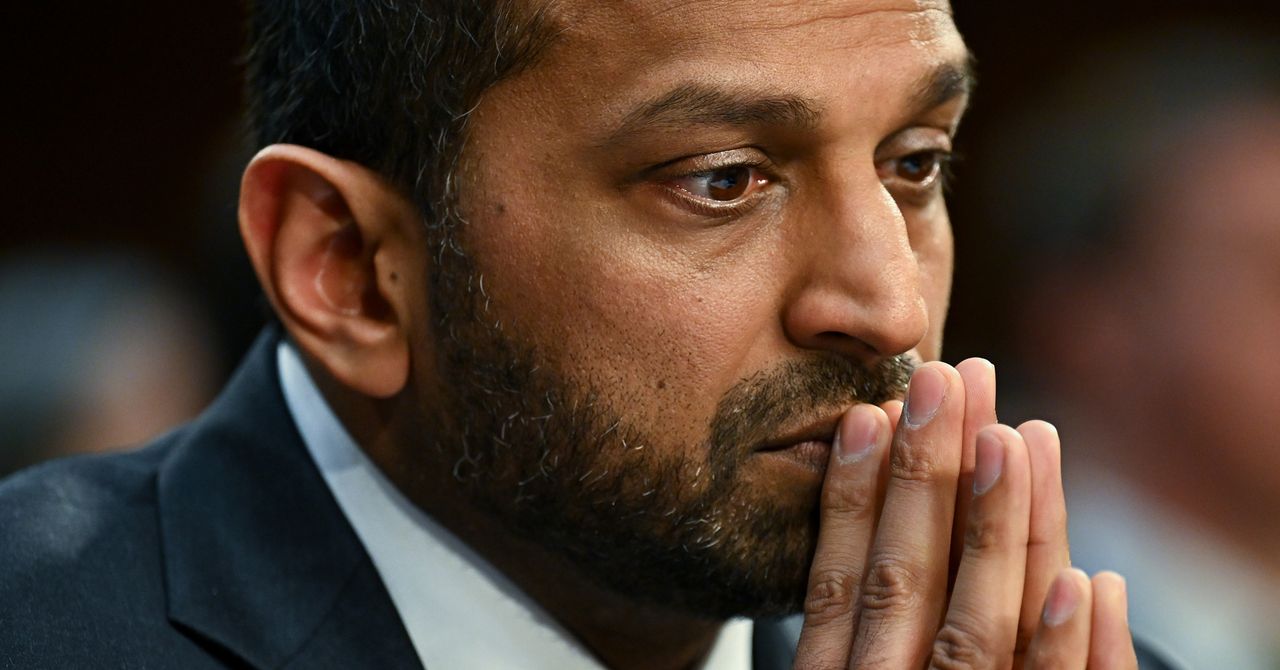
Handala’s second claim, however—that it hacked the FBI—seems, for now, to be fiction. All evidence points to Handala having breached Patel’s older, personal Gmail account. Widely believed to be a “hacktivist” front for Iran’s intelligence agency the MOIS, Handala suggested on its website that the emails contained classified information, but the messages initially reviewed by WIRED didn’t appear to be related to any government work. TechCrunch did find, however, that Patel appears to have forwarded some emails from his Justice Department email account to his Gmail account in 2014.
Handala, which cybersecurity experts have described to WIRED as an “opportunistic” hacker group whose cyberattacks and breaches are often calculated more for their propaganda value than their tactical impacts, has nonetheless made the most of Patel’s embarrassing breach. “To the whole world, we declare: the FBI is just a name, and behind this name, there is no real security,” the group wrote in its statement. “If your director can be compromised this easily, what do you expect from your lower-level employees?”
Handala Hackers Put $50 Million Bounty on Trump and Netanyahu’s Heads
For further evidence of Handala’s bombastic rhetoric, look no further than another post on its website earlier this week (we’re intentionally not linking to it) that offered a $50 million bounty to anyone who could “eliminate” US president Donald Trump and Israeli prime minister Benjamin Netanyahu. “This substantial prize will be awarded, directly and securely, to any individual or group bold enough to show true action against tyranny,” the hackers’ statement read, along with an invitation to any would-be assassins to reach out via the encrypted messaging app Session. “All our communication and payment channels utilize the latest encryption and anonymization technologies, your safety and confidentiality are fully guaranteed.”
That bounty, Handala explained, was posted in answer to a statement about Handala published on the US Department of Justice website last week that offered $10 million for information leading to the identity or location of anyone who carries out “malicious cyber activities against US critical infrastructure” on behalf of a foreign government.
“Our message is clear: If you truly have the will and the power, come and find us!” Handala wrote in its response. “We fear no challenge and are prepared to respond to every attack with even greater force.”
In yet another post on its website this week, Handala also claimed to have doxed 28 engineers at military contractor Lockheed Martin working in Israel and threatened them with personal harm if they didn’t leave the country within 48 hours. When WIRED tried calling the phone numbers included in Handala’s leaked data, however, most of them didn’t work.
Apple says no device with its Lockdown Mode security feature enabled has ever been successfully compromised by mercenary spyware in the nearly four years since its launch. Amnesty International’s security lab head, Donncha Ó Cearbhaill, also says his team has seen no evidence of a successful attack against a Lockdown Mode–enabled iPhone. And Citizen Lab, which has documented several successful spyware attacks against iPhones, says none involve a Lockdown Mode bypass, while in two cases its researchers found the feature actively blocked attacks against NSO Group’s Pegasus and Intellexa’s Predator. Google researchers, meanwhile, found one spyware strain that simply abandons infection attempts when it detects the feature is enabled.
Lockdown Mode works by disabling commonly exploited iPhone features, such as most message attachment types and features like links and link previews. Incoming FaceTime calls are blocked unless the user has previously called that person within the past 30 days. When the iPhone is locked, it blocks connections with computers and accessories. The device will not automatically join nonsecure Wi-Fi networks, and 2G and 3G support is disabled. Apple has also doubled bounties for researchers who detect any Lockdown Mode bypass, with payouts up to $2 million.

Looking for an all-in-one soundbar that sounds as big as it looks? Sennheiser’s Ambeo Max uses its oversized body to produce beefy, enveloping sound, and right now you can grab it for just $2,000 at Best Buy, a sizable $1,000 markdown from the usual list price. It’s one of our favorite standalone premium soundbars, particularly if you don’t want to deal with an exterior subwoofer but still want bigger bass than you’re likely to find on smaller options.
While it might be a bit larger than your average soundbar, Sennheiser uses the space well, packing a ton of functionality and drivers into the less-than-compact body. There are both full-range and 1-inch tweeters combined in every conceivable direction, and the result is an impressive reproduction of true spatial audio, something few other standalone bars can claim. As a result, it also has an impressive low-end, with bass that doesn’t rival dedicated subwoofers, but comes really close for how much simpler the setup process will be.
The larger footprint also allows for a huge number of inputs, more than you’re likely to find on those tiny soundbars that slide under your screen. In addition to an HDMI 2.1 output with eARC, you’ll get three HDMI inputs with 4K pass-through at 60Hz, USB, Ethernet, and optical audio. There are even RCA ports in case you want to hook this up to your turntable. There’s also a dedicated subwoofer output, in case you decide you want to add one to your setup down the road, giving you a ton of options should you decide to put the Ambeo Max at the center of your home audio setup.
Ready to make the move to a bigger, better soundbar? Swing on over to Best Buy to grab this hefty discount on the Sennheiser Ambeo Max, or check out our guide to the best premium soundbars for some of our other favorite picks. If you’re just out looking for a great deal in general, the Amazon Big Spring Sale is underway, and we’ve got a dedicated post with all the best discounts on everything from smartwatches to water bottles.
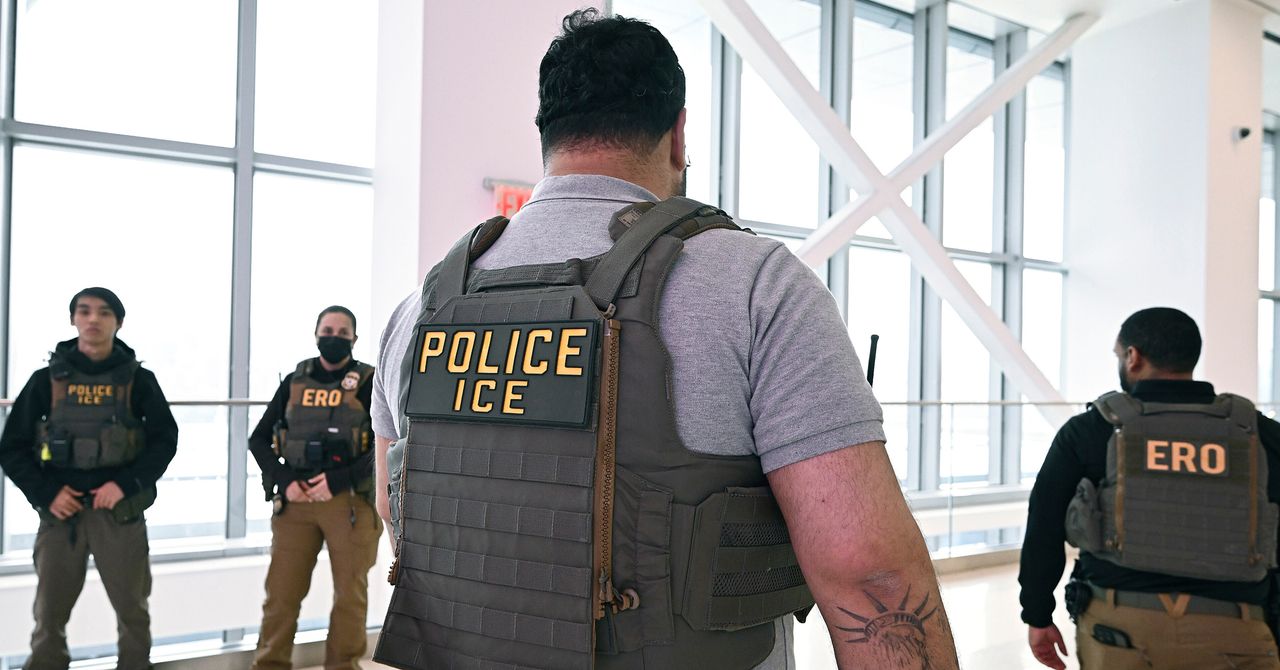
On Thursday, hours-long security lines snaked through New York City’s LaGuardia Airport. The wait was far from the longest in the country—George Bush International Airport in Houston reported three and a half hour lines. Over a month into a partial government shutdown that has left some Department of Homeland Security (DHS) employees working without pay, Transportation Security Administration (TSA) agents are calling in sick or leaving work en masse, leading to travel chaos around the US. The Trump administration’s solution? Send Immigration and Customs Enforcement (ICE) agents in.
ICE agents were deployed to at least 14 airports on Monday, ostensibly in an effort to speed up security lines—and five days into ICE’s incursion, airport employees are infuriated. The ICE agents, Transportation Security Officers (TSOs) who work for the TSA tell WIRED, don’t have the proper certification and training to perform many of tasks that might truly speed up security lines. The TSA employees say they’re frustrated by the situation—and worried about what it might mean for their future.
ICE agents have been spotted walking in packs, patrolling security lines and baggage areas. They have been seen giving directions to lost passengers, photographed distributing mini water bottles to those waiting in line, and, more often than not, standing around and appearing to do very little. “ICE are here and they’re doing literally nothing to help,” passengers in a security line overheard one airline worker complain on Wednesday at John F. Kennedy airport in New York.
The Atlanta Journal-Constitution reported that some passengers stuck in line spotted ICE agents being trained to check passenger IDs and boarding passes. In a hearing in front of the US House Committee on Homeland Security on Wednesday, TSA acting head Ha Nguyen McNeill said that “the travel document checker function is one of the nonspecialized screen functions of the TSA,” and said ICE agents are being trained to conduct checks.
TSOs say ICE’s presence is frustrating to those working without pay—especially because ICE agents are being paid. “If you want to bring a tactical force into an environment where it’s required to have customer service and a mindset where you know what you’re doing, how to identify something that might be suspicious—they don’t have that training,” says Hydrick Thomas, a security officer and the president of AFGE Local 2222, which covers New York and New Jersey airports.
Security officers say they’re concerned for their coworkers, who, thanks to last fall’s government shutdown, haven’t received a steady paycheck for half of the fiscal year. Agents are worried about paying for rent, mortgages, gas, and childcare. Food banks have stood up drives in several airports, including those in Houston, North Carolina, and San Diego. In Knoxville, Tennessee, airport authorities are accepting donations for employees at a Delta Airlines counter. Eleven percent of airport checkpoint employees called out on Tuesday, compared to four percent pre-shutdown, a federal official testified to Congress on Wednesday morning. Some airports, including those in Houston, Atlanta, New Orleans, and New York’s John F. Kennedy, have seen daily callout rates higher than 35 percent. More than 480 TSA screeners have quit since the shutdown began in February, the agency says.
Long term, security officers say they’re concerned that the federal government plans to replace them with other federal agents, including ICE agents, or private sector employees. One mentioned Project 2025, a blueprint for the second Trump administration published by the conservative Heritage Foundation, which advocates for privatizing TSA altogether.
“A part of the American dream that I was sold was that working for the government was honorable and stable,” Carlos Rodriguez, a security officer and a AFGE TSA Council 100 vice president representing airports Northeastern airports from New Jersey to Vermont. “But this is not honorable or stable at this moment.”


Iranian Hackers Breached Kash Patel’s Email—but Not the FBI’s

Tiger Woods involved in rollover crash in Florida less than 2 weeks before Masters: reports

Backstreet Boys AJ McLean shows support to Britney Spears after DUI arrest

-
 Business7 days ago
Flipkart group CFO to leave co amid IPO plans – The Times of India
-

 Fashion7 days ago
China’s textile & apparel exports surge 17% to $50 bn in Jan-Feb 2026
-
 Business1 week ago
Video: The Effects of High Oil Prices
-

 Sports1 week ago
Rating Adidas’ 2026 World Cup away shirts: Argentina, Spain, Mexico and more
-

 Sports7 days ago
American Conference Commissioner Tim Pernetti thanks Trump for Army-Navy game executive order
-

 Fashion1 week ago
The hidden $1.62 war tax now embedded in every garment you source
-

 Tech1 week ago
‘Uncanny Valley’: Nvidia’s ‘Super Bowl of AI,’ Tesla Disappoints, and Meta’s VR Metaverse ‘Shutdown’
-
Tech1 week ago
The Corsair 4000D RS PC Case Keeps Your System Cool