

Entertainment
The AI revolution has a power problem

SAN FRANCISCO: In the race for AI dominance, American tech giants have the money and the chips, but their ambitions have hit a new obstacle: electric power.
“The biggest issue we are now having is not a compute glut, but it’s the power and…the ability to get the builds done fast enough close to power,” Microsoft CEO Satya Nadella acknowledged on a recent podcast with OpenAI chief Sam Altman.
“So if you can’t do that, you may actually have a bunch of chips sitting in inventory that I can’t plug in,” Nadella added.
Echoing the 1990s dotcom frenzy to build internet infrastructure, today’s tech giants are spending unprecedented sums to construct the silicon backbone of the revolution in artificial intelligence.
Google, Microsoft, AWS (Amazon), and Meta (Facebook) are drawing on their massive cash reserves to spend roughly $400 billion in 2025 and even more in 2026 — backed for now by enthusiastic investors.
All this cash has helped alleviate one initial bottleneck: acquiring the millions of chips needed for the computing power race, and the tech giants are accelerating their in-house processor production as they seek to chase global leader Nvidia.
These will go into the racks that fill the massive data centres — which also consume enormous amounts of water for cooling.
Building the massive information warehouses takes an average of two years in the United States; bringing new high-voltage power lines into service takes five to 10 years.
Energy wall
The “hyperscalers,” as major tech companies are called in Silicon Valley, saw the energy wall coming.
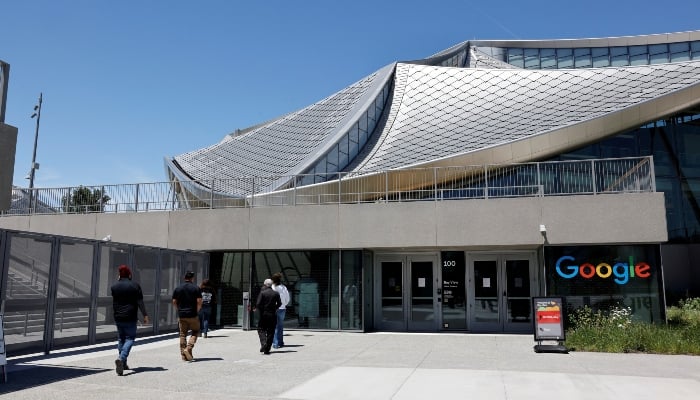
A year ago, Virginia’s main utility provider, Dominion Energy, already had a data-centre order book of 40 gigawatts — equivalent to the output of 40 nuclear reactors.
The capacity it must deploy in Virginia, the world’s largest cloud computing hub, has since risen to 47 gigawatts, the company announced recently.
Already blamed for inflating household electricity bills, data centres in the United States could account for 7% to 12% of national consumption by 2030, up from 4% today, according to various studies.
But some experts say the projections could be overblown.
“Both the utilities and the tech companies have an incentive to embrace the rapid growth forecast for electricity use,” Jonathan Koomey, a renowned expert from UC Berkeley, warned in September.
As with the late 1990s internet bubble, “many data centres that are talked about and proposed and in some cases even announced will never get built.”
Emergency coal
If the projected growth does materialise, it could create a 45-gigawatt shortage by 2028 — equivalent to the consumption of 33 million American households, according to Morgan Stanley.
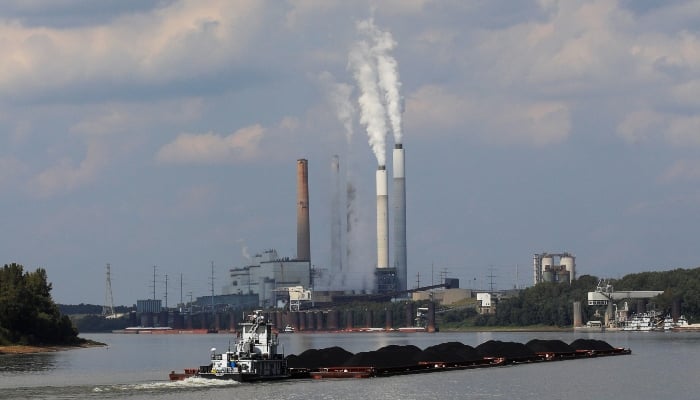
Several US utilities have already delayed the closure of coal plants, despite coal being the most climate-polluting energy source.
And natural gas, which powers 40% of data centres worldwide, according to the International Energy Agency, is experiencing renewed favour because it can be deployed quickly.
In the US state of Georgia, where data centres are multiplying, one utility has requested authorisation to install 10 gigawatts of gas-powered generators.
Some providers, as well as Elon Musk’s startup xAI, have rushed to purchase used turbines from abroad to build capability quickly. Even recycling aircraft turbines, an old niche solution, is gaining traction.
“The real existential threat right now is not a degree of climate change. It’s the fact that we could lose the AI arms race if we don’t have enough power,” Interior Secretary Doug Burgum argued in October.
Nuclear, solar, and space?
Tech giants are quietly downplaying their climate commitments. Google, for example, promised net-zero carbon emissions by 2030 but removed that pledge from its website in June.
Instead, companies are promoting long-term projects.
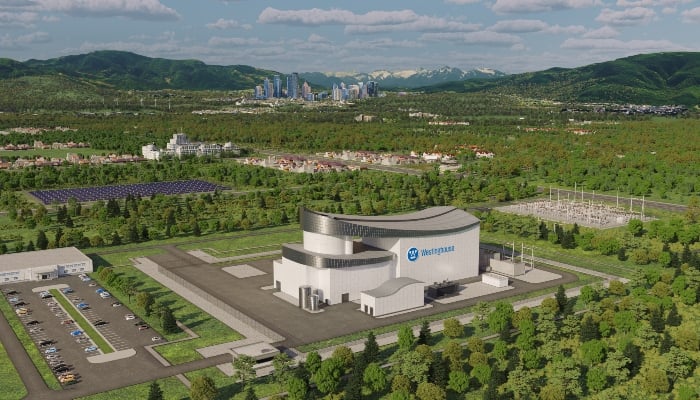
Amazon is championing a nuclear revival through Small Modular Reactors (SMRs), an as-yet experimental technology that would be easier to build than conventional reactors.
Google plans to restart a reactor in Iowa in 2029. And the Trump administration announced in late October an $80 billion investment to begin construction on ten conventional reactors by 2030.
Hyperscalers are also investing heavily in solar power and battery storage, particularly in California and Texas.
The Texas grid operator plans to add approximately 100 gigawatts of capacity by 2030 from these technologies alone.
Finally, both Elon Musk, through his Starlink program, and Google have proposed putting chips in orbit in space, powered by solar energy. Google plans to conduct tests in 2027.
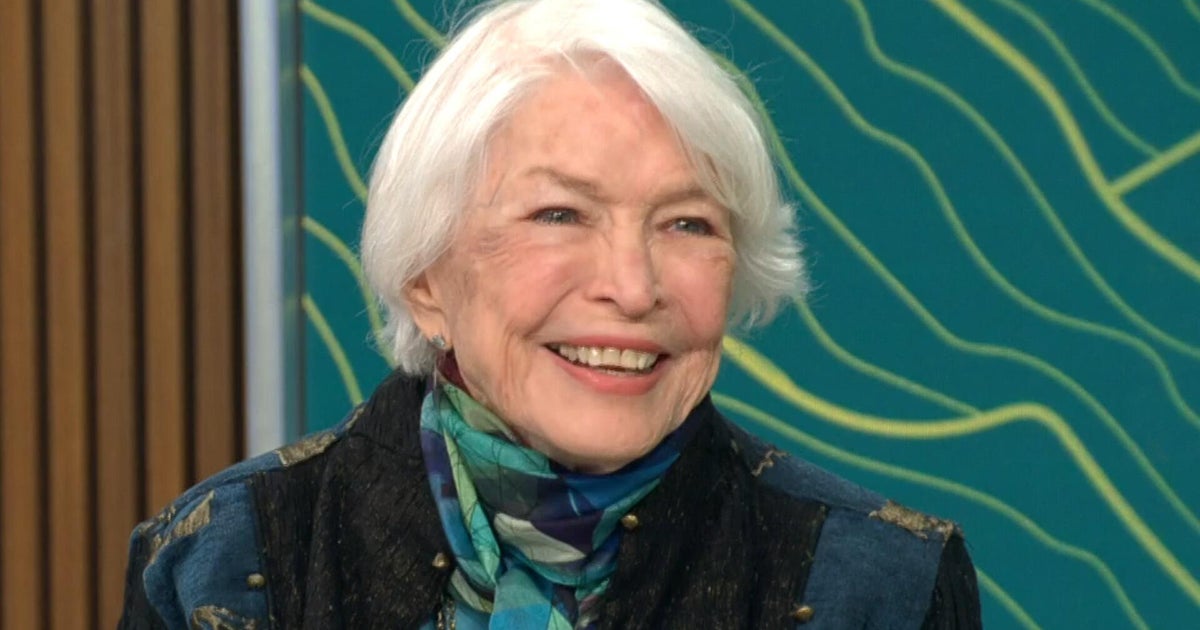
Ellen Burstyn, known for her Oscar-winning role in “Alice Doesn’t Live Here Anymore,” has spent seven decades in Hollywood, but she tells “CBS Mornings” that poetry has also shaped her life as she discusses her new book “Poetry Says It Better.”
Source link
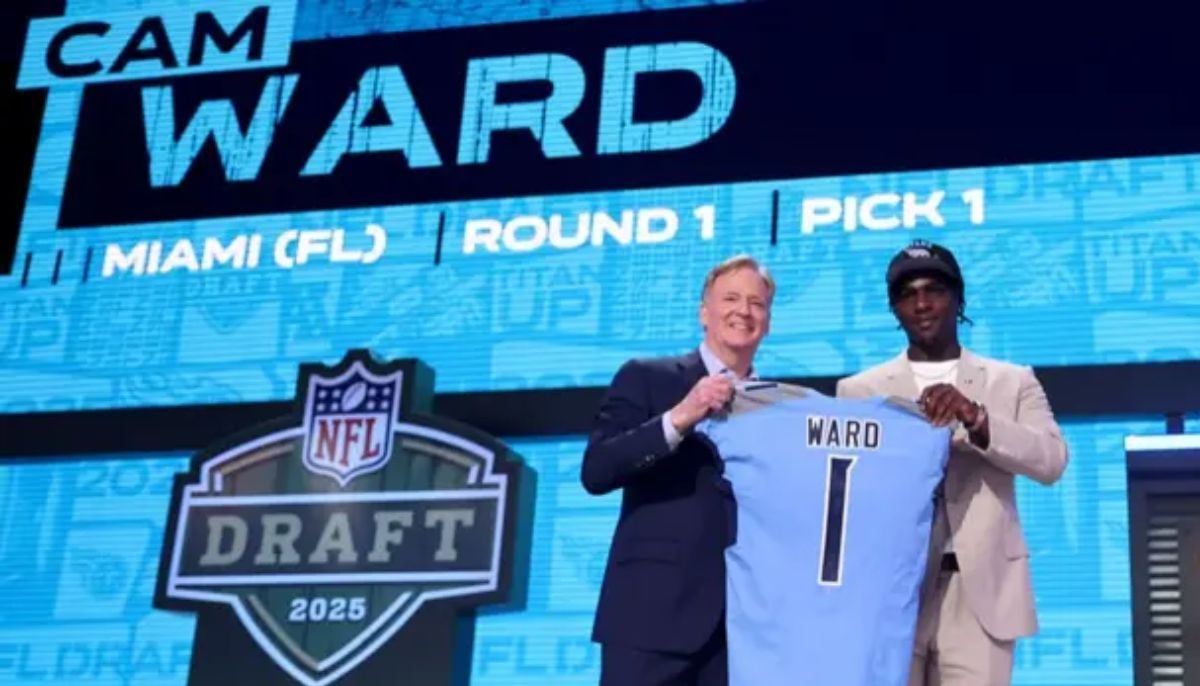
The 2026 NFL Draft was completed with full of trades and surprises on Thursday night, April 23.
In a significant move, the Las Vegas Raiders opted for Indiana quarterback Fernando Mendoza with the No.1 overall pick.
After the first round, some teams are all in on their future, while others are dangerously close to being counted out.
Who’s in
The Las Vegas Raiders are in without a doubt. With the first overall pick, they drafted quarterback Fernando Mendoza, the winner of the Heisman Trophy, who will be the face of the franchise going forward.
All four teams in the NFC East are in contention now. The New York Giants are in after drafting Arvell Reese from Ohio State and tackle Francis Mauigoa. The Dallas Cowboys are in after trading up to select “transformative” safety Caleb Downs. Even the Philadelphia Eagles and Washington Commanders landed top talent.
The Los Angeles Rams are looking to build for the future. By taking Alabama quarterback Ty Simpson with the 13th overall pick, they’ve guaranteed themselves their man under center when Matthew Stafford retires.
Who’s out
The New York Jets didn’t find the right path. Despite having three first-round picks, officials panned their haul, calling edge rusher David Bairly at No. 2 a major reach.
Another setback was the Arizona Cardinals. Selecting a running back like Jeremiyah Love with an underperforming offensive line and dire needs defensively made one wonder if the team had already tanked.
The Miami Dolphins disappointed just as much. Following their spending in free agency on a quarterback such as Malik Willis, they didn’t provide him with anything worthwhile offensively.
Predictions for round 2 and round 3
As rounds 2 and 3 are approaching, analysts make major predictions.
Starting with Round 2, San Francisco will select Emmanuel McNeil-Warren as their safety selection at No. 33 overall, while Arizona selects Carson Beck as a future starting quarterback at No. 34 overall.
Buffalo will be taking a chance by selecting Josh Allen’s red zone target in Denzel Boston at No. 35 overall, while New York adds to their depth with Jermod McCoy at No. 37 overall.
Meanwhile, Baltimore is going for yet another falling star in Avieon Terrell at No. 45 overall. Teams that need a quarterback will watch closely as the Steelers draft Garrett Nussmeier at No. 53 overall.
In Round 3, Philadelphia drafts an offensive tackle to help improve their offensive line with Caleb Tiernan at No. 68 overall, while Cleveland takes care of one more defensive player.
Miami selects tight end Oscar Delp at No. 75 overall, and Pittsburgh looks to continue rebuilding its secondary. As the third round progresses, expect runs on receivers and interior offensive linemen.

Jada Pinkett Smith is asking a judge to order Will Smith’s former friend, Bilaal Salaam, to cover nearly $49,000 in legal costs after parts of his emotional distress lawsuit against her were dismissed.
According to court documents reviewed by TMZ, Pinkett Smith argued that Salaam should be responsible for the expenses she incurred defending herself.
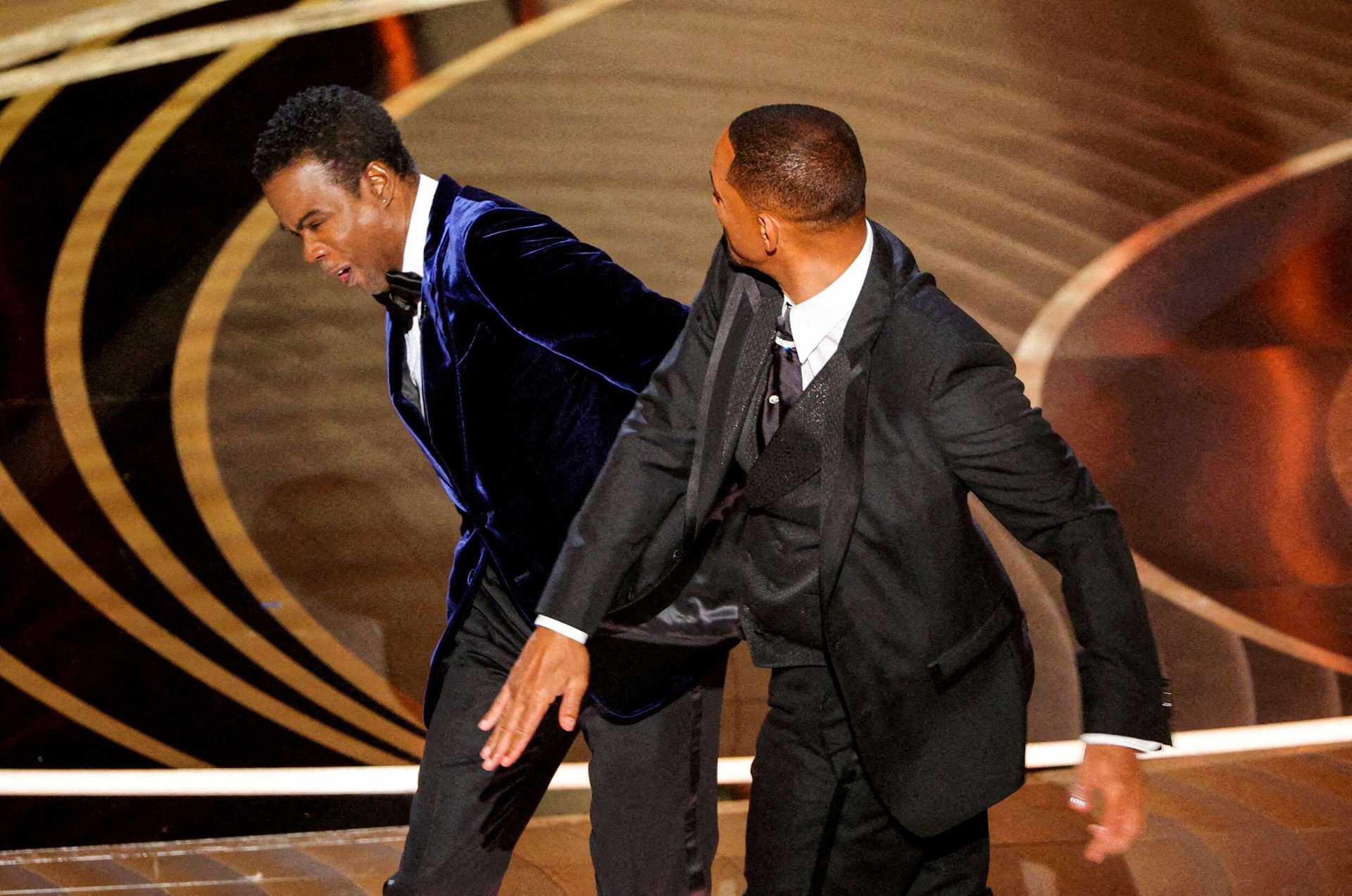
Salaam had filed a $3 million emotional distress suit last year, claiming he was brought in to help Smith with damage control following the 2022 Oscars slap incident involving Chris Rock.
Salaam alleged that Pinkett Smith and members of her entourage threatened him after learning he was working on a memoir.
Allegedly, he was even warned that he could “end up missing” or “catch a bullet” if he continued “telling her personal business.”
He also claimed she pressured him to sign a nondisclosure agreement under implied threat.
Pinkett Smith categorically refuted all such claims calling them “false, uncorroborated and made to generate attention as part of an ongoing public campaign of harassment.”
She further argued that Salaam failed to provide evidence for claims that he lost a girlfriend, left the country, or suffered health issues due to distress.
While parts of the lawsuit have been thrown out, the case remains ongoing.

Intel bags big gains! Chipmaker’s shares jump 26% on blockbuster results; how Trump admin benefits – The Times of India

Ellen Burstyn reflects on how poetry impacts her life

China boosts offshore wind capacity to speed up low-carbon transition

-

 Fashion1 week ago
France’s LVMH Q1 revenue falls 6%, shows resilience amid Iran war
-

 Tech1 week ago
CYBERUK ’26: UK lagging on legal protections for cyber pros | Computer Weekly
-

 Sports5 days ago
WWE WrestleMania 42 Night 2: Live match results and analysis
-
 Business1 week ago
PepsiCo earnings beat estimates as North American food business improves
-

 Sports5 days ago
NCAA men’s gymnastics championship: All-time winners list
-

 Sports1 week ago
Faheem Ashraf backs Islamabad United’s push, calls league a ‘career-changing platform’
-

 Tech1 week ago
Anthropic Plots Major London Expansion
-

 Tech1 week ago
Cyber Essentials closes the MFA loophole but leaves some organisations adrift | Computer Weekly