

Fashion
The European Union year-end review 2025: An ally bears the brunt

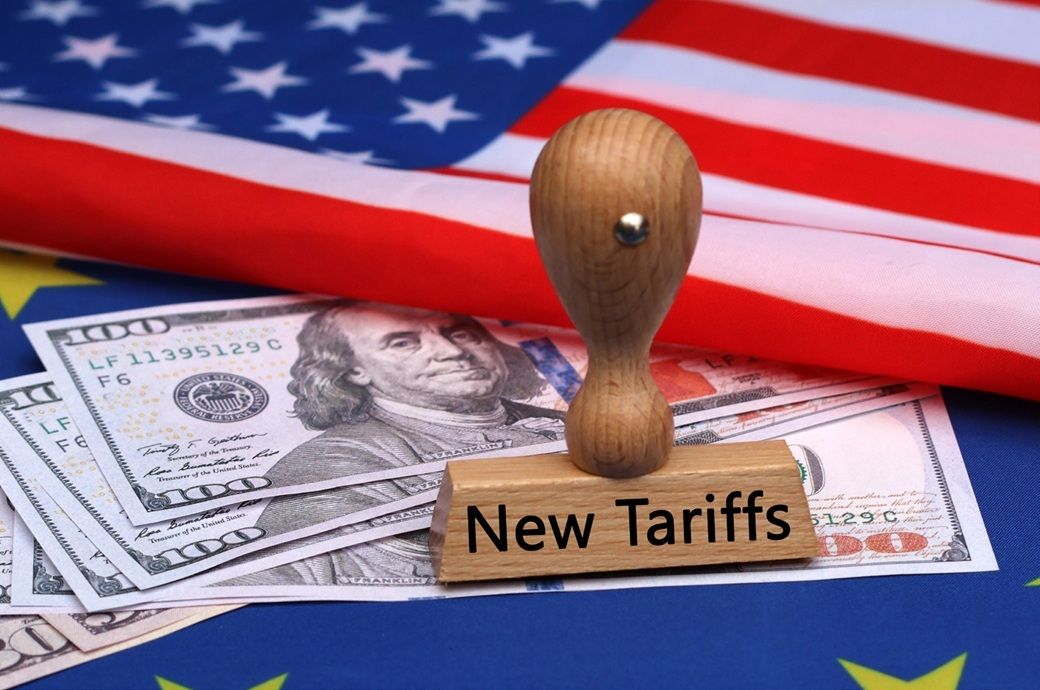
The EU economy, inclusive of 0.9 per cent growth in the euro area, was projected to grow around 1.1 per cent in 2025 prior to imposing of elevated US tariffs on European goods. Despite lowering of tariff, it is still expected to impact European exports sector. Translated in numbers, the tariff impact is estimated to reduce GDP growth by about 0.2 to 0.5 per cent, and EU exports to the US by 1.1 to 1.5 per cent due to shrinking demand in the US market and tariff-related costs. Sector wise, automotive and fashion & textile stand particularly exposed.
Exports
US tariffs fixed at 15 per cent continue to strain EU textile, fashion and luxury exports, weakening price competitiveness in a key market.
EU GDP growth may drop by up to 0.5 per cent as exports to the US decline.
Brands face margin pressure, price hikes and cautious consumers.
Firms are accelerating diversification, nearshoring and value-led strategies.
Valued around €7.4 ($8.6) billion, the EU’s textile and fashion exports to the US face tariff costs that not only disrupted pricing but also threatened competitiveness. The US has been a key export market for European textile exporters, with flagship brands in Italy, France, Spain, and Portugal carving out niches at both the luxury and mid-market tiers. The imposition of even a lower 15 per cent tariff strips these companies of their price advantage as European goods will now have to carry a higher cost than competing US and third-country products. For many producers, especially those positioned in fashion-forward but price-sensitive segments, 15 per cent tariff is also a formidable barrier. Brands and manufacturers now face a stark choice, either absorb the additional costs and see profit margins shrink, or attempt to pass on the increase to customers, at the risk of losing market share.
Textile Sector
The European textile sector has always been under extreme competitive pressure from low-cost Asian producers. The US tariff only intensified this pressure. Industry leaders warned that the extra burden could lead to revenue declines, factory slowdowns, and genuine job losses, particularly in traditional textile hubs like northern Italy, Catalonia in Spain, and certain French regions. Manufacturers associations cautioned that tariffs have set the stage for contraction, not growth. Producers will have to seek alternative export markets in Asia and the Middle East, but breaking into new regions will take time, adaptation, and investment. As access to the US market will become more difficult, some European textile companies look to double down on localisation strategies, i.e. producing more goods for domestic or EU audiences, or focusing on niche, high-value segments less vulnerable to cost shocks. Others are considering partial production offshoring or forming alliances with non-EU partners to circumvent trade barriers.
Fashion Market
US tariff impact on European fashion, already suffering from Ukraine war-induced inflation in raw material costs and supply chain issues, is noticeable. From the beginning of the year, fashion brands struggled with supply chain disruptions, higher energy prices and changes in consumer behaviour. Major fashion players such as Inditex, H&M and LPP reported negative impacts. Key fashion markets of Italy and Germany experienced marked downturn in sales growth, partly by reduced consumer confidence linked to energy costs and economic uncertainty. Due to tariff impact, US retailers that rely on European imports, especially at the mid-range and luxury levels, are also fearing higher costs. Early analysis estimated a rise of 37 to 39 per cent in retail prices for clothing and footwear. Initial impact will be particularly sharp in premium categories but will eventually ripple across all segments, reshaping consumer choices and spending patterns. While many fashion brands are ready to pass increased costs on to consumers, tariffs are expected to restrict cautious consumer spending to value, durability and affordability rather on fast fashion or luxury splurges, and contribute to growth in resale, off-price retailers and alternative affordable products. Consumers, especially those in the US, are likely to pay higher prices as brands and retailers adjust to a new normal.
Luxury – A Pricing Dilemma
Luxury is an integral part of the European fashion industry. In fact, Europe is home to the world’s three largest luxury conglomerates: LVMH, Kering, and Richemont. It possesses economic might as well, with 5.1 per cent and 3.1 per cent contribution to Italian and French GDPs, respectively. So, any impact on luxury segment is bound to be felt widely across Europe’s economy. The imposed tariff is feared to escalate prices in the luxury segment, which brands may be forced to pass on to the consumers in the US, the sector’s second-biggest market after China. This fear comes on top of slowing sales and a general impression among industry watchers that luxury prices have moved out of reach of the aspirational classes. Estimates say that a 15 per cent tariff on exports to the US will require luxury brands, on an average, to raise prices by 2 per cent in the US market or around 1 per cent globally to fill the regional price gaps. If not, they may face an impact of around 3 per cent on EBITDA. In reality, some brands were reported to have regional price gaps of 60 to 87 per cent. After 1 per cent fall in sales of luxury goods worldwide last year, the 2025 sales are forecast to fall in the range of 2 to 5 per cent, which will be the biggest fall in 15 years excluding the pandemic phase. Facing challenging times, top luxury companies, including Chanel, Gucci, LVMH labels: Dior, Celine, Givenchy and Loewe, and Versace, are seeking new designers.
Raising price of luxury items will not be easy as well, given how luxury brands profited from hiking prices by 33 per cent, on an average, over the past few years. For example, price for Chanel’s classic quilted flap bag tripled between 2015 and 2024, and the Dior Lady bag more than doubled. Such brands now hardly have any room after a series of outsized price tag hikes. French luxury powerhouse LVMH also steadily increased prices since 2020 to offset declining sales. Analysis show that half of the luxury industry’s sales growth came from price hikes between 2019 and 2023. Despite this, the sector lost 50 million customers in 2024 as economic pressures and prices fatigue dampened appetite for designer clothing and handbags. Hermès, which held back on large price increases during the post-pandemic boom, outpaced rivals in sales growth. Meanwhile, some high end labels plan to draw on pricing power to offset the cost of tariffs, and some, targeting ultra-high net worth luxury, are working to elevate the experiences that come along with hiked price tags.
Tariff impact on some of EU countries are worth a mention here.
FRANCE
The announcement of tariffs on the EU exports came at a time when France 2030 strategy prioritised boosting exports and revitalising the industrial sector. The hike came as a barrier threatening to undermine ongoing efforts to strengthen France’s manufacturing competitiveness and to rebalance its trade accounts.
From trade point of view, the US stands as France’s fourth-largest export destination and fifth-largest supplier of goods. Earlier, between 2019 and 2021, the US had imposed tariffs on French wine and luxury goods but the recent tariffs on the EU additionally affect aeronautics and pharmaceuticals sectors of France. Both sectors, along with wine & spirits and luxury goods, together make up over one-third of country’s exports to the US. The immediate impact of the tariffs was observed in a more than 3 per cent drop, the biggest in two years, in the Paris stock market.
Under the new tariff regime, luxury goods, a distinctive French export category comprising clothing, accessories, and cosmetics, face significant challenges. High-profile companies like LVMH, which was projected to be worth more than $400 billion by 2025, are particularly vulnerable. The US is LVMH’s largest domestic market, accounting for about 27 per cent of the group’s worldwide sales. Numerous luxury brands rely significantly on the US market, and the significant price increases that will arise from passing on the tariff costs, will test the price sensitivity of even high-end consumers.
Depending on their exposure to the US market and their capacity for adaptation, French industries are implementing a variety of strategies. Brands in the luxury segment, like Hermès, have decided to absorb the effects of the 10 per cent tariffs mainly by compressing their margins, resulting in average price increase of roughly 6 per cent. This risk is considered moderate, as the US accounts for around 28 per cent of total luxury goods sales.
The French government lowered its 2025 GDP growth forecast to 0.7 per cent, citing tariff-related risks. This was a slightly more optimistic estimate than the 0.5 per cent growth predicted by the French Economic Observatory (OFCE). Even a 10 per cent tariff increase is estimated to lower economic output in France by about 0.3 per cent.
GERMANY
In 2023, Germany exported textile and apparel worth €1.78 ($2.07) billion to the US, which remained its leading non-EU market. In textile and apparel sector, Germany’s trade balance is traditionally import-heavy. However, exports still accounted for over 40 per cent of total trade volume at €52 ($60.44) billion in 2023. Germany’s key export products include outerwear, workwear, technical fabrics, hosiery and shoes. With US tariffs in action, Germany’s US exports are estimated to increase slightly by 4 per cent due to improved competitiveness against Asian suppliers who face higher tariff rates. Also, quality-driven differentiation will benefit German producers. The notable outcome of US tariff on Germany is increased import by key EU markets, such as Poland which alone is estimated to add €70 ($81.36) million in demand.
Retailers and brands increasingly shifted their focus towards Europe. German online fashion marketplace Zalando reported rising interest from companies seeking European expansion. In August, Zalando adjusted its 2025 guidance to include newly acquired About You, as the signs of higher inventories and discounting amid sluggish consumer sentiment fuelled concern for the growth in H2, 2025. The German clothing brand Hugo Boss redirected China-manufactured products to other markets instead of the US, citing a notable deterioration in US consumer spending amid economic uncertainty in the first quarter of 2025. Since the US accounts for around 20 per cent of German sportswear brand Adidas’ business, 80 per cent of its business stood unaffected by the tariffs, claimed the company. The sports company plans to compensate whatever margin losses it incurs in the US by overachieving in other markets. Meanwhile, cut-price online retailers Shein and Temu, for whom the US remains the main market, increased their advertising spend in Europe as they seek to mitigate the impact of the US tariffs on Chinese goods and removing a duty-free exemption for low-value e-commerce packages from China.
To tackle the US tariff-induced situation, Germany undertook some key measures. The short-term measures included closely tracking trade policy changes and consumer behaviour, carrying out customs impact assessments, exploring ways to optimise tariff classification and pricing structures, and speeding up imports or rerouting supply chains in line with US tariff policy. The mid-to-long-term measures included strengthening market diversification outside of North America, exploring participation in free trade zones and preferential trade agreements, and reviewing transfer pricing and supply chain tax exposure to protect margins.
ITALY
With €65 ($70.16) billion worth of exports to the US in 2024, the US remains Italy’s largest non- EU trading partner. In this, textile and clothing exports amounted over €2.75 ($3.20) billion, comprising €2.27 billion worth of clothing (down 0.7 per cent y-o-y) and €485 million worth of textiles (down 0.4 per cent y-o-y), boasting a trade surplus of €2.6 billion. Exports to the US represented about 11.1 per cent of the total exports of the companies represented by Confindustria Accessori Moda (confederation of companies that focuses on fashion accessories like footwear, leather goods etc). In particular, footwear and leather goods are the two sectors of the Federation with the highest exports to the US. Going by the share of textile and clothing in country’s total exports, Italian fashion is not among the most exported product categories to the US, only 4.2 per cent, but chemical/ pharmaceutical products, motor vehicles, ships/ boats, and general-purpose machinery stand out, accounting for over 40 per cent of total sales in the US market. However, Italian brands remained in demand in the US.
Although the US retailers continued to value Italian design, they sought cost-sharing arrangements or renegotiated contracts, making some Italian fashion brands absorb the 15 per cent tariff to maintain pricing and competitiveness. Luxury brands also reportedly made changes to minimise the impact of the US tariffs, including shipping directly from production sites and not warehouses, and reducing stock in stores. According to Italian luxury brand association, the Italian luxury sector has recorded an overall growth of 28 per cent from 2019-2024, well above pre-pandemic levels. The Italian fashion group OTB, which owns brands including Diesel, Jil Sander, and Maison Margiela, announced it would need to raise prices in the US by 8 to 9 per cent to counteract the effects of tariffs.
For Italy, the tariff challenge can also become an opportunity to strengthen innovative and sustainable supply chains and to push for nearshoring, rebuilding production closer to Italy and the Mediterranean, and creating new trade links. Italy needs to equip itself with a clear industrial policy to defend the primacy of ‘Made in Italy’.
NETHERLANDS
The Dutch economy is expected to grow by 1.5 per cent in 2025 and 1 per cent in 2026. Meanwhile, Dutch GDP grew by 0.2 per cent, more than initially estimated, in Q2, 2025, driven by household consumption (+0.1 per cent) and investments (+1.8 per cent). However, business investments and exports are expected to lag due to geopolitical uncertainty and trade tensions. While nation’s manufacturing production increased only 0.5 per cent m-o-m in May, the sector’s value added is estimated to increase in the range of 1.6 and 1.8 per cent under the US tariff which is expected to lead to higher consumer prices and pressure on Dutch companies that rely on the US market. This promoted Dutch government to start exploring options to diversify trade relationships beyond the US and Europe, eyeing markets in Southeast Asia, South America, and Africa. The long-term economic damage caused by US tariff to the Netherlands is estimated to be over €7 ($8.14) billion annually by 2030, which translates to nearly €400 per Dutch citizen.
Since Dutch exports of worn clothing and other worn textile articles to the US valued only $143,110 in 2024 in total exports of $41.37 billion, the US tariff may not be a major concern for the Dutch worn clothing and textile sector.
SPAIN
Spain suffered a significant impact of US tariffs within the European bloc. In April and May, its exports to the US fell 19 per cent, y-o-y, compared to EU’s 4.8 per cent decline. The US was one of the main growth markets for Spanish fashion in 2024, with a 7.4 per cent increase, and in 2025, this same market became one of the sector’s biggest source of losses. In May, sales of EU fashion to the US reached €934 million. In this, share of Spanish products was 4.1 per cent, compared to 4.6 per cent last year. Among fashion segments, footwear was the most affected one. In May 2025, exports of footwear to the US fell by 30.9 per cent, well above the decline seen in textiles and apparel, a trend that continued from April.
Hit by US tariff policy, Spain announced a €14.1 ($15.7) billion relief package in April, to support tariff-affected businesses and consumers.
Meanwhile, many US customers felt the tariff pinch with Spanish fast-fashion brands like Zara and Mango stores in the US hiking up prices, by sometimes astronomical amounts. The price tag difference between some countries and the US did not seem to equal the 15 per cent standard tariffs imposed on the EU. Even with the conversion rate, the prices in Spain were nearly half of those seen in the US stores. For instance, a Mango jacket costing $351 (€299.99) in Spain was being sold for $649.99 in the US. Similarly, a Zara dress costing equivalent to $70 in Spain was being retailed at $119 in the US. These brands were speculated to have raised US prices well beyond the actual tariff costs to offset expected losses in market share, while retail experts saw this move as companies wanting to test what the market could bear.
Zara owner Inditex reported a slowdown in its second-quarter revenue growth as the impact of tariffs and a strong dollar hurting its US business, prolonging a downturn for the world’s biggest fashion retailer. In the first half of the year, Inditex reported a 3.8 per cent drop in sales in the Americas, including the US, its second-biggest source of revenue. The company sources almost half of its goods from Spain, Portugal, Türkiye and Morocco, which face lower tariffs than other big clothing producers.
Brands Reshaping Strategies
Compelled by the situation, Euro fashion brands are expected to adopt several strategic measures. To begin with, they will diversify and near-shore production to reduce costs and avoid tariffs, resulting in strategic sourcing closer to home or within tariff-friendly regions. Some are keen to adopt smart customs strategy to mitigate tariff burden by exploring little-known US customs mechanisms like the ‘First Sale’ rule that allows application of tariffs on production costs instead of retail prices. To strengthen their connect with consumers demanding affordability and practicality, brands are shifting focus on providing value-driven fashion by emphasising quality, timeless design, durability and sustainable production to justify pricing and maintain relevance. Furthermore, some brands are more than willing to introduce more flexible pricing strategies, loyalty incentives and initiatives promoting resale and circular fashion models—all to retain customers.
Task ahead for the EU
European fashion brands must navigate challenges that US tariffs have unleashed, with a multi-faceted approach that will include supply chain optimisation, strategic tariff management, increased sustainability, and an acute focus on consumer value. While the economic horizon remains uncertain, agility and innovation will be critical for survival and eventual recovery in the fashion sector.
Fibre2Fashion News Desk (SB)










Current account excluding gold and energy indicated net deficit of $3.9 billion, while goods saw a deficit of $9.5 billion.
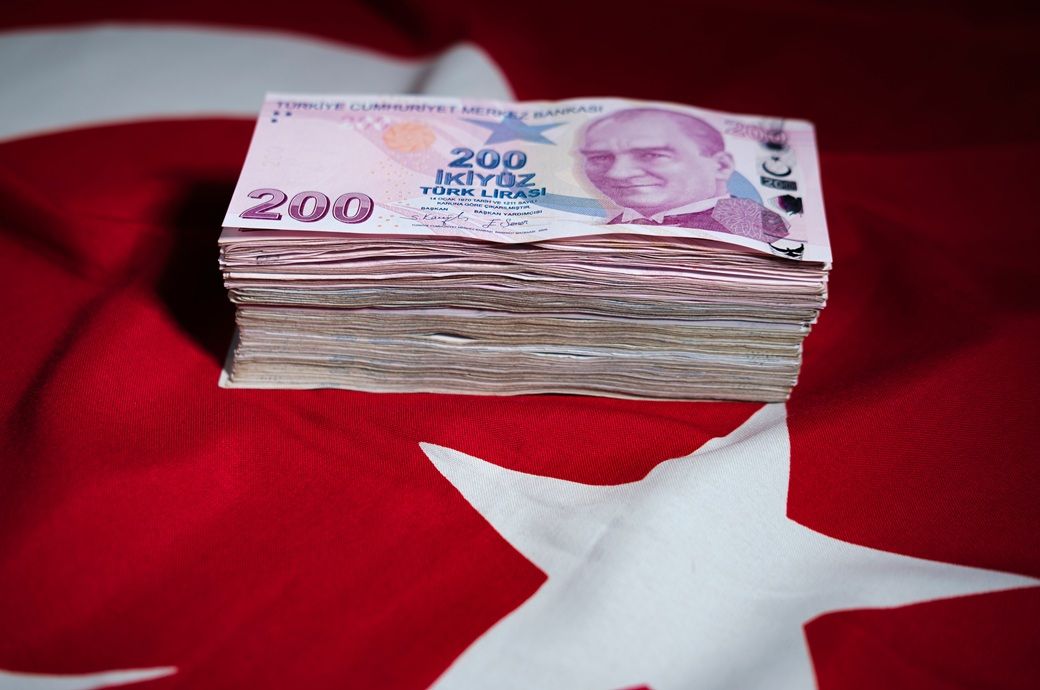
Turkiye recorded a current account deficit (CAD) of $9.6 billion in March, the country’s central bank said.
Treasury and Finance Minister Mehmet Simsek said the CAD is expected to widen this year, due to high energy and non-energy commodity prices.
Simsek said the deterioration is likely to remain temporary and manageable, thanks to stronger macroeconomic fundamentals and policy gains.
According to annualised data, current account deficit recorded as $39.7 billion (2.6 per cent of gross domestic product) in March, while the goods deficit recorded as $77.8 billion.
Simsek said the deterioration is likely to remain temporary and manageable thanks to stronger macroeconomic fundamentals and policy gains, domestic media outlets reported.
Turkiye is heavily reliant on imported energy, whose prices spiralled due to the Middle East conflict.
Simsek said elevated global commodity prices would put pressure on the external balance, but emphasised that the government’s economic programme had improved resilience against such shocks.
He said foreign direct investment (FDI) inflows totalled $1 billion in March, bringing annualised foreign direct investment to $12.6 billion.
The new investment incentive package under discussion in parliament now is expected to strengthen the country’s financing structure and support long-term capital inflows, he added.
Fibre2Fashion News Desk (DS)
During the first quarter of ****, the UK’s imports of textile fabrics eased down *.** to £*,*** million (~$*,*** million), against £*,*** million in January-March **** but slightly higher from £*,*** million in the fourth quarter of ****. Its imports of fibre were noted at £** million (~$***.** million) steady as £** million in Q*, **** but slightly lower than £** million in Q*, ****.
During the third month of this year, the country’s clothing imports declined *.** per cent to £*.*** billion (~$*.*** billion), compared with £*.*** billion in March ****. But the inbound shipment was slightly higher month on month compared with £*.*** billion in February ****.

Higher rents, utility bills and fuel prices are eating away at already thin profit margins, it found.
High inflation is cutting deep into Bangladesh consumer spending, with weak demand turning one of the biggest concerns for businesses, DCCI said.
Higher rents, utility bills and fuel prices are eating away at already thin profit margins.
DCCI’s economic position index revealed that consumers have sharply reduced spending as the cost of living continues to rise.
SMEs are feeling the pressure the most.
The chamber’s economic position index (EPI) revealed that consumers have sharply reduced spending as the cost of living continues to rise, putting pressure on retailers, transport operators and other service providers.
Small and medium enterprises (SMEs) are feeling the pressure the most as they struggle to manage higher operating costs without losing customers.
Businesses also cited difficulties in obtaining bank loans, while delays in licensing and other regulatory procedures are adding to costs.
The DCCI report identified a shortage of skilled workers, particularly in technical and customer service roles, as another challenge for the sector.
The country’s inflation rose to 9.04 per cent in April from 8.71 per cent in March, according to official statistics.
Fibre2Fashion News Desk (DS)


CDC says American tests positive for Ebola in Africa, risk in the U.S. remains low

New subscribers to pay more starting May 20
Elon Musk just lost another lawsuit. Will he keep fighting?

-

 Entertainment6 days ago
Conan O’Brien hat tricks as Oscar host
-

 Tech1 week ago
Could Contact-Tracing Apps Help With the Hantavirus? Not Really
-

 Fashion5 days ago
Italy’s Zegna Group’s Q1 growth boosted by strong organic performance
-

 Entertainment1 week ago
Martin Short: Facing tragedy with joy
-

 Entertainment1 week ago
Tom Brady gets back at Kevin Hart during Netflix roast
-

 Sports1 week ago
Jacob Fatu unleashes vicious assault on Roman Reigns after World Heavyweight Championship loss at WWE Backlash
-

 Entertainment1 week ago
Martha Stewart: How to make an omelet
-

 Tech1 week ago
CUDA Proves Nvidia Is a Software Company