

Sports
The good, the bad and the ugly: Are Liverpool back to their best?

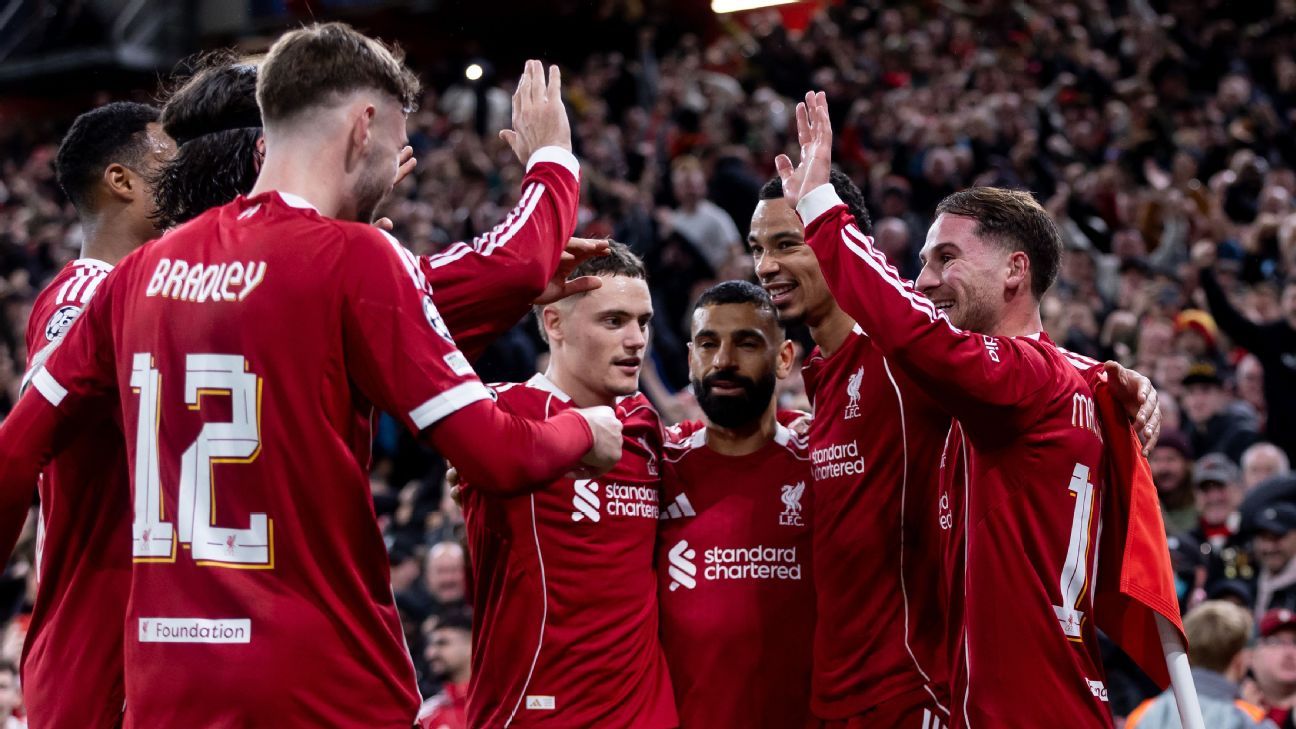
Liverpool came into the season as slight Premier League favorites, but it’s hard to remember a preseason favorite surrounded by so many question marks.
There was the tragic death of Diogo Jota — a not-to-be-quantified loss that affected and is still affecting the team in ways we can’t begin to understand. And then there was everything else, too.
Liverpool lost Trent Alexander-Arnold, perhaps the greatest passer of the ball to ever walk the Earth, to Real Madrid. The pressing-and-pirouetting prowess of Luis Díaz departed for Bayern Munich. The guaranteed chaos and chance creation of Darwin Núñez left for Saudi Arabia. Oh, and a number of reliable backups found new homes, too: Harvey Elliott to Aston Villa, Kostas Tsimikas to AS Roma, Jarell Quansah to Bayer Leverkusen and Caoimhín Kelleher to Brentford.
Of course, plenty of talent came the other way. Liverpool set the Premier League transfer record twice, first for Florian Wirtz from Bayer Leverkusen, then for Alexander Isak from Newcastle United. The seemingly Isak-esque Hugo Ekitike was signed from Eintracht Frankfurt. A pair of young new fullbacks joined: Wirtz’s Leverkusen teammate Jeremie Frimpong and AFC Bournemouth‘s Milos Kerkez. A gigantic teenage center back from Parma, Giovanni Leoni, signed to replace Quansah. And Kelleher’s replacement, Giorgi Mamardashvili, officially joined after a year on loan at Valencia.
For a team that moonwalked to a Premier League title and took the eventual UEFA Champions League winners to penalties last season, that’s a lot of turnover. We knew that the previous roster was good enough to win the league and compete for the European Cup. Given the reputations of the players acquired and Liverpool’s player-acquisition prowess, we could predict that the new roster would also be good enough to do both, but we couldn’t know it.
After five Premier League matches, it seemed like we knew the answer. Liverpool won all five and quickly built a five-point lead over second place, tied for the biggest lead at that point in the season in league history. And then, after nine games, we knew the new answer, which was the opposite of the first answer: they lost four straight matches for the first time in four years, and suddenly found themselves seven points back of league-leading Arsenal.
The season was over — and then they played their two best games of the season, a 2-0 victory over Aston Villa and a 1-0 smothering of a near-full-strength Real Madrid. While all of the new signings seemed to lay the foundation for the next version of Liverpool, the club might’ve turned a corner by going back to what they were doing last year.
How bad have Liverpool been so far?
Here’s how the Premier League stacks up by adjusted goal difference, my preferred team-strength metric: a blend of 70% xG and 30% goals.
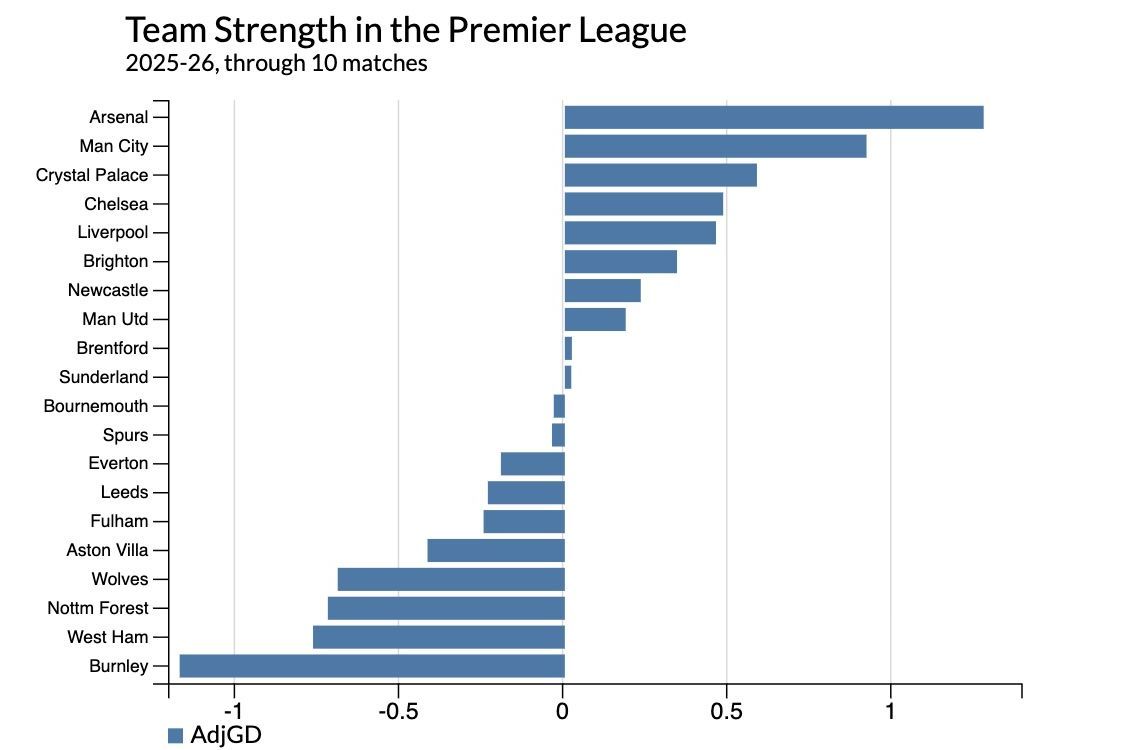
You’ve got Arsenal alone out front, then Manchester City alone in second, then Liverpool bunched up with a group of teams that includes Crystal Palace, Chelsea and Brighton & Hove Albion.
If we break that down by offense and defense, here’s how Liverpool compare across the past two seasons:
– Adjusted goals scored: 2.22 in 2024-25, 1.75 in 25-26
– Adjusted goals conceded: 1.04 in 2024-25, 1.29 in 25-26
If we cut out the final four games of last season, after Liverpool clinched the title and when the players and manager were partying in other countries instead of practicing, then Liverpool’s adjusted goals conceded drops down to 0.88.
Now, their schedule has been quite difficult. Per the betting-market-implied power ratings from Pitch Rank, Liverpool have played eight of the 12 best teams in the Premier League, and the two games against clubs outside the top 12 were both on the road.
But that’s still not enough to explain the gap between last year and this year. There’s simply been a significant decline — on both ends of the field.
What made them worse?
Given that the manager is still Arne Slot, it makes sense to look into the personnel changes as the main driver in the difference between this season and last season. Here’s the percentage of Premier League minutes played by all the departed players last season:
– Díaz: 70.1%
– Alexander-Arnold: 69.2%
– Jota: 35.0%
– Núñez: 33.1%
– Kelleher: 26.3%
– Tsimikas: 24.5%
– Quansah: 14.5%
– Elliott: 10.8%
And here’s how it looks for the new guys:
– Kerkez: 73.3%
– Wirtz: 67.4%
– Ekitike: 64.1%
– Mamardashvili: 40.0%
– Isak: 27.9%
– Frimpong: 9.6%
– Leoni: 0.0%
Beyond all of the ins and outs, there have been significant changes among the players who were on the team last season, too. Cody Gakpo has played 88% of the league minutes after featuring in little more than half of the minutes last year. Dominik Szoboszlai has played every minute after about three-quarters of the minutes last season. And Conor Bradley has leapt up to about half of the minutes after playing just over 20% last year.
And then, in the other direction, Andrew Robertson has seen the biggest fall-off: just over a quarter of the minutes after playing nearly 75% of the time last season. And while there are no other major downshifts, there have been a number of minor declines in the same area of the field. Midfielders Ryan Gravenberch (from 90-plus percent down to about 75%), Curtis Jones (half the minutes to just over a third), and Alexis Mac Allister (about 75%, down to just over 60%) have all been on the field less often.
So, broadly speaking, this new and significantly worse version of Liverpool has featured a number of different things: a left back other than Robertson; a full back other than Alexander-Arnold; a midfield frequently without Mac Allister, Jones or Gravenberch; Gakpo being the ever-present left winger; and a new center forward.
There’s always going to be a new center forward, and Alexander-Arnold isn’t walking through that door again after a brief return on Tuesday, but Liverpool’s return to form in the past two matches has coincided with changes to a bunch of those changes. Robertson started both matches; last season’s backup right back, Bradley, did the same on the other side. The midfield of Szoboszlai, Mac Allister and Gravenberch played every minute except for the few when Jones replaced Mac Allister against Madrid. And Gakpo only played about half of the minutes — or about as much as he did last season.
How much change is too much change?
If you look at Liverpool’s major personnel decisions over the past 10 months, they don’t really make a lot of sense together. They signed their two 30-plus superstars, Virgil van Dijk and Mohamed Salah, to big-money contract extensions. They weren’t able to keep their 27-year-old superstar, Alexander-Arnold. And then they signed outfield players this past summer who are currently 26, 24, 23, 22, 21 and 18.
In other words, they have two more years to get the most out of arguably the two best players at their positions in Premier League history. And they did just spend more money on transfer fees in a single window than any club in the history of the sport. However, the majority of that money went to players who still aren’t even in those prime years between 24 and 28 — Isak, 26, is the only one who really fits the Salah and Van Dijk timeline.
Instead, it seems like they tried to build the next great Liverpool team while also hoping that those players would all be able to contribute to the final years of the current great Liverpool team. But the foundation of even the strongest team can handle only so many changes at once.
Soccer is a game of interdependencies — little relationships all across the field that ultimately produce whatever it is that we think of as a team’s style or tactics.
2:01
Slot: An impressive win over an incredible Real Madrid side
Arne Slot heaps praise on Liverpool’s performance, especially Conor Bradley, following their crucial 1-0 win over Real Madrid in the Champions League.
Liverpool won the league last season with a more controlled approach than the one they had under Jürgen Klopp. They didn’t dominate field position as much as they had in the past, they didn’t press as aggressively, and they became a better defensive team despite allowing the opposition into their attacking third more often. They were also able to play this way because they had a generational passing talent in Alexander-Arnold, and the best player in the world for large stretches of the season in Salah — two players who can create the same number of opportunities even if you give them fewer possessions.
However, they were also able to play this way because of their midfield, the one area where Slot made a major personnel change by installing Gravenberch as a play-every-minute stalwart at the base. While you wouldn’t call any of the three midfielders elite passers or defenders, they were all good enough at just about every aspect of playing midfield: passing, moving, carrying, pressing and recovering. This allowed Liverpool to defend deep, press high, spring fast attacks or develop measured long-string possessions.
But then they lost Alexander-Arnold and his passing from deep. Salah got a year older. Wirtz came into the midfield and made it much more one-dimensional. Kerkez slid in as the new left back and while he can run, he’s nowhere near the passer Robertson is. Rather than being a sometimes contributor who mostly crashed the back post, Gakpo turned into a high-touch, high-volume winger as a starter. And whoever is playing up top now, neither one of them can press as well as Jota, Díaz or Núñez.
When you make one change — say, losing Alexander-Arnold — you can figure out how to account for it elsewhere on the field because everything else is staying the same. But Liverpool lost Alexander-Arnold, replaced Robertson, stopped using last season’s midfield, turned a backup winger into a starting winger, and completely revamped the center-forward spot — all at the same time.
It’s impossible to understand how all of those changes will affect each other, but the clear result was a team that both couldn’t control the ball like it used to and couldn’t defend like it used to. For all of the attacking talent on the field, Liverpool couldn’t work the ball into the final third as consistently as they did last season, so they generated fewer shots and fewer touches inside the box.
And then when they lost the ball, all the opposition had to do was hoof it long and profit. (Liverpool have faced 62 long balls per 90 minutes this season — a 15-pass increase since last season, and the most any team has faced in any of the past four Premier League campaigns.)
The lineup Slot used against Madrid, though, feels like the right amount of incremental change to keep this team competitive. This was against one of the five best teams in the world, and the performance was even better than the result:
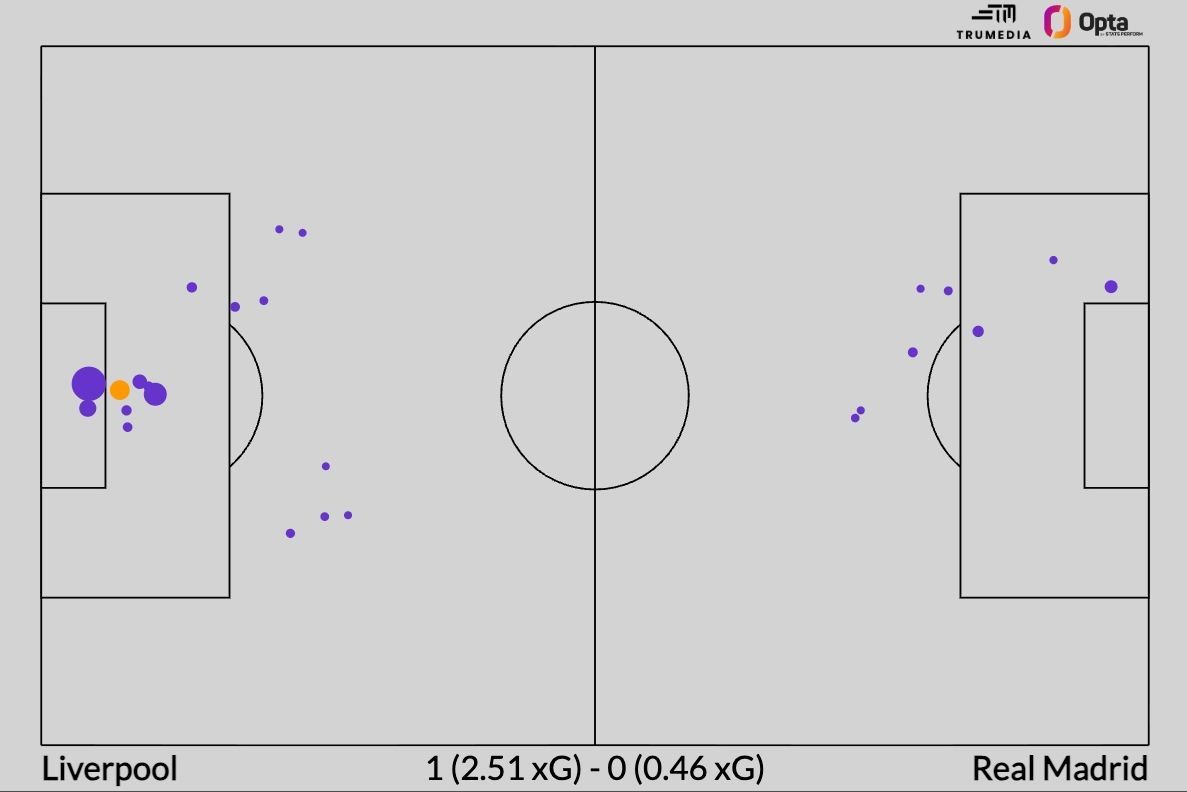
The midfield of Mac Allister, Szoboszlai and Gravenberch is the only area of the team where all of the players are at or right before their prime years. It was a strength last year and it should continue to be, especially with Szobszlai looking like he might now be one of the best players in the Premier League. That trio makes Liverpool just robust enough without the ball that they don’t have to totally dominate possession to stand a chance, but the group is also technical enough to dominate possession.
Across the back four, the center backs are automatic choices at this point. Perhaps because of the solidity provided by the midfield, Bradley had his two best games of the season — able to make runs forward to open up space for Salah, or to carry the ball forward as a means of ball progression. On the left, I’m not sure Robertson can play every game, but he remains a better option than Kerkez, who still is something of a wild card in possession and doesn’t complement Bradley quite as well on the other side.
Across the front three, Wirtz might not get the shots for himself that Gakpo does, but he’s so much more secure with the ball at his feet. Playing him as part of the midfield turns Liverpool into a much more open transition-fest; playing him in addition to the midfield makes the team even more secure with the ball and just opens up all kinds of new opportunities to create chances. It’s worth noting that Wirtz didn’t take a shot against Madrid, but he created five chances and was on the field for almost all 17 of Liverpool’s shots.
While Salah likely will never replicate what he did last season, he has shown some signs of life over the previous two matches, too. After attempting 19 take-ons and completing just four over the first 11 Premier and Champions League games, he attempted 18 and completed 10 against Madrid and Villa. Last year, Liverpool’s pass maps were heavily slanted toward Salah and Alexander-Arnold. Maybe what we saw on Tuesday is what’s needed to get the most out of Salah from here on out:
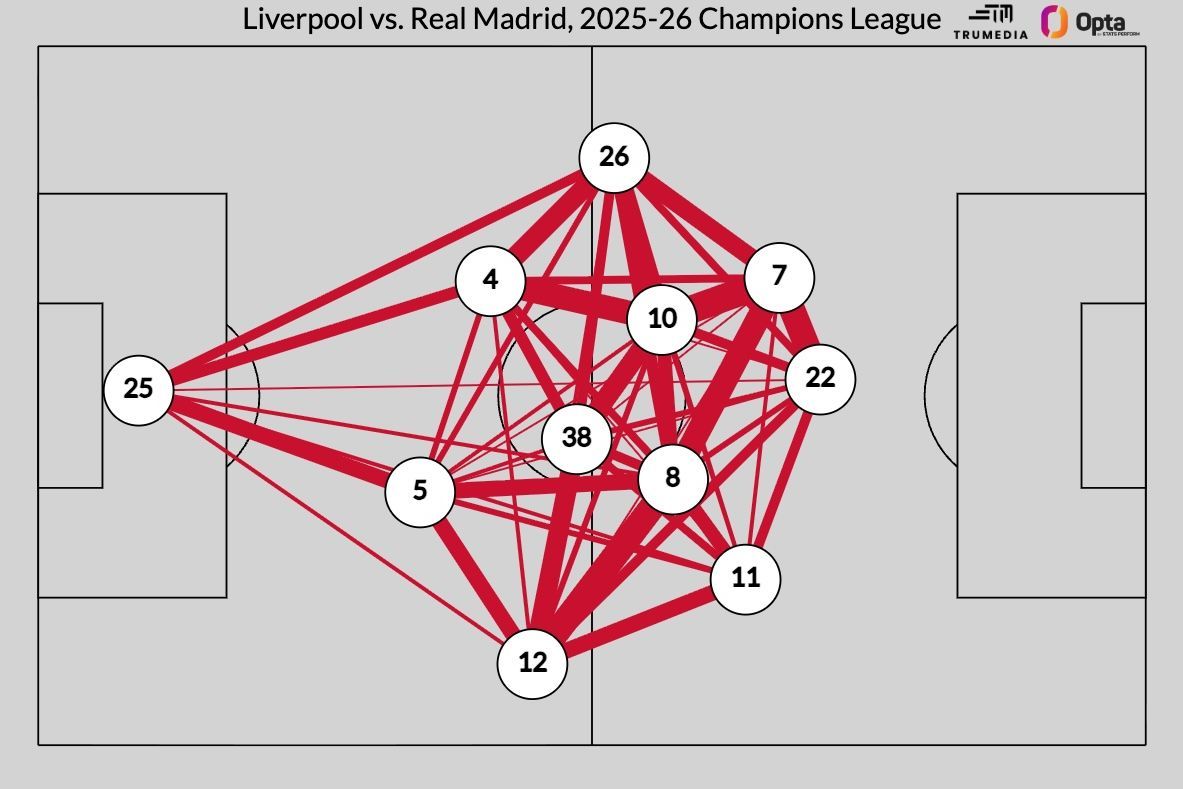
Now, this isn’t to say that all is fixed. It’s only two games. The team still seems über reliant on the presence of Gravenberch to make the midfield work. Frimpong would be a totally different proposition than Bradley, who hasn’t been able to stay healthy so far in his young career. It’s November and Salah’s attacking output is half of what it was last season. This setup squeezes out either Isak or Ekitike, and who knows what’ll happen if Van Dijk or Ibrahima Konaté get injured.
On top of that, Villa and Madrid really didn’t test Liverpool’s apparent weakness against the long ball. And it’s unlikely that Manchester City will either on Sunday.
But the team we’ve seen in the past couple of games just makes way more sense than what we saw over the first three chaotic months of the season. That was a completely different team than the one that did so well last year. And while this current iteration does still feel different, it’s more of an evolution from last season, rather than something totally new.
I doubt, too, that this is what anyone at the club had in mind come the end of the summer. Otherwise, well, we probably would’ve seen some version of this XI from the jump. You don’t sign two strikers and an attacking midfielder if your long-term plan is to play a formation where the attacking midfielder slot is already occupied and there’s room for only one forward. This setup only really has room for two of the five new outfield signings. But the reality of the situation is that Salah and Van Dijk are still on the team, the midfield Slot chose last season was too good to break up, and it was really hard to watch Tuesday’s match and not see a group of 11 players who could challenge for another Champions League title.
So, for now, Liverpool might have to look backward in order to go forward. There’s a new version of this team hidden somewhere inside this roster, one that gets most of the new guys on the field together and plays at a high level. But it’s already November, and we still haven’t seen it.
As for the team that played against Madrid? We already know most of them are good enough.
NEWYou can now listen to Fox News articles!
The 2026 INDYCAR season has already delivered stellar moments, even before “The Greatest Spectacle in Racing.”
That highly anticipated race happens on Sunday, May 24, with the 110th Running of the Indianapolis 500.
Coverage for the Indy 500 begins at 10 a.m. ET.
You can watch the Indy 500 pre-race and race broadcasts on FOX and stream the broadcasts on FOX One, FOX Sports.com and the FOX Sports App.
Ahead of all the action, we’ve rounded up the best drivers to grace the course.
Here are the 10 best Indianapolis 500 drivers of all time.
10 Best Indy 500 Drivers Of All Time
10. Dario Franchitti
Although he had one of the shorter Indy 500 careers on this list, Franchitti managed to compile some impressive results. He earned three victories at the track between 2007-2012. Moreover, he added three other top-10 finishes to his name despite participating in just 10 races. His best stretch was when he claimed six top-seven finishes in seven attempts from 2005 and 2012.
9. Arie Luyendyk
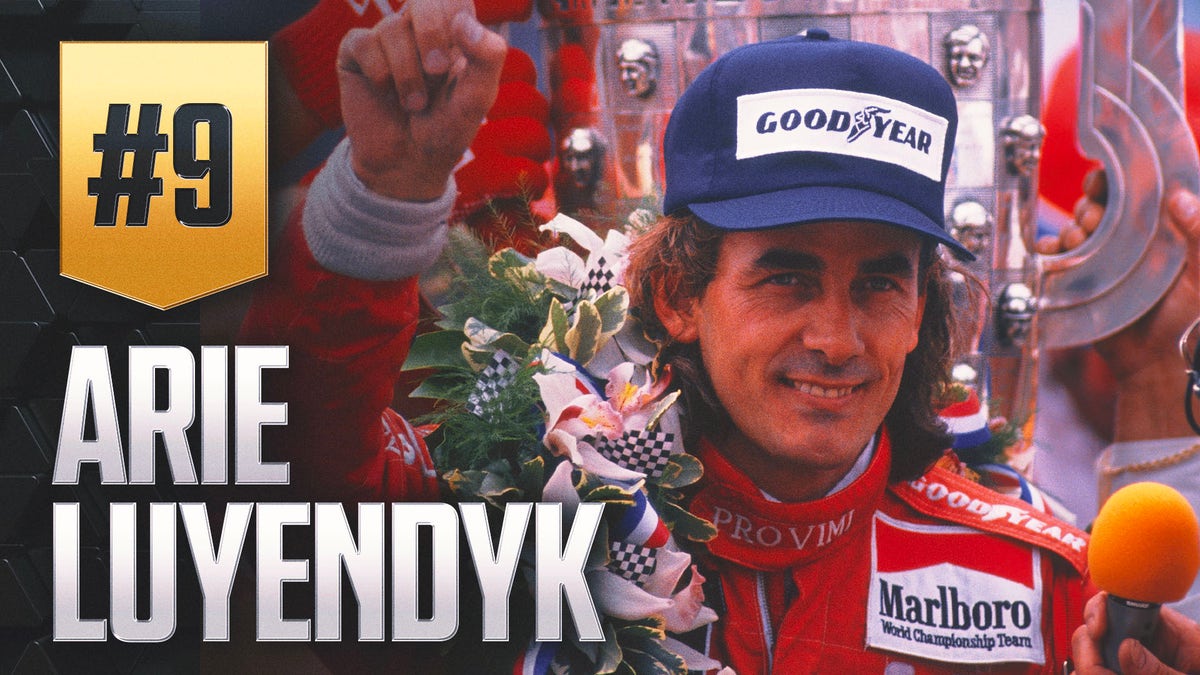
Luyendyk won the Indy 500 twice, but it was a mixed bag overall. He raced in the event every year from 1985 to 2002 and withdrew in 2003, but he finished outside the top 10 in 10 different races. Still, few can match the success he found, with seven top-10 finishes at Indianapolis Motor Speedway.
8. Louis Meyer
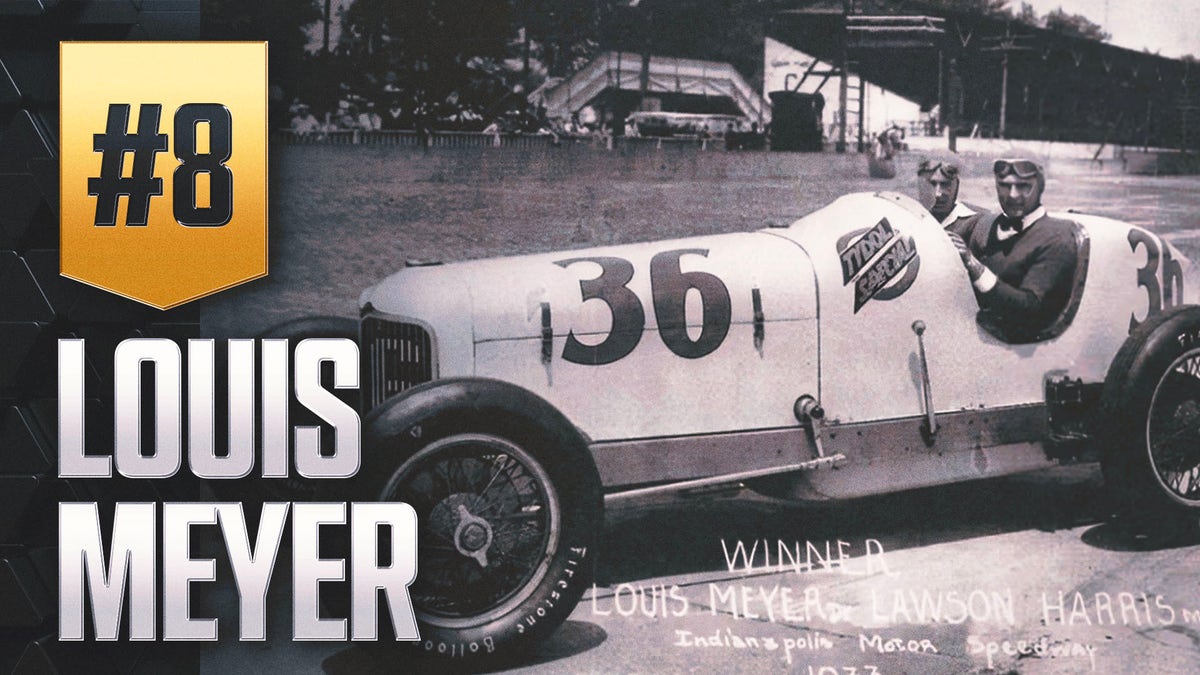
The first three-time winner in the race’s history, Meyer is one of the top drivers who isn’t talked about nearly enough. He had a truly remarkable race in 1936, becoming just the second racer in history — and last — to win the Indy 500 from a starting position of 28th or lower. Meyer grabbed first and second, respectively, in his first two tries in Indianapolis.
7. Bobby Unser
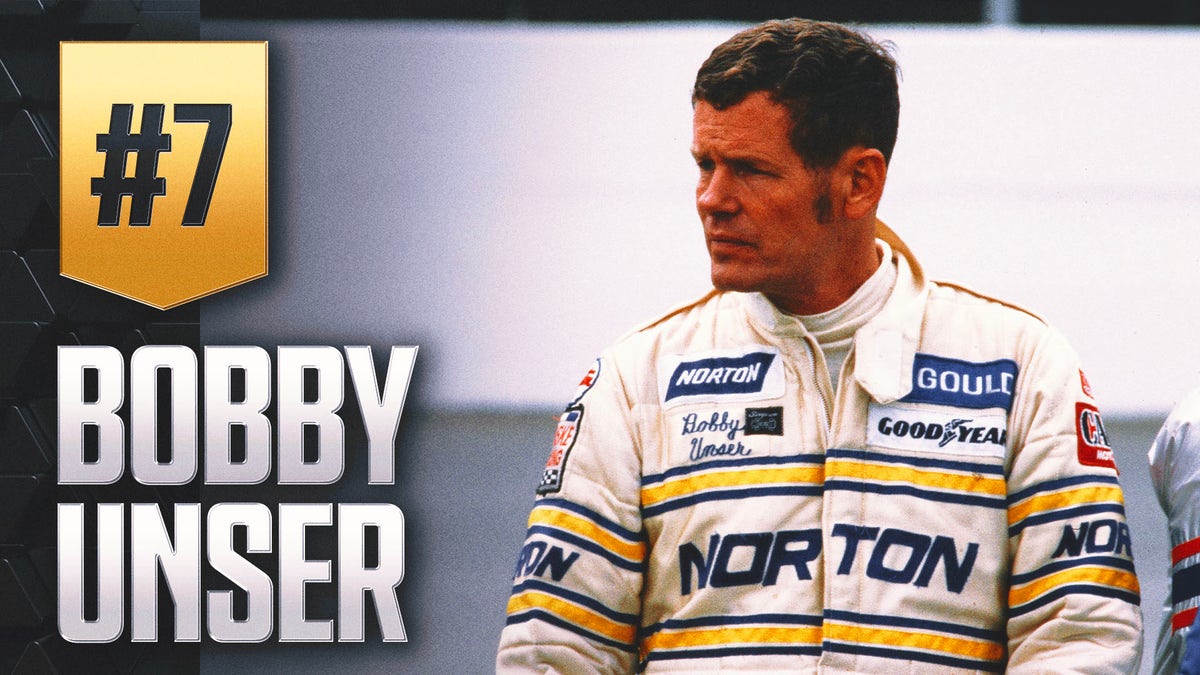
It’s not how you start, it’s how you finish. Never has that been more true than with Unser, who had just one top-10 finish in his first four tries at Indy. However, Unser would eventually win the Indy 500 three times (1968, 1975 and 1981). In his last four starts, he had three top-six finishes, including winning the event on his last time at the track at age 47.
6. Johnny Rutherford
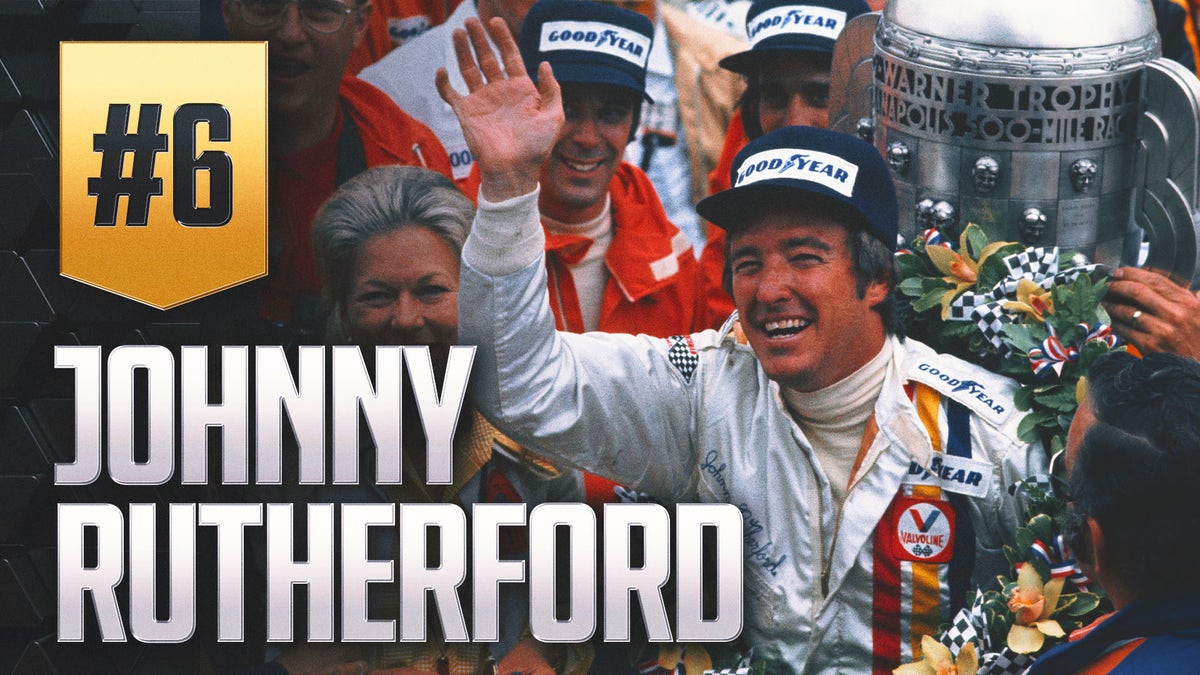
Another three-time Indy 500 winner, Rutherford claimed his victories between 1974 and 1980. Rutherford had a bit of a slow start to this race, finishing 18th or lower in each of his first nine times at the track. He then turned in four straight top-10 finishes, including winning in 1974 and 1976 and grabbing second in 1975.
5. Wilbur Shaw
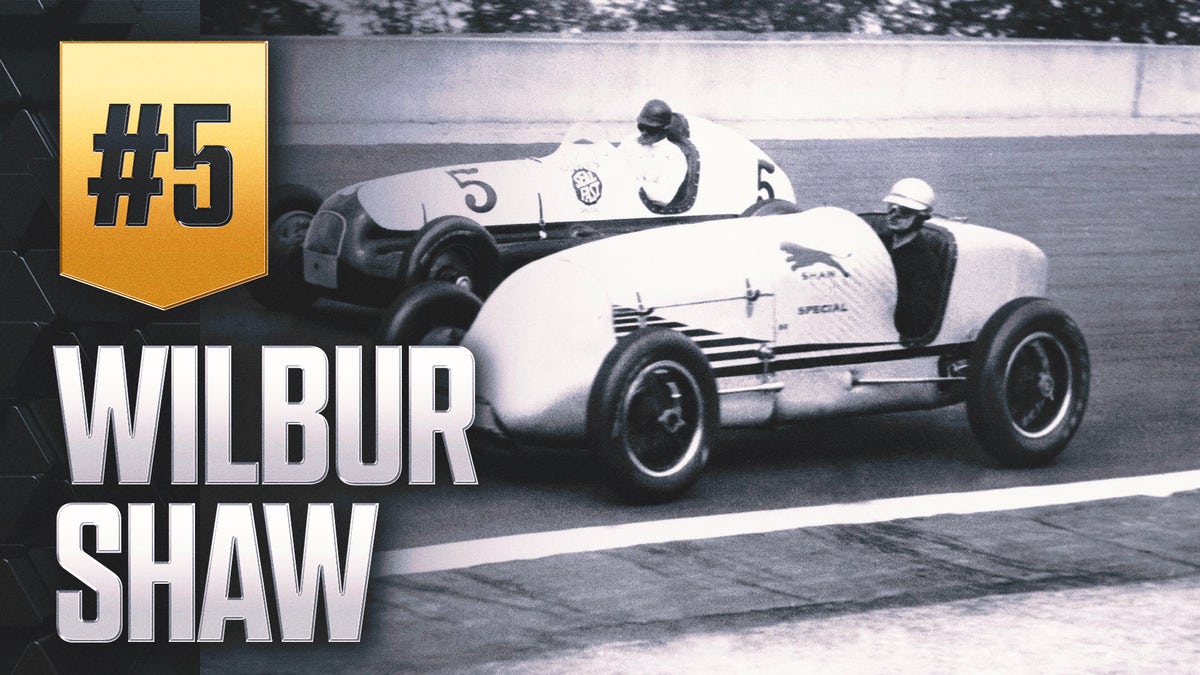
As good as Rutherford’s three-year stretch was, Shaw one-ups him with his bonkers four-year run. From 1937 to 1940, Shaw placed first, second, first and first. A run like that automatically vaults you into the top five in the history of the Indy 500. Before that, it had been an up-and-down race for Shaw, but you cannot overlook just how dominant he was overall, with three victories and seven top-five finishes.
4. Helio Castroneves
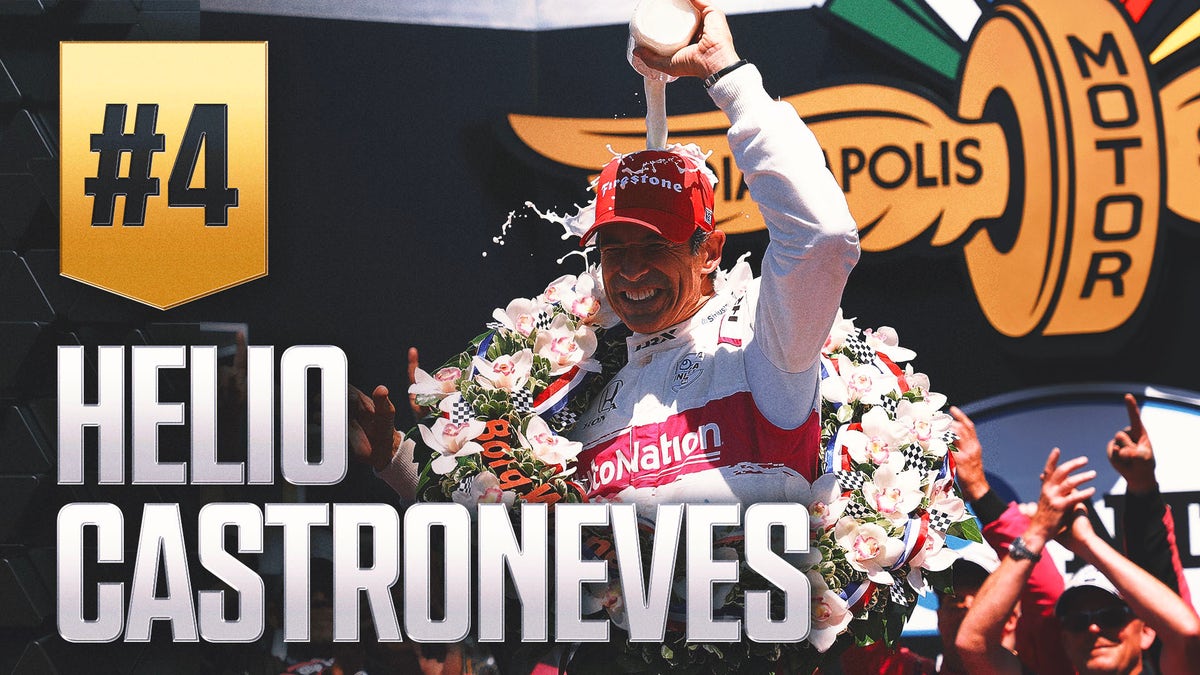
Castroneves is the first of four drivers on this list tied for the most wins (four) at the Indy 500. He earned his most recent victory in 2021, while his previous three wins came between 2001 and 2009. He’s also one of just six drivers to claim back-to-back Indy 500 victories, doing so in 2001 and 2002. Perhaps the most remarkable part of his driving career at IMS is the fact that he owns the record for the longest span between his first and last win — 20 years.
3. Al Unser Sr.
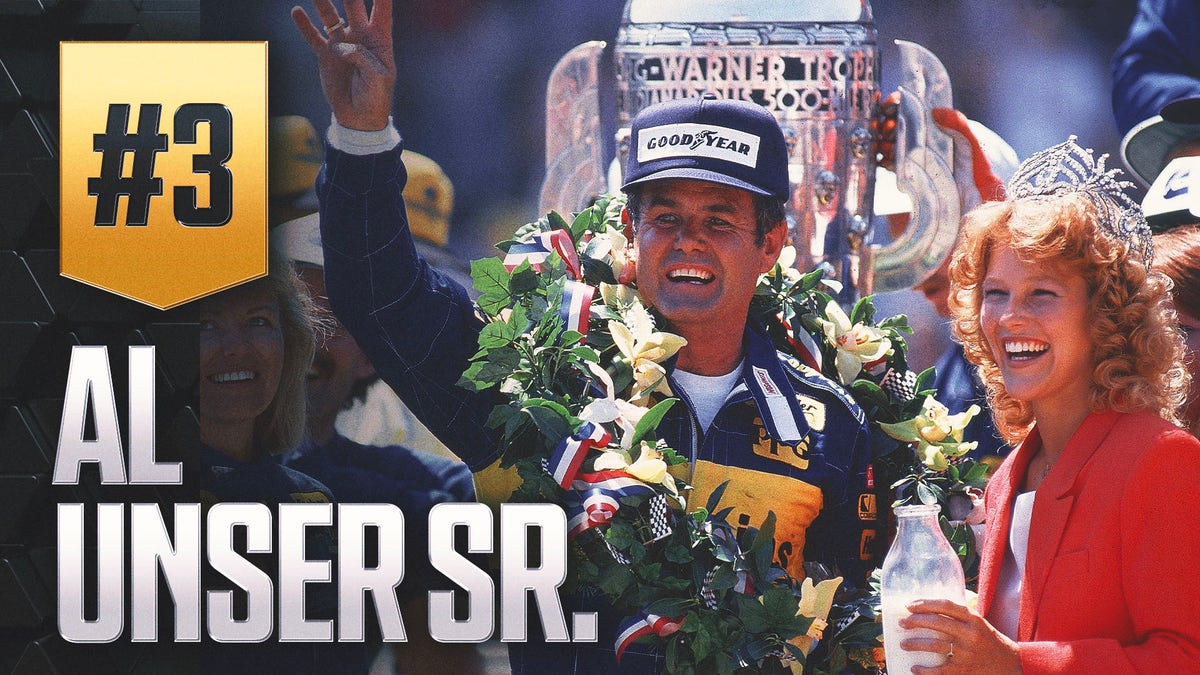
Unser isn’t just tied for the most Indy 500 wins, claiming his four in 1970, 1971, 1978 and 1987. He’s also the oldest winner ever at 47 years, 360 days old, slightly edging out his brother, Bobby. In his second-to-last race at IMS in 1992, Unser finished in third, while his son, Al Unser Jr., was the winner.
2. A.J. Foyt

Foyt is undoubtedly deserving of one of the top spots on this list as the first four-time winner in the race’s history, finishing in first place in 1961, 1964, 1967 and 1977. Most impressive about his career in Indy, though, is that Foyt has the most starts there of any driver (35), including racing in every single one from 1958 to 1992.
1. Rick Mears
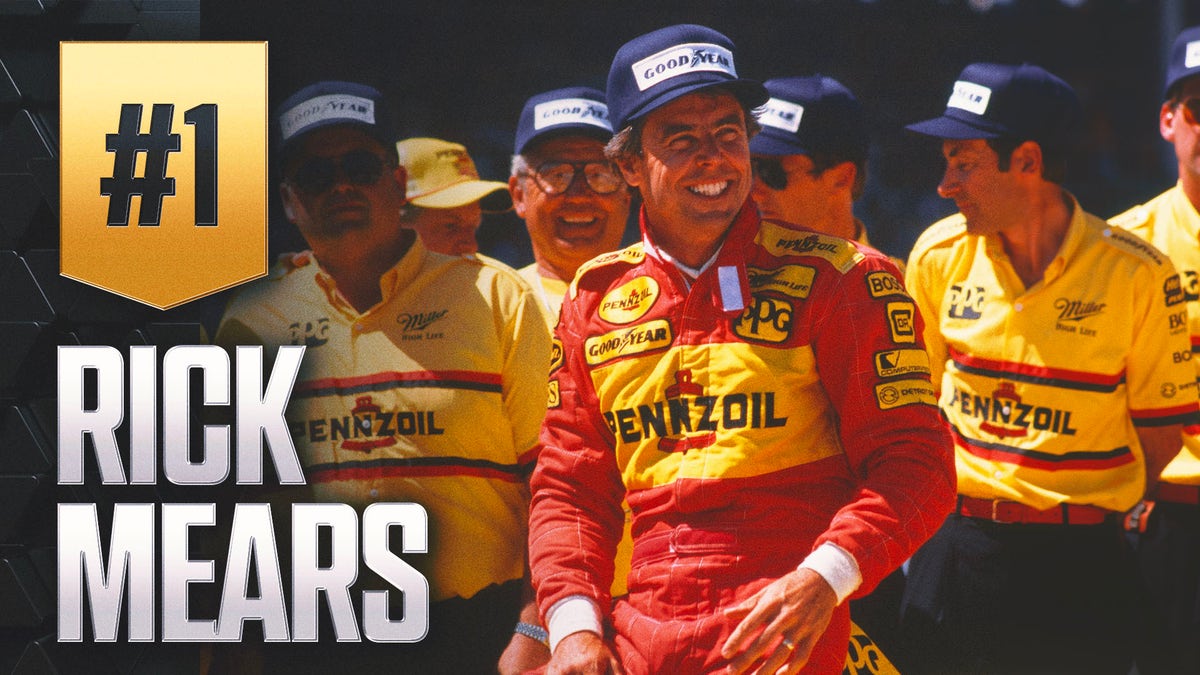
The other driver tied for the most wins at IMS, Mears dominated in Indy. He started 11 times on the front row, with six of those times coming consecutively from 1986 to 1991 — both of which are records at the track. He has also claimed a record six pole positions at the event and is one of just 12 racers to earn back-to-back pole positions.
Check out all of our Daily Rankers.
US airports ramp up Ebola screenings amid Africa outbreak
Health officials at U.S. airports are implementing enhanced Ebola screenings for travelers arriving from Congo, Uganda and South Sudan. The Centers for Disease Control (CDC) is working with airlines to identify possible exposures following over 130 deaths and nearly 600 suspected cases in Africa. Secretary of State Marco Rubio has criticized the response efforts of the CDC and World Health Organization (WHO).
NEWYou can now listen to Fox News articles!
Congo is dealing with an outbreak of Ebola, and executive director of the White House Task Force for the World Cup Andrew Giuliani said the Congolese national soccer team must isolate if they want to enter the United States for the global tournament.
The U.S. has told FIFA, the Congolese government and national soccer team, that they must isolate for 21 days in order to enter the country for the World Cup. The team is currently training in Belgium and is scheduled to play two warmup games there.
“We’ve been very clear to Congo that they should maintain the integrity of their bubble for 21 days before they can then come to Houston on June 11,” Giuliani told ESPN. “We’ve made it very clear to the Congo government as well that they need to maintain that bubble or they risk not being able to travel to the United States. We cannot be any clearer.”
CLICK HERE FOR MORE SPORTS COVERAGE ON FOXNEWS.COM
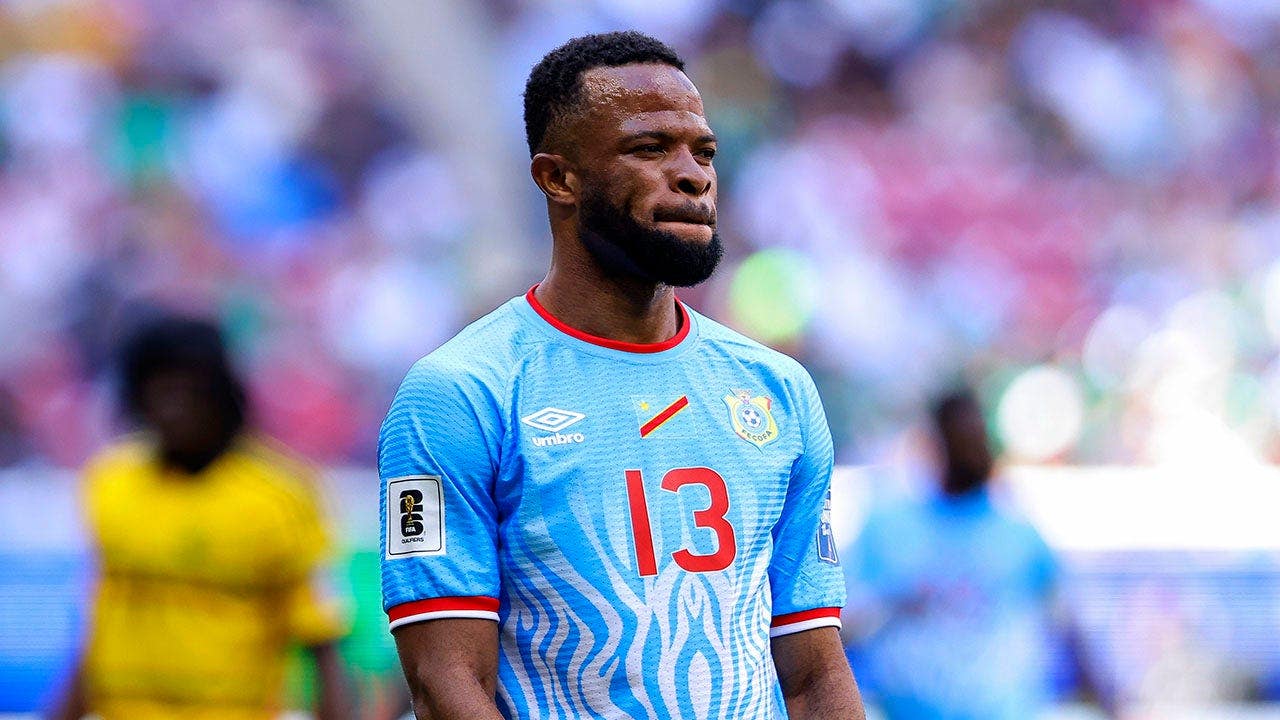
Meschack Elia of Congo reacts during the FIFA World Cup 2026 Play-Off final match between Congo DR and Jamaica at Estadio Guadalajara in Zapopan, Mexico, on March 31, 2026. (Agustin Cuevas/Getty Images)
“We want to make sure that there is nothing that’s going to come in or near our borders here on this,” he said.
The Centers for Disease Control and Prevention has been monitoring two American doctors who were in quarantine in Europe after being exposed to Ebola, Giuliani said. He said they have discussed sending staff to Belgium to check on the Congo team.
In Congo last week, they had a confirmed outbreak of Bundibugyo, a rare type of Ebola. It is thought to have killed more than 130 people, with nearly 600 suspected cases.
ZERO BS. JUST DAKICH. TAKE THE DON’T @ ME PODCAST ON THE ROAD. DOWNLOAD NOW!
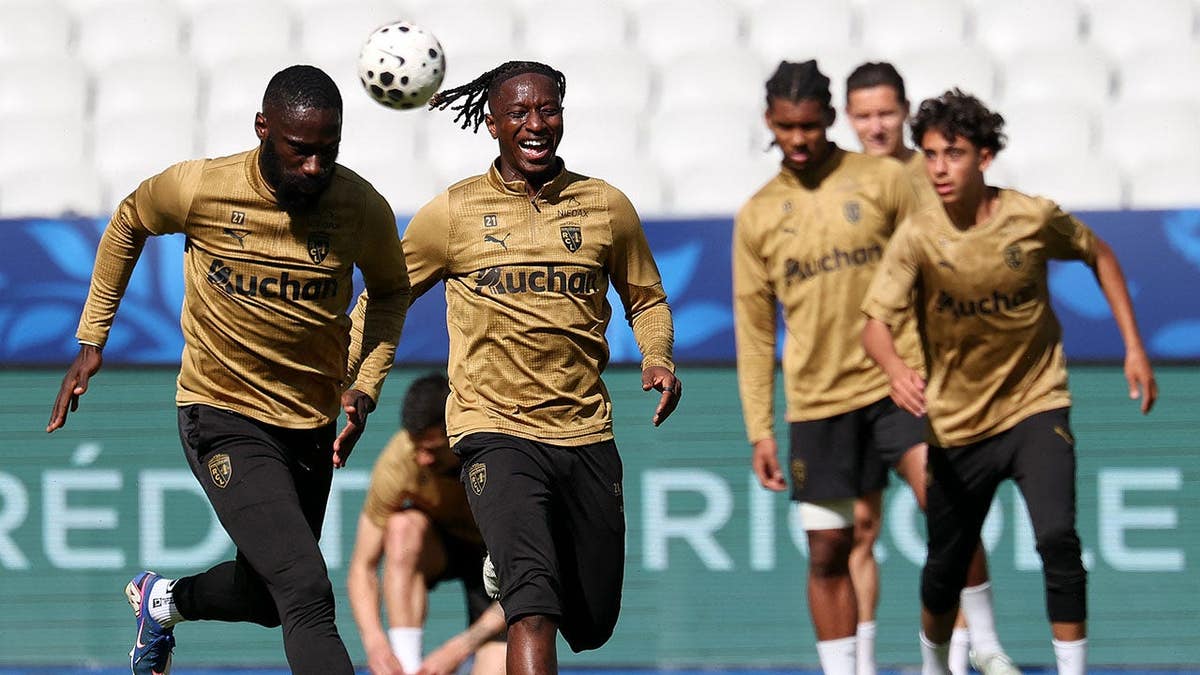
Lens’ DR Congo defender Arthur Masuaku and Malian midfielder Amadou Haidara attend a training session at Stade de France stadium in Saint-Denis on May 21, 2026, ahead of the French Cup final against Nice on May 22, 2026. (Franck Fife/AFP)
“If there are other people that are going to be coming in, they need to have a separate bubble from that team. If they end up coming, and any of those people end up symptomatic, they are risking the entire team being able to come and compete in this World Cup,” Giuliani said.
The CDC announced this week that all foreign nationals who had been in Congo, Uganda and South Sudan within the past three weeks would be banned from entry into the United States for 30 days.
CLICK HERE TO DOWNLOAD THE FOX NEWS APP
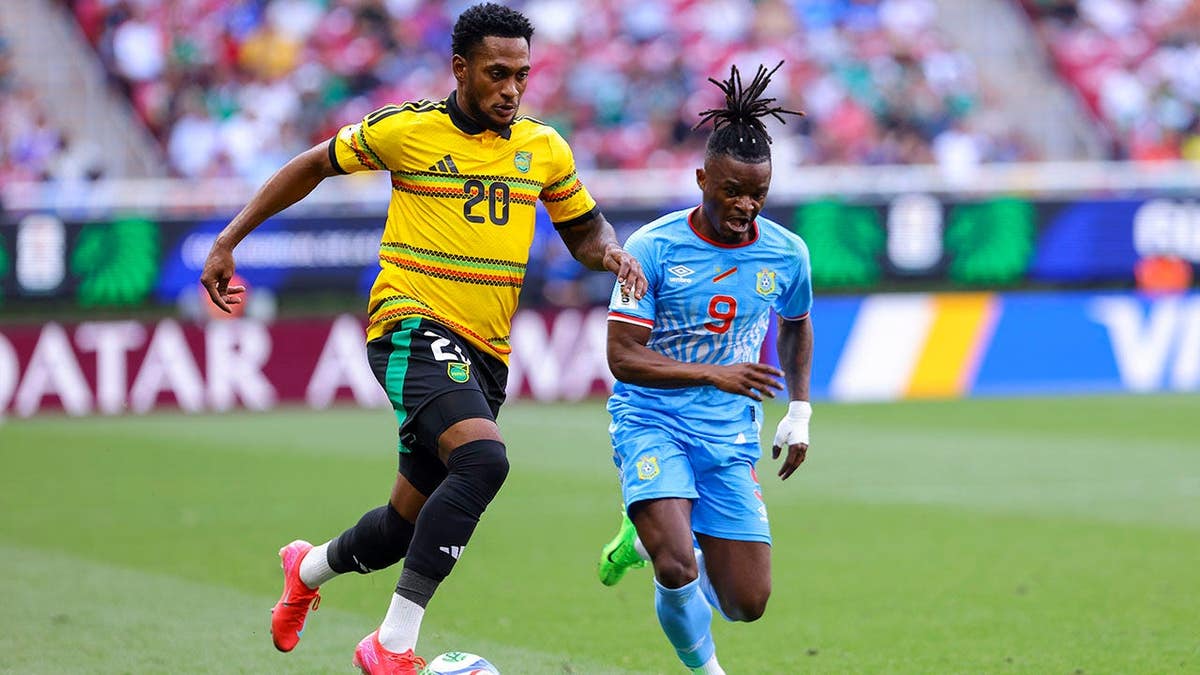
Renaldo Cephas of Jamaica and Brian Cipenga of Congo compete for the ball during the FIFA World Cup 2026 play-off final at Estadio Guadalajara in Zapopan, Mexico, on March 31, 2026. (Agustin Cuevas/Getty Images)
The Congo canceled a planned farewell by the team to fans and a three-day World Cup preparation training camp on Wednesday.
Congo is in Group K and is scheduled to play Portugal in their opening game in Houston on June 17. Their next two games are against Colombia in Guadalajara, Mexico, on June 23, and Uzbekistan in Atlanta on June 27.
Follow Fox News Digital’s sports coverage on X, and subscribe to the Fox News Sports Huddle newsletter.

NEWYou can now listen to Fox News articles!
Two-time NASCAR Cup Series champion Kyle Busch died Thursday from complications related to “severe pneumonia [that] progressed into sepsis,” according to a family statement obtained by FOX Sports on Saturday.
“The medical evaluation provided to the Busch Family concluded that severe pneumonia progressed into sepsis, resulting in rapid and overwhelming associated complications,” the statement, according to FOX Sports’ Bob Pockrass, read.
This is a breaking news story. Check back for updates.
Follow Fox News Digital’s sports coverage on X, and subscribe to the Fox News Sports Huddle newsletter.


Selena Gomez’s new adult film role leaves fans curious about Benny Blanco’s reaction

White House locked down after shooting involving Secret Service, suspect killed

Who is Elon Musk’s ex Ashley St Clair? Inside her reported eviction battle

-

 Entertainment1 week ago
Where Pete Davidson, Elsie Hewitt stand after breakup: Details revealed
-

 Entertainment1 week ago
Emilia Clarke recalls near-death incident while filming ‘Game of Thrones’
-

 Politics1 week ago
Rising diesel costs from Iran war strain US school budgets
-

 Politics1 week ago
UK’s Starmer faces survival battle as potential rivals circle
-
 Entertainment1 week ago
Drake drops highly anticipated "Iceman" album, plus two surprise albums
-

 Tech1 week ago
Greg Brockman Officially Takes Control of OpenAI’s Products in Latest Shakeup
-

 Tech7 days ago
Why Is Your Grill So Dumb? The Best Grills Set Temp Like an Oven
-
 Business1 week ago
UK borrowing costs rise and pound falls as leadership drama continues