

Tech
The Government Shutdown Is a Ticking Cybersecurity Time Bomb


Amid a government shutdown that has dragged on for more than five weeks, the United States Congressional Budget Office said on Thursday that it recently suffered a hack and moved to contain the breach. CBO provides nonpartisan financial and economic data to lawmakers, and The Washington Post reported that the agency was infiltrated by a “suspected foreign actor.”
CBO spokesperson Caitlin Emma told WIRED in a statement that it has “implemented additional monitoring and new security controls to further protect the agency’s systems” and that “CBO occasionally faces threats to its network and continually monitors to address those threats.” Emma did not address questions from WIRED about whether the government shutdown has impacted technical personnel or cybersecurity-related work at CBO.
With increasing instability in the Supplemental Nutrition Assistance Program (SNAP) leaving Americans hungry, air traffic control personnel shortages disrupting flights, financial devastation for federal workers, and mounting operational shortages at the Social Security Administration, the shutdown is increasingly impacting every corner of the US. But researchers, former and current government workers, and federal technology experts warn that gaps in foundational activities during the shutdown—things like system patching, activity monitoring, and device management—could have real effects on federal defenses, both now and for years to come.
“A lot of federal digital systems are still just running in the cloud throughout the shutdown, even if the office is empty,” says Safi Mojidi, a longtime cybersecurity researcher who previously worked for NASA and as a federal security contractor. “If everything was set up properly, then the cloud offers an important baseline of security, but it’s hard to rest easy during a shutdown knowing that even in the best of times there are problems getting security right.”
Even before the shutdown, federal cybersecurity workers were being impacted by reductions in force at agencies like the Department of Homeland Security’s Cybersecurity and Infrastructure Security Agency—potentially hindering digital defense guidance and coordination across the government. And CISA has continued cutting staff during the shutdown as well.
In a statement, spokesperson Marci McCarthy said “CISA continues to execute on its mission” but did not answer WIRED’s specific questions about how its work and digital defenses at other agencies have been impacted by the government shutdown, which she blamed on Democrats.
The government’s transition to the cloud over the last decade, as well as increased attention to cybersecurity in recent years, does provide an important backstop for a disruption like a shutdown. Experts emphasize, though, that the federal landscape is not homogenous, and some agencies have made more progress and are better equipped than others. Additionally, missed and overlooked digital security work that accumulates during the shutdown will create a backlog when workers return that could be difficult to surmount.











Tech
‘Uncanny Valley’: Iran’s Threats on US Tech, Trump’s Plans for Midterms, and Polymarket’s Pop-up Flop

Kate Knibbs: So, you went twice?
Makena Kelly: Yes, Kate. I went twice.
Kate Knibbs: I missed that.
Zoë Schiffer: Wait, is the Pentagon Pizza thing a joke about the pizza predicting the war?
Makena Kelly: Yeah.
Zoë Schiffer: Oh, my God.
Makena Kelly: Because they had these Pentagon pizza trackers up. When I returned the second night, yes, I came back the second night. Everything was working for the most part. There were still some screens that were turned off, but I never saw any actual Bloomberg terminals. There were some monitory Bloomberg type terminal things that it looked like Polymarket had developed themselves, but the real $50,000 Bloomberg terminal was nowhere to be found. And yeah, the second night, again, it was mostly people looking to gawk at the event, except I did find a couple of people who placed some bets on platforms like Polymarket and Kalshi. One was named William, and he said he was a member of the military, wouldn’t give me his full name. And he last year got involved in this for the first time by putting in, I think, all of his tax return into Oklahoma City sports betting.
Makena Kelly, archival audio: So, you used Kalshi?
William, archival audio: Yes.
Makena Kelly, archival audio: When did you first start using the service?
William, archival audio: Probably when I got my tax return back.
Makena Kelly, archival audio: OK.
William, archival audio: So, I filed my taxes pretty early and I was like, “Oh, sweet. I got my tax return. What am I going to do with it?” So, I was like, “I’m going to just put it on Kalshi.”
Makena Kelly: He said that he goes up and down 100 dollars, but he hasn’t made any major winnings. Some of the stuff that we’ve heard. Some people making crazy insider bets making millions and millions of dollars. This is just a guy who was interested in this and just plays it for fun, it sounds like.
Brian Barrett: Kate, what do you see when you see a pop-up like this and Polymarket trying to—is it an attempt to legitimize itself to just a marketing stunt? And how does it tie into what you’re seeing with these companies anyway, that there’s the explosive growth that they’ve got trying to reach out to so many people and getting so many people hooked on what they’re offering?
Kate Knibbs: I mean, this particular event definitely seems like a very bald effort to woo DC-based journalists, if nothing else. One thing that Makena said sort of encapsulates what’s going on right now, the thing about the guys in the Palantir hoodies. So, I think it was the same week that this bar opened. Polymarket announced a partnership with Palantir and Palantir is helping them protect the integrity of their sports market. So, Palantir is going to be basically attempting to help Polymarket catch insider traders and market manipulators in all the sports games, which is kind of wild. I actually asked Polymarket last week whether they had any other deals with Palantir when I was trying to get them to say anything about whether they were investigating the Iran bets that have been raising a lot of eyebrows. And they said that Palantir was only helping them with sports, which I thought was freaking weird. And it speaks to how they’re rapidly expanding, but doing so in this really messy ad hoc way that doesn’t really make a lot of sense. Because I was like, “If you’re going to get Palantir involved, why wouldn’t you have them do this geopolitical stuff instead of March Madness?” Yeah, wild, wild times.

On the hunt for a new Android smartphone? Amazon currently has the 128GB Pixel 10 in Obsidian marked down to just $649, $150 off its usual price. It’s one of our favorite Android smartphones, particularly for users who take a lot of photos.
-
Photograph: Julian Chokkattu
-
Photograph: Julian Chokkattu
-
Photograph: Julian Chokkattu
-


Pixel 10, Pixel 10 Pro, and Pixel 10 Pro XL
The biggest advantage to a Pixel over other Android smartphones is that you get the latest features from Google as soon as they’re available, often before other brands implement them. There are special camera modes that let you stitch together multiple group shots, or help you improve the angle and lighting with helpful tips. You’ll also find novel features like real-time translations and spam call screening, and Google even figured out how to let you AirDrop files with iOS users.
All of that functionality is powered by some of the better hardware you can find in an Android phone. The Pixel 10 sports a 6.3-inch OLED display with a 120Hz refresh rate for gaming and smoother scrolling. The Tensor G5 is a step up from the 10a’s Tensor G4 chip, and sports 12 GB of memory for better performance. They even support Qi2 wireless charging, making them compatible with existing MagSafe accessories.
While the Pixel 10a will satisfy most folks, the Pixel 10 offers a variety of upgrades over the more basic model, most of which pertain to the cameras and image processing. The rear camera has a proper 5X optical zoom, letting you nail those nature shots without scaring the wildlife, and the front camera sports auto-focus, which will make your big group selfies less of a headache. Oddly, the battery is actually a bit smaller in the Pixel 10, but neither disappointed us when it came to longevity.
If you’re sold on the Pixel 10, I spotted the discounted $649 price point for the 128 GB model in both Obsidian and Lemongrass, or $749 in Indigo. If you need more storage, the Obsidian and Frost colors were both marked down to $749 for the upgraded 256 GB version. If you’re wondering what other Android smartphones we like, make sure to check out our in-depth guide with picks from Google, Samsung, and OnePlus.
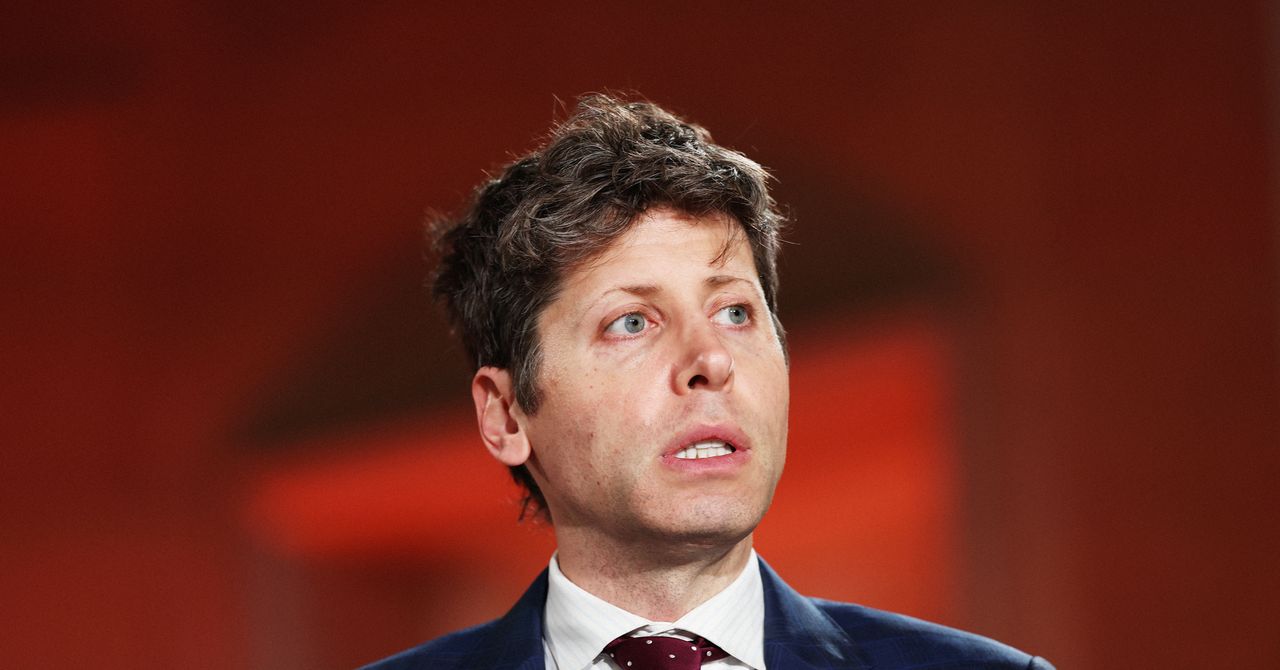
OpenAI announced Thursday that it had acquired the online business talk show TBPN for an undisclosed sum. The move comes as OpenAI struggles with its public image, which has taken a significant hit in recent months.
Since launching in 2024, TBPN has risen in popularity among Silicon Valley circles by offering a daily live stream about the technology industry that’s seen as more tech-friendly than traditional outlets. The show’s two hosts, John Coogan and Jordi Hays, offer real-time commentary on breaking news, cycle through viral social media posts, and interview executives from companies including Meta, Salesforce, Palantir and OpenAI. It’s become especially popular among OpenAI staff and other AI researchers, many of whom are addicted to the social media platform X.
It’s hard to understand how a media startup fits into OpenAI’s core businesses selling ChatGPT, Codex, and a new super app the company is developing to consumers and enterprises. Last month, OpenAI’s CEO of Applications, Fidji Simo, told staff in an all hands meeting that the company needed to cancel its side projects and refocus around its core businesses.
In a memo to staff announcing the acquisition, Simo said the typical communications playbook does not apply to OpenAI. “We’re not a typical company,” she said in the memo, which was also published as a blog. “We’re driving a really big technological shift. And with the mission of bringing AGI to the world comes a responsibility to help create a space for a real, constructive conversation about the changes AI creates—with builders and people using the technology at the center.”
TBPN is a small business compared to OpenAI. The media firm says it generated $5 million in ad revenue last year, and was on track to make more than $30 million in revenue in 2026, according to the The Wall Street Journal. The show reportedly reaches around 70,000 viewers per episode across a variety of platforms. A source close to OpenAI says the company doesn’t expect TBPN to contribute financially to the business, though it will help with OpenAI’s communications strategy.
OpenAI has fallen under increased public scrutiny in recent months. After the company signed a deal with the Department of Defense in February, Anthropic’s Claude surged in downloads and claimed the top spot among Apple’s free apps. OpenAI’s leaders are also dealing with a growing QuitGPT movement which is made up of people who vow to never use OpenAI’s products. OpenAI President Greg Brockman cited AI’s popularity issues as a core reason for his increased political spending.
The acquisition makes OpenAI the latest Silicon Valley player to try owning and operating a news business. In recent decades, there have been several notable examples of technology leaders purchasing media firms, including Jeff Bezos buying The Washington Post, Marc Benioff buying Time Magazine, and Robinhood buying the newsletter company MarketSnacks. In each case, the acquisitions raised immediate questions about whether the outlets would remain truly independent. In her memo, Simo told staff that TBPN will retain editorial independence.
“TBPN is my favorite tech show. We want them to keep that going and for them to do what they do so well,” said OpenAI CEO Sam Altman in a post on X. “I don’t expect them to go any easier on us, [and I] am sure I’ll do my part to help enable that with occasional stupid decisions.”
OpenAI said TBPN will continue to “run their programming, choose their guests, and make their own editorial decisions,” according to Simo’s memo The company also said that TBPN will report directly to OpenAI’s VP of global affairs, Chris Lehane. WIRED previously reported how an economic research team under Lehane had struggled to report on AI’s negative impacts on the economy.


Transfer rumors, news: Four Premier League clubs want Rogers

Video: Skilled Foreign Workers Think About Leaving the U.S.

Josie Gibson opts for oxygen therapy over designer bags in bold self care move

-

 Fashion1 week ago
Ho Chi Minh City bizs adjust production plans, seek new supply chains
-

 Entertainment7 days ago
Lee Sang-bo dies at 45: Funeral details revealed
-

 Sports7 days ago
Illinois defense gets tough, ousts Houston to reach Elite Eight
-

 Fashion6 days ago
EU apparel imports slump 15.48% YoY in Jan; Bangladesh hardest hit
-

 Fashion1 week ago
India’s Gen Z to drive half of fashion market by 2030: Reedseer
-

 Sports5 days ago
2026 NCAA men’s hockey tournament: Schedule, results
-
 Business7 days ago
How do you spot a fake online review?
-
 Business1 week ago
Co-op boss quits after ‘toxic culture’ claims reported by BBC