

Tech
The importance of upgrading to the latest Windows operating system | Computer Weekly

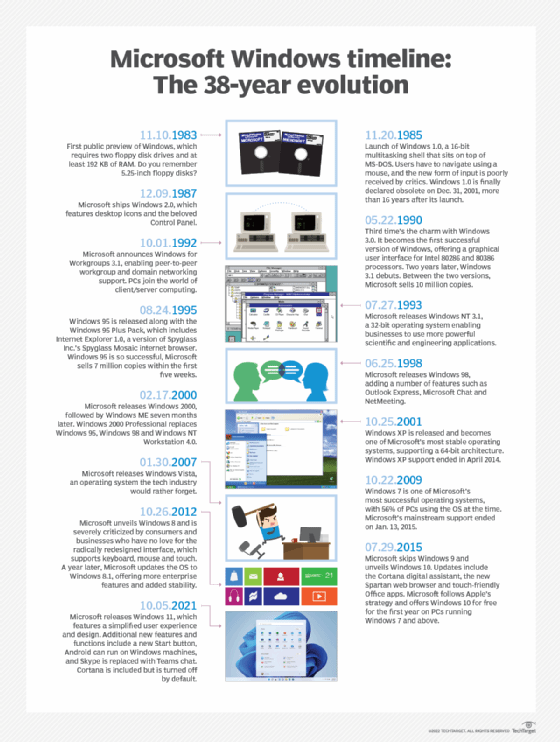
Windows 10 was launched in July 2015. It was supposed to be the last major operating system (OS) upgrade, but Microsoft released Windows 11 in October 2021, and now Windows 10 has reached end of life, which means it will no longer be updated.
Consumers who register for extended support and back up their PCs in the Microsoft cloud will be able to get free security updates until October 2026. Corporate PCs and devices connected to Active Directory will only receive Windows 10 security updates if they are covered by an Extended Security Updates (ESU) subscription.
In July, the National Cyber Security Centre (NCSC) warned that the security risks of not upgrading are significant. As the NCSC notes in a blog post on its website, in addition to the difficulties associated with being out of support, an out-of-date operating system is a prime target for cyber criminals.
“We saw this when a vulnerability in Internet Explorer 6-11 was exploited after Windows XP support ended on 8 April 2014, and before it was patched on 1 May 2014. And again in 2017, a vulnerability in unpatched versions of XP was exploited extensively by the WannaCry ransomware – an attack which resulted in huge costs and damage globally,” says the NCSC in the post.
Analyst Forrester’s Say goodbye to Windows 10 to reduce your cyber risk report points out that Windows 11 now has significant security features that are not available in Windows 10. These include administrator protection that Forrester says helps enable least privileged access. There is a feature called Smart App Control, which is used to validate the applications before they are run. In the report, Forrester notes that the latest version of Credential Guard extends account protection to machine account passwords, which is a new feature in Windows 11.
“Much has been made about Microsoft’s plans to better control the security of the kernel after CrowdStrike’s 2024 issue. Their goal isn’t to completely lock out vendors, but to ensure incidents like this don’t reoccur; if features and functions can be moved out of the kernel and into the user space, they should be,” write Forrester analysts Paddy Harrington, Merritt Maxim, Sophia Barrett and Christine Turley in the report.
But the improvements in Windows security also make it more difficult to move older hardware onto Windows 11. One of the difficulties holding organisations back is the hardware requirements of Windows 11, which introduced a need for PCs to have the Trusted Platform Module (TPM 2.0), UEFI and support for Secure Boot. “If your devices lack even one of these features, you’ll be unable to upgrade easily,” says the NCSC.
Following an analysis of its customers’ PCs, Nexthink estimates there has been a 33% decrease in Windows 10 devices between 19 May and 1 August. Assuming a further 33% reduction by 14 October – the date on which support officially ends – this leaves around 121 million Windows 10 PCs still running the operating system at the end of support deadline.
Discussing the challenge of migration, Tim Flower, DEX strategist at Nexthink, says: “Windows 11 brings powerful new capabilities, but only if devices and employees are ready to take advantage of them.”
Why Windows 10 wasn’t the last major OS update
Microsoft releases two major updates of its Windows operating system each year. Windows 10 was supposed to be the largest refresh before it moved to bi-annual updates, as Gartner research director Ranjit Atwal recalls.
“When Windows 10 came out after Windows 7, Microsoft, I’m sure, said it was going to be the last big operating system upgrade,” he says. “Effectively, Microsoft was saying there would be no Windows 11 after Windows 10, and we took that for gospel to mean that it would be the last upgrade.”
However, in a Computer Weekly YouTube video, Atwal points out that the success of the Windows operating system actually hinders progress.
“So much legacy software and peripherals are supported through the operating system. At some point, that’s just become too much in terms of the code and managing the updates,” he says.
What this implies is that, at some point, updates to device driver software will no longer be available. If a PC continues to run outdated device drivers, there is a risk that the old driver software could have a known vulnerability that is being exploited. Clearly, Microsoft is unwilling to coordinate the effort required to support device drivers indefinitely, which means that perfectly good peripherals will lose support eventually; they may still run using the older (legacy) device driver, but there will not be any newer versions (see box: MacOS end-of-life).
To discourage people from trying to continue using these device drivers, Windows 11 uses a feature called Secure Boot, which enforces signed device drivers. This means only software that has a current digital signature can be installed. But like many features in Windows, there are workarounds, and unless an IT department runs a fully locked-down PC environment, savvy end users can workaround the Secure Boot feature.
Moving to Windows 11
The NCSC says Windows 11 introduces a secure-by-default setup, which includes BitLocker, virtualisation-based security (VBS) and support for native passkey management. While some of these features were available in Windows 10, they are now switched on by default. “Devices that don’t meet Windows 11 hardware requirements – and are therefore unable to use the features that are needed to secure Windows – remain fundamentally vulnerable to attack,” the NCSC warns.
Among the benefits of migrating is the built-in artificial intelligence (AI) that Microsoft is promoting, which is available in Copilot+ PCs. AI PCs will represent 31% of the total PC market globally by the end of 2025, according to Gartner. The analyst firm’s latest forecast projects that worldwide shipments of AI PCs will total 77.8 million units in 2025.
By the end of 2026, Gartner expects 40% of software providers to prioritise investments in AI capabilities directly on PCs, up from 2% in 2024. In the same year, multiple small language models (SLMs) will run locally on PCs, up from zero in 2023.
Unlike five years ago, there is growing interest in using ARM-based hardware to support AI inference workloads on Windows 11. According to Microsoft, ARM-based PCs offer all-day battery life.
Gartner’s forecast shows that ARM-based laptops will gain a larger share of the consumer market than the business market, as application compatibility challenges are overcome. Its research found that business users prefer x86 PCs to run Windows. According to Gartner, the x86 PC market is expected to make up 71% of the AI business laptop market in 2025, with ARM making up 24%.
Discussing the forecast, Atwal says: “Businesses are evaluating ARM-based PCs to understand if it is a viable platform. The issue is that not all of the applications they need run on ARM at the moment, although the large majority of applications are ARM-compatible.”
Microsoft says applications need to be rebuilt to run natively on Windows ARM-based PCs. Applications that have not been rebuilt can be run using the Prism emulation that was shipped with Windows 11, version 24H2.
Atwal expects more native ARM applications to become available over the next 12 months. In particular, he sees an opportunity to use small language models directly on AI PCs, offering faster response times, lower energy consumption and reduced reliance on cloud services.
As Atwal notes, SLMs provide task-specific intelligence. “Since the AI runs directly on devices, SLMs help keep user and business data secure,” he adds.
Over time, the partnership between Qualcomm and Microsoft to deliver ARM-based Copilot+ PCs is likely to result in an enterprise alternative to x86-based Windows hardware.
“That partnership is driving ARM onto mainstream PCs, which is different to where we were maybe five years ago or 10 years ago when ARM hardware was around the edges,” says Atwal.
However, the support for new hardware and constant development of new and improved PC peripherals mean Microsoft will continue to be challenged with how much legacy software the Windows OS can support. From an IT management perspective, this means support for older hardware will continue to drop and IT leaders will continue to plan PC and operating system refreshes to ensure their PC estate remains current.
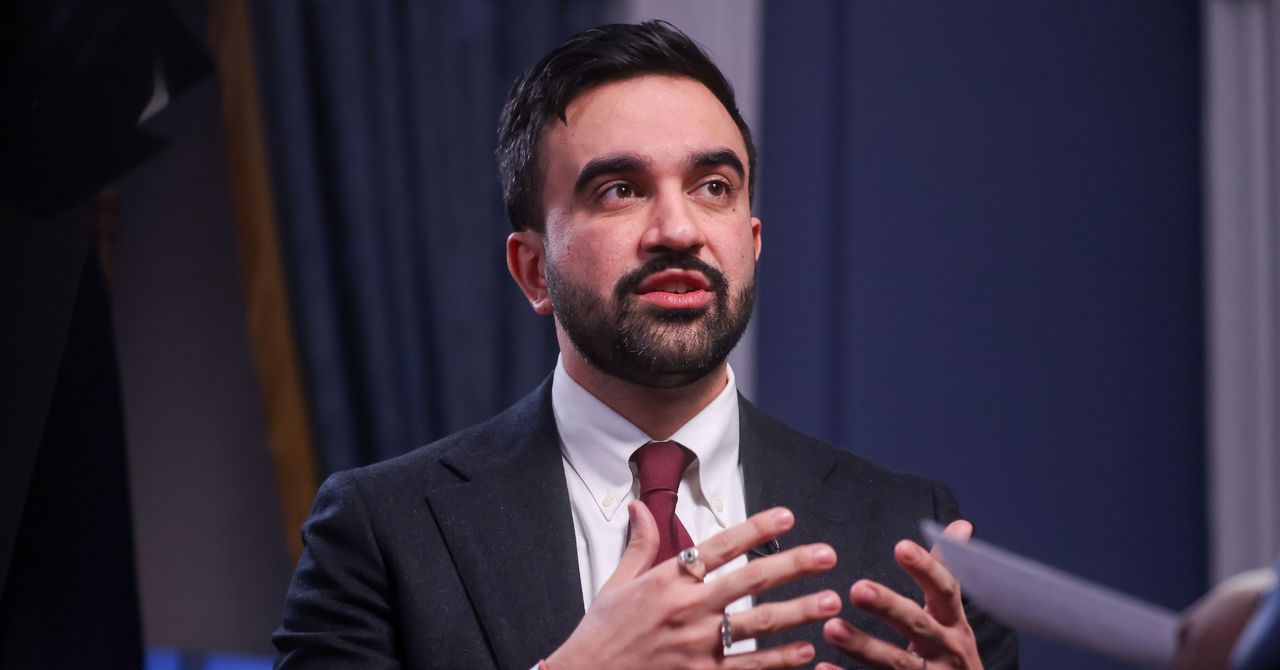
New York City mayor Zohran Mamdani, who rode a social media-fueled campaign to Gracie Mansion, is reversing an Eric Adams–era directive barring TikTok from government-owned devices. Local agencies will now be able to post about their projects on the app, though with new guardrails to protect city networks.
“The Mamdani administration is committed to using every tool in our toolbox to communicate with New Yorkers,” says the email to agencies, obtained by WIRED. “At a moment when people are turning to city government for information about free services, emergency situations, upcoming events, and more, we want to open up new avenues of communication with the public and help deliver the information New Yorkers need.”
In August 2023, then-mayor Adams barred the use of TikTok on government devices, joining the ranks of other state and federal agencies that at the time deemed the app a major security risk. Adams spokesperson Jonah Allon said then that the city’s Cyber Command office had decided that TikTok, which was owned by the Chinese-based company ByteDance, “posed a security threat to the city’s technical networks and directed its removal from city-owned devices.”
The directive resulted in a number of popular city-run accounts shutting down, including accounts for the NYC Departments of Sanitation and Parks and Recreation. As of Tuesday morning, the accounts’ bios read, “This account was operated by NYC until August 2023. It’s no longer monitored.”
Now, these TikTok accounts will be allowed to reopen with a few new rules aimed at protecting the security of NYC’s networks and devices while allowing agencies to communicate with citizens on the popular app. In order to use TikTok, agencies will be required to use separate, government-issued devices for the app that “cannot contain sensitive or restricted data, and they cannot be used for email, internal systems, or privileged access,” according to the email to agencies. Agencies will designate specific staff from media and press offices to run the TikTok accounts with city government emails, not personal ones.
“In a fragmented media landscape, more and more people—especially younger people—are looking beyond the four corners of their television screen to stay informed,” Mamdani said in a statement to WIRED. “Our responsibility is simple: Meet people where they are. That means stepping outside our comfort zones and communicating in ways that reflect how New Yorkers actually live, work, and connect.”
Mamdani’s rule reversal comes after his November election that relied heavily on social media to conduct voter outreach. Mamdani leveraged TikTok to recruit volunteers and amplify his policy platform. Over his first few months in office, Mamdani has continued to leverage social media platforms, publishing a variety of public-service announcements related to city-run programs.
Ahead of dangerous winter weather in January, Mamdani published a video to the official @nycmayor account on Instagram asking New Yorkers to sign up for the city’s free emergency communications program, NotifyNYC. The program netted more than 32,000 new subscribers in the four days after the video was released, according to stats provided by Mamdani’s office. Last year, New York City Emergency Management ran a $240,000 advertising round for NotifyNYC, acquiring around 48,000 new subscribers. Mamdani also created a handful of videos asking New Yorkers to join a Department of Sanitation snow-shoveling program. Around 5,000 people signed up, tripling the number previously enrolled in the program.
The situation has also changed for the app. In January 2026, TikTok finalized a deal with the Trump administration to form a new US-based version of the company run by American investors, including Oracle. The consortium of American investors staved off a nationwide ban of the app.
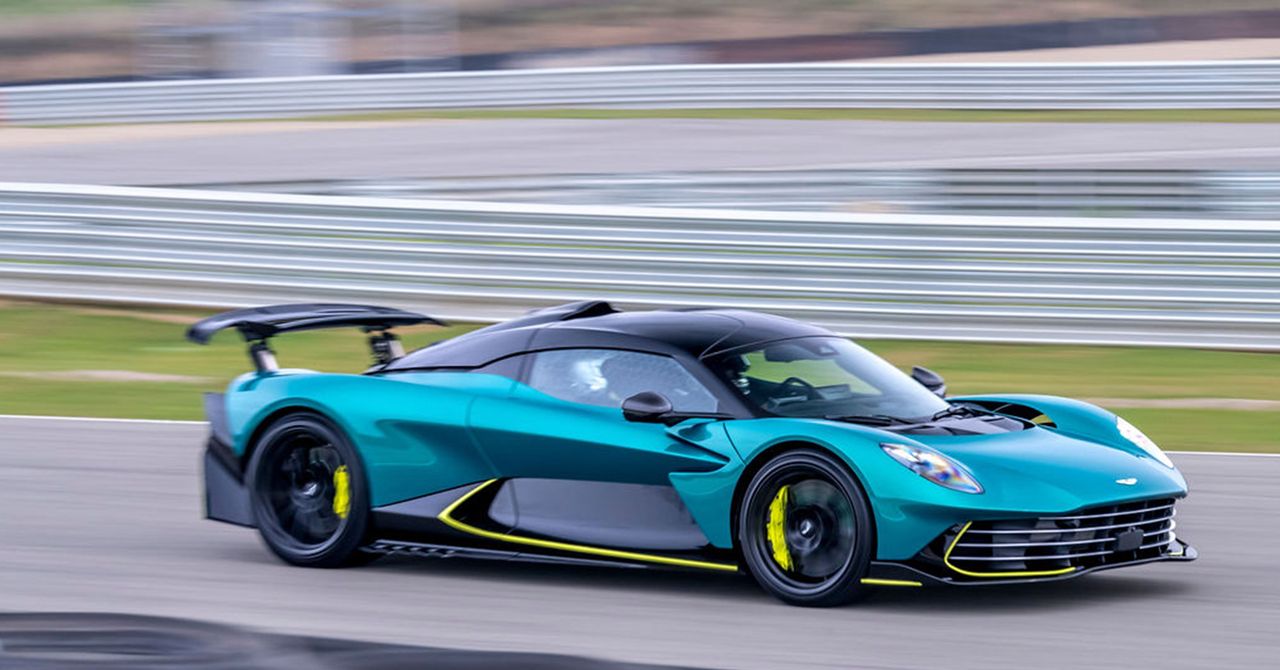
Yes, it’s a supercar, but it’s also sold very much as a track and road car, one that accommodates a passenger, all of which means road trips and weekend-away stays are very much possible. Well, they would be if there were anywhere at all to store luggage. Lamborghini managed to find some luggage space in its Revuelto design, so there’s no excuse here, really.
The design department otherwise has had a field day. Top-mounted exhausts, dihedral doors, and even an F1-style roof snorkel to accompany that air-braking rear wing deliver an exterior that is nothing short of arresting. Somehow, none of this looks garish or out of place on the Valhalla in person. Everything has a purpose, and nothing seems to scream as flexing or showing off. There’s a cohesion to the Valhalla aesthetic that others might not manage.
Inside, it is much more comfortable than you would imagine. The one-piece carbon-fiber seats look like they are going to be tricky, but on my two-hour road drive, they were supportive and, yes, comfortable. Visibility is surprisingly good, but a camera system is required for the rear view mirror because there’s no rear window. The rest of the interior is minimal, but the steering wheel is excellent (which, as Jony Ive will tell you, is no mean feat) and neatly signals some motorsport cool.
Photograph: Jeremy White
The one gripe for the interior is the dash and center screens, which are clear and responsive, and offer up the usual smartphone mirroring options, but they aren’t luxurious. We’re seeing a lot more effort these days with screen design from Ferrari’s new Luce as well as BMW in the iX3 and i3, but here, Aston has decidedly functional, off-the-shelf-looking displays. If I were parting with a million dollars, I might want more consideration here.
Odin’s Beard
On the road and track is where the Valhalla excels. Impressive doesn’t come close, and, despite the delays, the patience shown by Aston has clearly paid dividends. The ride is superb, as well as being ridiculously quick. The chassis is exceptionally agile, making the car feel alert and light. There are enormous reserves of grip to match the formidable braking and acceleration, and as a result, this is a car that flatters you; it effortlessly seduces you into driving much harder and better than you think you can, all while giving you levels of confidence you wouldn’t think possible.
I’ve driven the Lamborghini Revuelto, and yes, it’s exciting, but also there’s a part of you that is wary—the part that knows that if you don’t keep your wits about you 100 percent of the time, things will go bad very quickly. The Valhalla offers up all of that fun and excitement, but almost none of the trepidation. It is gratifying and intuitive to drive. Anyone can fully enjoy this car, not merely those used to track days. Some will say the engine note is not as full-throated as might be expected in such a car, but others will be having so much fun they won’t care. Nor should they.

You may have noticed a drop of AI in your weather app lately. As companies race to infuse artificial intelligence into every product, the wave has come for the humble weather app.
The Weather Company, operator of the Weather Channel, today released a revamped version of its Storm Radar app, featuring an AI-powered Weather Assistant that lets users customize how they view forecasts and weather maps, toggling between layers like radar, temperature, and weather conditions like wind and lightning.
It can also sync with other apps, like your calendar, to send text notifications and weather summaries that tie info about the upcoming weather into your daily plans. You can stick a voice on it to talk like an old-timey radio weatherman, if you’re into that. Like most weather apps, it gets the data comes from the National Oceanic and Atmospheric Administration (NOAA) and the National Weather Service (NWS).
The app costs $4 per month. It is available on iOS only for now, but the company says an Android version is coming eventually.
“We wanted to build an experience that would be a weather level-up for anybody, really, from a casual observer to a seasoned storm chaser,” says Joe Koval, a senior meteorologist at the Weather Company. “If you’re looking for advice on when the weather will be good to walk your dog tomorrow, you no longer have to look at a bunch of different disparate weather data elements and try to figure out the answer to that question yourself.”
You can find the weather on your phone already, of course. Android and iOS devices typically place the weather prominently beside the time. Google and Apple have both fused their weather apps into their smartphones directly. AI features have since been infused, offering insights and summaries about the day to come.
But there are third-party weather apps galore, like Storm Radar, Carrot Weather, Rain Viewer, and Acme Weather—an app from the former Dark Sky app creators. New weather apps like Rainbow Weather aim to be AI-first. Weather services are also being integrated directly into AI chatbots, like Accuweather, which recently launched an app directly in OpenAI’s ChatGPT.
“Everyone has their idea of what they want in a weather app, what data they’re interested in, how they’re interested in it being presented,” says Adam Grossman, a founder of the DarkSky app. “How do you build a single weather app that works for everybody?”
DarkSky, one of the most popular iOS weather apps, was bought by Apple in 2020 and merged into its Apple Weather service. Grossman eventually left Apple to start Acme Weather, with the goal of making a weather prediction service that better telegraphs the uncertainty of forecasting.
“No matter how good your forecast is, you’re going to be wrong,” Grossman says. “That’s something that weather apps traditionally haven’t done a great job of doing. Our approach is trying to figure out how to add those pieces of context back in.”
Repositories of weather information usually come from government sources, like NOAA or other global weather services that collect data from weather satellites, radar, weather balloons, and on-the-ground instruments. All that data is fed into weather prediction models that simulate the physics of the atmosphere. Those predictions are often generated by resource-intensive supercomputers, but machine learning models have trimmed that processing down, making predictions quicker. (Though sometimes less accurate, which can be accounted for by comparing multiple models.)
Weather apps like Storm Radar and Acme Weather translate that bounty of information by corroborating and compiling the models, then helping to create high-resolution maps and a visual representation of the data, an area where AI can also be particularly useful.


Europe pushes back on some US military operations as concerns over Iran war mount

Severe storms, tornadoes to hit US as April begins
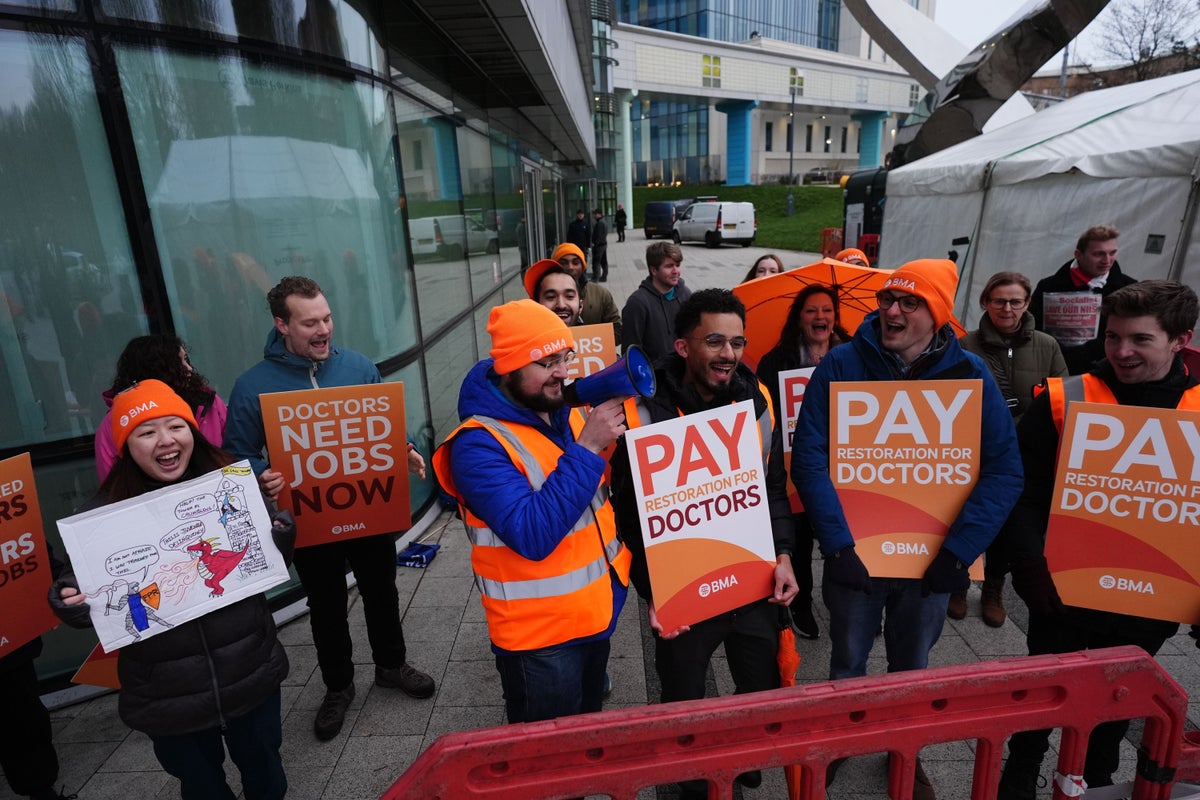
Crunch talks between resident doctors and ministers set to continue

-

 Politics1 week ago
Afghanistan announces release of detained US citizen
-

 Sports1 week ago
Broadcast industry CEO says consolidation is ‘essential’ to compete for NFL soaring media rights prices
-
 Tech1 week ago
Can a Home Appliance Fix the Problem of Soft-Plastic Waste?
-

 Entertainment1 week ago
UN warns migratory freshwater fish numbers are spiralling
-
 Business1 week ago
Property Play: Home flippers see smallest profits since the Great Recession, real estate data firm says
-
 Business1 week ago
Gold prices soar in Pakistan – SUCH TV
-

 Fashion1 week ago
ICE cotton slips on weaker crude, profit booking
-
 Business1 week ago
More women are entering wealth management, but few are in advisory roles, study finds