

Business
Toy maker Jellycat plans to pay owners £110m after profits double

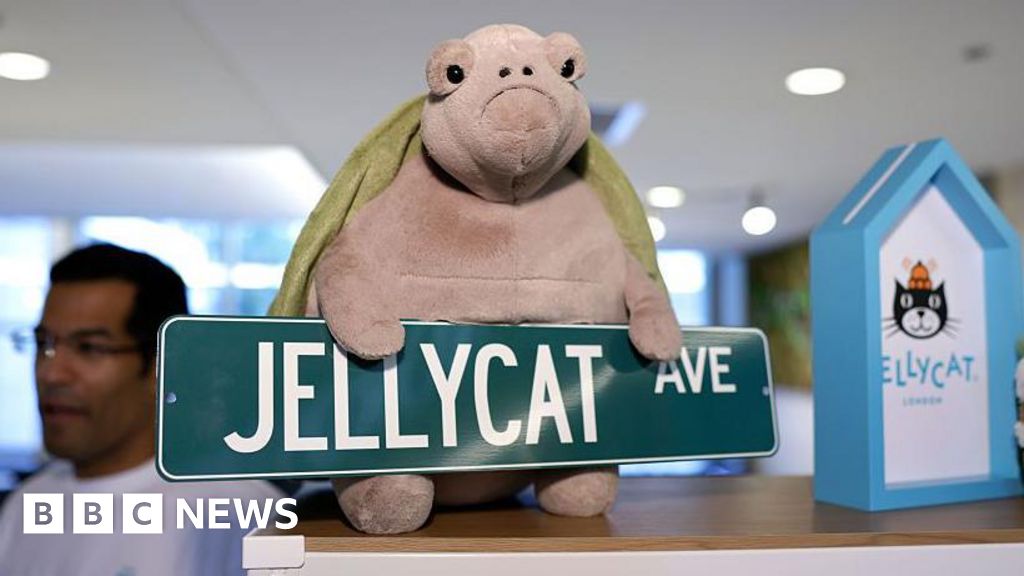
Toy maker Jellycat is planning to pay its owners £110m in dividends after it more than doubled its annual profit in 2024.
From eggs with sad faces to smiling peanuts, the Jellycat craze has made a big impact on the toy industry.
Its viral cuddly toys are sold all over the world and made the company a before-tax profit of £139m in 2024, up from £67m the previous year.
Chief executive, Arnaud Meysselle, said Jellycat was “humbled” by its growth and will continue to “bring more characters to life”.
Jellycat founder and chairman Thomas Gatacre said: “Our mission is simple: to create joy and try to be the most loved soft toy company in the world.”
First reported by the Financial Times, Jellycat’s most recent Companies House accounts show the firm saw a 66% increase in revenue to £333m for the year to 31 December.
The dividends the privately owned company plans to pay are a 75% increase from the £63m paid out to its owners the previous year.
Mr Gatacre said the Jellycat team has been running “faster than ever” to keep up with demand for the soft toys in 80 countries.
He added that the company is striving to make sure “every Jellycat arrives in tip top condition, build to last, and made responsibly”.
Jellycat’s success has been linked to its popularity on social media and a rise in adults buying toys for themselves.
As well as just selling the toys, Jellycat has a range of pop-up “experiences”.
Currently at London’s Selfridges, you can buy fish and chips soft toys, sold to you by an assistant pretending to fry and put salt and vinegar on your selected teddies.
In New York, you can visit a Jellycat diner and Paris has its own Jellycat patisserie with adults lining up to buy the toys.
Videos of such experiences have millions of views online, with fans essentially advertising to each other.
Brent crude sinks by a tenth after Iran says the key waterway is open for commercial ships for the rest of the ceasefire.
Source link
Oil prices tumbled on Friday after Iranian officials said they would allow commercial traffic to resume in the Strait of Hormuz. This lifted equity markets in Europe and New York, where major indices hit new records.
Citing the ceasefire between Israel and Lebanon, Iran’s Foreign Minister Abbas Araghchi said Tehran would lift its blockade on shipping through the key Gulf energy trade route.
“In line with the ceasefire in Lebanon, the passage for all commercial vessels through Strait of Hormuz is declared completely open for the remaining period of ceasefire,” Araghchi said.
Traffic in the strategic waterway, through which one-fifth of the world’s crude oil normally flows, has been disrupted by Iran since the US-Israeli offensive began on Feb. 28. At one point, this sent oil prices to a peak of nearly $120 a barrel and roiled the global economy.
Both Brent, the benchmark international contract, and its US equivalent WTI fell below $90 per barrel following Tehran’s announcement. Brent later cut its losses and finished at $90.38 a barrel, down 9.1%.
‘Immediate impact’
“This news is having an immediate impact on markets,” said Kathleen Brooks, research director at XTB.
The move also sent a jolt through equity markets, extending a rally in New York. There, equities have pushed ever higher since late March in anticipation of a breakthrough in the Middle East crisis.
“We had seen a big move the last two weeks, and now it’s just really pricing completely out the worst-case scenario, said Angelo Kourkafas, from Edward Jones.
Kourkafas also pointed to underlying strength in the US economy that should get more attention in the coming period as geopolitical concerns ebb.
“Geopolitical developments are moving in the right direction, and at the same time, the earning strength is hard to ignore,” Kourkafas said.
The broad-based S&P 500 finished at 7,126.06, up 1.2% for the day and 4.5% for the week.
‘Good news’
Earlier, European stocks closed higher, with both Frankfurt and Paris gaining 2%.
US President Donald Trump cheered the reopening of the Strait of Hormuz in an interview with AFP.
“We’re very close to having a deal,” Trump said in a brief telephone call with AFP from Las Vegas. He added there were “no sticking points at all” left with Tehran.
But Iran quickly pushed back on one key point.
Iran’s foreign ministry said Friday that its stockpile of enriched uranium would not be transferred “anywhere.” It rejected an earlier claim by Trump that the Islamic Republic had agreed to hand it over.
Shipping industry figures, meanwhile, gave a cautious welcome to Iran’s announcement.
A spokesman for German transportation giant Hapag-Lloyd, which has ships stuck in the Gulf, told AFP by phone that the reopening was “in general… good news.”
But he cautioned that shippers still needed details of what route vessels could take and in what order, citing fears of mines.
“One thousand ships cannot just go now to the entrance of the strait, that will be chaos. They (the Iranians) need to give clear orders,” said the spokesman, Nils Haupt.
“We would be ready to go very soon if some of these open questions can be solved within the weekend.”
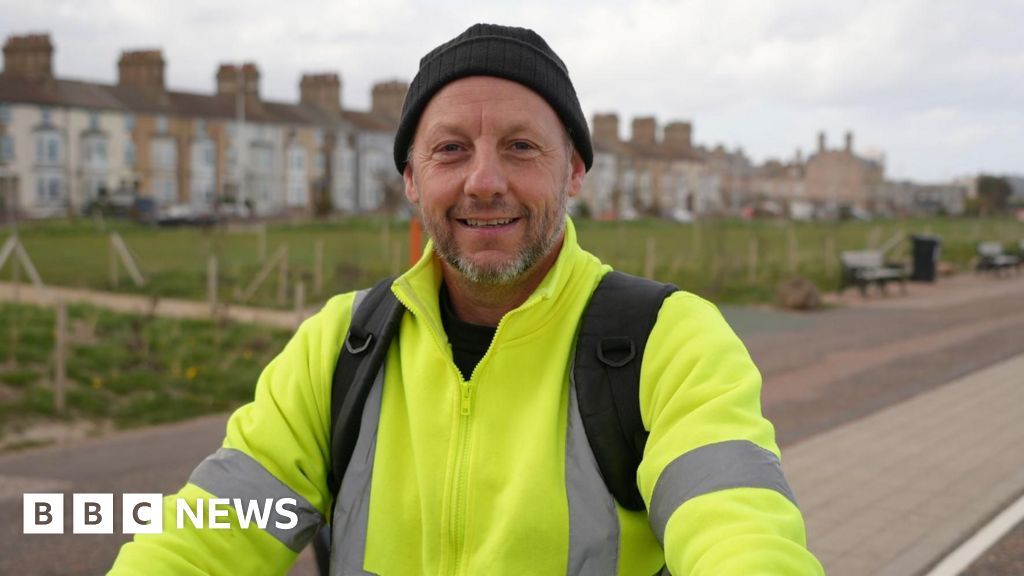
One man says he cancelled his holiday to Spain due to the rising costs and uncertainty.
Source link


Nathalie Baye, low-key legend of French cinema, dies aged 77

Transfer rumors, news: Liverpool eye Wharton amid Man United, Real Madrid interest

The Best Movies to Stream This Month

-

 Politics1 week ago
Indian airlines hit hardest after Dubai limits foreign flights until May 31
-

 Entertainment5 days ago
Palace left in shock as Prince William cancels grand ceremony
-

 Sports5 days ago
The case for Man United’s Fernandes as Premier League’s best
-
 Politics1 week ago
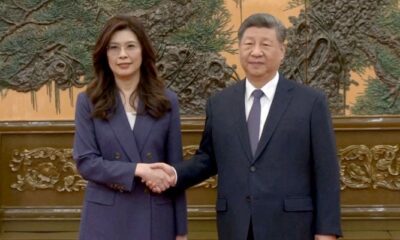
Chinese, Taiwanese will unite, Xi tells Taiwan opposition leader
-

 Sports1 week ago
Documents: NC State trainer initiated ‘unwelcome,’ ‘sexual’ contact
-

 Entertainment1 week ago
Dua Lipa hits major career high ahead of wedding with Callum Turner
-
 Business5 days ago
UK could adopt EU single market rules under new legislation
-
 Business1 week ago
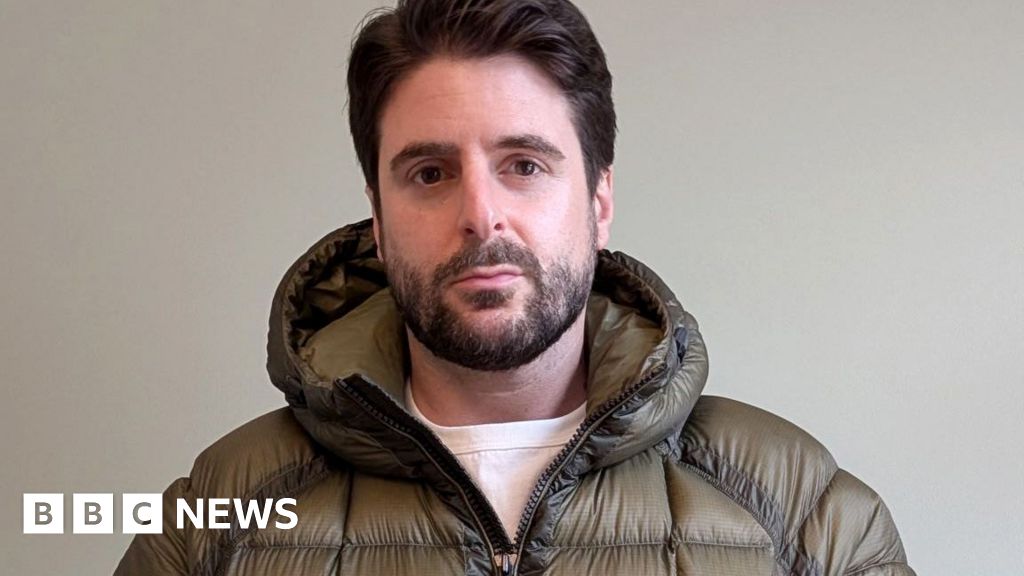
He paid $248 in illegal tariffs for this coat. Will he ever get it back?