

Business
Trump proposes slashing fuel efficiency standards for passenger cars


Traffic on Interstate 80 in San Pablo, California, US, on Wednesday, Nov. 26, 2025.
David Paul Morris | Bloomberg | Getty Images
President Donald Trump on Wednesday proposed big cuts to strict fuel economy standards for passenger cars enacted under the Biden administration.
“We are officially terminating Joe Biden’s ridiculously burdensome, horrible actually, CAFE standards that imposed expensive restrictions,” Trump said at the Oval Office, flanked by the CEOs of Ford Motor and Stellantis.
The Corporate Average Fuel Economy, or CAFE, standards date back to 1975 and have been tightened over the years to make vehicles more efficient.
Former President Joe Biden had required automakers to increase the fuel efficiency of passenger cars and light trucks to about 50 miles per gallon by 2031. These stricter standards were expected to stimulate the production and sale of electric vehicles in the U.S.
The standards proposed by the Trump administration would require cars to get about 34 miles to the gallon by 2031, according to the National Highway Traffic Safety Administration.
Trump has sought to dismantle pollution regulations and federal support for electric vehicles as well as renewable energy since taking office.
The oil industry group the American Petroleum Institute has lobbied the Trump administration to repeal the Biden fuel economy standards, contending that they aim to phase out liquid fuel vehicles.
The announcement was attended by Ford CEO Jim Farley and Stellantis CEO Antonio Filosa, as well as a plant manager for General Motors from Michigan.
Ford CEO Jim Farley and Stellantis CEO Antonio Filosa listen as U.S. President Donald Trump announces new fuel economy standards, in the Oval Office at the White House in Washington, D.C., U.S., December 3, 2025.
Brian Snyder | Reuters
Many of the officials in attendance, including U.S. dealers, said the new standards are more in line with the vehicles customers want to buy rather than the more costly ones automakers have been pushed to produce due to regulations.
Trump and other officials also touted the new regulations as assisting in vehicle affordability, which has been an ongoing concern for the automotive industry, as the average new vehicle purchased hovers around $50,000.
The Alliance for Automotive Innovation, a trade group that represents the majority of automakers operating in the U.S., also praised the cuts.
“We’re reviewing NHTSA’s announcement, but we’re glad the agency has proposed new fuel economy standards,” John Bozzella, CEO of the organization, said in a statement. “We’ve been clear and consistent: The current CAFE rules finalized under the previous administration are extremely challenging for automakers to achieve given the current marketplace for EVs.”
U.S. EV leader Tesla did not respond for comment regarding the reduced standards.
— CNBC’s Phil LeBeau and Lora Kolodny contributed to this report.





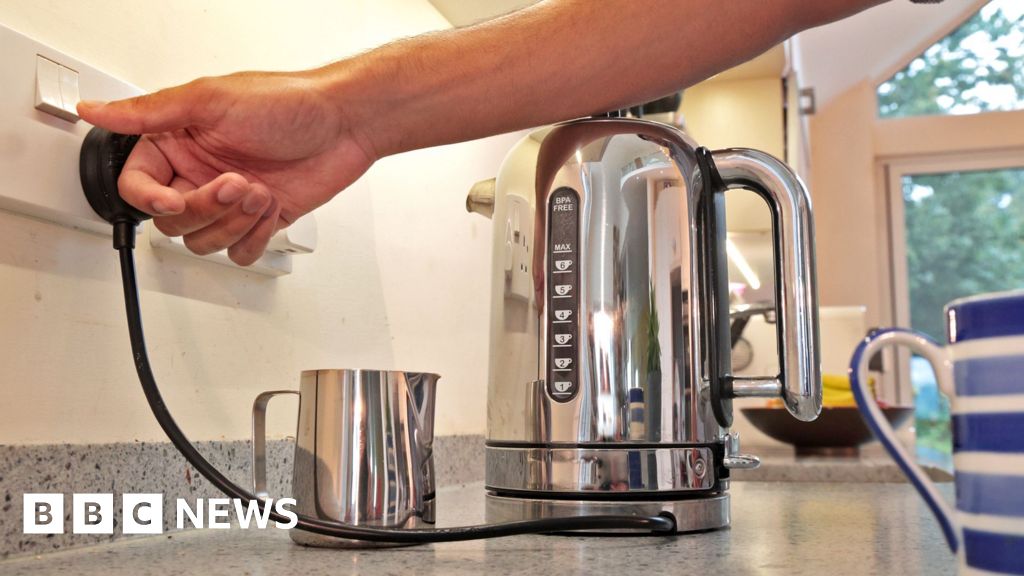
The war in the Middle East has brought renewed attention to Britain’s vulnerability to energy price shocks.
Source link
Business
Gadkari urges shift to 100% ethanol blending, flags energy security and import risks – The Times of India
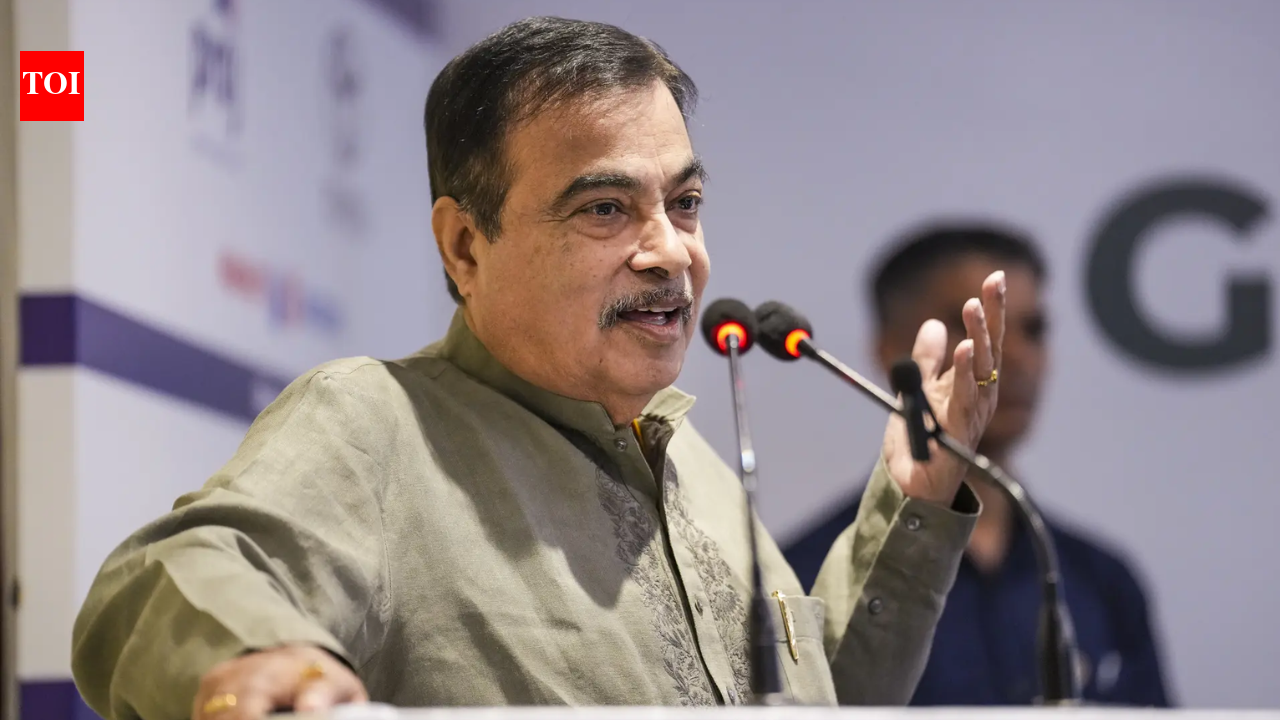
India should aim for 100 per cent ethanol blending in the near future to strengthen energy self-reliance, road transport and highways minister Nitin Gadkari said on Tuesday. He said that vulnerabilities in oil supplies due to the ongoing crisis in West Asia have made it essential for the country to reduce dependence on imports.Speaking at the Indian Federation of Green Energy’s Green Transport Conclave, Gadkari said, “In the near future, India should aspire to achieve 100 per cent ethanol blending… Today, we are facing an energy crisis due to the war in West Asia, so it is necessary for us to become self-reliant in the energy sector,” as quoted by PTI.India currently allows vehicles to run on E20 petrol, which contains 20 per cent ethanol, with minor engine modifications to avoid corrosion and related issues. In 2023, PM Modi launched petrol blended with 20 per cent ethanol. Countries such as Brazil have already achieved 100 per cent ethanol blending.Gadkari noted that India imports 87 per cent of its oil requirements, adding, “We import fossil fuels worth Rs 22 lakh crore, which is also causing pollution… so we need to work on increasing production of alternative fuel and bio-fuel.”On future energy solutions, he stressed the importance of green hydrogen but pointed out challenges in cost and transport. “Transport of hydrogen fuel is a problem. Also, we need to produce 1 kg of hydrogen at $1 dollar, to make India an exporter of energy,” he said, adding that hydrogen production from waste should be explored.The minister also emphasised the role of a circular economy in generating employment opportunities. While calling for reduced reliance on petrol and diesel vehicles, he clarified, “But we can not force people to stop buying petrol and diesel vehicles.”Addressing concerns about E20 fuel, Gadkari said the petroleum sector is lobbying against the move. He also urged automobile manufacturers to prioritise quality over cost to expand into new markets.Last year, Gadkari dismissed criticism against E20 (ethanol-blended petrol), saying a “paid” social media campaign is being run to “target me politically.” He said Society of Indian Automobile Manufacturers and Automotive Research Association of India have shared their findings on ethanol blending in petrol. He added that India’s ethanol programme has benefited farmers, noting that ethanol made from maize has helped them get better prices and led to gains of Rs 45,000 crore.

One petrol retailer says he is experiencing about five drive-offs a week at each forecourt, costing him thousands.
Source link


Soccer’s incredible shrinking shin guards could be a big problem

Matarazzo celebrates Real Sociedad Copa title: ‘Just the beginning’

Germany firms raise investment plans, uncertainty persists: ifo

-

 Fashion5 days ago
France’s LVMH Q1 revenue falls 6%, shows resilience amid Iran war
-

 Sports1 week ago
The case for Man United’s Fernandes as Premier League’s best
-

 Entertainment1 week ago
Palace left in shock as Prince William cancels grand ceremony
-
 Business1 week ago
UK could adopt EU single market rules under new legislation
-

 Entertainment6 days ago
Is Claude down? Here’s why users are seeing errors
-

 Fashion1 week ago
Energy emerges as biggest cost driver in textile margins
-
 Business1 week ago
Delta Air Lines unveils first new Delta One suite in premium cabin arms race
-

 Fashion1 week ago
Asia claims largest share of markets on Kearney FDI Confidence Index