

Business
Trump’s 100% tariffs on China: For India, the message is clear – No deal with US is ever final, says GTRI – The Times of India

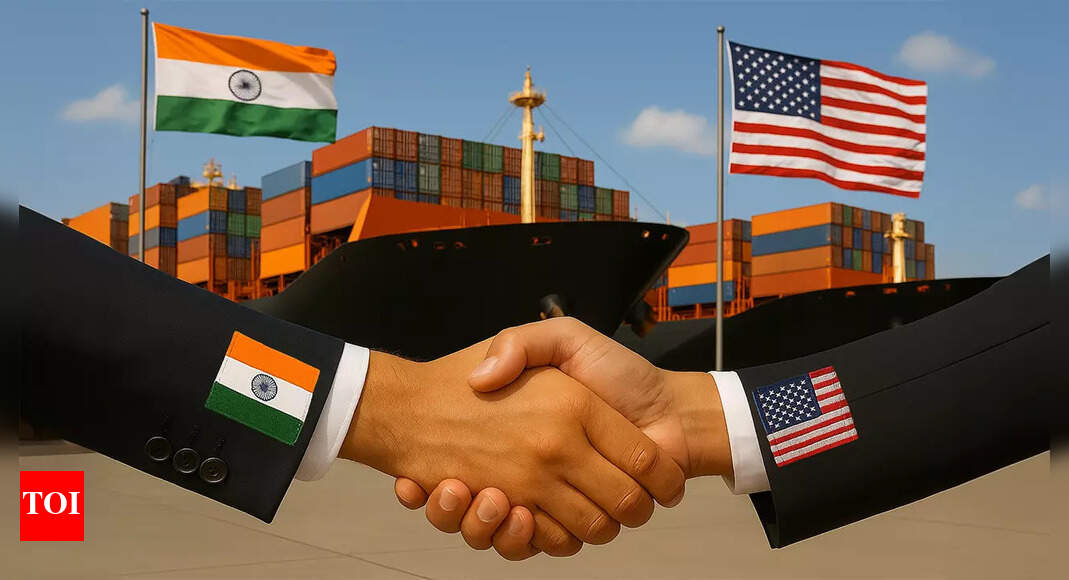
India should be careful in its negotiations with the US and should focus on its self-reliance rather than depending on Washington, Global Trade Research Institute (GTRI) said in a report. In a report titled “Trump’s tariff offensive hits a rare earth wall,” the think tank analysed the impact of Trump’s recently imposed tariffs on China and how India should proceed.
The US President Donald Trump on Friday announced an additional 100% tariff on Chinese imports, raising total US duties to around 130%, which will be in effect from November 1. The action is one of the most major escalations in US-China trade tensions since the 2018 tariff war. Washington’s move responds to China’s stringent restrictions on rare-earth exports, which are vital for the US defence, clean-energy, and technology sectors.‘The message is clear’: Lessons for IndiaThe report said that India should advance its negotiations with the US cautiously and on “equal terms,” warning that “no deal with the US is ever final.”It suggested ensuring reciprocity and safeguarding strategic autonomy. The GTRI report also said that instead of depending on “shifting US promises,” New Delhi should prioritise self-reliance in critical technologies and minerals, shielding its economy from future trade shocks. The country should also use its neutral stance to strengthen ties with both Western and BRICS nations.ImpactPrices of electric vehicles, wind turbines and semiconductor parts are expected to rise as China and the US get embroiled in a new series of trade tensions.The report further noted that if Washington seeks support from its allies, costs could rise further, as they can’t quickly match China’s dominance in rare-earth minerals.Analysing the impact, think tank GTRI said, “The impact will be felt quickly. Prices of EVs, wind turbines, and semiconductor parts are expected to rise, while the US will try to “friend-shore” its mineral supply chains to Australia, Vietnam, and Canada. China, meanwhile, is likely to redirect supplies toward its non-Western partners to strengthen alternative industrial networks.”Washington may feel the heat tooWashington is still heavily reliant on Beijing for its electronic, textile, footwear, white goods and solar panels, some areas where China could strike back.Once the new tariffs take effect, prices might surge making it difficult for the Trump administration to handle the inflation and production costs. Hence, the US President’s “tough-on-China” approach could backfire, potentially raising costs for American consumers and weakening his wider economic agenda.‘China appears better prepared’Given the importance of rare earths to US industries, Washington may soon have little choice but to negotiate a new deal with Beijing. “Unlike the US, which often acts before weighing economic consequences, China appears more deliberate and better prepared,” the GTRI said.



Business
Rs 20,000 crore gold, silver rush: What will people buy this Akshaya Tritiya? – The Times of India
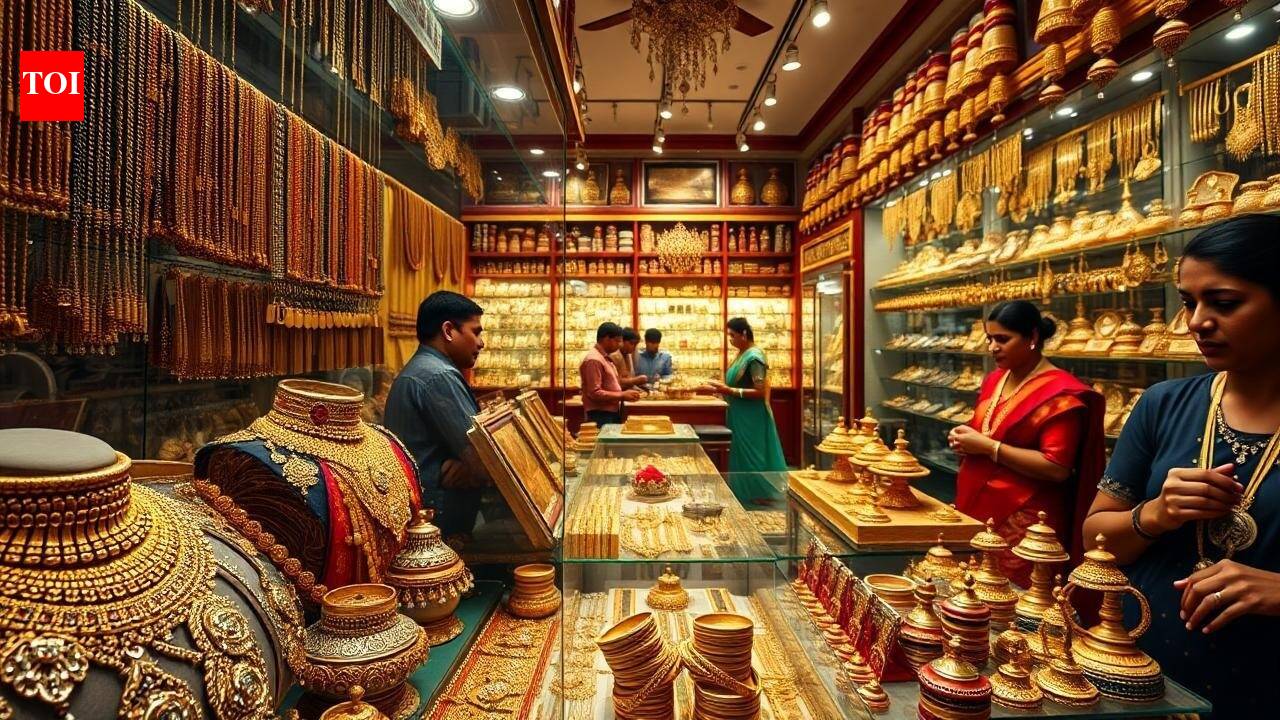
This Akshaya Tritiya, India’s gold and silver markets are heading for bumper purchases, with overall trade likely to cross Rs 20,000 crore even as record-high prices reshape buying patterns. The estimate, shared by the Confederation of All India Traders (CAIT), is higher than last year’s Rs 16,000 crore, signalling growth in value despite a sharp rise in bullion rates.Prices for the yellow metal have surged sharply over the past year, going from Rs 1,00,000 per 10 grams, to Rs 1.58 lakh. Meanwhile, silver has shown a steeper rally, jumping from Rs 85,000 per kilogram to Rs 2.55 lakh per kilogram. According to CAIT, this sharp escalation has not weakened demand, but is instead prompting consumers to make more deliberate and value-oriented purchases.Praveen Khandelwal, member of parliament from Chandni Chowk and secretary general of CAIT told ANI, “Akshaya Tritiya has traditionally been one of India’s most auspicious occasions for purchasing gold… While gold continues to dominate, the nature of purchasing is evolving significantly in response to steep price escalation.”Commenting on customer preference, CAIT national president BC Bhartia highlighted, “There is a clear shift towards lightweight, wearable jewellery, alongside a stronger focus on silver and diamond products. Attractive incentives such as reduced making charges and complimentary gold coins are also helping sustain consumer interest.”Despite the increase in overall trade value, the quantity of metals being sold tells a different story. Pankaj Arora, National President of the All India Jewellers and Goldsmith Federation (AIJGF), an associate of CAIT, explained that the projected Rs 16,000 crore gold trade amounts to nearly 10,000 kilograms (10 tonnes) at current rates. The value, spread across an estimated 2 to 4 lakh jewellers, translates to average sales of only 25 to 50 grams per jeweller, “clearly indicating a sharp decline in volume”.Meanwhile for silver, the estimated Rs 4,000 crore trade corresponds to around 1,56,800 kilograms (157 tonnes), resulting in average sales of about 400 to 800 grams per jeweller during the festival period. “These figures underline a critical shift: while the value of business is expanding due to rising prices, actual consumption is contracting,” Khandelwal said.This gap between value and volume is also reshaping consumer’s buying pattern, with smaller items and lightweight jewellery gaining popularity. At the same time, jewellers are facing challenges due to fluctuating prices, especially when it comes to managing inventory.Even so, festive demand remains steady, with markets witnessing healthy footfall. “Consumers are now adopting a more cautious and pragmatic approach, balancing traditional beliefs with financial discipline,” Khandelwal added.At the same time, it’s not just about physical gold anymore as consumers are increasingly exploring alternatives like digital gold, Sovereign Gold Bonds and gold ETFs, drawn by the promise of liquidity, safety and flexibility when prices are volatile.CAIT and AIJGF have urged jewellers to comply with mandatory hallmarking standards, including HUID certification, and advised buyers to verify the purity and authenticity of their purchases.

Lauren Elcock is among the young Londoners who say rising rents are forcing them to quit the capital.
Source link
As governments across the world restricted the movements of their citizens during Covid lockdowns from 2020, people spent more time online. We bought more online and socialised more online, and this brought us closer to the people who want to scam us. At the same time, realistic video impersonations, voices, websites, and texts became more commonplace, and scammers increased their use of social media including WhatsApp.


Karachi Kings win toss, opt to bowl first against Multan Sultans

As Iran war strains ties with Trump’s US, UK looks to Europe
Rs 20,000 crore gold, silver rush: What will people buy this Akshaya Tritiya? – The Times of India

-

 Entertainment6 days ago
Palace left in shock as Prince William cancels grand ceremony
-

 Sports6 days ago
The case for Man United’s Fernandes as Premier League’s best
-

 Politics1 week ago
Chinese, Taiwanese will unite, Xi tells Taiwan opposition leader
-
 Business1 week ago
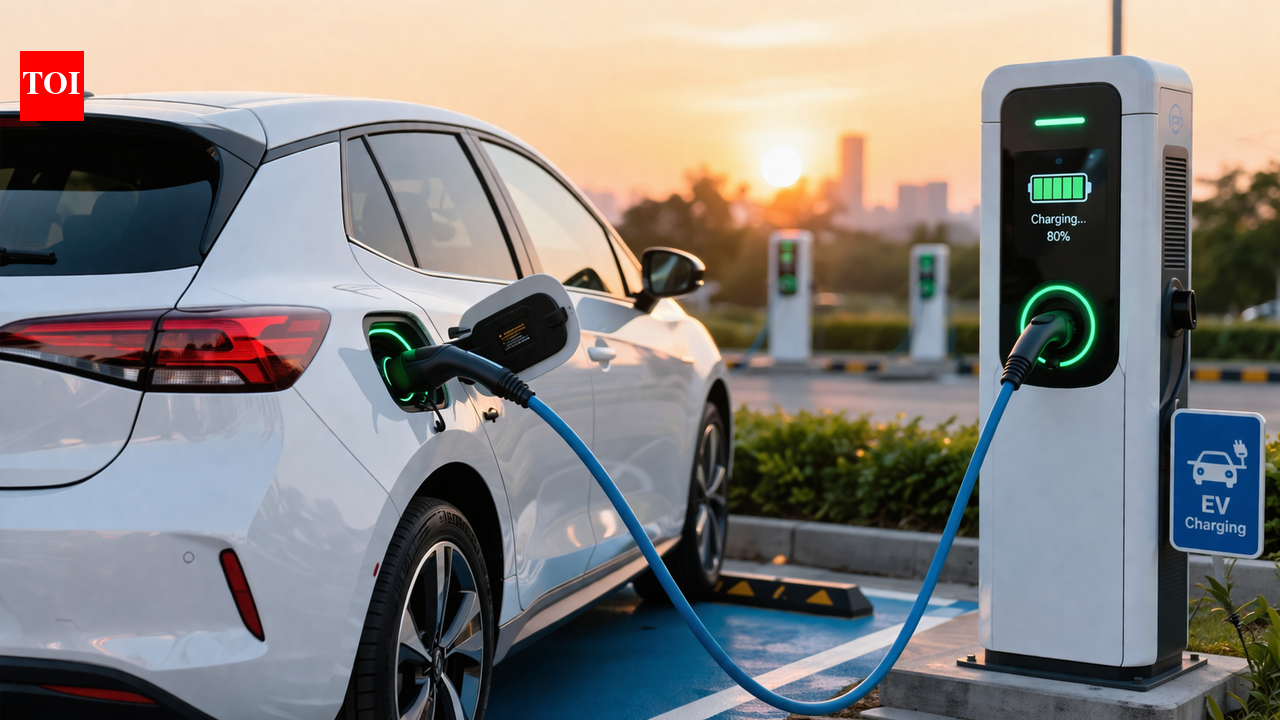
100% road tax waiver for electric cars, new rules for 2, 3 and 4 wheelers – what Delhi govt’s draft EV policy says – The Times of India
-

 Entertainment1 week ago
Dua Lipa hits major career high ahead of wedding with Callum Turner
-
 Business6 days ago
UK could adopt EU single market rules under new legislation
-
 Business1 week ago
The FAA wants gamers to apply for air traffic control jobs
-

 Fashion6 days ago
Energy emerges as biggest cost driver in textile margins