

Business
Trump’s tariff impact! US trade deficit falls 24% as imports plunged in August; government shutdown delayed data release – The Times of India

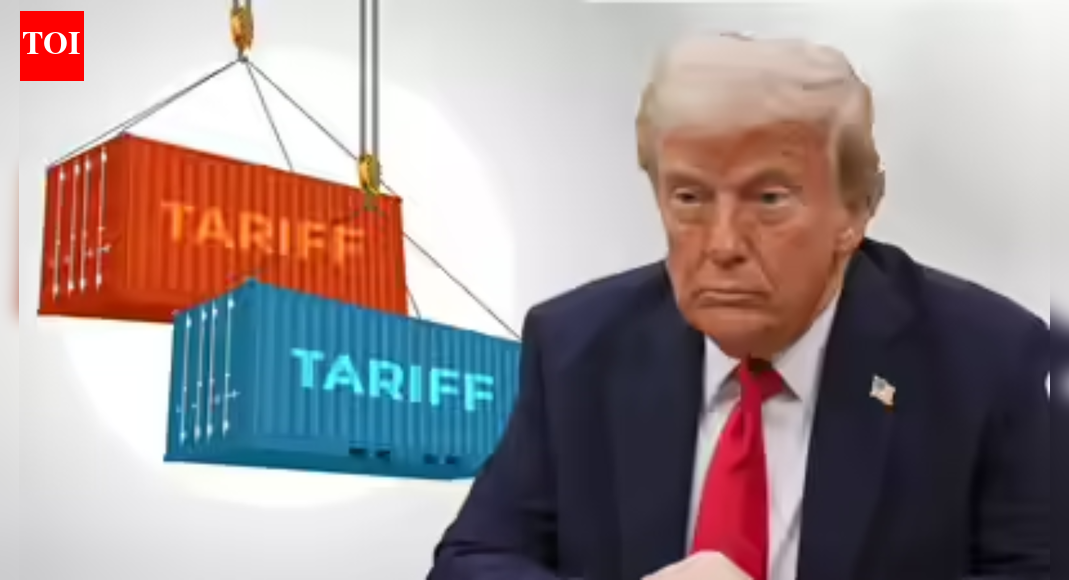
The US trade deficit narrowed by about 24 per cent in August as sweeping tariffs imposed by President Donald Trump reduced imports, according to a delayed Commerce Department report released Wednesday. According to Associated Press, citing the report, the trade gap fell to $59.6 billion in August from $78.2 billion in July. Imports declined 5 per cent to $340.4 billion as businesses slowed purchases from abroad after stockpiling goods ahead of tariffs that took effect on August 7. Exports rose 0.1 per cent to $280.8 billion. Trump has upended decades of US free-trade policy by levying broad duties on most trading partners as well as on products such as steel, copper and automobiles. He argues that chronic trade deficits reflect foreign nations exploiting the US. Economists say tariffs are contributing to inflation by raising costs that importers largely pass to consumers. Despite August’s pullback, the trade deficit has widened in 2025, reaching $713.6 billion through August — up 25 per cent from $571.1 billion in the same period last year. A narrower trade gap typically supports economic growth because imports subtract from gross domestic product. “August’s smaller trade deficit will be a tailwind for third-quarter real GDP, since it means more US spending went to domestically-produced goods and services,” said Bill Adams, chief economist at Comerica Bank. The release was delayed due to the government shutdown. Public anger over living costs contributed to Democratic gains in the November 4 elections. Days later, Trump rolled back tariffs on items such as beef, coffee, tea, fruit juice, cocoa, spices, bananas, oranges, tomatoes and some fertilisers, acknowledging their effect on prices. The Supreme Court is weighing the legality of the tariffs. During a November 5 hearing, justices questioned whether a president can impose open-ended duties under emergency powers without approval from Congress.





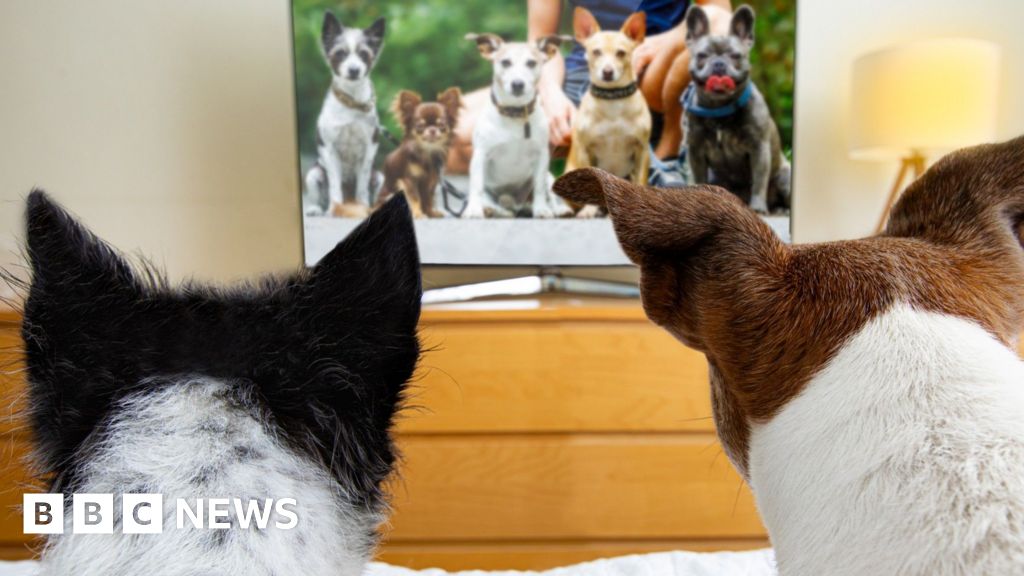
TV channels for dogs are multiplying but research is mixed on whether dogs are watching.
Source link
MUMBAI: Some friction, long viewed as a flaw in digital payments, is now being seen as a feature. An RBI discussion paper proposes to introduce a short delay, or “lag”, for high-value transfers above Rs 10,000. This gives customers time to rethink a transaction and cancel it if they suspect fraud. Customers may also be allowed to whitelist trusted payees so that genuine payments are not delayed.Another proposal is to provide stronger protection to vulnerable users such as senior citizens by requiring an additional confirmation from a “trusted person” for large transactions above Rs 50,000. The paper also suggests a “kill switch” to instantly block all digital transactions in case of suspected fraud.Banks are expected to identify suspicious transactions in real time and seek reconfirmation from customers before processing them. They will need to build systems to implement delays, allow cancellations, and generate risk alerts. Banks are also expected to tighten due diligence by linking the level of activity in an account to the customer’s profile. For instance, accounts with low verified income may face limits on how much money they can receive unless additional checks are completed. A key finding is that most frauds now are the result of human vulnerability. The growth of digital payments has amplified this risk.

The project was part of a package of tech investment promising the UK could become an AI superpower.
Source link


OpenAI Backs Bill That Would Limit Liability for AI-Enabled Mass Deaths or Financial Disasters

Rory’s defense, disappointing first rounds and looking ahead to the rest of the Masters
TV for dogs booms but are they watching?

-
 Business1 week ago
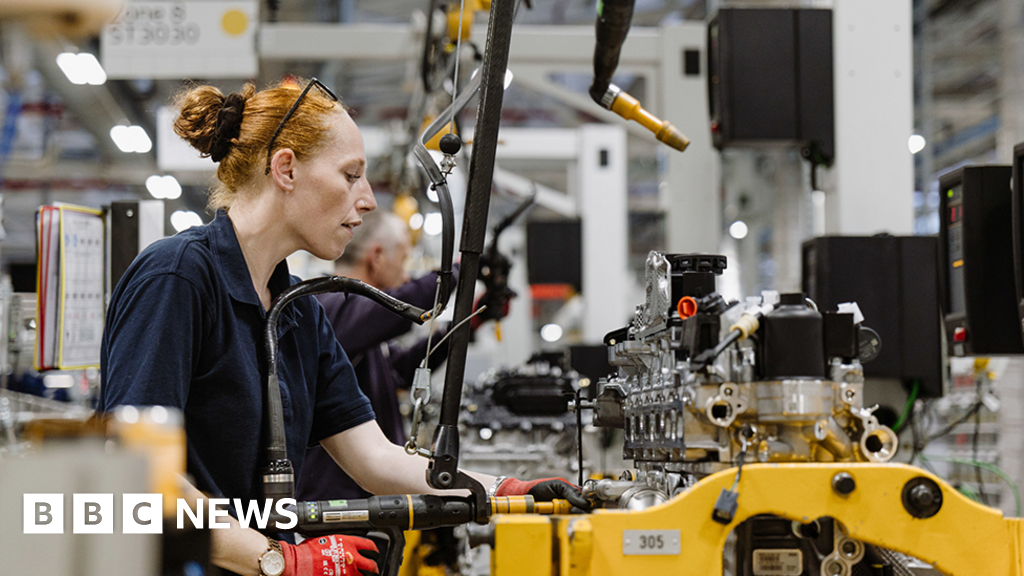
Jaguar Land Rover sees sales recover after cyber attack
-
Uncategorized1 week ago
[CinePlex360] Please moderate: “Trump signals p
-

 Entertainment6 days ago
Joe Jonas shares candid glimpse into parenthood with Sophie Turner
-

 Tech6 days ago
Our Favorite iPad Is $50 Off
-

 Sports6 days ago
UConn Final Four run could trigger a $50M furniture giveaway for Massachusetts-based Jordan’s Furniture
-

 Entertainment6 days ago
Blake Lively reacts to harassment claims dismissal against Justin Baldoni
-

 Fashion1 week ago
China’s Anta Sports posts record $11.62 bn revenue in 2025
-
 Business6 days ago
Video: Why Is the Labor Market Stuck?