

Business
Pakistan Seeks to Unlock Trillions in Mineral Wealth at PMIF26 – SUCH TV


Pakistan is taking decisive steps to transform its vast but underutilized mineral resources into a driver of strategic economic growth, as the country prepares to host the Second Pakistan Minerals Investment Forum (PMIF26) on April 8–9 in Islamabad.
With an estimated trillions of dollars in untapped reserves—including copper, gold, lithium, cobalt, rare earth elements, and gemstones—Pakistan aims to position itself as an investment-ready and responsible player in the global minerals market.
Despite its rich resource base, mineral exports remain minimal, and local communities have historically seen limited economic benefits.
The upcoming PMIF26 seeks to change this trajectory by promoting transparency, policy reform, and international partnerships.
The forum follows the success of PMIF25, which attracted over 5,000 delegates from 50 countries and resulted in 14 memorandums of understanding (MOUs).
Pakistan’s mineral wealth is largely concentrated in Balochistan, Khyber Pakhtunkhwa, and Gilgit-Baltistan, regions long underexplored due to security and infrastructure challenges.
Among the flagship projects is Reko Diq, one of the world’s largest undeveloped copper-gold deposits, estimated to contain over 5.9 billion tonnes of ore.
In addition, Pakistan’s gemstone reserves—valued at approximately $450 billion—remain vastly underexploited, with annual exports standing at just $5.8 million.
To address this gap, the government has introduced the country’s first national gemstone policy framework, targeting $1 billion in exports within five years through certification reforms, value addition, and youth-led entrepreneurship.
Prime Minister Shehbaz Sharif has approved the establishment of international-standard laboratories, certification systems, and centers of excellence to modernize the sector and attract private investment.
The reforms aim to integrate local miners and communities into formal supply chains while improving productivity and export potential.
Federal Minister for Petroleum Ali Pervaiz Malik has emphasized that PMIF26 will serve as a global platform for promoting sustainable mining, attracting foreign investment, and enhancing policy clarity.
The forum will feature strategic conferences, technical sessions, an international gemstone exhibition, and a comprehensive resource library for investors.
Pakistan is also strengthening international collaboration. A recent MOU between US-based Strategic Metals (USSM) and Pakistan’s Frontier Works Organization (FWO) highlights growing cooperation in critical minerals production and technology transfer.
US officials have described such partnerships as vital to both economic and strategic security.
Experts estimate that comprehensive development of Pakistan’s mineral and gemstone sector could add $5–7 billion annually to GDP over the next decade and create tens of thousands of jobs.
The government has stressed that environmental protection, worker safety, ESG compliance, and domestic value addition will remain central to future mining projects.
By processing minerals locally rather than exporting raw materials, Pakistan aims to maximize economic returns and ensure inclusive growth.
As global demand for critical minerals accelerates, PMIF26 is being positioned as a strategic milestone—signaling Pakistan’s transition from untapped potential to measurable economic performance and sustainable development.



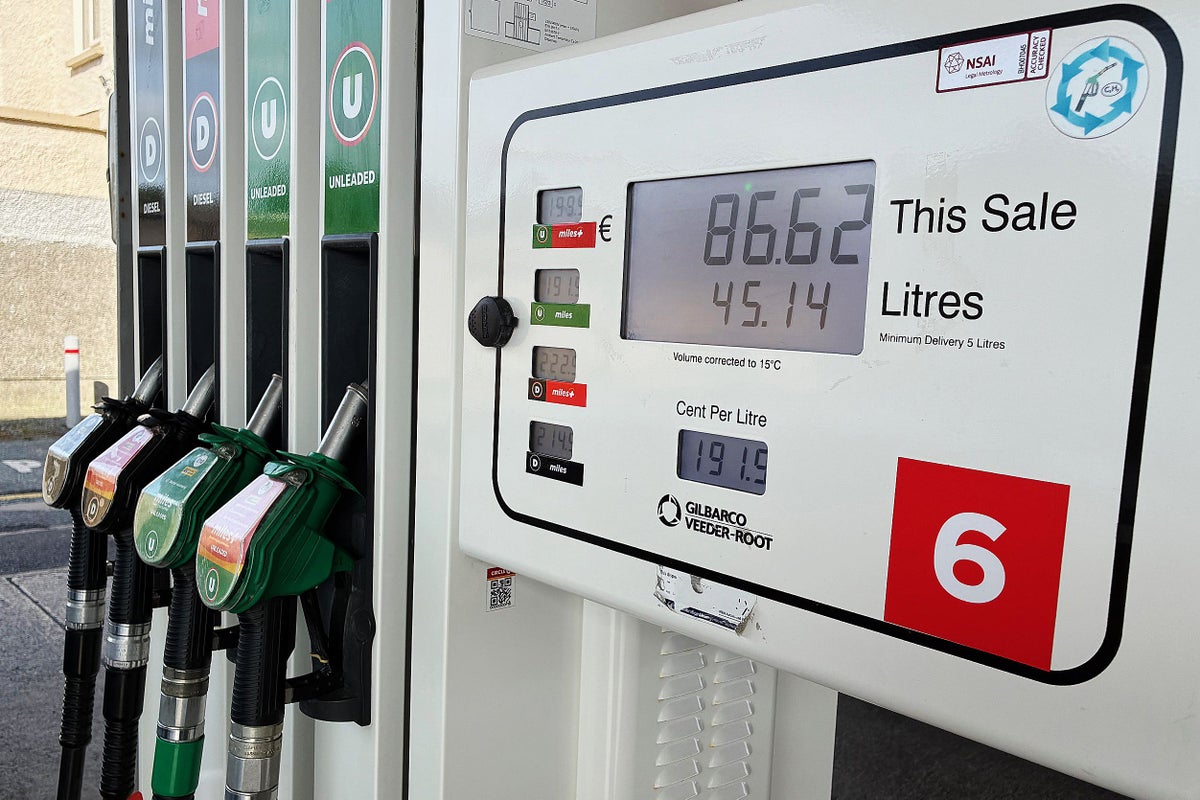
UK inflation lifted to its highest since December after a sharp jump in diesel and petrol prices caused by the conflict in the Middle East, according to official figures.
Chancellor Rachel Reeves said the Iran crisis was “not our war, but it is pushing up bills for families and businesses” as a result.
The rate of Consumer Prices Index (CPI) inflation increased to 3.3% in March from 3% in February, the Office for National Statistics said.
The increase was in line with predictions from economists.
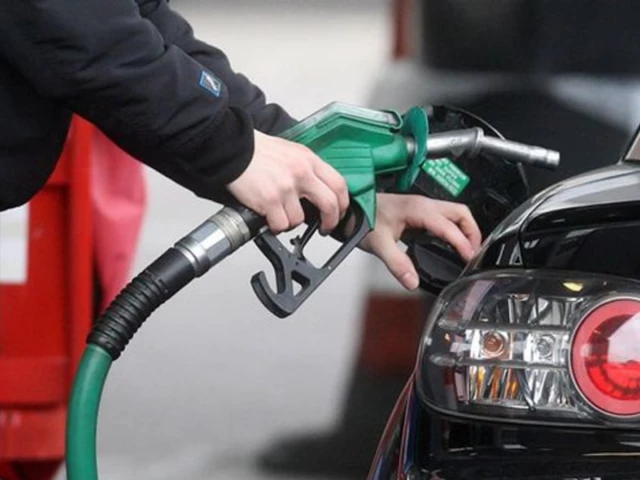
Higher motor fuel was the main driver of the acceleration in inflation, increasing by 8.7% month-on-month – the largest increase since June 2022, shortly after the Russian invasion of Ukraine.
The ONS found that the average price of petrol rose by 8.6p per litre between February and March to 140.2p per litre. This marked the highest price since August 2024.
Diesel prices meanwhile increased by 17.6p per litre in March to an average of 158.7p per litre, the highest price since November 2023.
Office for National Statistics chief economist Grant Fitzner said: “Inflation climbed in March, largely due to increased fuel prices, which saw their largest increase for over three years.
“Air fares were another upward driver this month, alongside rising food prices.
“The only significant offset came from clothing costs, where prices rose by less than this time last year.”
The data revealed that the cost of air travel also increased significantly, with inflation of 14.5% compared with the same month last year.
The rise in air fares, which analysts have partly linked to the early timing of the Easter holidays, was the highest since July last year.
Meanwhile, food and non-alcoholic drink prices were up 3.7% year-on-year in March, accelerating from 3.3% inflation in the previous month.
This included another acceleration in the price of sweets and chocolates, which were up 10.6% year-on-year.
Elsewhere, clothing and footwear had a downward pressure on inflation, as prices dipped 0.8% for the month.
Sales and discounting activity pulled inflation in the category to its lowest level since March 2021.
The rise in the overall rate of inflation drives the UK further away from the 2% inflation target set by the Government and the Bank of England.
Ms Reeves said: “We’re acting to protect people from unfair price rises if they occur to bring down food prices at the till, and are boosting long-term energy security — building a stronger, more secure economy.”
James Smith, developed markets economist at ING, said: “The latest rise in UK headline CPI tells us virtually nothing about the scale and duration of the inflation wave to come.
“The Bank of England is still flying blind, with the conflict unresolved, but the limited amount of survey data available so far suggests little cause for alarm on inflation.”
Anna Leach, chief economist at the Institute of Directors, said: “As inflation has come in in line with revised expectations, and given yesterday’s labour market data which showed a fall in vacancies and further downward progress in wage growth, interest rates should hold at next week’s MPC (Monetary Policy Committee) meeting.
“But there remains tremendous uncertainty over the outlook for energy supply and prices.”
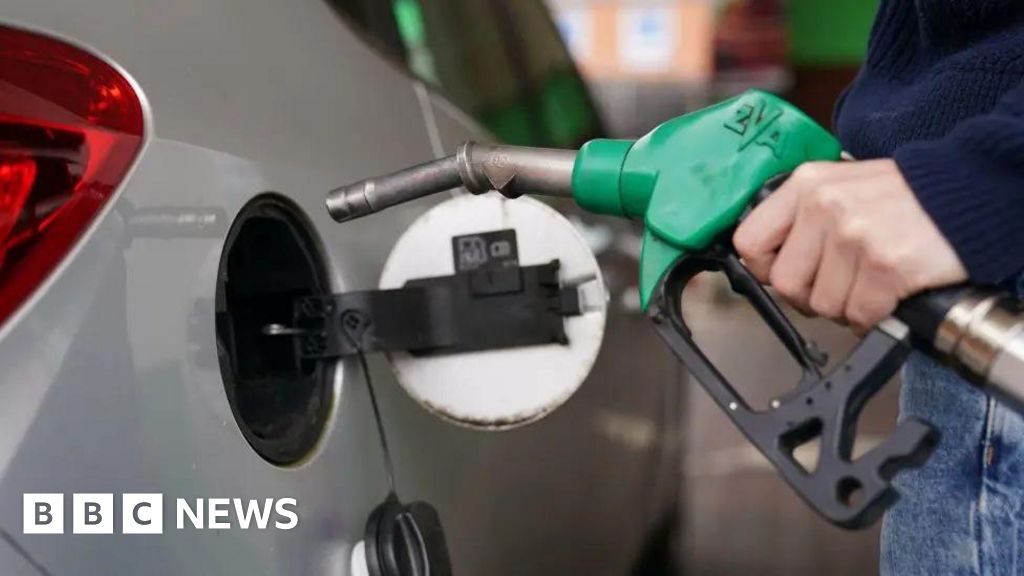
The Manx treasury says plans are in place to protect essential services in the wake of the Iran war.
Source link

Malaysia-based Karex produces more than five billion condoms a year and supplies global brands like Durex and Trojan.
Source link


Transfer rumors, news: Arsenal ramp up interest in Williams

Bangladesh RMG units call for allowing local FOC raw material sourcing
UK inflation accelerates after Iran war drives sharp rise in fuel prices

-

 Fashion6 days ago
France’s LVMH Q1 revenue falls 6%, shows resilience amid Iran war
-

 Sports1 week ago
The case for Man United’s Fernandes as Premier League’s best
-
 Business1 week ago
UK could adopt EU single market rules under new legislation
-

 Entertainment7 days ago
Is Claude down? Here’s why users are seeing errors
-

 Fashion1 week ago
Energy emerges as biggest cost driver in textile margins
-
 Business1 week ago
Delta Air Lines unveils first new Delta One suite in premium cabin arms race
-
 Fashion1 week ago
Asia claims largest share of markets on Kearney FDI Confidence Index
-

 Sports7 days ago
PSL 11: Peshawar Zalmi win toss, opt to field first against Quetta Gladiators