

Fashion
Trützschler set to showcase textile tech at ITMA Asia 2025

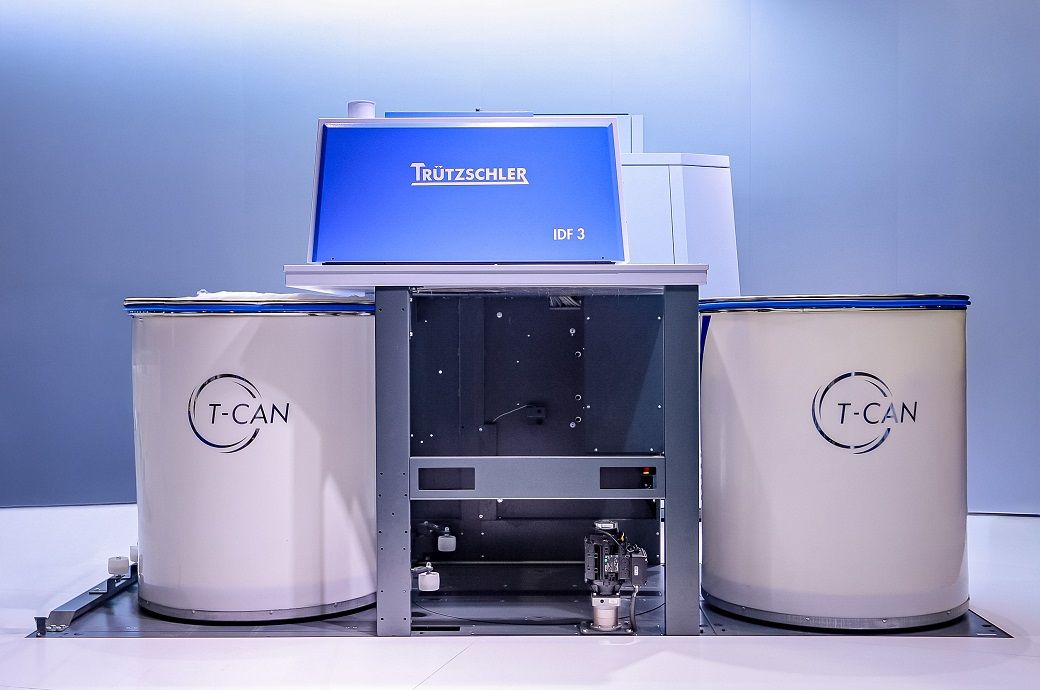
From October 28 to 31, the Trützschler Group will showcase its latest technologies at ITMA Asia in Singapore. Visit us at Booth D302 in Hall 4 at the Singapore Expo to explore cutting-edge solutions in Spinning, Card Clothing, and Nonwovens. A special highlight: our newest smart automation solution T-CAN, developed in response to growing labor costs and labor shortages in the textile industry. This innovation will be revealed exclusively at the show – don’t miss the opportunity to experience it first-hand.
Trützschler will showcase innovations at ITMA Asia 2025 in Singapore (Oct 28–31, Booth D302, Hall 4).
Highlights include T-CAN, a smart automation for sliver transport, plus the high-productivity TC 30i card with WASTECONTROL and IDF 3 draw frame.
Trützschler will also present advanced Card Clothing solutions and sustainable Nonwovens technologies for wipes, diapers, and technical uses.
Trützschler Spinning
At the heart of our booth, visitors will discover our latest automation innovation T-CAN – a smart system designed to revolutionize sliver transport in spinning preparation. While full details will be unveiled at the show, this solution reflects Trützschler’s commitment to simplifying operations and boosting efficiency through intelligent technology. Alongside this innovation, we will also showcase our proven next generation card TC 30i. Depending on the raw material, but especially in the field of man-made fibers, the TC 30i achieves up to 40% higher productivity compared to the current benchmark, while maintaining or even improving yarn quality. A sophisticated waste suction system enables the separate collection of different waste types, allowing more than 50% of card waste to be reused in a high-quality manner. The TC 30i also comes with the proven WASTECONTROL system, an easy-to-use and effective assurance against unnecessary fiber loss.
The IDF 3 integrated draw frame complements the TC 30i by enabling a shortened spinning preparation process for rotor and airjet applications without compromising on quality. In rotor spinning, the IDF 3 helps to improve yarn quality levels, especially when processing raw materials with high short fiber content. A new can changing system increases card efficiency by up to 3%. With its advanced measuring devices, more homogenous slivers and a higher yarn quality can be achieved. Overall, the IDF 3 enables a more compact setup that saves energy, space, and resources. Customers appreciate the machine’s user-friendly operation and its ability to achieve high-speed spinning in combination with the TC 30i card.
Trützschler Card Clothing
Trützschler Card Clothing (TCC) is excited to present its broad product portfolio at ITMA Asia in Singapore. From high-precision standard components to customer-specific innovations, TCC turns challenges into solutions by delivering technologies that combine precision and versatility, tailored for every application and individual customer need. All card clothings are specifically engineered and precisely aligned with Trützschler machines and processes – ensuring a high carding performance and consistent quality.
Trützschler Nonwovens
Trützschler Nonwovens will showcase its expertise in hydroentanglement, needle-punching, and Air-Through Bonding (ATB). In the field of hydroentanglement, visitors can learn more about the Carded Pulp (CP) nonwovens line which combines paper-grade pulp and viscose to produce 100% biodegradable nonwovens for sustainable wipes. For needle-punching, Trützschler Nonwovens will provide an overview of the T-SUPREMA needle-punching line that stands out for its flexibility, productivity and stability across technical applications such as automotive, filtration, geotextiles, and acoustics.
Our experts will share insights into a groundbreaking advancement in ATB technology: the world’s only industrial-scale solution for processing 0.6 denier ultra-fine bicomponent fibers. This machine setup enables the production of exceptionally soft and high-performance nonwovens for premium baby diapers, including topsheets, backsheets, and absorbent distribution layers (ADL). These nonwovens meet the highest global standards for comfort, fluid management, and skin-friendliness.
Supporting all these processes, the X-Series embodies Trützschler Nonwovens’ carding expertise. The NCT-X and NC-X deliver robust, consistent quality with high output and stability, while the NC-Xe offers a cost-effective entry-level solution with built-in scalability and upgrade options.
Be there when the innovation happens – let’s connect in Singapore!
ITMA Asia 2025 is your chance to experience Trützschler’s latest innovations up close – including a never-before-seen automation solution that addresses key industry challenges. Our experts from Spinning, Nonwovens, and Card Clothing look forward to welcoming you at booth D302 in Hall 4!
Note: The headline, insights, and image of this press release may have been refined by the Fibre2Fashion staff; the rest of the content remains unchanged.
Fibre2Fashion News Desk (HU)









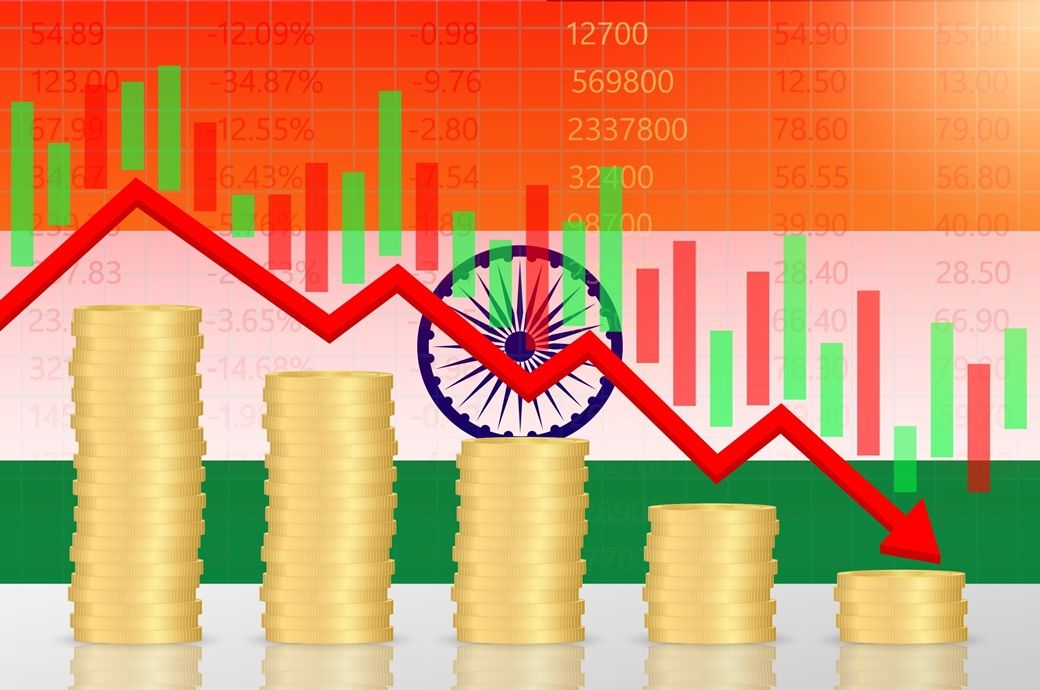
While trends in high frequency indicators for January-February 2026 appear favourable, the heightened uncertainty around the duration of the Middle East conflict casts a shadow on the near-term macroeconomic outlook for India amid high import dependency for items like crude oil, natural gas and fertilisers, it noted.
India’s FY27 GDP growth is likely to slow to 6.5 per cent from the projected 7.5 per cent in FY26 owing to the impact of higher energy prices and concerns around energy availability, ICRA Ratings said.
The heightened uncertainty around the duration of the Iran war casts a shadow on the near-term macroeconomic outlook for India.
If the conflict lasts longer, the adverse effects could widen across sectors.
If the conflict lasts for an extended period, the adverse implications of the same could widen across sectors, amid an uptick in input costs and the consequent impact on profitability of the India corporate sector.
Amid the projected uptrend in the consumer price index-based inflation in FY27 with risks tilted to the upside, ICRA Ratings expects an extended pause on the policy rates by the central bank’s monetary policy committee in the fiscal despite the anticipated softening in the GDP growth. However, it expects the Reserve Bank of India to continue to intervene on the liquidity front during FY27.
The available data for January–February FY2026 indicate a positive trend across most non-agricultural indicators, with the year-on-year performance of 12 out of 18 indicators improving compared to the third quarter of FY26, while the remaining six deteriorated.
Fibre2Fashion News Desk (DS)
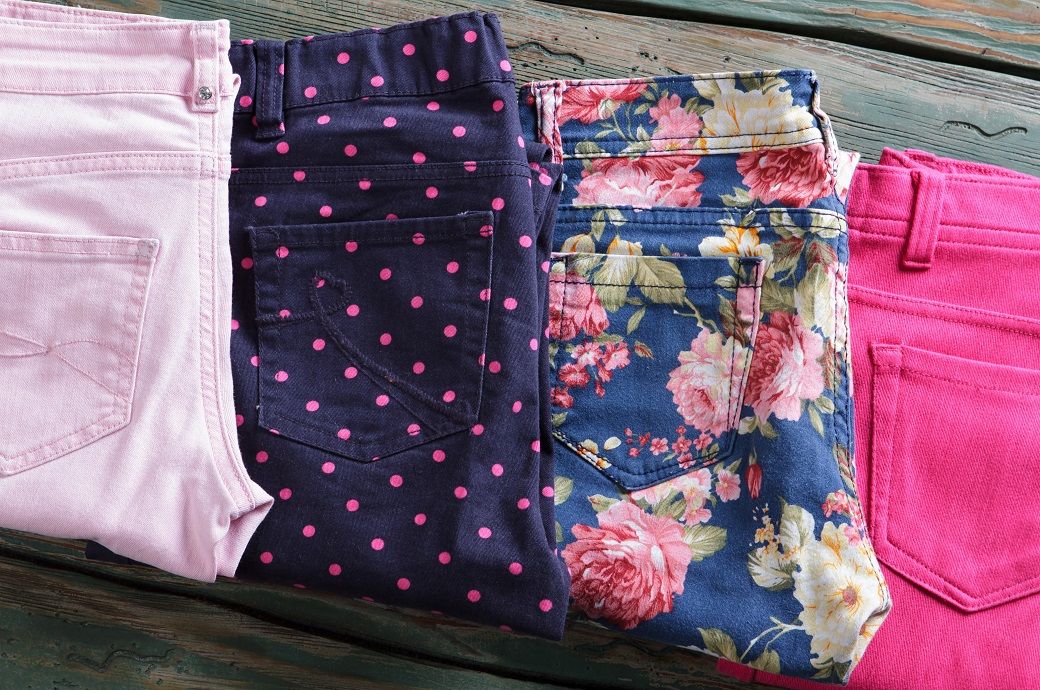
Indonesia’s apparel exports rose modestly to $8.705 billion in 2025 from $8.316 billion in 2024, reflecting gradual recovery.
The US remained dominant, accounting for over 56 per cent of shipments, highlighting growing market dependence.
While Japan, South Korea and Europe offered stability, exports stayed concentrated in key products and segments.
Source link

Methanol prices in India have surged nearly 150 per cent from pre-Iran–US tension levels, tracking a sharp rise in crude oil and tightening global energy markets.
Hormuz disruption risks, limited rerouting capacity, rising freight and insurance costs, and constrained imports are fuelling volatility, with prices seen approaching ₹90 per kg.
Source link


Italy miss out on third straight WC in shootout loss to Bosnia

Household energy bill drop ‘short-lived respite’ amid fears of July hike

Robotaxi Outage in China Leaves Passengers Stranded on Highways

-

 Politics1 week ago
Afghanistan announces release of detained US citizen
-

 Sports1 week ago
Broadcast industry CEO says consolidation is ‘essential’ to compete for NFL soaring media rights prices
-

 Tech1 week ago
Can a Home Appliance Fix the Problem of Soft-Plastic Waste?
-
 Business1 week ago
Property Play: Home flippers see smallest profits since the Great Recession, real estate data firm says
-

 Entertainment1 week ago
UN warns migratory freshwater fish numbers are spiralling
-
 Business1 week ago
Gold prices soar in Pakistan – SUCH TV
-

 Fashion1 week ago
ICE cotton slips on weaker crude, profit booking
-
 Business1 week ago
More women are entering wealth management, but few are in advisory roles, study finds