

Fashion
Trützschler set to showcase textile tech at ITMA Asia 2025

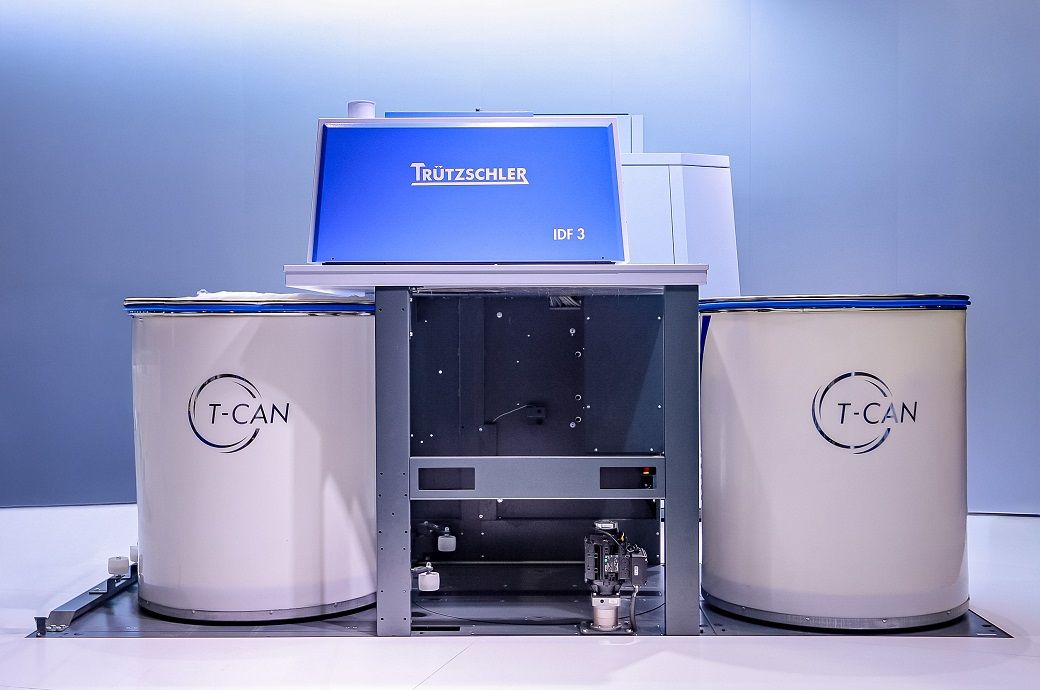
From October 28 to 31, the Trützschler Group will showcase its latest technologies at ITMA Asia in Singapore. Visit us at Booth D302 in Hall 4 at the Singapore Expo to explore cutting-edge solutions in Spinning, Card Clothing, and Nonwovens. A special highlight: our newest smart automation solution T-CAN, developed in response to growing labor costs and labor shortages in the textile industry. This innovation will be revealed exclusively at the show – don’t miss the opportunity to experience it first-hand.
Trützschler will showcase innovations at ITMA Asia 2025 in Singapore (Oct 28–31, Booth D302, Hall 4).
Highlights include T-CAN, a smart automation for sliver transport, plus the high-productivity TC 30i card with WASTECONTROL and IDF 3 draw frame.
Trützschler will also present advanced Card Clothing solutions and sustainable Nonwovens technologies for wipes, diapers, and technical uses.
Trützschler Spinning
At the heart of our booth, visitors will discover our latest automation innovation T-CAN – a smart system designed to revolutionize sliver transport in spinning preparation. While full details will be unveiled at the show, this solution reflects Trützschler’s commitment to simplifying operations and boosting efficiency through intelligent technology. Alongside this innovation, we will also showcase our proven next generation card TC 30i. Depending on the raw material, but especially in the field of man-made fibers, the TC 30i achieves up to 40% higher productivity compared to the current benchmark, while maintaining or even improving yarn quality. A sophisticated waste suction system enables the separate collection of different waste types, allowing more than 50% of card waste to be reused in a high-quality manner. The TC 30i also comes with the proven WASTECONTROL system, an easy-to-use and effective assurance against unnecessary fiber loss.
The IDF 3 integrated draw frame complements the TC 30i by enabling a shortened spinning preparation process for rotor and airjet applications without compromising on quality. In rotor spinning, the IDF 3 helps to improve yarn quality levels, especially when processing raw materials with high short fiber content. A new can changing system increases card efficiency by up to 3%. With its advanced measuring devices, more homogenous slivers and a higher yarn quality can be achieved. Overall, the IDF 3 enables a more compact setup that saves energy, space, and resources. Customers appreciate the machine’s user-friendly operation and its ability to achieve high-speed spinning in combination with the TC 30i card.
Trützschler Card Clothing
Trützschler Card Clothing (TCC) is excited to present its broad product portfolio at ITMA Asia in Singapore. From high-precision standard components to customer-specific innovations, TCC turns challenges into solutions by delivering technologies that combine precision and versatility, tailored for every application and individual customer need. All card clothings are specifically engineered and precisely aligned with Trützschler machines and processes – ensuring a high carding performance and consistent quality.
Trützschler Nonwovens
Trützschler Nonwovens will showcase its expertise in hydroentanglement, needle-punching, and Air-Through Bonding (ATB). In the field of hydroentanglement, visitors can learn more about the Carded Pulp (CP) nonwovens line which combines paper-grade pulp and viscose to produce 100% biodegradable nonwovens for sustainable wipes. For needle-punching, Trützschler Nonwovens will provide an overview of the T-SUPREMA needle-punching line that stands out for its flexibility, productivity and stability across technical applications such as automotive, filtration, geotextiles, and acoustics.
Our experts will share insights into a groundbreaking advancement in ATB technology: the world’s only industrial-scale solution for processing 0.6 denier ultra-fine bicomponent fibers. This machine setup enables the production of exceptionally soft and high-performance nonwovens for premium baby diapers, including topsheets, backsheets, and absorbent distribution layers (ADL). These nonwovens meet the highest global standards for comfort, fluid management, and skin-friendliness.
Supporting all these processes, the X-Series embodies Trützschler Nonwovens’ carding expertise. The NCT-X and NC-X deliver robust, consistent quality with high output and stability, while the NC-Xe offers a cost-effective entry-level solution with built-in scalability and upgrade options.
Be there when the innovation happens – let’s connect in Singapore!
ITMA Asia 2025 is your chance to experience Trützschler’s latest innovations up close – including a never-before-seen automation solution that addresses key industry challenges. Our experts from Spinning, Nonwovens, and Card Clothing look forward to welcoming you at booth D302 in Hall 4!
Note: The headline, insights, and image of this press release may have been refined by the Fibre2Fashion staff; the rest of the content remains unchanged.
Fibre2Fashion News Desk (HU)









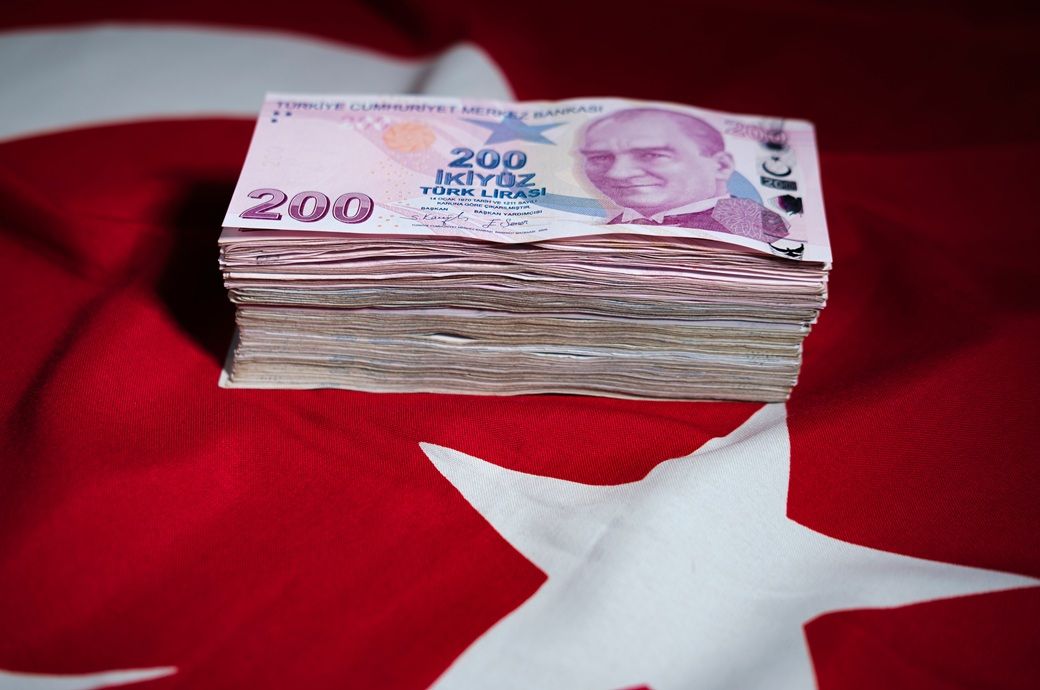
Current account excluding gold and energy indicated net deficit of $3.9 billion, while goods saw a deficit of $9.5 billion.
Turkiye recorded a current account deficit (CAD) of $9.6 billion in March, the country’s central bank said.
Treasury and Finance Minister Mehmet Simsek said the CAD is expected to widen this year, due to high energy and non-energy commodity prices.
Simsek said the deterioration is likely to remain temporary and manageable, thanks to stronger macroeconomic fundamentals and policy gains.
According to annualised data, current account deficit recorded as $39.7 billion (2.6 per cent of gross domestic product) in March, while the goods deficit recorded as $77.8 billion.
Simsek said the deterioration is likely to remain temporary and manageable thanks to stronger macroeconomic fundamentals and policy gains, domestic media outlets reported.
Turkiye is heavily reliant on imported energy, whose prices spiralled due to the Middle East conflict.
Simsek said elevated global commodity prices would put pressure on the external balance, but emphasised that the government’s economic programme had improved resilience against such shocks.
He said foreign direct investment (FDI) inflows totalled $1 billion in March, bringing annualised foreign direct investment to $12.6 billion.
The new investment incentive package under discussion in parliament now is expected to strengthen the country’s financing structure and support long-term capital inflows, he added.
Fibre2Fashion News Desk (DS)
During the first quarter of ****, the UK’s imports of textile fabrics eased down *.** to £*,*** million (~$*,*** million), against £*,*** million in January-March **** but slightly higher from £*,*** million in the fourth quarter of ****. Its imports of fibre were noted at £** million (~$***.** million) steady as £** million in Q*, **** but slightly lower than £** million in Q*, ****.
During the third month of this year, the country’s clothing imports declined *.** per cent to £*.*** billion (~$*.*** billion), compared with £*.*** billion in March ****. But the inbound shipment was slightly higher month on month compared with £*.*** billion in February ****.
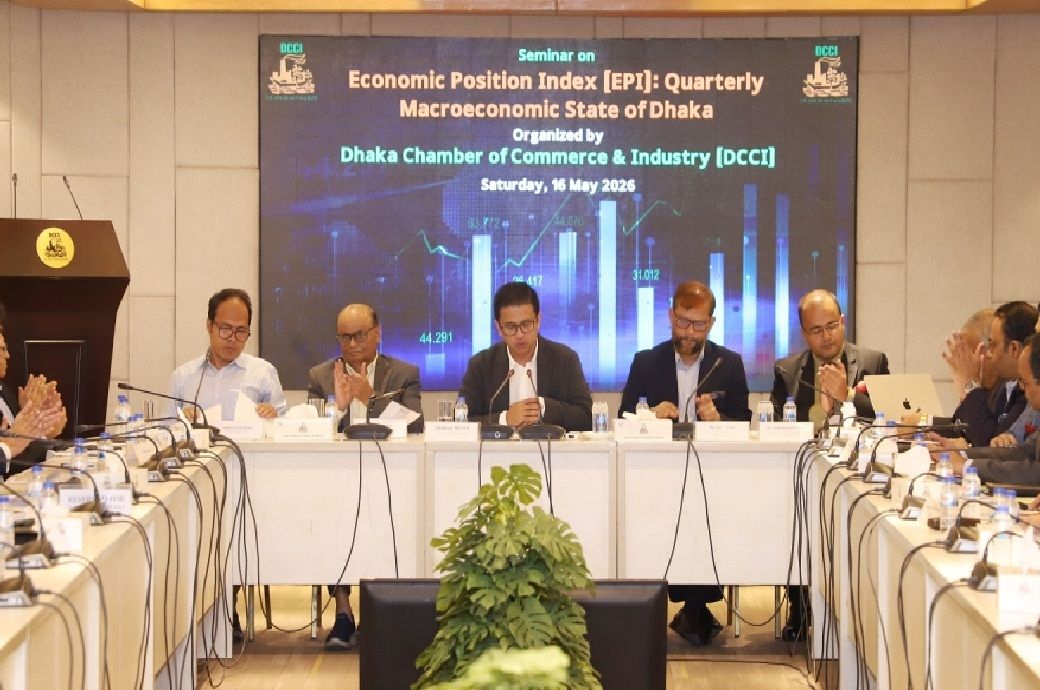
Higher rents, utility bills and fuel prices are eating away at already thin profit margins, it found.
High inflation is cutting deep into Bangladesh consumer spending, with weak demand turning one of the biggest concerns for businesses, DCCI said.
Higher rents, utility bills and fuel prices are eating away at already thin profit margins.
DCCI’s economic position index revealed that consumers have sharply reduced spending as the cost of living continues to rise.
SMEs are feeling the pressure the most.
The chamber’s economic position index (EPI) revealed that consumers have sharply reduced spending as the cost of living continues to rise, putting pressure on retailers, transport operators and other service providers.
Small and medium enterprises (SMEs) are feeling the pressure the most as they struggle to manage higher operating costs without losing customers.
Businesses also cited difficulties in obtaining bank loans, while delays in licensing and other regulatory procedures are adding to costs.
The DCCI report identified a shortage of skilled workers, particularly in technical and customer service roles, as another challenge for the sector.
The country’s inflation rose to 9.04 per cent in April from 8.71 per cent in March, according to official statistics.
Fibre2Fashion News Desk (DS)


What to expect from "Survivor 50" finale
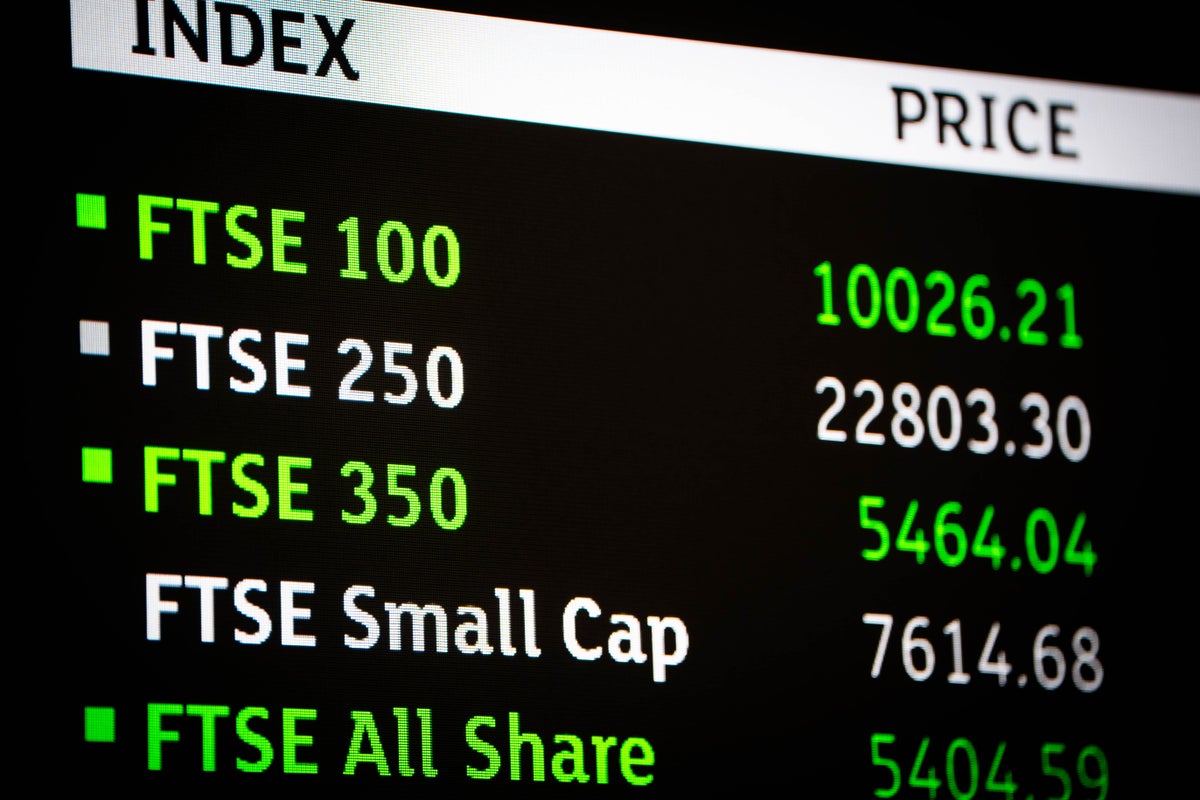
FTSE 100 up amid calmer bonds but oil rises again

Two Americans arrested at Japanese zoo

-

 Entertainment6 days ago
Conan O’Brien hat tricks as Oscar host
-

 Tech1 week ago
Could Contact-Tracing Apps Help With the Hantavirus? Not Really
-

 Fashion5 days ago
Italy’s Zegna Group’s Q1 growth boosted by strong organic performance
-

 Sports1 week ago
Bobby Cox, legendary Atlanta Braves manager who led 1995 World Series champions, dead at 84
-

 Entertainment1 week ago
Martin Short: Facing tragedy with joy
-

 Entertainment1 week ago
Tom Brady gets back at Kevin Hart during Netflix roast
-

 Sports1 week ago
Jacob Fatu unleashes vicious assault on Roman Reigns after World Heavyweight Championship loss at WWE Backlash
-

 Entertainment1 week ago
Martha Stewart: How to make an omelet