

Fashion
Turkiye’s apparel exports fall 6.9% in Jan-Sep amid weak global demand

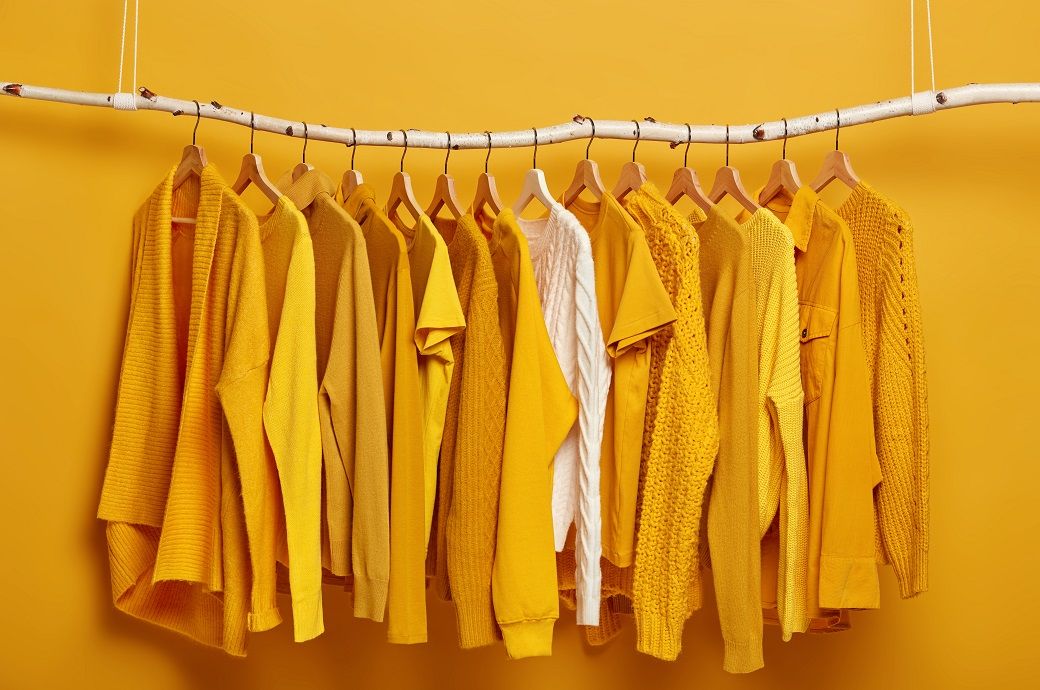
Exports of knitted and crocheted clothing and accessories (HS Chapter **) fell by *.* per cent to $*,***.*** million, down from $*,***.*** million in January–September ****. Non-knitted apparel and accessories (HS Chapter **) declined by *.* per cent, dropping to $*,***.*** million from $*,***.*** million during the same period last year, as per the trade report on the top twenty chapters.
The sharper decline in woven apparel highlights the stronger impact of cost inflation and global retail destocking on higher-value segments, while knitwear showed relatively greater resilience due to sustained demand for basic, affordable categories.









Support will be provided through two-way contracts for difference, where a competitively determined strike price ensures revenue stability. If alternative fuel prices fall below this level, the Italian government will compensate producers; if they exceed it, producers will repay the difference. The scheme will run until 31 December 2029.
The European Commission has approved a €6 billion (~$6.5 billion) Italian state aid scheme to produce 200,000 tonnes of renewable hydrogen annually.
Using contracts for difference, the programme will support decarbonisation in transport and industry by ensuring price stability, while promoting investment, competitiveness, and emissions reduction across high-impact sectors.
The Commission concluded that the measure is necessary, proportionate, and incentivises investment that would not occur without public support. It also found that the environmental benefits, particularly in reducing emissions from hard-to-abate sectors, outweigh potential competition distortions.
Fibre2Fashion News Desk (JP)
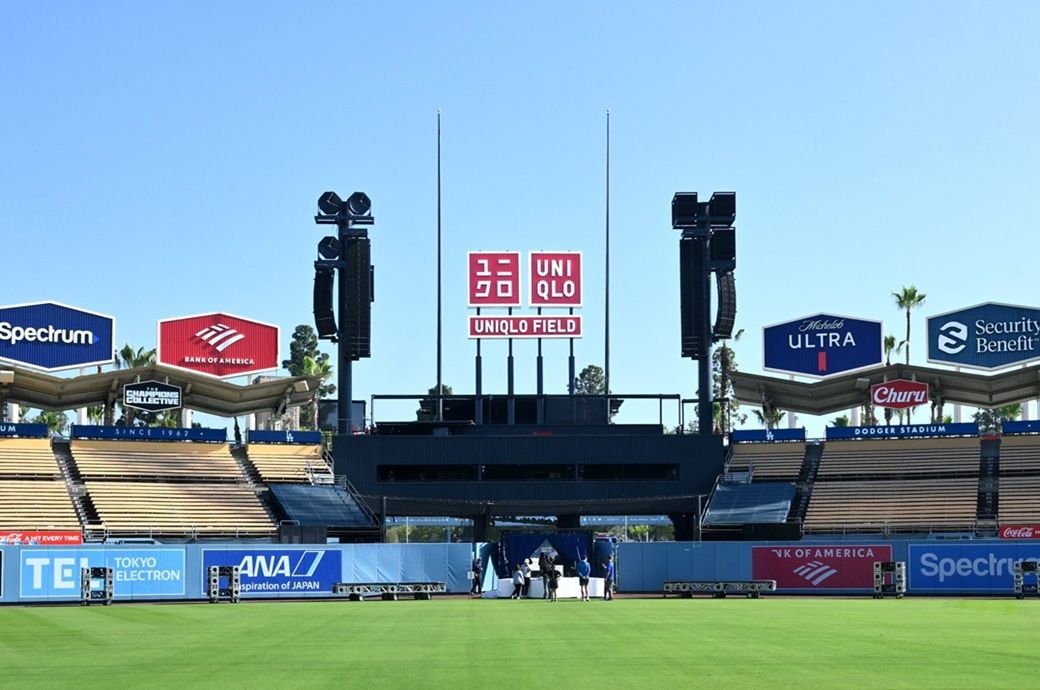
Bringing together two world-class brands, each with loyal supporters around the globe, the alliance is the first major sports partnership for UNIQLO in the United States. Under the agreement, UNIQLO will have naming displays in various stadium locations including above the batter’s eye in center field, on the facade beneath the press box, and on the grass along the baselines.
“With UNIQLO, we have established a historic partnership that we’re very proud to present in our ballpark,” said Stan Kasten, President & CEO, Los Angeles Dodgers. “UNIQLO is as distinguished in their field as the Dodgers are on ours. Both organizations aspire to be global leaders and to set the standard in our respective industries and communities.”
The Los Angeles Dodgers and Uniqlo have formed a landmark partnership featuring prominent “Uniqlo Field at Dodger Stadium” branding across the venue.
The collaboration, Uniqlo’s first major US sports deal, will include fan events, LifeWear giveaways, and dedicated in-store displays in California to strengthen engagement with both Dodgers fans and Uniqlo customers.
Commenting on the news, Tadashi Yanai, UNIQLO Founder and Fast Retailing Group Chairman, said, “It is a great honor to partner with the Los Angeles Dodgers – such a prestigious, world-class team that innovates with the times. For everyone at UNIQLO, this is a dream partnership that brings people everywhere together. Like the Dodgers, UNIQLO aims to be No. 1 in the world. We look forward to teaming with the Dodgers to deliver new value to fans and customers in Los Angeles and the United States as we continue our work to become the most loved and most trusted brand here and around the world.”
With a scope wider than typical sports sponsorships, the new partnership includes:
A focus on Dodgers fans
An in-stadium event will be hosted early in the coming season at UNIQLO Field at Dodger Stadium. This will be a large-scale event, introducing UNIQLO to thousands of Dodgers fans with giveaways of UNIQLO LifeWear items.
Efforts to engage UNIQLO customers
UNIQLO plans to create dedicated in store spaces at select locations in California, with a focus on the Los Angeles area, to showcase and promote the partnership.
A genuine commitment to the Los Angeles community
Joint contributions to the community will be an ongoing priority of the partnership. UNIQLO and the Dodgers are now working on a range of community-impact initiatives that specifically benefit the citizens and communities of Los Angeles, with a key focus on the next generation. Details will be announced around May.
Note: The headline, insights, and image of this press release may have been refined by the Fibre2Fashion staff; the rest of the content remains unchanged.
Fibre2Fashion News Desk (RM)
Total apparel imports (HS ** and ** combined) stood at NZ$***.** million (~$***.** million) in January–February ****, down from NZ$***.** million in the same period of ****, marking a decline of **.* per cent year on year.
The country’s imports of knitted apparel (HS **) fell to NZ$***.** million (~$***.** million) in the first two months of current year, compared with NZ$***.** million a year earlier, registering a decline of **.** per cent. Similarly, non-knitted apparel (HS **) imports dropped to NZ$***.** million (~$**.** million) from NZ$***.** million, reflecting a decrease of **.** per cent. The parallel contraction across both segments indicates broad-based weakness in garment imports rather than category-specific pressure.


EU clears $6.5 bn Italy renewable hydrogen support scheme

Apparel retailer Uniqlo signs landmark deal with Los Angeles Dodgers

Visa launches new AI tools to manage the charge dispute process

-

 Politics1 week ago
Afghanistan announces release of detained US citizen
-

 Tech1 week ago
Can a Home Appliance Fix the Problem of Soft-Plastic Waste?
-

 Sports1 week ago
Broadcast industry CEO says consolidation is ‘essential’ to compete for NFL soaring media rights prices
-
 Business1 week ago
Property Play: Home flippers see smallest profits since the Great Recession, real estate data firm says
-

 Entertainment1 week ago
UN warns migratory freshwater fish numbers are spiralling
-
 Business1 week ago
Gold prices soar in Pakistan – SUCH TV
-

 Fashion1 week ago
ICE cotton slips on weaker crude, profit booking
-
 Business1 week ago
More women are entering wealth management, but few are in advisory roles, study finds