

Politics
Uganda bus crash leaves at least 63 dead

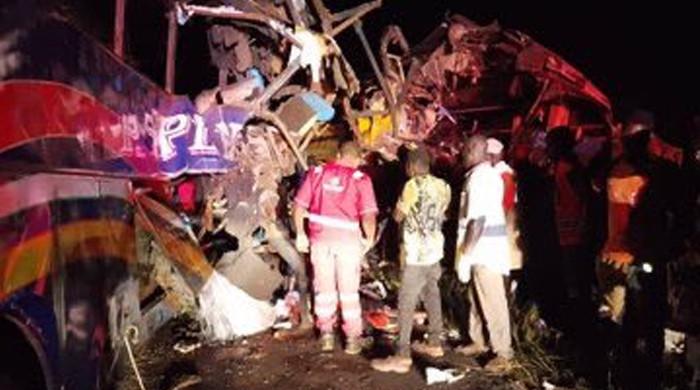
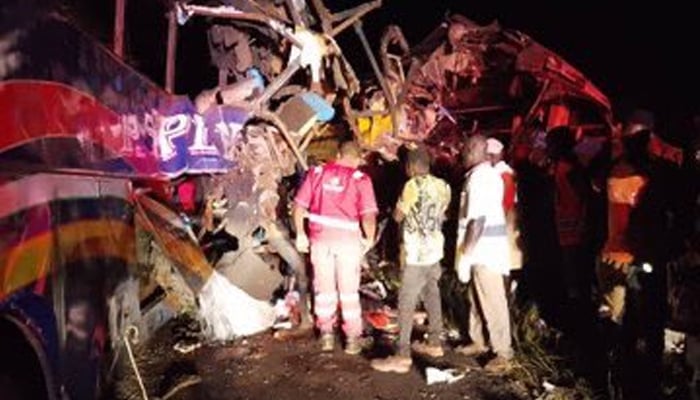
Aroad accident involving two buses on one of Uganda’s busiest highways killed at least 63 people and left others injured, police said on Wednesday.
The crash happened just after midnight on the highway between the capital Kampala and the northern city of Gulu.
Initial investigations suggest it was caused by two buses coming from opposite directions trying to overtake other vehicles, a lorry and a sport utility vehicle (SUV).
“In the process both buses met head-on during the overtaking manoeuvres,” the Uganda Police Force said in a statement on X.
“Sixty-three people lost lives, all occupants from involved vehicles”.
- Sajid Akram moved to Australia in 1998, say Indian authorities.
- Akram last visited India in 2022, say Indian officials.
- His son, Naveed, the second attacker, was born in Australia in 2001.
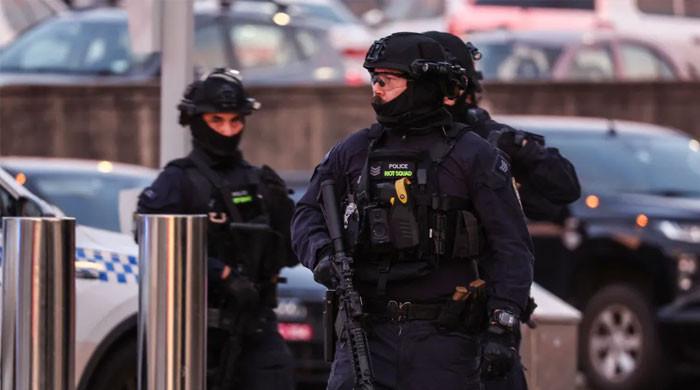
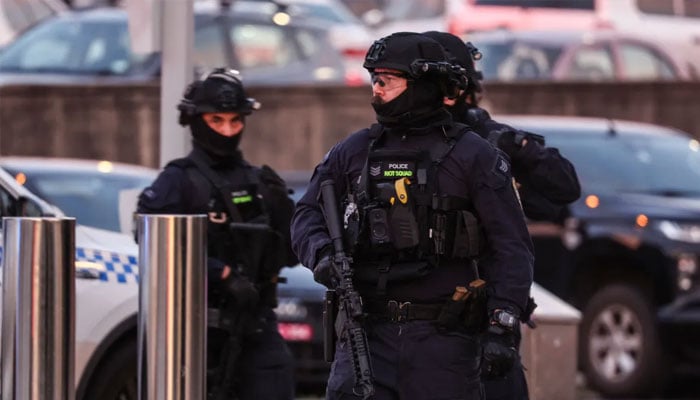
One of the two attackers involved in the Bondi Beach shooting that left at least 15 people dead during a Jewish gathering in Australia on December 14 was from Hyderabad, according to Indian government officials, The Hindu reported.
The Indian authorities shared the details of the gunman, Sajid Akram, 50, who is now dead, after conducting a background verification, as per the report.
As per the Indian officials, Sajid, a resident of Tolichowki in Indian Hyderabad, moved to Australia in 1998 on a student visa and had returned to India only “two-three occasions” since relocating.
He last visited India in 2022.
“His father died in 2017; he did not even come to attend his last rites,” said a top government official.
According to another official, Sajid’s immediate family continues to live in Hyderabad, and his elder brother is a medical doctor.
Sajid’s son, Naveed, 24, the second attacker, was born in Australia in 2001 and holds Australian citizenship. He was also shot by the police during the Bondi Beach massacre and is currently receiving treatment in hospital.
“After completing bachelors in commerce from Hyderabad, Sajid moved to Australia and married a European woman. He retained his Indian passport,” said the official.
Responding to questions about possible domestic connections, the official said: “Preliminary investigation does not establish any local links so far. We do not have access to his activities in Australia. His background was checked based on information from our sources.”
Sources also told The Hindu that Australian authorities are “in touch” with Indian officials as the investigation continues.
When asked whether Sajid was of Indian origin, as suggested in reports, Australian Prime Minister Anthony Albanese said the matter was still under investigation.
“So I can’t go into that detail and it wouldn’t be appropriate to undermine the investigation by going into it,” Albanese told reporters on Tuesday.
Telangana state police, in a statement, also confirmed that Akram was originally from the southern Indian city of Hyderabad, adding that he had limited contact with his family in India.
“The family members have expressed no knowledge of his radical mindset or activities, nor of the circumstances that led to his radicalisation,” the police added.
Bondi suspect arrived in Philippines as ‘Indian’
Earlier, the Philippines authorities also said that Sajid was an Indian national, citing the gunman’s travel documents.
Sajid Akram and his son Naveed entered the country on November 1 with the southern province of Davao listed as their final destination, the Philippines immigration bureau had said.
The father and son spent nearly the entire month of November in the Philippines, authorities in Manila confirmed, with the father entering as an “Indian national”.
“Sajid Akram, 50, Indian national, and Naveed Akram, 24, Australian national, arrived in the Philippines together last November 1, 2025 from Sydney, Australia,” immigration spokeswoman Dana Sandoval told AFP.
“Both reported Davao as their final destination. They left the country on November 28, 2025 on a connecting flight from Davao to Manila, with Sydney as their final destination.”
Police and military sources had earlier told reporters they were still in the process of confirming the duo’s presence in the country.
“Early indications point to a terrorist attack inspired by Daesh, allegedly committed by a father and son,” Australian Federal Police Commissioner Krissy Barrett said at a news conference.
“These are the alleged actions of those who have aligned themselves with a terrorist organisation, not a religion.”
Police also said the vehicle which is registered to the younger male contained improvised explosive devices and two homemade flags associated with ISIS, or Daesh, a militant group designated by Australia and many other countries as a terrorist organisation.
Videos have emerged of the younger shooter preaching religion outside train stations in suburban Sydney. Authorities are still trying to piece together how he went down the path of violence.
The attack on Sunday was Australia’s worst mass shooting in nearly 30 years, and is being investigated as an act of terrorism targeting the Jewish community.
The death toll stands at 16, including Sajid, who was shot by police on the spot. The man’s 24-year-old son and alleged accomplice, Naveed, was in critical condition in the hospital after also being shot.
The 15 victims ranged from a rabbi who was a father of five, to a Holocaust survivor, to a 10-year-old girl named Matilda Britvan, according to interviews, officials and media reports. Two police officers remained in critical but stable condition in the hospital, New South Wales police said.
Australian Prime Minister Anthony Albanese said Tuesday that the two men had likely been radicalised by “Daesh ideology”.
Davao is a large urban centre located on the eastern side of Mindanao, the Philippines’ largest southern island. Armed groups are known to be active in economically disadvantaged areas of central and southwestern Mindanao.
The Philippine military, however, said it was unable to promptly verify claims that the two individuals had received “military-style training” during their time in the country, despite earlier reports suggesting otherwise.
Mindanao also has a long history of insurgencies against central government rule.
Pro-Daesh Maute and Abu Sayyaf militants — including foreign and local fighters — held Mindanao’s Marawi under siege in 2017.
The Philippine military wrested back the ruined city after a five-month battle that claimed more than 1,000 lives and displaced hundreds of thousands of people.
While insurgent activity in Mindanao has significantly abated in the years since, the Philippine army continues to hunt leaders of groups deemed to be “terrorists”.
A spokesman for the army’s Mindanao-based 6th Infantry Division told AFP on Tuesday that they had heard nothing in recent years about Daesh-linked training camps or foreigners training with local insurgents.
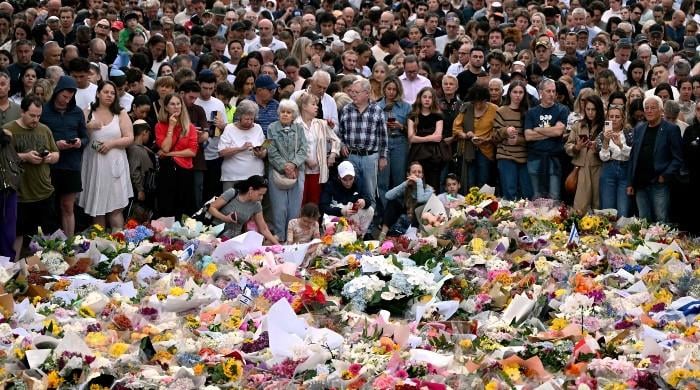
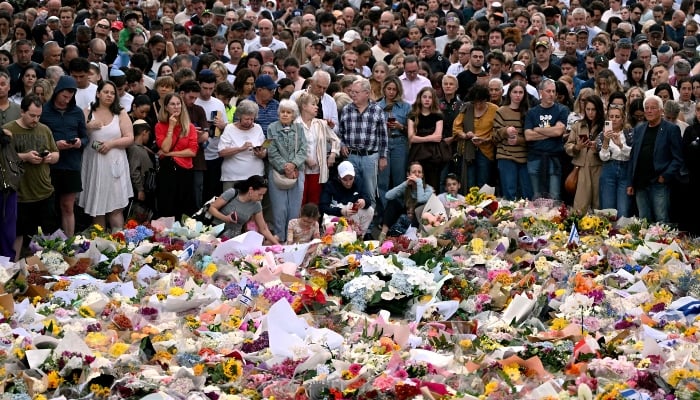
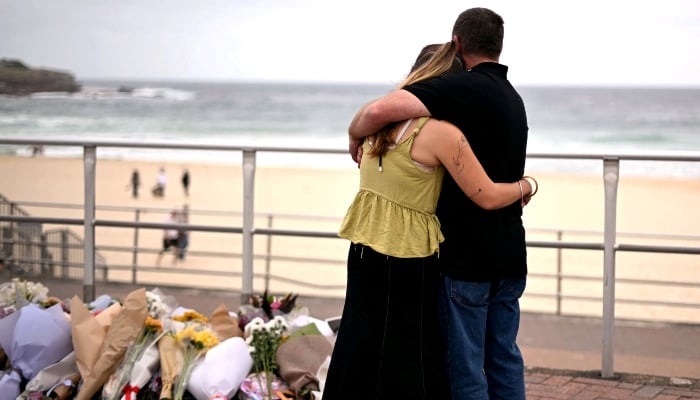
SYDNEY: Australia is reckoning with one of its deadliest mass shootings after a father and son opened fire on crowds gathered for a Jewish festival at Bondi Beach.
Using witness testimony, amateur footage and official statements, AFP pieced together a timeline of Sunday’s attack that killed 15 people and wounded dozens.
Teenage Daesh supporter
Naveed Akram, 24, first caught the eye of Australia’s intelligence agency in 2019, when he was a teenager rubbing shoulders with supporters of the Daesh group in Sydney.
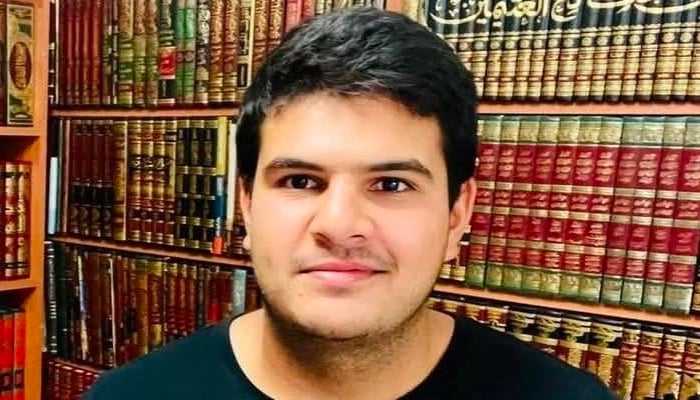
Prime Minister Anthony Albanese said on Tuesday two of Naveed’s associates were later jailed but he was not considered a serious threat and largely fell off the radar.
That was until he joined his 50-year-old father Sajid Akram in a shooting spree aimed at Jewish crowds gathered to celebrate Hanukkah.
Philippines trip
Sajid and Naveed booked a trip to the southern Philippines in the weeks before the attack but the purpose of their visit remains unclear.
Australian broadcaster ABC said they went to run military drills with extremist organisations.
They had already been radicalised by an “Daesh ideology” by that point, authorities said.
Going fishing
Naveed told family before the shooting that he was taking his father on a fishing trip to Jervis Bay, about two hours’ drive south of Sydney.
He later told his mother stories about scuba diving, what he had been eating, and how he was wilting in the oppressive heat.
“Anyone would wish to have a son like my son… he’s a good boy,” his mother Verena told local media.
However, the pair were in reality staying at a humble Airbnb in Sydney’s outer suburbs, where authorities believe they plotted the attack.
Police later seized two guns from the property.
5.15pm
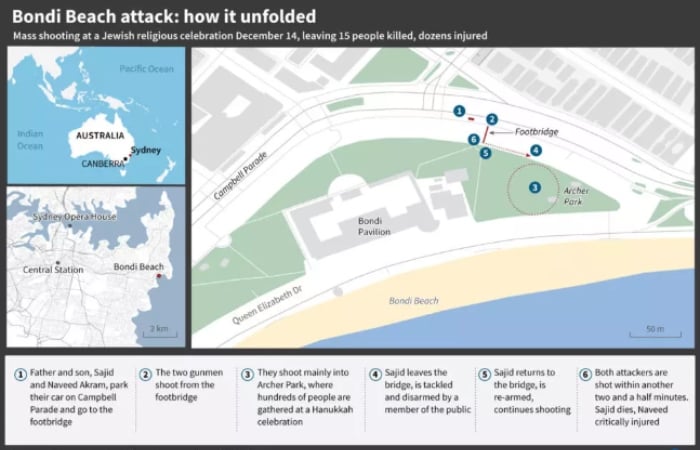
The pair left their hideout on Sunday afternoon bound for Bondi, according to CCTV footage obtained by the Sydney Morning Herald.
They drove through light Sunday traffic, and then parked their car and watched the busy beach below.
Donuts, ice cream
It was a typical sweltering summer Sunday afternoon at one of Australia’s most famous tourist hotspots.
Hundreds of worshippers joined the typically bustling crowds for an event to mark the start of Hanukkah, the Jewish festival of light.
“Let’s fill Bondi with joy and light,” read flyers promising free donuts, ice cream and hot chips.
There was also a petting zoo and face painting for children.
6.47pm
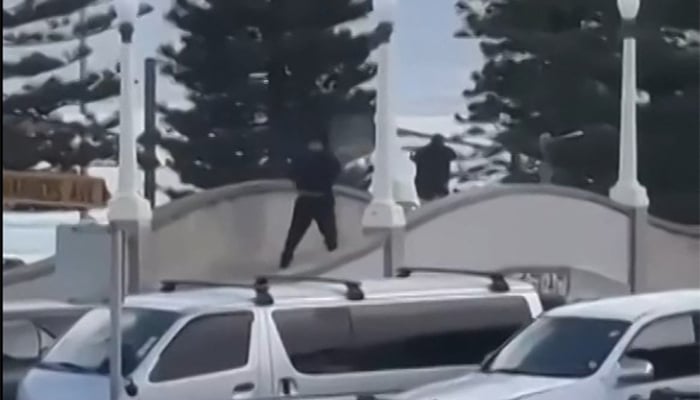
Hanukkah celebrations were in full swing when Sajid and Naveed, armed with long-barrelled guns, stepped out of their car and began shooting.
“For a split second I felt sorry for him because I thought he was tripping over and picking up crutches… but it’s a gun,” witness Bridget Sarks told the ABC.
It is unclear when exactly the first bullets flew but police said they received the first reports at around 6.47pm.
The festive atmosphere delayed the realisation that something terrible was unfolding.
Many witnesses thought the first cracks of gunfire were nothing more than celebratory fireworks.
Panic
Panic quickly set in.
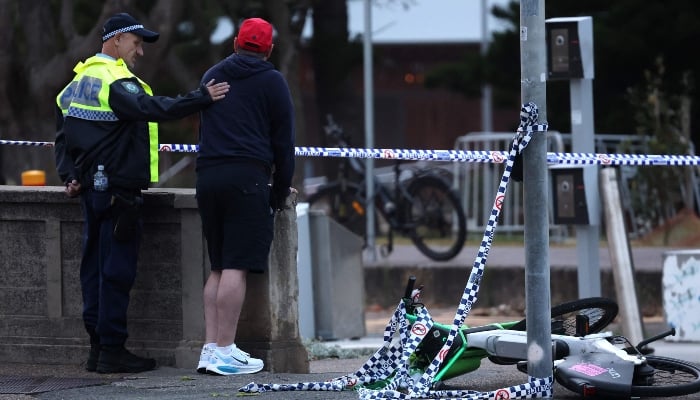
Thousands of beachgoers dropped everything and fled for their lives as the gunshots rang out.
Police gave one of the earliest indications that something truly awful had happened just after 7pm.
“We are still asking people in the area to take shelter until we can determine what is happening,” they said on social media.
A team of off-duty lifeguards sprinted across the sand to drag children to safety.
Others much closer to the gunmen sought whatever cover they could find.
Heather Nolan said she and her family sheltered behind a wooden bench and that she put “my young kids behind the bench and put myself over them”.
Holocaust survivor Alex Kleytman was killed shielding his wife from the bullets.
Reuven Morrison, 62, died as he tried to throw a brick at one of the gunmen.
Ten-year-old Matilda, described by her family as a “happy” child, was shot in front of her younger sister and died in hospital.
Taking shelter
Churches, bars and restaurants threw their doors open to shelter the panicked crowds.
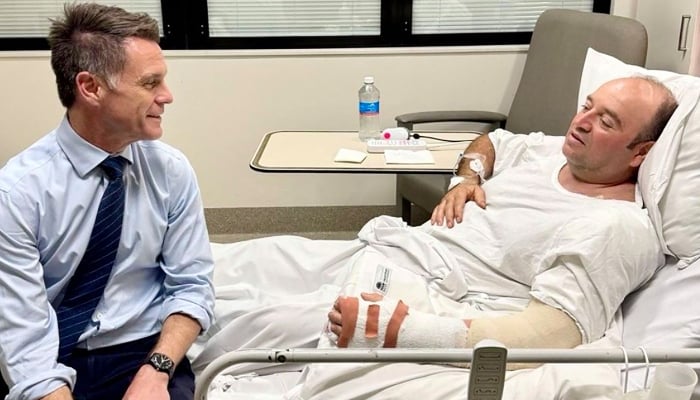
Frenchman Alban Baton, 23, hid for several hours with other customers in a grocery store cool room.
At around that time, Sajid Akram left a footbridge that offered a commanding view of the area and advanced towards the festival.
As Sajid fired into the crowd, fruit seller Ahmed Al Ahmed — who had been getting coffee with friends — approached him from behind and tackled him in a heroic act broadcast around the world.
Ahmed wrestled the gun away before pointing it at the assailant, who then backed away.
Ahmed was shot twice but it isn’t clear when or by whom.
Naveed remained on the bridge, firing round after round with cold determination.
Police arrive
Onlookers can be heard on video angrily demanding: “Where are the cops? Where are the cops, man?”
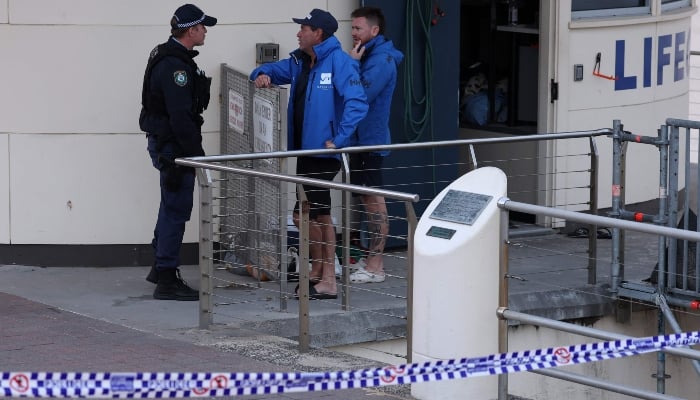
Armed police arrived about 10 minutes into the carnage, as Sajid rejoined his son on the footbridge.
Sajid was killed in an exchange of fire with police. Naveed kept shooting until he, too, was apparently shot and restrained.
Witnesses cheered as he fell to the ground.
Aftermath
Scuffles broke out as one member of the public kicked one of the gunmen, prostrate and surrounded by empty shotgun shells.
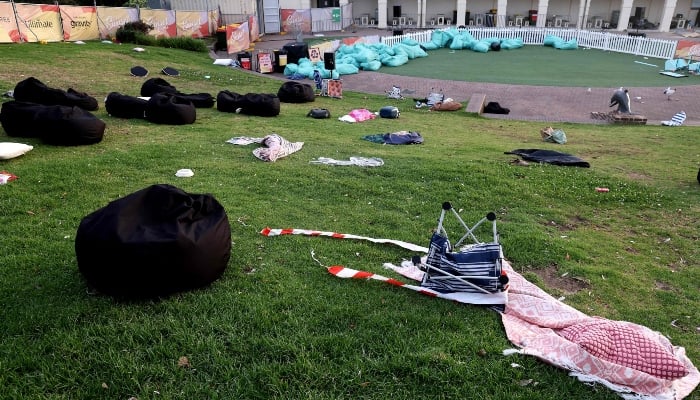
Sirens blared as CPR was frantically administered to the bodies strewn across the beachfront.
One witness described it as a “war zone”.
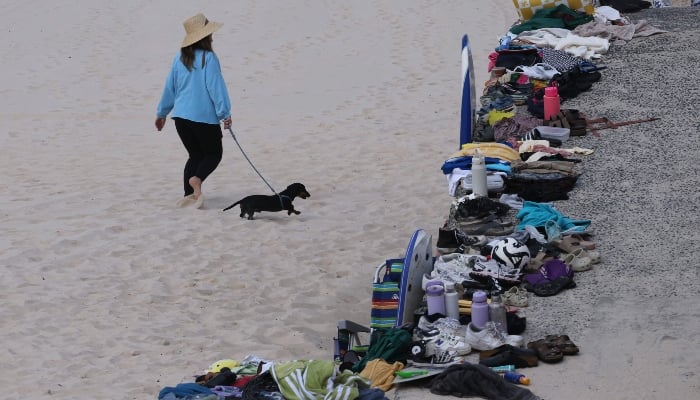
Bleeding victims were carried across the beach on surfboards used as makeshift stretchers.
Dozens of wounded were rushed to hospital.
At around 9.36pm, New South Wales Premier Chris Minns declared the mass shooting a terrorist attack.
Authorities confirmed next morning that 15 people were killed.
Sajid was also killed, and his son remains in a coma.
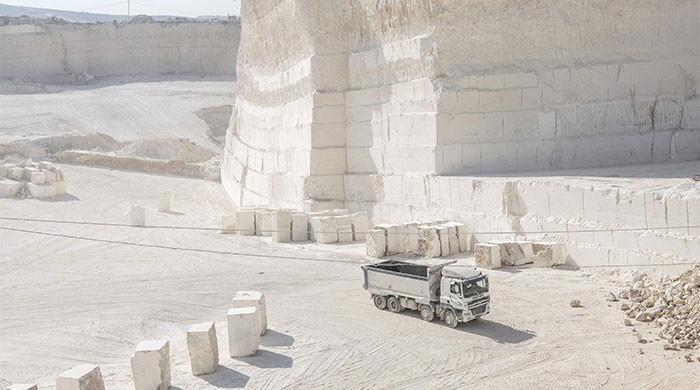
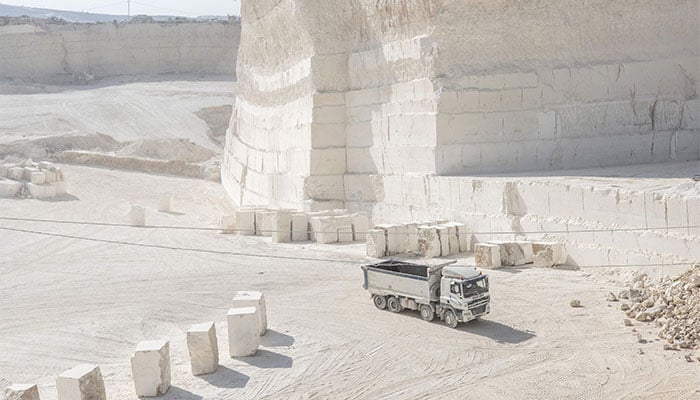
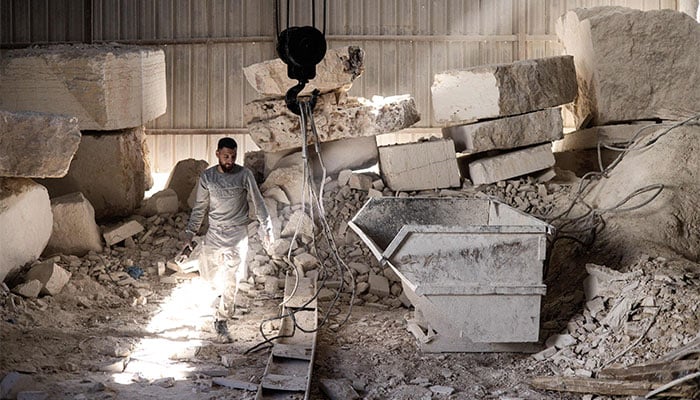
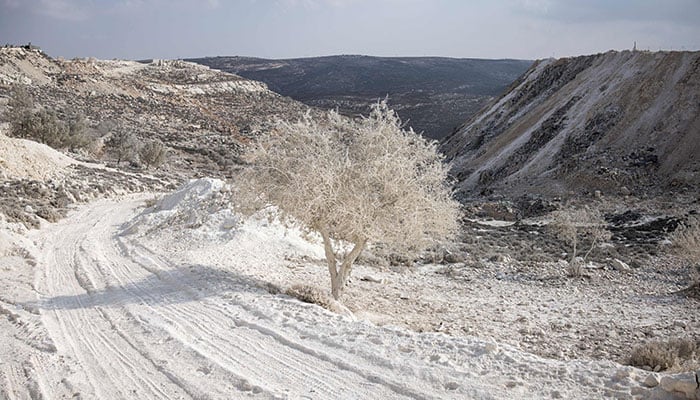
Despite the catastrophic state of the Palestinian economy, Faraj al-Atrash, operator of a quarry in the occupied West Bank, proudly points to an armada of machines busy eating away at sheer walls of dusty white rock that stretch into the distance.
“This here is considered the main source of revenue for the entire region”, Atrash said at the site near the town of Beit Fajjar, close to the city of Hebron.
The quarry is a source of Jerusalem stone, the famed pale rock used throughout the Holy Land and beyond for millennia and which gives much of the region its distinctive architectural look.
But Atrash, in his fifties, said “our livelihood is constantly under threat”.
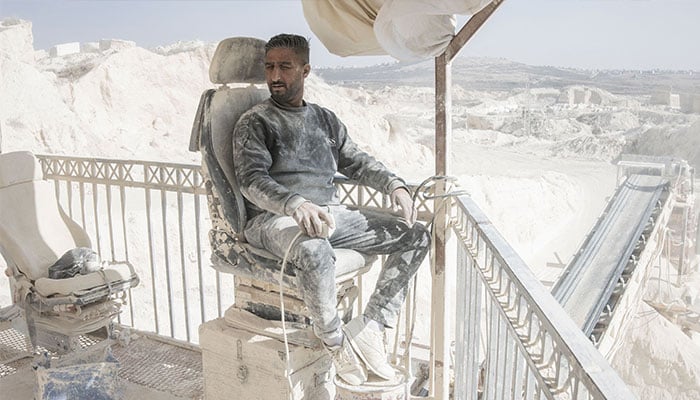
“Lately, I feel like the occupation (Israel) has begun to fight us on the economic front,” he said.
Atrash fears the confiscation of the quarry’s industrial equipment, the expansion of Israeli settlements and the Palestinian financial crisis.
The war in Gaza, triggered by Hamas’s October 2023 attack on Israel, dealt a severe blow to a Palestinian economy that was already in poor shape.
The Palestinian territories are “currently going through the most severe economic crisis ever recorded,” according to a report by the United Nations Conference on Trade and Development presented in late November.
Israel, which has occupied the West Bank since 1967, has recently set up hundreds of new checkpoints across the territory, paralysing commercial transport.
Beyond restrictions on freedom of movement, a halt in permits for West Bank Palestinians seeking work inside Israel has also had a severe impact.
Soaring costs
“There are problems with exports and market access because we used to export most of the stone to Israel, and after October 7, we ran into difficulties,” explained Ibrahim Jaradat, whose family has owned a quarry for more than 40 years near Sair, also near Hebron.
The Palestinian Authority, which exercises partial civilian control over some of the West Bank, is on the brink of bankruptcy.
Public services are functioning worse than ever, Atrash said, adding that fixed costs such as water and electricity had soared.
Quarries account for 4.5% of Palestinian GDP and employ nearly 20,000 workers, according to the Hebron Chamber of Commerce.
Around 65% of exports are destined for the Israeli market, where some municipalities mandate the use of Jerusalem stone.
“The people who buy the stones from us to resell them to construction sites are mostly Israelis,” said Abu Walid Riyad Gaith, a 65-year-old quarry operator.
He lamented what he said was a lack of solidarity from Arab countries, which he said do not buy enough of the rock.
‘Afraid to build’
Other threats hang over the industry.
Most of the roughly 300 quarries in the West Bank are located in Area C, land which falls under full Israeli authority and covers the vast majority of its settlements.
“Many (Israeli) settlers pass through here, and if Israel annexes Palestine, it will start with these areas,” said one operator, speaking on condition of anonymity.
Some members of Israel’s government, one of the most right-wing in the country’s history, openly discuss plans to annex parts or all of the West Bank.
Israeli settlements in the West Bank are illegal under international law.
They are expanding at the fastest rate since at least 2017, when the United Nations began tracking such data, according to a recent report by the UN chief.
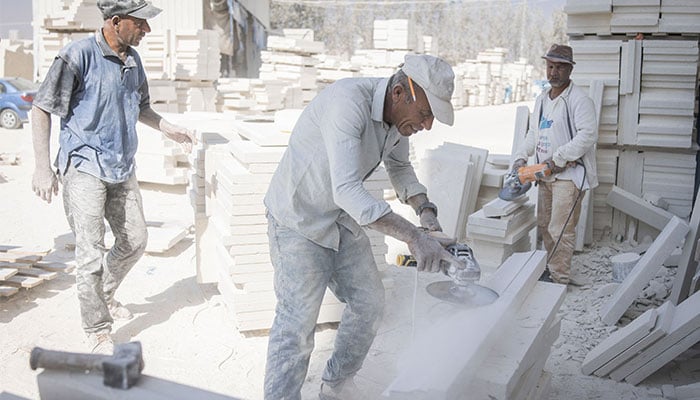
The physical demands of working in a quarry are intense, but for many Palestinians there are few other options as the West Bank’s economy wilts.
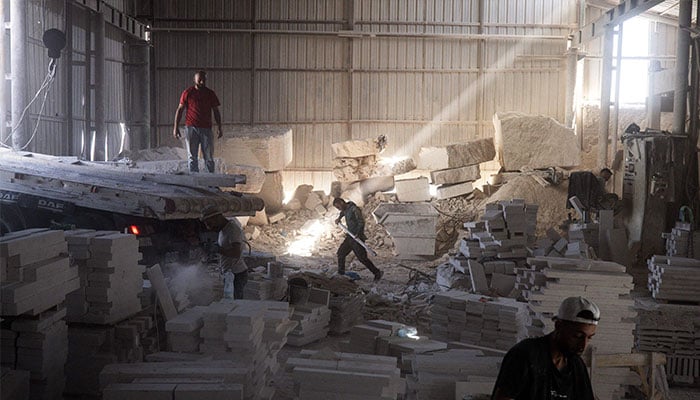
“We are working ourselves to death,” Atrash said, pointing to his ten labourers moving back and forth in monumental pits where clouds of dust coat them in a white film.
In the neighbouring quarry, blinking and coughing as he struggled with the intense work was a former geography teacher.
With the Palestinian Authority’s budget crisis meaning he was no longer receiving his salary, he had looked for work in the only local place still hiring.
All the labourers AFP spoke to said they suffered from back, eye and throat problems.
“We call it white gold,” said Laith Derriyeh, employed by a stonemason, “because it normally brings in substantial amounts of money”.
“But today everything is complicated; it’s very difficult to think about the future.”
“People have no money, and those who do are afraid to build,” he added.

Thames Water halts plans to hand £2.5m retention bonuses to bosses

No more Nimmo, Timmy Trumpet and their all-time HR king: Remaking the Mets after historic collapse

Farida Khelfa vintage auction raises €330,000, half for charity

-
 Politics1 week ago
Thailand launches air strikes against Cambodian military: army
-
 Politics1 week ago
Zelenskiy says Ukraine’s peace talks with US constructive but not easy
-
 Politics6 days ago
Trump launches gold card programme for expedited visas with a $1m price tag
-
 Fashion1 week ago
Germany’s LuxExperience appoints Francis Belin as new CEO of Mytheresa
-

 Tech7 days ago
Jennifer Lewis ScD ’91: “Can we make tissues that are made from you, for you?”
-
 Business6 days ago
Rivian turns to AI, autonomy to woo investors as EV sales stall
-
 Entertainment1 week ago
Too big to fail? IndiGo crisis exposes risks in Indian aviation
-

 Sports6 days ago
Police detain Michigan head football coach Sherrone Moore after firing, salacious details emerge: report