

Fashion
UK production output drops 0.3% QoQ during quarter to Aug 2025: ONS

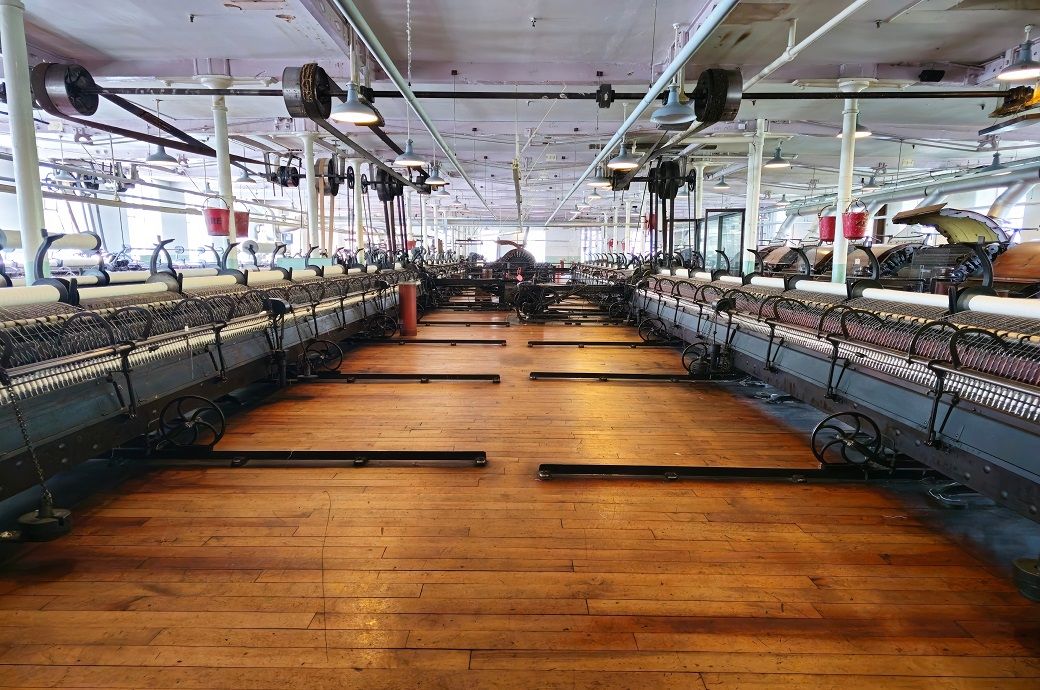
The largest negative contributor to the three-monthly fall in August came from electricity and gas (down by 2.6 per cent QoQ), while manufacturing remained flat.
UK production output was estimated to have decreased by 0.3 per cent quarter on quarter (QoQ) during the quarter to August.
The largest negative contributor to the three-monthly fall came from electricity and gas, while manufacturing remained flat.
Monthly production output was estimated to have increased by 0.4 per cent in the month, partly due to increases in manufacturing output.
Monthly production output was estimated to have increased by 0.4 per cent in the month. This followed a decline in July 2025 (down by 0.4 per cent month on month) and a rise in June 2025 (up by 0.9 per cent), an ONS release said.
The rise in monthly production output in August resulted partly from increases in manufacturing (up by 0.7 per cent). Eight of the 13 manufacturing sub-sectors saw a monthly increase.
Fibre2Fashion News Desk (DS)












In the course of a meeting with Hun Manet at the Peace Palace in Phnom Penh, Ambassador DesRoches expressed appreciation for the long-standing diplomatic ties, highlighting the steady progress in bilateral relations, particularly in trade and Canadian investment in Cambodia.
The envoy underscored his country’s commitment to supporting Cambodia’s successful hosting of the 20th Francophonie Summit. He stressed Canada’s commitment to further strengthening and expanding cooperation between the two countries, especially in trade and economic relations, while also reaffirming support for Cambodia’s development priorities.
Cambodian PM Hun Manet and Canadian ambassador to the country Christian DesRoches recently discussed strengthening economic ties, while advancing preparations for the 20th Francophonie Summit scheduled for November.
The envoy stressed Canada’s commitment to further strengthening and expanding bilateral cooperation, especially in trade and economic ties, and reaffirmed support for development priorities.
He thanked Cambodia for its support in promoting Canada’s economic cooperation with the Association of Southeast Asian Nations (ASEAN) and advancing negotiations for the ASEAN-Canada Free Trade Agreement (ACFTA), expected to be concluded and signed soon, according to Cambodian media reports.
Fibre2Fashion News Desk (DS)

CBP is developing the Consolidated Administration and Processing of Entries (CAPE) functionality within the Automated Commercial Environment (ACE) to streamline the submission and processing of valid refund requests for duties imposed under the International Emergency Economic Powers Act (IEEPA), as authorised by court order or applicable law.
US Customs and Border Protection will launch on April 20 an electronic system that importers can use to claim tariff refunds authorised by court order or applicable law.
Phase 1 will be limited to certain unliquidated entries and certain entries within 80 days of liquidation.
Refunds will be issued within 60-90 days of the Consolidated Administration and Processing of Entries declaration getting accepted.
Phase 1 will be limited to certain unliquidated entries and certain entries within 80 days of liquidation.
CAPE is designed to consolidate refunds of IEEPA duties including interest rather than processing refunds on an entry-by-entry basis.
CBP plans to implement CAPE through a phased development approach, adding more functionality in subsequent phases for more complicated scenarios, it said in a release.
Valid IEEPA refunds will generally be issued within 60-90 days following acceptance of the CAPE declaration, unless a compliance concern requires further CBP review.
However, certain scenarios, such as entries that are extended, suspended or under review, and warehouse entries, will maintain their liquidation status with validated refunds issued at liquidation.
Fibre2Fashion News Desk (DS)

Named in honor of Gap Inc. co-founder Doris Fisher, the program reflects her legacy of creativity, curiosity, and belief in people. It also builds on Gap Inc.’s commitment to helping bridge the opportunity gap by creating stronger connections between education and careers in the fashion industry.
Gap Inc., led by Richard Dickson, has launched The Doris Fisher Creators Program with the Fashion Institute of Technology to mentor students in fashion careers.
Starting Fall 2026, the programme will offer structured mentorship, industry exposure, and networking for select students, honouring Doris Fisher and strengthening pathways from education to careers.
“Gap Inc. is a house of iconic American brands guided by our purpose — to bridge gaps to create a better world. That includes bridging the opportunity gap. FIT embodies that same spirit, bringing education and industry together to unlock talent and expand what’s possible. We’re committed to opening doors, investing in emerging creatives, and building meaningful pathways into this industry for the next generation,” said Dickson.
The Doris Fisher Creators Program will connect FIT students with Gap Inc. leaders and creatives through a structured mentorship experience designed to provide exposure to the business of fashion, industry insights, and meaningful professional connection.
The program will launch in Fall 2026 and run through the academic year, and the inaugural cohort will include students from select disciplines, including Fashion Design, Graphic Design (Apparel), and Fabric Styling.
“Supporting emerging talent is a core expression of Gap Inc.’s purpose in action. Through initiatives such as The Doris Fisher Creators Program — alongside This Way ONward, the Rotational Management Program, and our broader internship and mentorship efforts — the company continues to bridge the opportunity gap for young people looking to start meaningful careers in fashion and retail,” added Amy Thompson, Chief People Officer at Gap Inc.
“We are incredibly proud to be the first public college to partner with Gap Inc. on this groundbreaking mentorship program. This remarkable opportunity with one of the world’s most iconic brands will support 30 talented FIT students over the next year, placing them at the intersection of innovation and impact,” said Jason S. Schupbach, president of FIT.
A benefit for the FIT Foundation, this year’s FIT Annual Gala honored Gap Inc. President & CEO Richard Dickson and was attended by distinguished guests and alumni including Ciara, Aloe Blacc, Zac Posen, Bob Fisher and others.
The FIT Foundation provided scholarships totaling more than $3 million in 2025.
Note: The headline, insights, and image of this press release may have been refined by the Fibre2Fashion staff; the rest of the content remains unchanged.
Fibre2Fashion News Desk (RM)


5 AI Models Tried to Scam Me. Some of Them Were Scary Good

Life sciences lab real estate is clawing back from disaster. Here’s what that means for investors

US-Iran talks could be held as early as Friday, says Trump

-

 Fashion6 days ago
France’s LVMH Q1 revenue falls 6%, shows resilience amid Iran war
-

 Entertainment1 week ago
Is Claude down? Here’s why users are seeing errors
-

 Sports1 week ago
PSL 11: Peshawar Zalmi win toss, opt to field first against Quetta Gladiators
-

 Tech1 week ago
The Deepfake Nudes Crisis in Schools Is Much Worse Than You Thought
-

 Tech1 week ago
Bremont Is Sending a Watch to the Moon’s Surface
-
 Tech1 week ago
Human-machine teaming dives underwater
-
 Business1 week ago
BP sees ‘exceptional’ oil trading result as Iran war sends crude costs soaring
-

 Fashion1 week ago
What no one is saying about the 2026 apparel slowdown