

Sports
Ultimate Draft Board: Perfect picks for every round in a 12-team league


Fantasy football drafts are all about collecting the best possible values, but we all know those special players exist whom we badly want on our squad.
Whether it’s the young, up-and-coming wide receiver on our favorite team, a sleeper running back no one is talking about or this year’s big breakout at tight end, these players add an extra level of excitement to the roster construction process.
This round-by-round analysis will give you an idea of what’s going through my head on draft day, headlined by those players I have circled on my cheat sheet. Note that I used average draft position (ADP) data from Draft Sharks’ terrific Market Index Tool in order to ensure this roadmap would be useful for as many of you as possible.
For a more philosophical look at the fantasy landscape, including strategies for drafting, trading and working waivers in all types of formats, be sure to check out the fantasy football playbook column.
Here it is: my personal recipe for a 2025 fantasy football championship in a 12-team league.
The core
When I’m making my selections, I often ask myself a question: “Am I drafting this player at his ceiling?” If the answer is “yes,” I generally aim for someone with more upside. Of course, all the players available in the first round or so are likely at or near their ceiling, so this is an opportunity to not overthink it and simply take the best available player on the board.
Round 1: Best available wide receiver … if not Bijan Robinson
Who I choose in the first round will, of course, primarily depend on where I pick, and, for the purposes of this exercise, it’s a tricky year to handicap who will be available since six RBs and six WRs are currently coming off the board in the round.
Same as I laid out in this piece one year ago, I would love to get my hands on Robinson, but that’s simply not happening if I don’t land a top-two pick. Though I’m not aggressively against taking a shot on the other RBs in the round, Robinson is a tier or two above them all, as his top competitors have more sizable concerns, such as Saquon Barkley‘s massive 2024 workload, Jahmyr Gibbs sharing with David Montgomery (plus the Lions’ interior line concerns) and Christian McCaffrey‘s age and injury woes.
If I’m picking in the middle of the first round and thus fail to land Robinson (or top-ranked Ja’Marr Chase), odds are I’ll be choosing an elite wide receiver, namely Justin Jefferson, CeeDee Lamb, Puka Nacua, Malik Nabers or Amon-Ra St. Brown. Any receiver from this group will set me up for success in 2025.
Round 2: Jonathan Taylor or best RB available
Same as in Round 1, our pool of available players is very dependent on where we are in the draft order. If I’m near the Round 1/2 turn, I’m eyeing the best available among Ashton Jeanty, De’Von Achane and Nico Collins. If I’m later in the round, the likes of Taylor, Josh Jacobs, Kyren Williams, Ladd McConkey and Brock Bowers often make it to my roster.
Taylor hasn’t quite been able to match his breakout 2021 campaign over the past three seasons, but he has remained a clear feature back and was somewhat quietly seventh among RBs in fantasy PPG last season despite the Colts’ QB woes. The QB situation remains a concern, though it could be better if Daniel Jones is under center, which could also improve Taylor’s contributions as a receiver. He’s a solid option in the second round.
I decided to feature Taylor here, but he simply leads a list of several enticing backs in this round that includes Achane, Jacobs, Williams, Chase Brown and Bucky Irving. Especially if I land a wideout in the first round, I feel good about pouncing on any of these backs.
Round 3: Trey McBride
This season is a bit different, in that I’m actively targeting a top tight end and (*spoiler alert*) a top quarterback. The third round is loaded with talent, but if I can land Bowers or McBride in this range, that will give me a sizable edge over the competition, and I simply can’t pass on that value.
McBride is averaging a massive 9.0 targets and 15.4 fantasy points per game since replacing Zach Ertz as the Cardinals’ starting tight end midway through 2023, and the latter number is even more impressive when you consider he dealt with terrible TD luck last season (three total TDs, TE-high 7.9 expected). Despite the lack of scoring, only 10 WRs scored more fantasy points than McBride last season, and he has a path to another heavy workload in 2025.
If I don’t roll with a tight end, McConkey and Tyreek Hill are my targets at WR, James Cook (with a fresh new contract) is a strong RB option and, if I’m picking at the end of the round, I’m not afraid to consider a quarterback. Speaking of which …
Round 4: One of the top four dual-threat QBs
Unlike most years, this is a season in which I’m targeting an elite quarterback. Lamar Jackson (25.3), Josh Allen (22.3), Jalen Hurts (21.0) and Jayden Daniels (20.9) were all top six in fantasy PPG last season and bring elite rushing contributions to the table. I believe these four hold a significant edge over other QB options, and whereas elite passers used to cost a first-round pick in fantasy drafts, we’re able to snag these guys as late as the fourth round in the modern era. Hurts is the most likely QB to fall to the fourth round and, thus, I’ve drafted him most often, but I’m happy if I get any of Hurts, Allen, Jackson or Daniels in this spot.
If not a quarterback, Kenneth Walker III is a favorite RB target and, if I have yet to pick a tight end, I love the value on George Kittle, who led the position in fantasy PPG in 2024.
Round 5: James Conner
Sometimes you have to make the “boring” pick, and the fifth round is flush with unexciting but solid players who can help you grind your way to a fantasy championship.
Conner is my top-ranked available player in this area, and although his age (30) is a concern, there’s enough good here to outweigh the risk. Arizona’s lead back has produced at least 220 touches, 1,080 yards and eight TDs in four consecutive seasons, which includes career highs in yards and touches last season. Conner has finished as a top-20 fantasy back in four straight seasons (top 15 in PPG each year) and is well-positioned for another fringe-RB1 campaign.
If not Conner, D’Andre Swift is an appealing, underrated RB target later in the round. There are a few good WR targets here, as well, including DK Metcalf and Xavier Worthy, one of my favorite breakout candidates. By the way, if I’ve yet to grab a tight end, Sam LaPorta is the final tight end I have a lot of confidence in, so he’ll be on my radar.
Round 6: TreVeyon Henderson
Our first featured rookie, the second-round draft pick has an opportunity to play a very substantial role in an improved New England Patriots offense. The Ohio State product is an effective rusher (his 7.1 YPC last season topped this rookie class) and is expected to be used often as a receiver in Josh McDaniels’ offense. There’s risk that Rhamondre Stevenson will limit Henderson’s ceiling, but considering that Stevenson is 27 and was benched for fumbling too often last season, the rookie very well could quickly take over as the lead running back.
If not Henderson (his ADP is on the rise, so he might cost you a fifth-rounder), there are some appealing wide receivers in this range, including Calvin Ridley (who has new life with No. 1 pick QB Cameron Ward), Travis Hunter, Jameson Williams and George Pickens.
The middle rounds
1:04
Is Michael Pittman Jr. being underdrafted in fantasy?
Mike Clay explains why Colts WR Michael Pittman Jr. is too talented to slide in fantasy drafts.
OK, so the core of my team is in place. It’s time to start filling gaps and adding depth. I obviously want players with upside, but I also want guys I feel comfortable placing in my Week 1 lineup. We’ll save the high-risk fliers for later.
Round 7: Jaylen Waddle or Rome Odunze
Though I’ve already mentioned a ton of wide receivers in this piece, I haven’t actually featured many as a primary target. The reason? Incredible depth at the position. We’re here in the seventh round, and the likes of Jerry Jeudy, Waddle, Odunze and Chris Olave (among others) are still available.
Waddle has the look of a terrific post-hype target following a bizarre 2024 in which he battled injuries and the Dolphins faced two-high safeties at a league-high rate. A top-25 receiver in fantasy PPG the prior three seasons and still positioned as one of Tua Tagovailoa‘s top targets (especially following Jonnu Smith‘s departure), Waddle is an intriguing bounce-back candidate. Odunze, meanwhile, is looking for a leap forward after an inconsistent rookie season in which he finished top 12 among receivers in routes and end zone targets but 35th or lower in targets, receptions yards and TDs. There are a lot of mouths to feed in Chicago’s new-look, Ben Johnson-led offense, but Odunze, the No. 9 pick in 2024, is a near lock to be a featured target.
Chris Godwin is a player I’m monitoring in this range, and although he’s risky as he recovers from injury, he has WR1 upside when back in the mix.
Kaleb Johnson is a name to watch at RB here, especially as his ADP continues to dip. The third-round rookie is expected to essentially replace Najee Harris as the Steelers’ lead rusher, with Jaylen Warren also involved, primarily as a receiver. Johnson might max out as an RB2 with Warren in the fold, but he has a path to big carry and TD totals in what will likely be a run-first offense under Arthur Smith.
Round 8: Jakobi Meyers, Matthew Golden or the best available WR
In deeper leagues (e.g. ones in which we must start three WRs and a flex), we’re still looking for a Week 1 starter, but many of us are now done filling out our lineup and are on to stocking our bench with talent.
A top-30 fantasy WR four seasons in a row, Meyers is coming off a career year in most categories, and with Geno Smith, he’ll be working with the best QB he has had since Tom Brady threw 39 balls his way in 2019. Golden’s 4.29 wheels prompted Green Bay to pick him in the first round of April’s draft, and he very well could be Jordan Love‘s top target right out of the gate.
I highlighted Meyers and the rookie Golden, but I like quite a few receivers in this range, including seasoned veterans Cooper Kupp and Stefon Diggs. Kupp is 32 years old and has changed teams, but he remains positioned for a featured role in Seattle. Diggs is 31, but he appears fully recovered from last year’s torn ACL and is expected to operate as Drake Maye‘s top target.
Round 9: Ricky Pearsall
We’re officially in dart-throw territory, and the analysis here is similar to last round: I’ll be picking my favorite solid/underrated veteran or taking a shot on a breakout candidate.
Pearsall is, of course, the latter. A preseason gunshot wound last year derailed most of his rookie campaign, but the 2024 first-round pick showed flashes (17-plus fantasy points in three games after his return) and is positioned well for a leap forward with Deebo Samuel gone and Brandon Aiyuk recovering from a knee injury. He could easily outperform his middle-round ADP.
Javonte Williams is a veteran lottery ticket I’m considering in this range. Efficiency has been a problem since he tore his Achilles in 2022, but he’s still only 25 years old, and his lone competition for lead back duties comes from Miles Sanders and fifth-round rookie Jaydon Blue (who makes for a great late flier). It’s not the most inspiring pick, but volume is king and Williams could see it in Dallas.
This is also a good range to throw a dart at the QB position, as fringe QB1s Caleb Williams, Brock Purdy and Dak Prescott all generally come off the board in this area.
Round 10: Michael Pittman Jr.
Much like Courtland Sutton in this same spot one year ago, Pittman is one of my favorite sleepers this season. His stock is down after a rough 2024 in which he averaged 8.0 fantasy PPG and reached double digits once while trying to overcome Anthony Richardson‘s struggles. It could be more of the same in 2025, but there’s hope here if Daniel Jones wins the Colts’ starting job (a very real possibility). Jones obviously hasn’t been great during his career, but he hasn’t torched his team’s passing game nearly as badly as Richardson. We saw a bit of that last season when Malik Nabers led the NFL in target share (37%) and averaged 17.4 fantasy PPG (ninth best) in eight games with Jones. Pittman has finished top 20 among WRs in fantasy points three of the past four seasons and could return to that mix in his age-27 campaign.
Speaking of Colts, TE Tyler Warren isn’t the worst dart here, but I believe there’s a better value on a rookie TE, which I’ll get to shortly. Also, Buccaneers first-round WR Emeka Egbuka is worth a flier if he makes it to the 10th round, especially if Godwin’s health becomes more of a concern. I’m also in on QB Justin Fields and RB Jordan Mason in this range.
The late-round fliers
At this point, our starting lineup is likely full, which means it’s time to look for values and upside for our bench.
Round 11: Jayden Higgins or Keon Coleman
Eyeing a breakout? Look no further than a pair of recent Round 2 wide receivers. The 6-foot-4 Higgins was extremely productive and efficient during his time at Iowa State and could rise as high as second to only Nico Collins in target priority in a high-pass-volume Texans offense. Coleman appeared on the way to a breakout midway through last season, but a wrist injury crushed his momentum and he ended up a fantasy nonfactor down the stretch. He’ll battle Joshua Palmer to be Josh Allen‘s top perimeter target in 2025.
With the uncertainty in Jacksonville and Dallas, Tank Bigsby, Bhayshul Tuten and Jaydon Blue, respectively, are appealing targets here, as well.
Round 12: Colston Loveland
I foreshadowed this earlier, but Loveland has the look of a no-brainer, late-round lottery ticket this year. The No. 10 pick in April’s draft, Loveland sports big-time statistical upside, as we saw when he handled a massive 37% of Michigan’s targets last season. Loveland is young and, as noted earlier, there are a lot of mouths to feed in Chicago, but it’s tough to pass on his skill set as such a high draft pick at this point in the draft. That’s especially the case considering a rookie has led the TE position in fantasy points each of the past two seasons.
I also like this range a lot if I’m eyeing a quarterback breakout, with J.J. McCarthy, Jordan Love and Drake Maye all on my radar.
Rounds 13-14: High-ceiling insurance and breakout candidates
ADP starts to go out the window late in the draft, so now is the time to get our favorite late-round sleepers and breakout candidates. Below are the players I will be considering with my final few picks.
Quarterback fliers: I generally select one quarterback, especially since a lot of solid QB2 options will go undrafted in most formats. However, if I’m eyeing a sneaky breakout candidate in a deeper league, the likes of Cameron Ward, Michael Penix Jr. and Bryce Young are on my radar.
Running back insurance: A few popular insurance RBs will be gone by now, but a ton remain, including Trey Benson, Tyler Allgeier, Jaylen Wright, Braelon Allen, Isaac Guerendo, Ray Davis and Will Shipley. Pick your favorite! It’s also worth mentioning Jerome Ford here. Second-round rookie Quinshon Judkins was expected to be the Cleveland Browns‘ lead back but has remained unsigned while addressing legal matters related to his July arrest, for which he learned on Aug. 14 he would not face formal charges. Although Judkins is expected to sign soon, Ford should have some added early-season value as Judkins gets up to speed.
Wide receiver veterans: With teams using more wide receivers than ever, there are always notable, high-floor veteran wideouts available late. The headliners are Keenan Allen, Rashid Shaheed, Adam Thielen, Cedric Tillman, DeMario Douglas, Hollywood Brown and Marvin Mims Jr.
Wide receiver rookie and sophomore fliers: Despite the comfort of a safe veteran receiver, I’m typically aiming for more upside here. Those targets include rookies Tre Harris, Jack Bech, Kyle Williams, Luther Burden III and Pat Bryant, as well as second-year wideouts Xavier Legette and Jalen McMillan. I could expand this list even further, but as a simple rule, we should have our eyes on Day 1 and 2 first- and second-year receivers.
Tight end options: There are always a few interesting late-round TE fliers of note. Among those available this season are veterans Chig Okonkwo, Darren Waller and old friend Kyle Pitts Sr., as well as rookies Elijah Arroyo and Mason Taylor.
Rounds 15-16: Kicker and D/ST … or more breakout candidates!
We’re assuming a 16-round draft here, so this is the point where league rules come into play. If we’re drafting here at ESPN, we’ll be forced to select both a defense and a kicker (I’ll cover my favorite targets at those spots later).
However, if there’s flexibility, this is a spot where we can gain a leg up on the competition. Most of our league mates are going to select at least one kicker and defense and let them rot on their roster until Week 1.
Why? I have no idea. Don’t do that.
In lieu of filling those positions, I will gather up insurance policies at other positions (especially running back) and wait for injuries to strike during the preseason. If I have the Ravens defense rostered and Saquon Barkley goes down for the season, I have the Ravens defense. If I instead have Will Shipley rostered when Barkley goes down, I have a potential RB2. Oh, and I can always drop two players and pick up a defense with a good matchup and a decent kicker just prior to Week 1. By the way, if your league is hosted here at ESPN (why wouldn’t it be?), one way around the draft room restrictions is to cut your kicker and defense after the draft in favor of adding more of the high-upside stashes mentioned earlier.
Defense/special teams: History has taught us over and over and over again, we should never reach on D/STs. In fact, seven of the past eight top-scoring fantasy D/STs finished ninth or worse the following season. That includes the 2016 Vikings, 2017 Jaguars, 2018 Bears, 2019 Patriots, 2020 Rams, 2022 Patriots and the 2023 Cowboys. Be smart. Just don’t do it.
The Texans, Steelers, Broncos and Vikings top my D/ST rankings, but since I like to stream, I’ll also be looking at the Cardinals, Patriots and even the Bengals, as each has a relatively light Week 1 opponent.
Kicker: This is as simple as picking the top guy left on the board. Jake Bates, Chase McLaughlin, Cameron Dicker and Brandon Aubrey top my rankings, but don’t reach on any of them. The legend that is Daniel Carlson finished as fantasy’s top kicker in 2021 and 2022. Did that convince you to reach on him a bit in your 2023 draft? If so, you ended up with fantasy’s No. 24 kicker. In fact, prior to Carlson’s streak, the last No. 1-scoring kicker to even finish top 10 the following season was Matt Bryant in 2017. Aubrey (a top-two scorer each of the past two seasons) can’t be trusted, nor can reigning No. 1 fantasy kicker Chris Boswell, whose past five season finishes are first, 17th, 31st, fourth and 25th. Don’t draft a kicker before the final round.
So, there you have it. My game plan for a 2025 fantasy football championship. Remember, this piece should not serve as your only draft board. It’s simply the players I’ve found myself targeting and, with ADP in mind, whom I would love to have on my squad this year.
Sports
Diego Pavia accepts Ravens rookie minicamp invite after making unfortunate NFL Draft history: reports
NEWYou can now listen to Fox News articles!
Diego Pavia, the polarizing former Vanderbilt quarterback who was runner-up in Heisman voting last season, has reportedly found a home in the NFL after going undrafted this weekend.
Pavia accepted an invitation to the Baltimore Ravens’ rookie minicamp on a tryout basis, per multiple reports. He doesn’t have a spot on the roster yet, but it’s a start as he looks to crack into the NFL with Baltimore.
Of course, Lamar Jackson, the two-time MVP quarterback, is cemented as the team’s starting quarterback, but perhaps Pavia can stand out enough in rookie minicamp to earn an invitation to training camp this summer.
CLICK HERE FOR MORE SPORTS COVERAGE ON FOXNEWS.COM
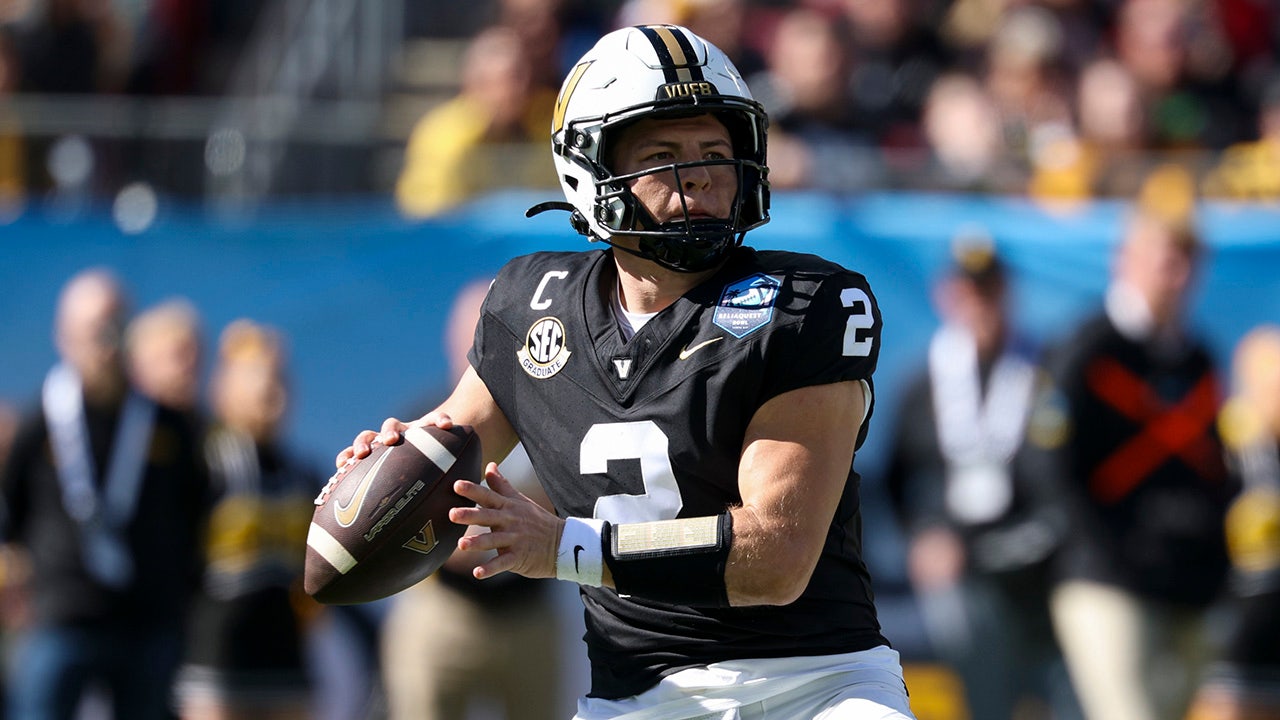
Vanderbilt Commodores quarterback Diego Pavia throws a pass against the Iowa Hawkeyes in the first quarter during the ReliaQuest Bowl at Raymond James Stadium on Dec. 31, 2025. (Nathan Ray Seebeck/Imagn Images)
Pavia was not expecting to be undrafted this weekend, but he became the first Heisman Trophy finalist since 2014 to not hear his name called through the seven rounds in Pittsburgh.
Pavia won the SEC Offensive Player of the Year and the Johnny Unitas Golden Arm award for best upperclassman quarterback after throwing for 3,539 passing yards and 29 touchdowns, both of which single-season school records, to give the Commodores its first-ever 10-win season.
Vanderbilt just missed out on the College Football Playoff after finishing 10-3.
POLARIZING COLLEGE FOOTBALL STAR, HEISMAN TROPHY FINALIST GOES UNDRAFTED
Pavia ultimately finished second in Heisman voting to Indiana quarterback Fernando Mendoza – the No. 1 overall pick in this year’s draft by the Las Vegas Raiders. So, what ultimately led to Pavia not getting drafted?
While his personality may have factored in, Pavia’s official height at the NFL Scouting Combine turned some heads. Vanderbilt had him listed at 6-foot, but he was measured at 5-foot-9 7/8, which would make him the shortest quarterback in the NFL if he were to step foot on the gridiron today. The average height is 6-foot-2 for an NFL quarterback.
However, those shorter than the average have seen success, including Minnesota Vikings newest member, Kyler Murray, who went first overall to the Arizona Cardinals in 2019 coming out of Oklahoma. He’s listed at 5-foot-10.
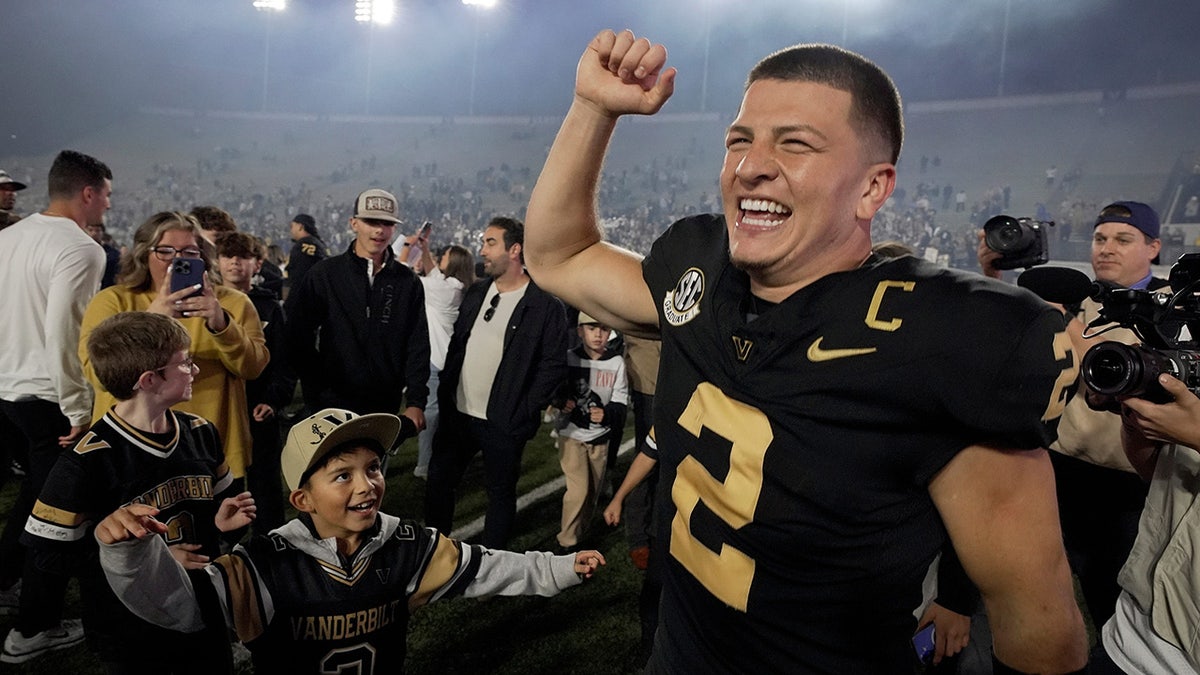
Vanderbilt quarterback Diego Pavia celebrates after the team’s win against Kentucky at FirstBank Stadium in Nashville, Tenn., on Nov. 22, 2025. (Mark Zaleski/The Tennessean / USA TODAY NETWORK via Imagn Images)
Pavia barked back at critics during the Senior Bowl in January regarding his height.
“Yeah, my size has been doubted my whole life,” he said at the time, via AL.com. “I feel like the only thing the NFL cares about is can you win, and I view myself as a winner. I’ve been fortunate with all these great teams that I’ve had — we’ve never had a losing season. So that’s something to look forward to, I hope, for the rest of my career, that’s how it’s going to be.
“I feel like God has blessed me in so many ways to be a connector, and I feel like that’s one of my superpowers that I’ve got — I can connect. We unite, and then once you unite, you want to play for one another, and once you give 120% effort, there’s no one that can stop your team.”
Pavia’s personality, viewed by some as more cocky than confident, may have played a factor as well. After finishing runner-up to Mendoza in Heisman voting, Pavia was spotted at a New York City nightclub next to a sign that read, “F— Indiana.” Then, he posted on social media a photo with friends and a caption that read, “F— ALL THE VOTERS, BUT…FAMILY FOR LIFE.”
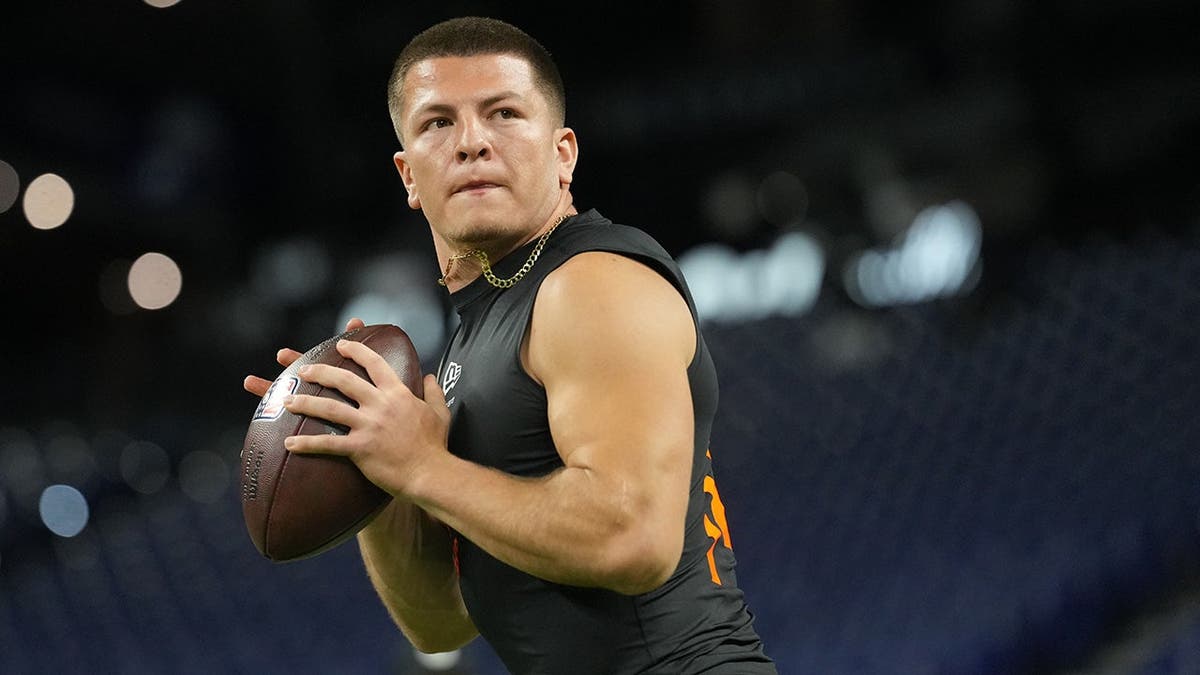
Vanderbilt quarterback Diego Pavia throws a football during the NFL Scouting Combine at Lucas Oil Stadium in Indianapolis, Ind., on Feb. 28, 2026. (Kirby Lee/Imagn Images)
CLICK HERE TO GET THE FOX NEWS APP
Pavia later apologized for his decision to post that on his socials.
No matter the case, Pavia has a shot now with the Ravens and new head coach Jesse Minter, as he aims to show enough to join the quarterbacks group in training camp. Other than Jackson, the Ravens have Tyler “Snoop” Huntley on the roster to start the season.
Follow Fox News Digital’s sports coverage on X and subscribe to the Fox News Sports Huddle newsletter.
NEWYou can now listen to Fox News articles!
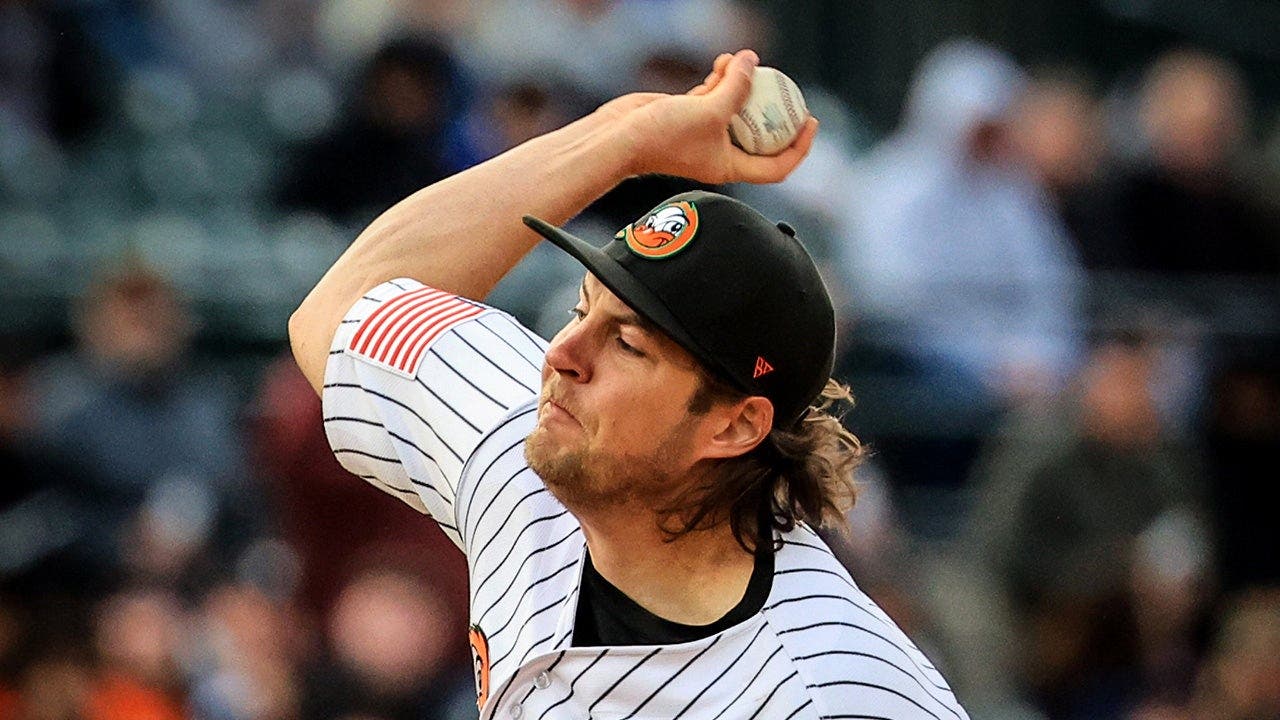
Trevor Bauer, the former Cy Young Award winner and MLB All-Star, tossed a no-hitter for the independent Long Island Ducks in a 13-0 win over the Lancaster Stormers on Sunday afternoon at Penn Medicine Park in Pennsylvania.
It was just Bauer’s second start in the United States since 2021, and he faced just one batter over the minimum in a scheduled seven-inning game of a doubleheader against the Stormers.
Bauer threw 84 pitches, striking out seven hitters and walking just one to lose out on the perfect game.
CLICK HERE FOR MORE SPORTS COVERAGE ON FOXNEWS.COM
Trevor Bauer smiles after pitching no-hitter for Long Island Ducks on Sunday, April 26, 2026. (Jordan McGregor)
But Bauer unleashed a roar on the mound after a called strike three to notch the third no-hitter in Ducks history.
Combined with his first outing for the Ducks on April 21, Bauer has a strong 1.64 ERA to start the season in the Atlantic League of Professional Baseball (ALPB), which is a “Professional Partner League” of MLB.
Fans might have been supporting the opposing Stormers, but they understood what was at stake as Bauer was mowing down hitters throughout his start. They were even heard chanting his name at one point, hoping he could keep his hitless streak alive.
After the game, Bauer returned the favor for those at the Pennsylvania ballpark, signing autographs and taking pictures with fans after entering his name into the Ducks’ record books.
TREVOR BAUER SIGNS WITH PRO BASEBALL TEAM IN UNITED STATES AMID MLB RETURN HOPES
“I’m looking forward to competing in front of U.S. fans again this season,” said Bauer when he signed with the Ducks earlier this month. “The Ducks have had some incredible players come through their organization, and I’m excited to be part of that tradition.”
Ex-MLB stars like Dontrelle Willis, Daniel Murphy, Rich Hill and Eric Gagne have played for the Ducks in the past. New York Mets legends Gary Carter and Bud Harrelson both managed the team, with the latter also being a part-owner.
Bauer’s first start for the Ducks impressed an AL team scout in attendance, saying he was pretty impressed by Bauer’s arsenal on the bump.
“He showed flashes of the guy he used to be and a guy who can help a club,” the scout told the New York Post. “He went out and handled himself well. He showed flashes of the breaking ball he had in the past. Certainly the velocity is not what it once was, but it’s still solid, mostly 92-94. He didn’t throw the ball particularly well on the inside part of the plate with his fastball, but I think it was a really good first outing. You’d expected him to get sharper and probably tick up in velocity.
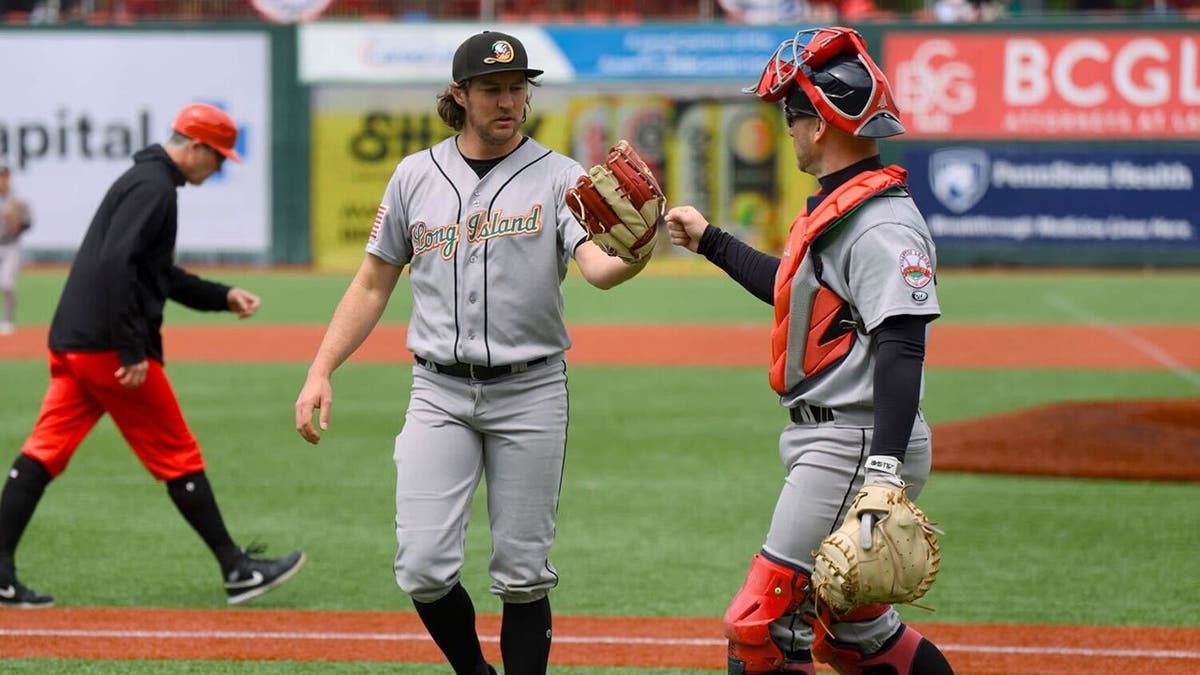
Trevor Bauer and catcher high-five after finish inning for Long Island Ducks in no-hit bid on Sunday April 26, 2026. (Jordan McGregor)
“You’re talking about a guy who was at the top of the game. Is he back there? No, but he looked like a guy who could go out and compete.”
Bauer pitched in Japan in both 2023 and 2025, while a stint in Mexico came in 2024. He pitched to a 2.59 ERA and 9.2 K/9 in Japan in 2023, and in Mexico, those numbers improved to 2.48 and 13.0. Last year in Japan, though, his ERA shot up to 4.41, and he struck out just 8.2 batters per nine innings.
This June will mark five years since Bauer, as the reigning Cy Young Award winner, last appeared in an MLB game. On June 28 of that year, he tossed six innings of two-run ball while striking out eight batters, recording the win.
Two days later, Bauer was hit with sexual assault allegations, which eventually led to a 324-game suspension (the equivalent of two seasons). It was eventually reduced to 184 games for violating the league’s Joint Domestic Violence, Sexual Assault and Child Abuse Policy.
Bauer has maintained his innocence, settling with one accuser while another is facing 16 years in prison after being charged with fraud for faking a pregnancy and asking Bauer for money for an abortion.
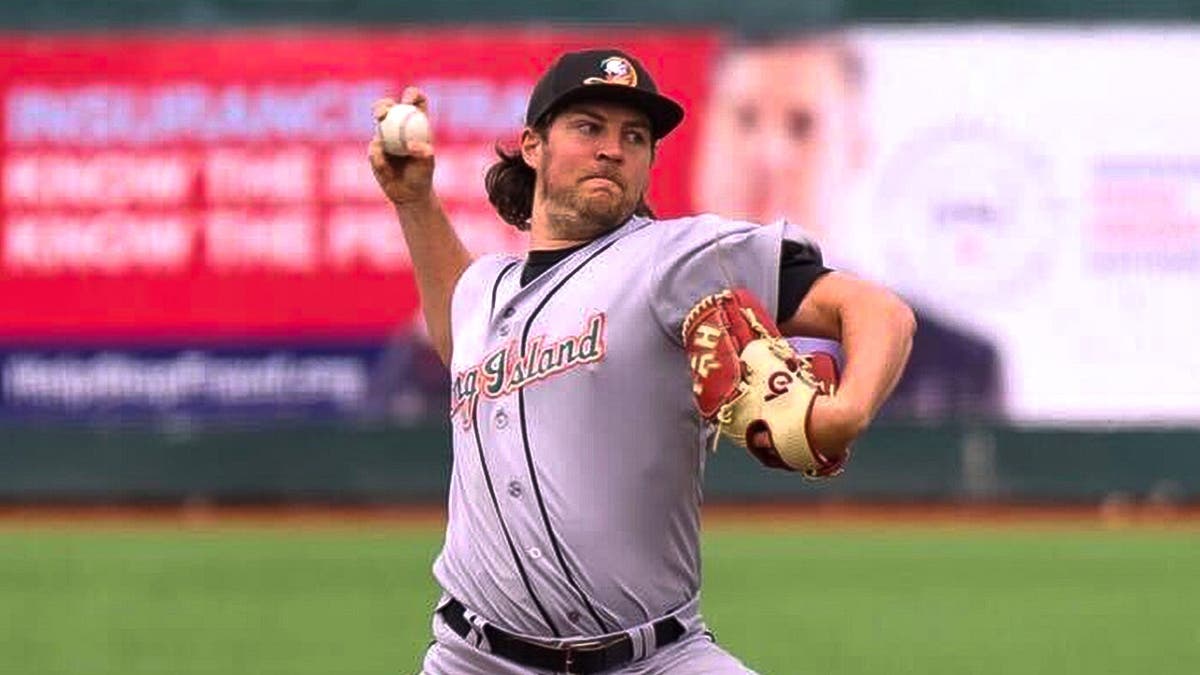
Trevor Bauer pitches for Long Island Ducks during no-hitter on Sunday, April 26, 2026. (Jordan McGregor)
Bauer and Lindsey Hill, who accused the pitcher of beating and sexually abusing her in 2021, settled their case in late 2023. Bauer revealed texts from Hill, who said that Bauer would be her “next victim,” among other damning messages. Hill has since said that MLB has more evidence of Bauer’s alleged misconduct.
Last June, Hill was ordered to pay Bauer more than $300,000 for violating settlement terms. Hill breached their settlement agreement with each other by discussing Bauer on podcasts and in public appearances, the Los Angeles Times reported.
Nearly two years ago, Bauer said he “may have no other choice” but to sue Major League Baseball “if I continue being kept out” of the league. Bauer has said he’d “play for the league minimum,” but he has yet to sign with an MLB team.
“Anyone that’s willing to sit down with me and listen: I’d like to play the second half of my career in a better way than I played the first half,” Bauer told Fox News Digital in January 2024. “I’d like to be an example that you can make mistakes, recognize them, adjust and then be better in the future. I think that’s something us as humans have to do and should be doing constantly.”
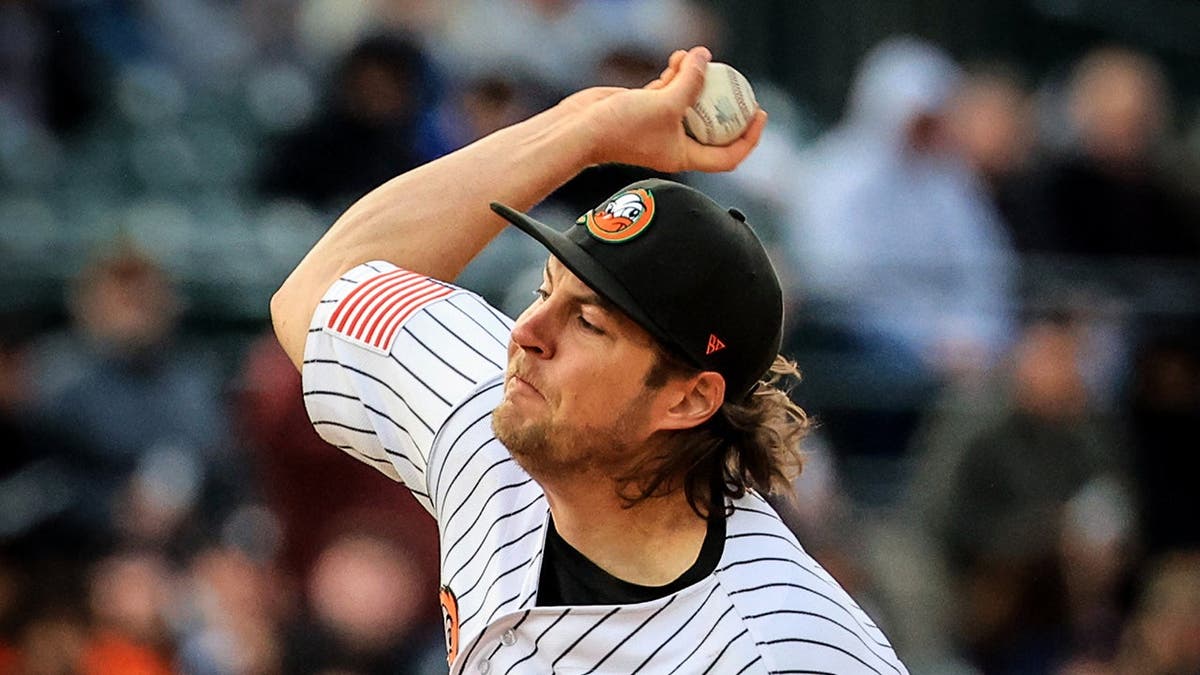
Long Island Ducks pitcher Trevor Bauer throws against the Hagerstown Flying Boxcars at Fairfield Properties Ballpark in Central Islip, N.Y., on April 21, 2026. (Thomas A. Ferrara/Newsday RM/Getty Images)
CLICK HERE TO DOWNLOAD THE FOX NEWS APP
Bauer has since called out MLB after Pete Rose and other deceased former players were taken off the league’s permanently ineligible list.
“So, since Pete is welcome back now, does that go for everyone who has been blackballed?” Bauer asked on X. “Or do you actually have to be guilty of something to qualify for that?”
Bauer was performing well for the Dodgers at the time of the allegations, pitching to a 2.59 ERA.
Fox News’ Ryan Morik contributed to this report.
Follow Fox News Digital’s sports coverage on X and subscribe to the Fox News Sports Huddle newsletter.
Sports
Kai Trump reveals ‘scary’ medical moment during her trip to Masters Tournament at Augusta National
NEWYou can now listen to Fox News articles!
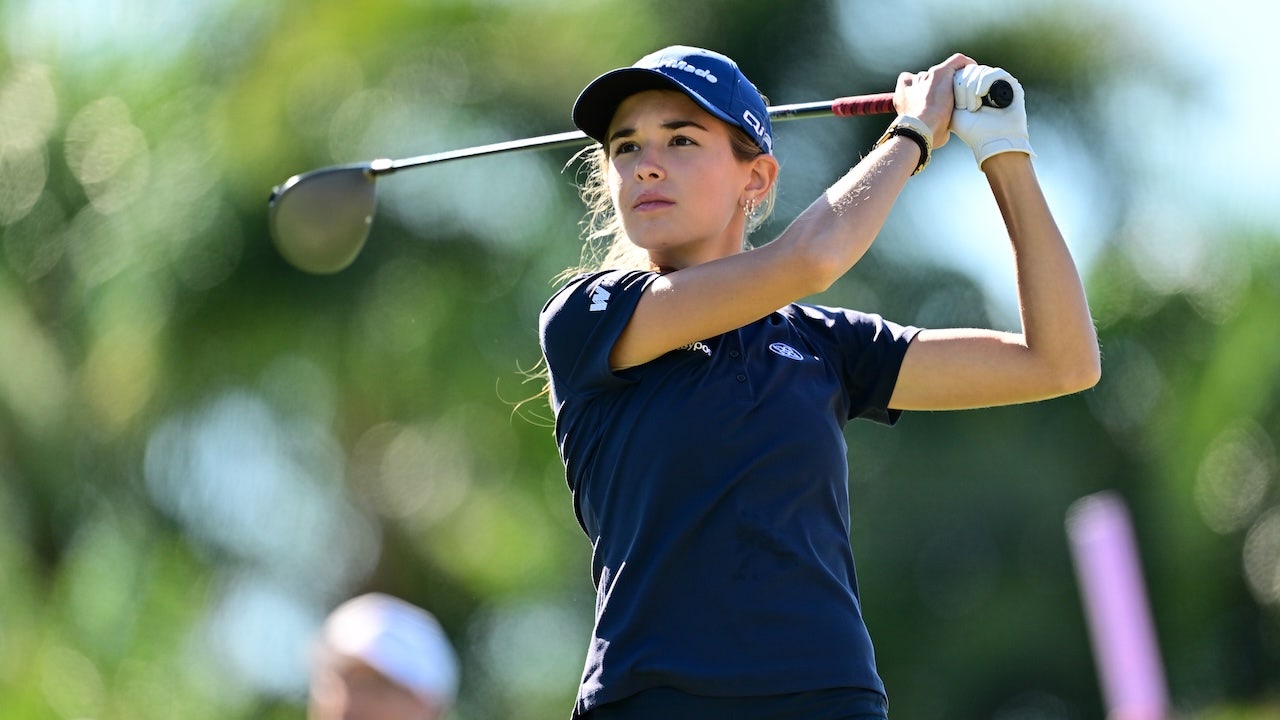
Kai Trump, the granddaughter of President Donald Trump, revealed a “scary” medical moment that occurred while she was attending the Masters Tournament earlier this month in a new vlog.
The future University of Miami golfer traveled to Augusta National Golf Club to take in the first major of the year, but the trip to Georgia hit a speed bump after she had an allergic reaction to a hand soap she used on her face.
CLICK HERE FOR MORE SPORTS COVERAGE ON FOXNEWS.COM
Amateur Kai Trump of the United States plays her shot from the 16th tee during the first round of The ANNIKA driven by Gainbridge at Pelican Golf Club in Belleair, Fla., on Nov. 13, 2025. (Julio Aguilar/Getty Images)
“I was using hand soap on my face, when I was at Augusta, to wash off my makeup and I started getting these bumps on my neck,” she said in the vlog.
The 18-year-old had to get medical attention, ultimately receiving a steroid shot to counteract the allergic reaction.
BRYSON DECHAMBEAU HITS GOLF BALLS ON WHITE HOUSE SOUTH LAWN DURING VISIT WITH TRUMP
“Now, I don’t have a rash anymore, but I had an allergic reaction to the hand soap on my face,” she said.
“I have very sensitive skin. It was so, so scary.”
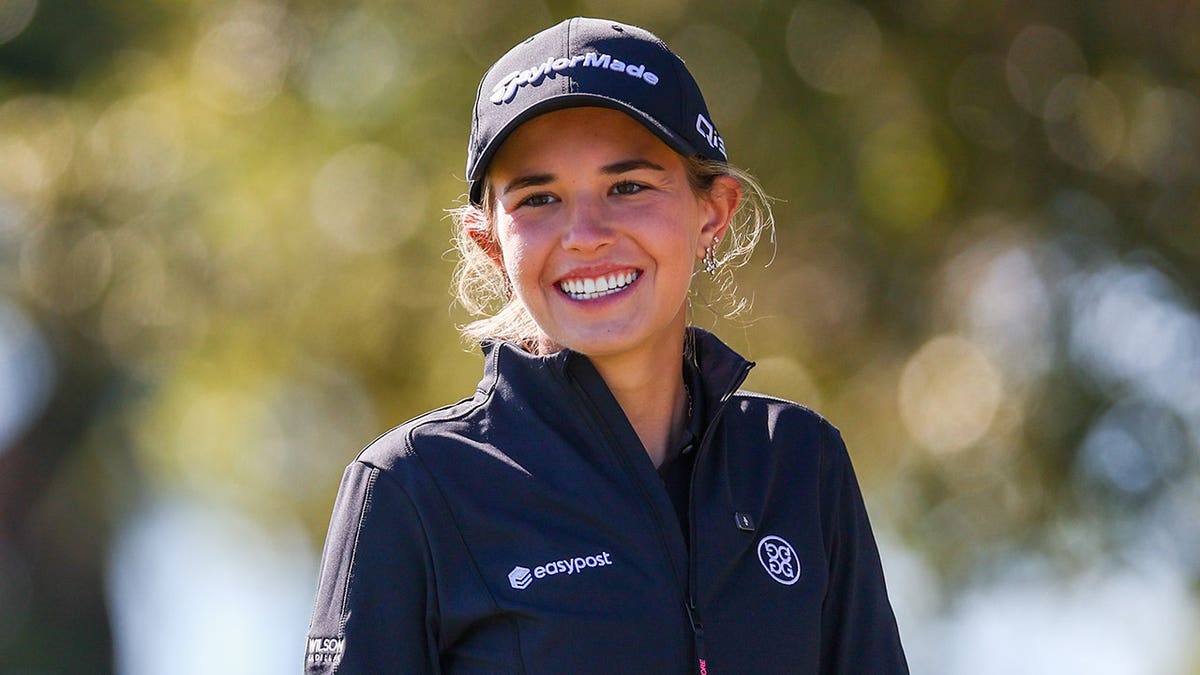
Amateur golfer Kai Trump looks on from the 11th tee before The ANNIKA driven by Gainbridge at Pelican Golf Club in Belleair, Florida, on Nov. 12, 2025. (Douglas P. DeFelice/Getty Images)
Once the rash was put to rest, Kai appeared to enjoy her weekend at Augusta. She posed for a photo she shared on Instagram with Bryson DeChambeau, a supporter of her grandfather and fellow YouTuber, and his caddie, Greg Bodine.
It wasn’t the best week for DeChambeau, though, as he missed the cut at Augusta National after shooting 6-over in his first two days of the tournament.
In the end, Rory McIlroy, who finally completed the career Grand Slam last year at the Masters, retained the green jacket with a second-straight win. He finished one shot ahead of Scottie Scheffler, who finished 11-under for the week after going 4-under in his final round on Sunday.
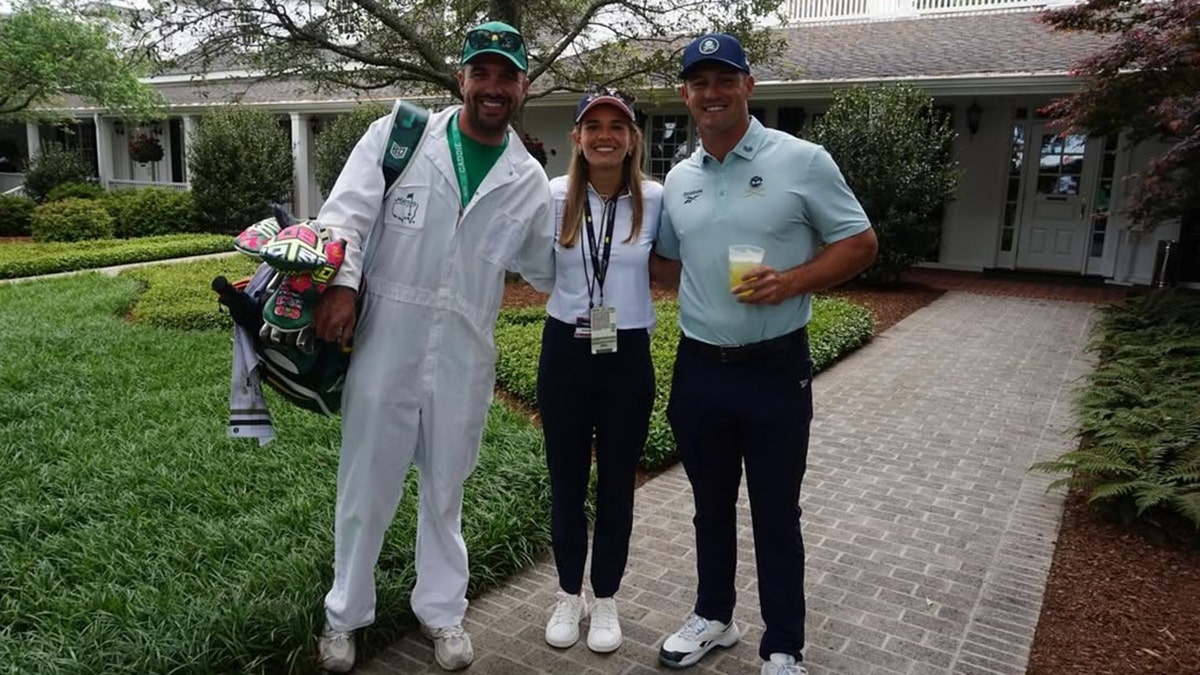
Kai Trump poses for a photo with Bryson DeChambeau during the 2026 Masters at Augusta National Golf Club in Augusta, Ga., on April 9, 2026. (Instagram/@KAITRUMPGOLFER)
CLICK HERE TO DOWNLOAD THE FOX NEWS APP
Russell Henley, Cam Young, Tyrell Hatton and Justin Rose, who lost to McIlroy in a playoff at last year’s Masters, all finished tied for third place at 10-under.
Kai is currently scheduled to enroll at the University of Miami later this fall, where she intends to play for the women’s golf team. She is a high school senior at The Benjamin School in Palm Beach Gardens, Fla.. She discussed her upcoming senior prom in her latest vlog.
Follow Fox News Digital’s sports coverage on X and subscribe to the Fox News Sports Huddle newsletter.


SBP raises policy rate by 100bps to 11.5% as inflation risks mount

Finalise Bangladesh’s textile-RMG circular economy strategy: Experts

Gold prices rise rebound in Pakistan after recent decline – SUCH TV

-

 Sports1 week ago
WWE WrestleMania 42 Night 2: Live match results and analysis
-

 Sports1 week ago
NCAA men’s gymnastics championship: All-time winners list
-

 Fashion1 week ago
UK’s Sosandar returns to profitability amid robust FY26 performance
-

 Politics6 days ago
UK’s Starmer seeks to deflect blame over Mandelson appointment
-

 Entertainment7 days ago
Lee Anderson, Zarah Sultana kicked out of UK Parliament for calling PM ‘liar’
-
 Business1 week ago
No fuel shortage: Govt assures 100% domestic LPG, PNG, CNG supply amid Hormuz energy crunch – The Times of India
-
 Business7 days ago
How Trump’s psychedelics executive order could unlock stalled cannabis reform
-
 Business6 days ago
Us-India Trade Talks: US–India trade deal: Where do talks stand & what to expect – explained – The Times of India