

Fashion
US’ Coach drives Tapestry’s FY25 gains, Kate Spade declines

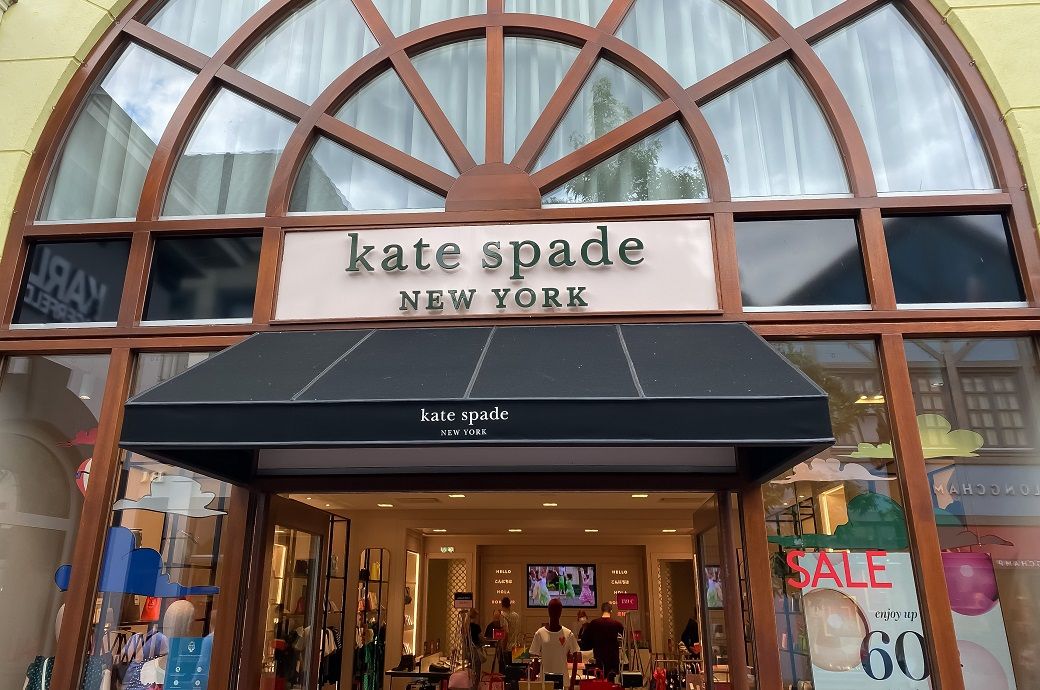
Revenues in the fourth quarter (Q4), ended June 28, rose 8 per cent to $1.72 billion, with gains across North America (+8 per cent), Europe (+10 per cent), and APAC (+6 per cent). Gross margin expanded 210 basis points for the year and 140 basis points in Q4, driven by operational efficiencies.
Coach delivered $5.6 billion in annual revenue (+10 per cent constant currency), while Kate Spade fell 10 per cent to $1.20 billion and Stuart Weitzman dropped 11 per cent to $215 million. Kate Spade recorded $855 million in impairment charges due to reduced cash flow expectations and anticipated tariff impacts, the company said in a media release.
Tapestry, Inc has posted FY25 revenue of $7.01 billion, up 5 per cent, led by growth at Coach and in Europe and Greater China.
Q4 sales rose 8 per cent, with gross margin gains.
The company returned $2.3 billion to shareholders and will raise its dividend 14 per cent in FY26.
EPS is seen at $5.30–$5.45, despite a $160 million tariff hit.
Adjusted free cash flow is forecast at $1.3 billion.
The company added 6.8 million new customers during the year—60 per cent from Gen Z and Millennials—while direct-to-consumer revenue grew 5 per cent annually, supported by mid-teens digital sales growth. Handbag sales at Coach saw mid-teens average unit retail (AUR) gains in Q4 and low double-digit gains for the year.
On a non-GAAP basis, FY25 operating income reached $1.40 billion (20 per cent margin) versus $1.25 billion last year, and EPS rose to $5.10 from $4.29. GAAP net income was $183 million ($0.82 EPS), down from $816 million, reflecting impairment, organisational efficiency, and transaction-related charges. Adjusted free cash flow was $1.35 billion.
Tapestry returned $2.3 billion to shareholders in FY25—$300 million in dividends and $2 billion through an accelerated share repurchase (ASR) programme at an expected $78 average price. For FY26, the board has approved a 14 per cent dividend increase to $1.60 per share annually and authorised $800 million in additional buybacks.
Joanne Crevoiserat, chief executive officer of Tapestry, Inc, commented: “Fiscal 2025 was a breakout year for Tapestry as our systemic approach to brand-building is capturing a new generation of consumers around the world. Our strong growth, capped by our fourth quarter outperformance, reinforces that our strategies are working. Importantly, we achieved bold targets we set three years ago in a dynamic landscape, delivering over $5 in adjusted earnings per share and returning more than $3 billion cumulatively to shareholders. Looking ahead, the creativity, craftsmanship, and compelling value we offer at scale—combined with the agility of our operating model—position us to drive compounding long-term growth and shareholder value.”
For FY26, Tapestry forecasts revenue approaching $7.2 billion, with mid-single-digit pro-forma growth excluding Stuart Weitzman, and EPS of $5.30–$5.45, despite a projected $160 million hit from incremental tariffs and duties (230 basis points of margin impact). Adjusted free cash flow is expected at about $1.3 billion.
Fibre2Fashion News Desk (KD)












Bangladesh Foreign Minister Khalilur Rahman and EU High Representative and Vice President Kaja Kallas witnessed the initialling. Rahman was accompanied by Prime Minister’s Foreign Affairs Adviser Humayun Kabir.
Bangladesh and the EU have initialled a Partnership and Cooperation Agreement in Brussels.
Dhaka termed it a forward-looking framework to elevate cooperation across political, economic, development and security domains.
Foreign Minister Khalilur Rahman highlighted predictable market access as a priority and expressed Bangladesh’s interest in advancing talks on an FTA and an investment protection pact.
The PCA is a forward-looking framework to elevate cooperation across political, economic, development and security domains, the Bangladesh Foreign Ministry said in a release.
Both sides reaffirmed their commitment to strengthening the longstanding partnership and expanding collaboration on regional and global issues.
They underscored the need to deepen cooperation in trade and investment, migration and mobility, regional collaboration and humanitarian affairs.
Rahman highlighted predictable market access as a priority and expressed Bangladesh’s interest in advancing negotiations on a free trade agreement and an investment protection agreement, according to a domestic news agency.
Rahman also met Belgium’s Deputy Prime Minister and Foreign Minister Maxime Prevot, and both explored opportunities in trade, investment, connectivity, innovation and multilateral cooperation.
They agreed to hold the third Bangladesh-Belgium consultations in Brussels later this year.
Rahman welcomed more engagement by Belgian businesses in logistics, port management, biotechnology, pharmaceuticals, technology and water management.
Fibre2Fashion News Desk (DS)
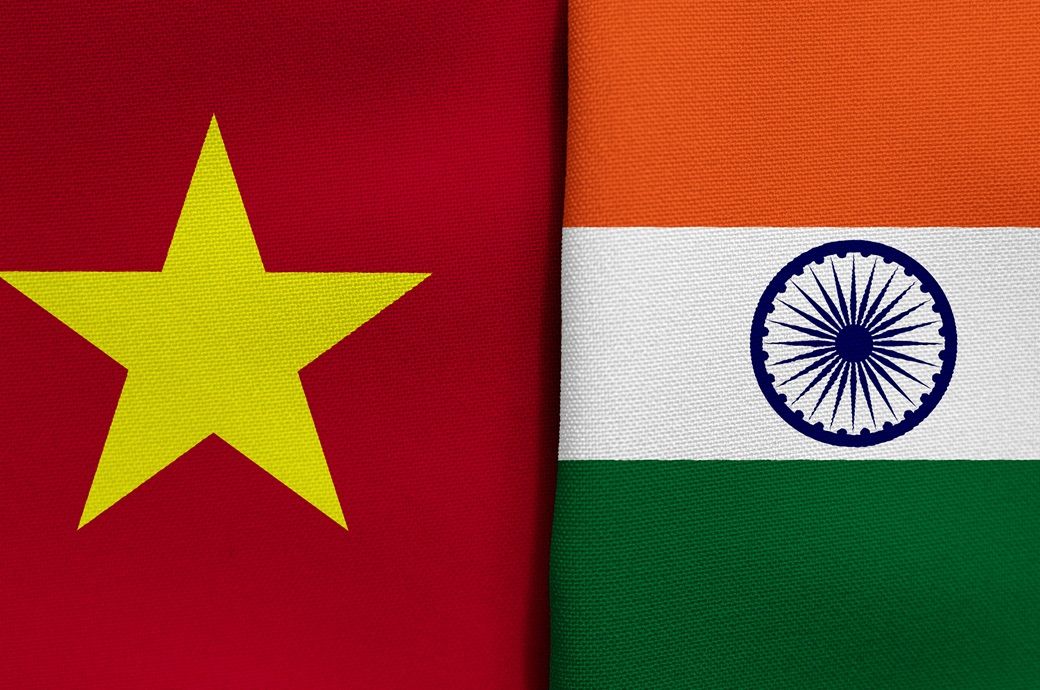
The discussion brought together policymakers, trade bodies, research institutions and industry stakeholders from India and Vietnam, reflecting growing interest in building deeper bilateral engagement. Participants examined opportunities arising from supply chain diversification, sustainability mandates and the increasing role of digital transformation in manufacturing, according to Vietnamese media reports.
The Vietnam Trade Office in India held an online seminar to boost textile, footwear and leather collaboration amid shifting global supply chains.
Stakeholders highlighted complementary strengths, with Vietnam strong in garments and India in raw materials.
Discussions focused on silk cooperation, investment opportunities and technology exchange.
Upcoming trade fairs and exhibitions were also promoted.
Vietnam’s Trade Counsellor in India, Bui Trung Thuong, noted that both economies complement each other across the value chain. He highlighted Vietnam’s strength in garment production alongside India’s capabilities in raw materials and textiles, suggesting that closer cooperation could support the development of integrated and higher-value supply chains.
He added that the forum aims to encourage direct engagement between businesses and investors to unlock opportunities in technology adoption, investment and sustainable practices.
India’s silk sector emerged as a key area for collaboration. P Sivakumar, CEO of the Central Silk Board, outlined India’s strong research base and global standing in silk production. He identified scope for joint work in silkworm breeding, technology transfer and workforce development, while also pointing to opportunities in value-added applications beyond textiles, including cosmetics and pharmaceuticals. He further encouraged Vietnam’s participation in international sericulture platforms to deepen knowledge exchange.
From an investment standpoint, Invest India representative Aditya Das underscored India’s manufacturing ecosystem and policy support for foreign investors. He observed that complementary strengths between the two countries could drive partnerships in trade, joint ventures and integrated production networks.
Vietnamese representatives echoed interest in expanding technical cooperation. Nguyen Thi Nhai of the Vietnam Sericulture Research Centre emphasised the need for deeper collaboration in post-cocoon technologies, product innovation and training exchanges, while seeking greater institutional linkages with Indian counterparts.
The seminar also highlighted upcoming industry events aimed at fostering business connections. Vietnam will host the 26th International Shoes and Leather Exhibition in Ho Chi Minh City from July 8 to 10, while India’s Bharat Tex 2026 is scheduled for July 14 to 17 as a comprehensive global textile platform. Industry representatives also promoted sector-specific exhibitions such as Meet at Agra 2026 to encourage partnerships.
Fibre2Fashion News Desk (SG)
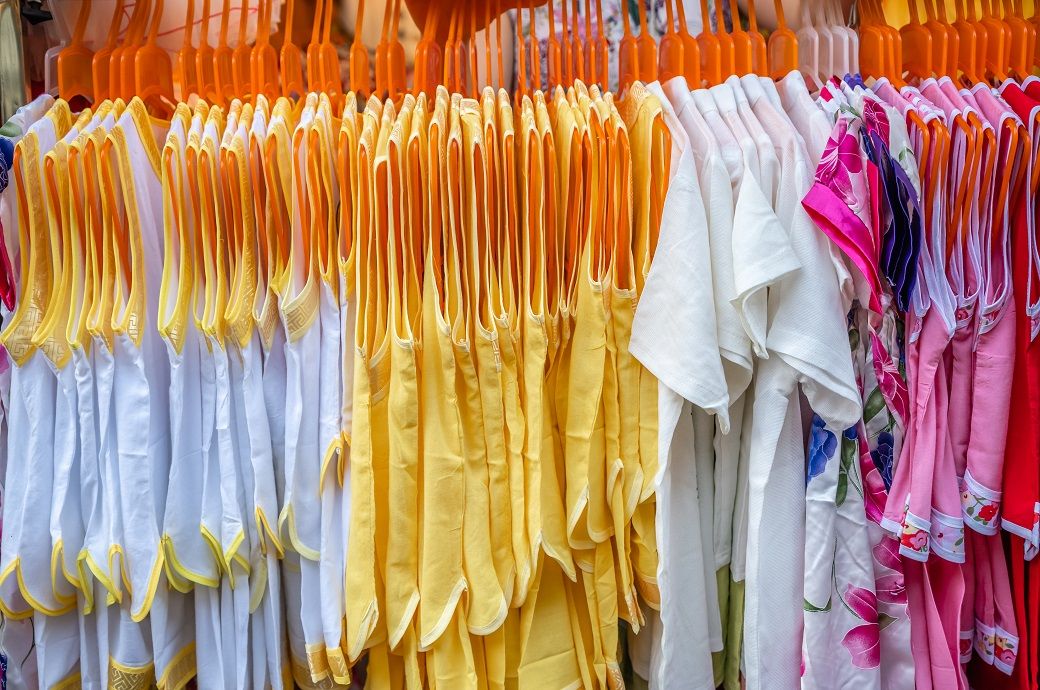
UK’s clothing exports declined 7.66 per cent to £217 million (~$293 million) in February 2026, amid weak European demand and cost pressures.
Textile and fibre exports also fell year on year, though month-on-month trends show mild recovery.
Full-year 2025 exports remained under pressure, extending a post-pandemic correction.
Q4 data indicates only a partial sequential rebound.
Source link


Bangladesh, EU sign Partnership and Cooperation Agreement

UK retail sales rebound as motorists stock up on fuel

Pentagon email floats suspending Spain from Nato, other steps over Iran rift: source

-

 Fashion1 week ago
France’s LVMH Q1 revenue falls 6%, shows resilience amid Iran war
-

 Entertainment1 week ago
Is Claude down? Here’s why users are seeing errors
-

 Sports1 week ago
PSL 11: Peshawar Zalmi win toss, opt to field first against Quetta Gladiators
-

 Tech1 week ago
The Deepfake Nudes Crisis in Schools Is Much Worse Than You Thought
-
 Business1 week ago
Standard Life buys rival in £2b deal to create savings giant
-

 Tech1 week ago
CYBERUK ’26: UK lagging on legal protections for cyber pros | Computer Weekly
-
 Business1 week ago
PepsiCo earnings beat estimates as North American food business improves
-

 Fashion1 week ago
Raymond unveils luxury Chairman’s Collection Store in Mumbai