

Business
Vande Bharat sleeper clocks 180 kmph! Ashwini Vaishnaw shares video of train’s ‘water test’; watch – The Times of India

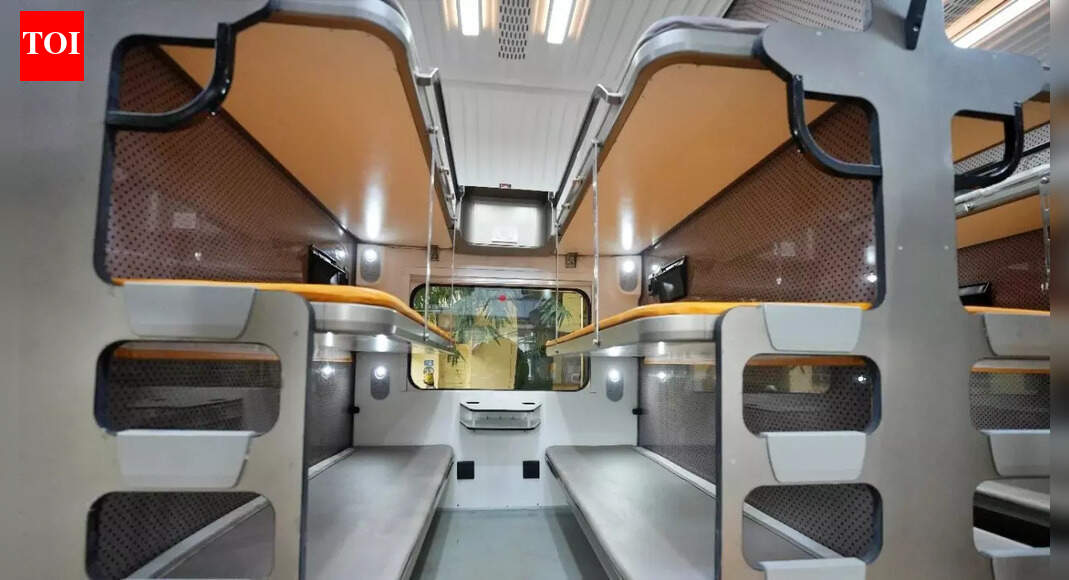
Vande Bharat sleeper train launch soon! Railway Minister Ashwini Vaishnaw on Tuesday shared an important update on the Vande Bharat sleeper train, posting a video on X (formerly Twitter) of the train’s speed trial. The new train touched 180 kmph speeds – its maximum- during trial runs between the Kota-Nagda section of the Indian Railways network.What caught the attention was the finely balanced glasses of water from which not a drop of spilt despite the train touching its maximum design speed of 180 kmph. “Vande Bharat Sleeper tested today by Commissioner Railway Safety. It ran at 180 kmph between Kota Nagda section. And our own water test demonstrated the technological features of this new generation train,” Ashwini Vaishnaw posted on X.
Vande Bharat Sleeper Clocks 180 Kmph Speed: Watch Video
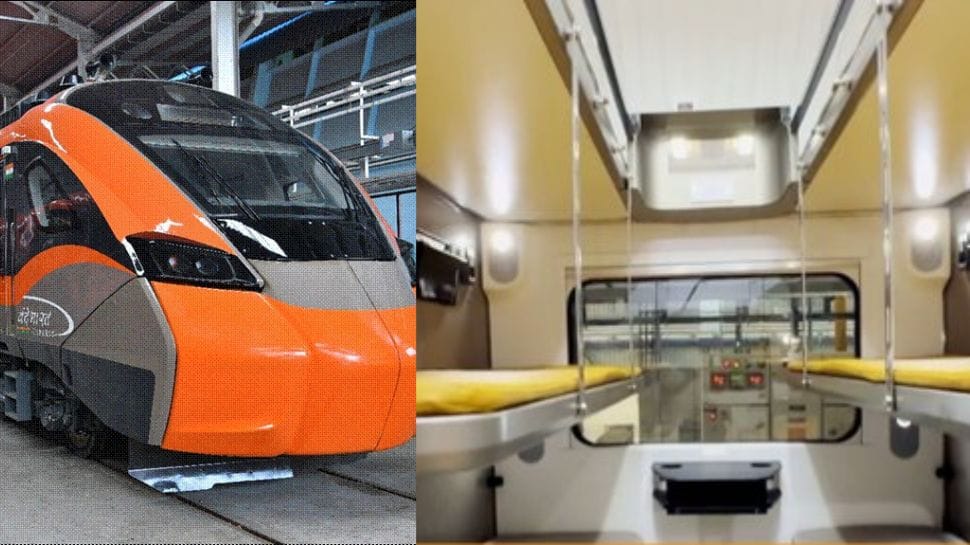
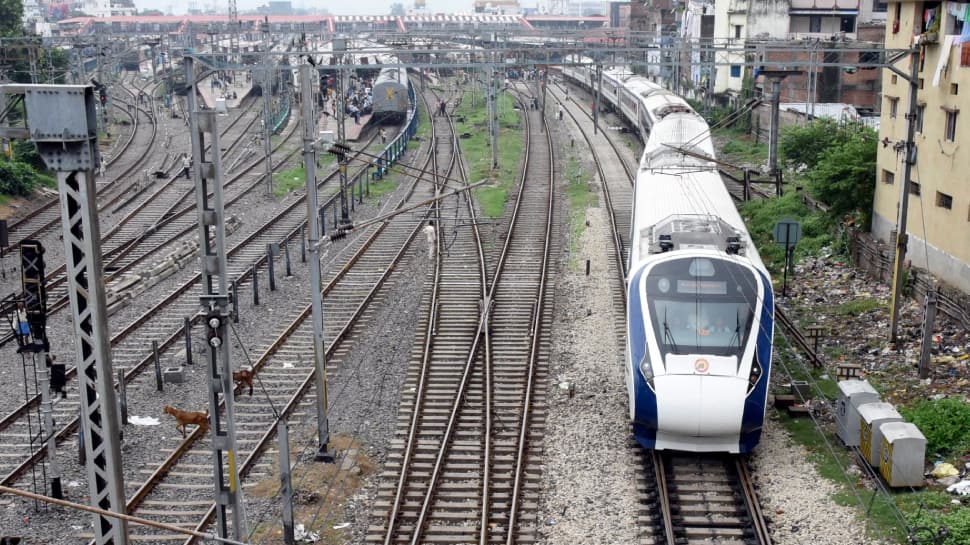
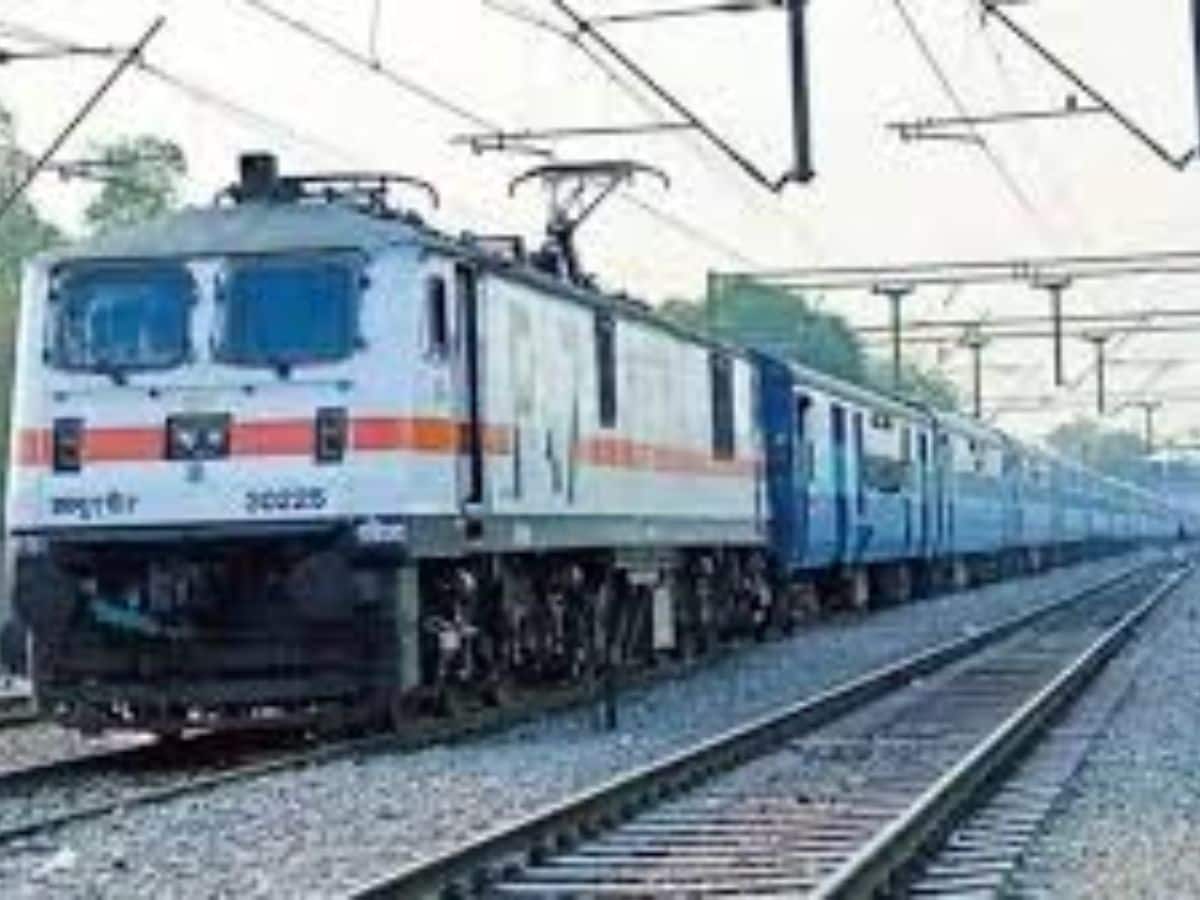
Vande Bharat sleeper train is set to be launched soon for long-distance overnight travel. As the name suggests, the train is a sleeper class variant of the Vande Bharat chair car train that is currently in service on the Indian Railways network. Two prototype rakes of the all air-conditioned Vande Bharat sleeper train have been manufactured by BEML and are currently in testing phase.Indian Railways is preparing a major overhaul of long-distance rail travel, with plans to introduce more than 200 Vande Bharat sleeper trains over the next few years. Multiple manufacturing programmes are underway to support this initiative.Also Read | Vande Bharat sleeper, Amrit Bharat with AC coaches & more – what will train travel on Indian Railways look like in 2026? BEML, in collaboration with the Integral Coach Factory (ICF), is manufacturing 10 sleeper train sets. Another 10 sets are being developed by Kinet, a joint venture between Indian and Russian partners. In addition, a consortium comprising Titagarh Rail Systems and BHEL has been awarded a contract to build 80 sleeper variants. Separately, ICF is also working on an in-house sleeper version of the Vande Bharat train.
Vande Bharat Sleeper Train Features
- The first two prototypes of the Vande Bharat sleeper have 16 coaches, including 11 air-conditioned three-tier coaches, four air-conditioned two-tier coaches, and one air-conditioned first-class coach.
- Designed as a semi-high-speed service, the train can operate at speeds of up to 160 kmph, with testing conducted at 180 kmph. However, actual operating speeds will depend on track capabilities across the Indian Railways network.
- Drawing on design elements from European rolling stock, the sleeper coaches will offer cushioned berths for improved comfort, along with redesigned upper-berth access to make climbing easier.
- Passenger amenities include low-intensity night lighting, audio announcements supported by visual display systems, CCTV surveillance, and modular pantry arrangements.
- The train will be fitted with advanced bio-vacuum toilets similar to those used in aircraft. Facilities will include an accessible toilet for persons with disabilities, a baby care unit, and shower cubicles with hot water in the AC First Class coach.
- Safety systems include the indigenous KAVACH anti-collision technology. Like the chair car version, the sleeper variant will also feature regenerative braking to enhance energy efficiency.
- Coaches are equipped with fully sealed gangways and automatic interconnecting doors, helping maintain interior air quality and stable temperature levels.
- Each coach offers individual reading lamps, charging sockets, foldable refreshment tables, and interiors finished with GFRP panels. Train doors will open automatically at designated stations.
- A Centralised Coach Monitoring System has been installed, along with emergency communication facilities that allow passengers to directly contact the locomotive driver.
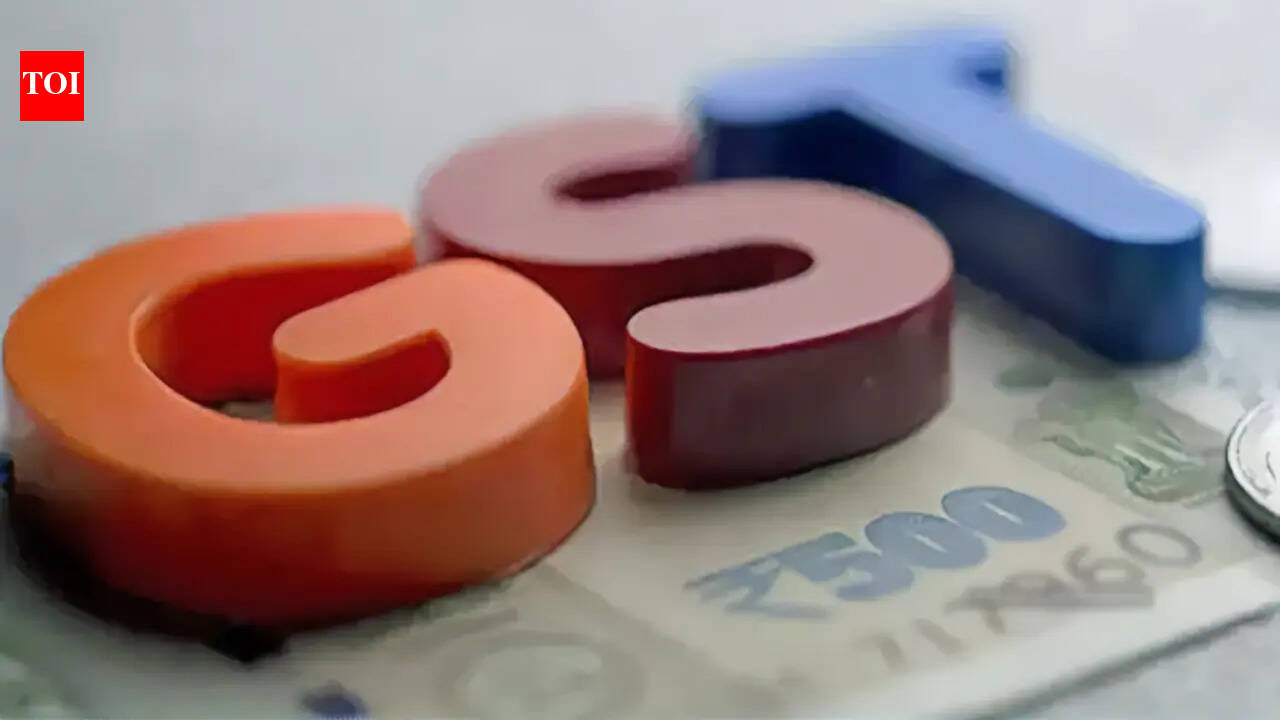
GST collections: India’s net Goods and Services Tax (GST) collections increased to Rs 1.78 lakh crore in March 2026, marking a rise of 8.2% compared to the previous month, according to official figures released on Wednesday.Gross GST revenue for March stood at Rs 2 lakh crore, which is an 8.8% increase over the same month last year.Abhishek Jain, Indirect Tax Head & Partner, KPMG says, “GST collections continue to show steady 9% annual growth, supported by strong import activity this month and consistent compliance. While export refunds have eased this month but remain healthy overall for the year”Refunds during the month totalled Rs 0.22 lakh crore, up 13.8% on a year-on-year basis, which resulted in net GST collections of Rs 1.78 lakh crore.Domestic GST revenue reached Rs 1.46 lakh crore, registering a growth of 5.9%, while revenue from imports was recorded at Rs 0.54 lakh crore, rising sharply by 17.8% during the period.Post-settlement GST figures across states presented a varied trend. While industrially advanced states recorded strong growth, several others reported a decline.Maharashtra contributed the highest amount to the overall collections at Rs 0.13 lakh crore on a pre-settlement basis, followed by Karnataka and Gujarat.Among states showing an increase in post-settlement SGST collections were Himachal Pradesh, Punjab, Uttarakhand, Haryana, Rajasthan, Uttar Pradesh, Bihar, Gujarat, Maharashtra, Karnataka, Kerala, Tamil Nadu, Telangana and Andhra Pradesh, among others.On the other hand, states such as Jammu and Kashmir, Chandigarh, Delhi, Arunachal Pradesh, Meghalaya, Assam, West Bengal, Jharkhand, Odisha, Chhattisgarh and Madhya Pradesh, among others, registered a decline in post-settlement SGST revenues.

A wave of bullishness swept the Pakistan Stock Exchange on Wednesday, pushing the 100 Index up by more than 5,000 points to reach 153,700.
The surge reflects increased investor confidence and strong trading activity across major sectors.
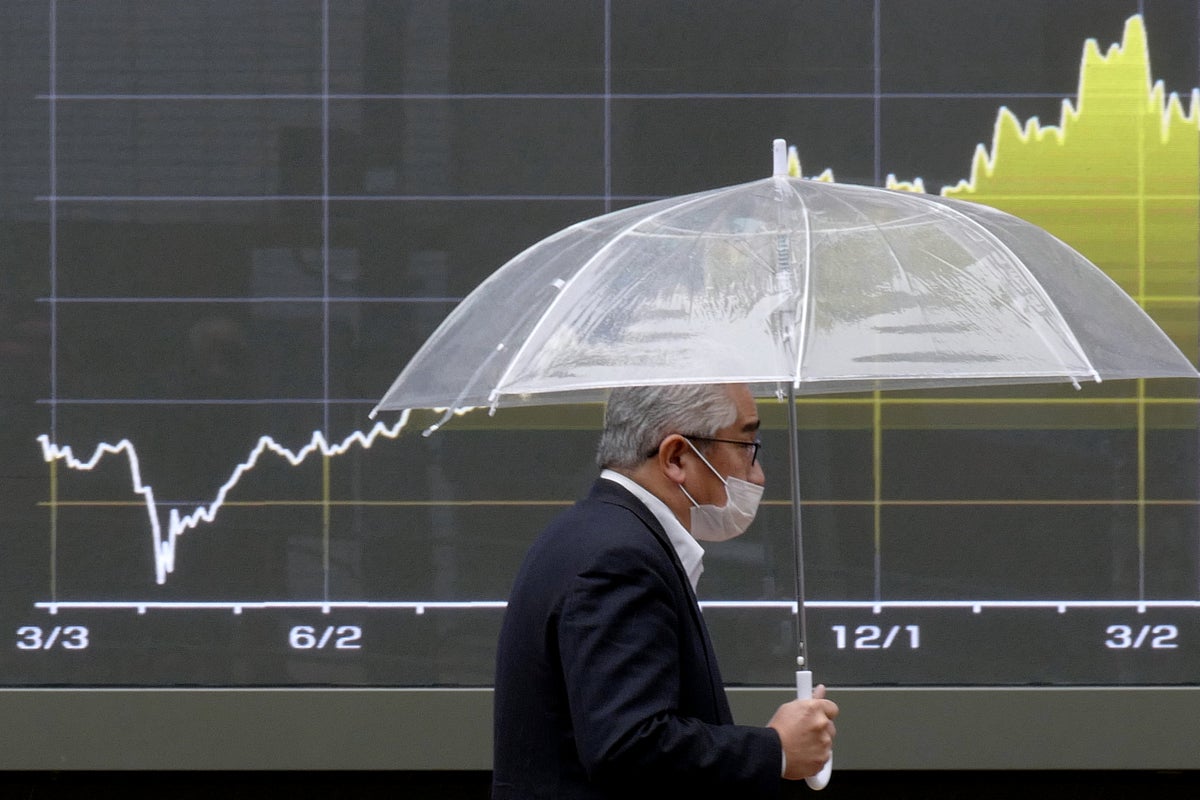
Business sentiment among major Japanese manufacturers rose from 16 to 17 in March, according to the Bank of Japan’s quarterly survey released on Wednesday.
The improvement in the so-called diffusion index in the closely watched “tankan” report, recorded for the fourth quarter straight, comes even as worries grow about Japan’s economic growth and oil supplies because of the US-Israeli war on Iran.
The survey is an indicator of companies foreseeing good conditions minus those feeling pessimistic.
The index for large non-manufacturers, such as the service sector, stood unchanged from the last tankan at 36.
Japan’s inflation has so far remained relatively moderate, but worries are growing about prices at the gas stands and other products. Investors and consumers alike are filled with uncertainty about how much longer the war may last and what US president Donald Trump might say next. Japan’s benchmark Nikkei 225 has gyrated wildly in recent weeks.
Analysts say the Bank of Japan may start to raise interest rates because of concerns about inflation, given the soaring energy costs and declining yen, two elements that greatly affect living costs for the average Japanese consumer.
Historically, Japan has benefited from a weak yen because of its giant exports, exemplified in autos and electronics. A weak yen raises the value of exports’ earnings when converted into yen.
But in recent years, a weak yen is working as a negative, as resource-poor Japan imports much of its energy, as well as other key products such as food and manufacturing components.
The US dollar has been soaring against the yen lately.
Japan’s central bank had a negative interest rate policy for years to fight deflation until it normalised policy in 2024. It kept the rate unchanged at 0.75 per cent in March. The next Bank of Japan monetary policy board meeting is set for April 27 and 28.


Rupee at 95/$: What it means for India’s textile sector

China’s Anta Sports posts record $11.62 bn revenue in 2025
GST collections rise 8.2% in March 2026 to hit Rs 1.78 lakh crore – The Times of India

Afghanistan announces release of detained US citizen

Property Play: Home flippers see smallest profits since the Great Recession, real estate data firm says

Broadcast industry CEO says consolidation is ‘essential’ to compete for NFL soaring media rights prices

-
 Politics1 week ago
Afghanistan announces release of detained US citizen
-

 Entertainment1 week ago
UN warns migratory freshwater fish numbers are spiralling
-
Business1 week ago
Property Play: Home flippers see smallest profits since the Great Recession, real estate data firm says
-
 Sports1 week ago
Broadcast industry CEO says consolidation is ‘essential’ to compete for NFL soaring media rights prices
-

 Tech1 week ago
Can a Home Appliance Fix the Problem of Soft-Plastic Waste?
-
 Business1 week ago
Gold prices soar in Pakistan – SUCH TV
-

 Fashion1 week ago
ICE cotton slips on weaker crude, profit booking
-
 Business1 week ago
More women are entering wealth management, but few are in advisory roles, study finds