

Business
Vande Bharat sleeper clocks 180 kmph! Ashwini Vaishnaw shares video of train’s ‘water test’; watch – The Times of India

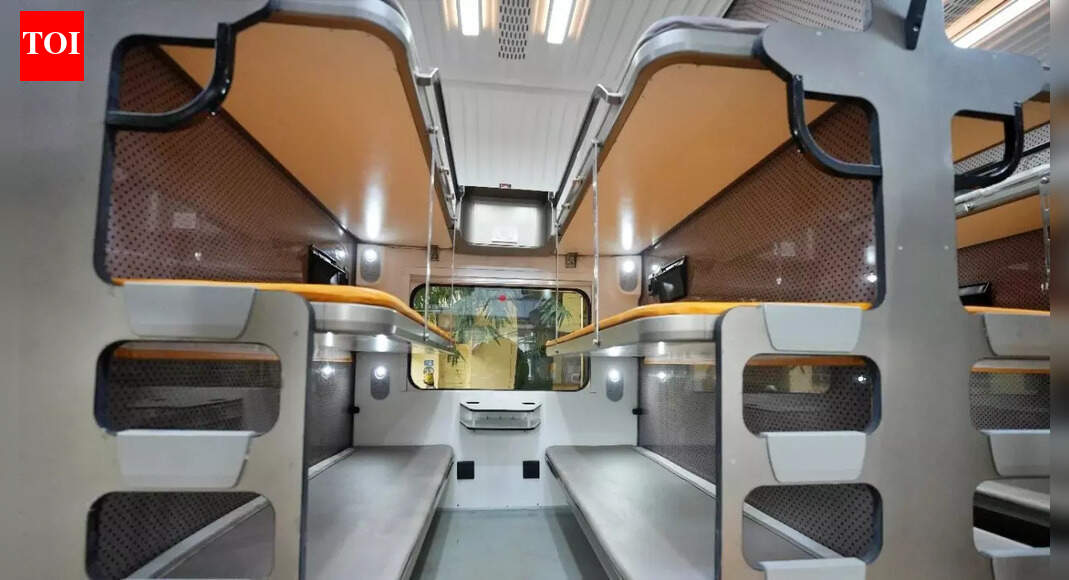
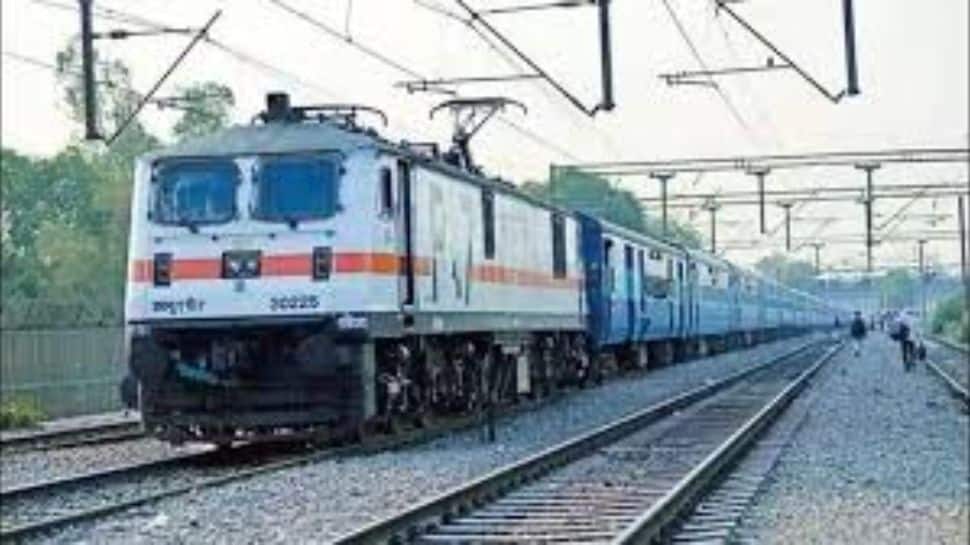
Vande Bharat sleeper train launch soon! Railway Minister Ashwini Vaishnaw on Tuesday shared an important update on the Vande Bharat sleeper train, posting a video on X (formerly Twitter) of the train’s speed trial. The new train touched 180 kmph speeds – its maximum- during trial runs between the Kota-Nagda section of the Indian Railways network.What caught the attention was the finely balanced glasses of water from which not a drop of spilt despite the train touching its maximum design speed of 180 kmph. “Vande Bharat Sleeper tested today by Commissioner Railway Safety. It ran at 180 kmph between Kota Nagda section. And our own water test demonstrated the technological features of this new generation train,” Ashwini Vaishnaw posted on X.
Vande Bharat Sleeper Clocks 180 Kmph Speed: Watch Video
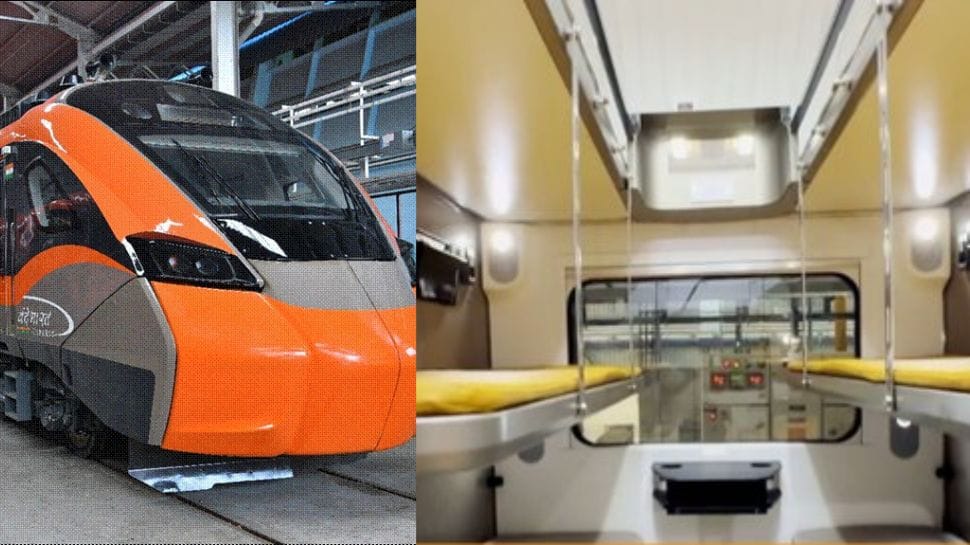
Vande Bharat sleeper train is set to be launched soon for long-distance overnight travel. As the name suggests, the train is a sleeper class variant of the Vande Bharat chair car train that is currently in service on the Indian Railways network. Two prototype rakes of the all air-conditioned Vande Bharat sleeper train have been manufactured by BEML and are currently in testing phase.Indian Railways is preparing a major overhaul of long-distance rail travel, with plans to introduce more than 200 Vande Bharat sleeper trains over the next few years. Multiple manufacturing programmes are underway to support this initiative.Also Read | Vande Bharat sleeper, Amrit Bharat with AC coaches & more – what will train travel on Indian Railways look like in 2026? BEML, in collaboration with the Integral Coach Factory (ICF), is manufacturing 10 sleeper train sets. Another 10 sets are being developed by Kinet, a joint venture between Indian and Russian partners. In addition, a consortium comprising Titagarh Rail Systems and BHEL has been awarded a contract to build 80 sleeper variants. Separately, ICF is also working on an in-house sleeper version of the Vande Bharat train.
Vande Bharat Sleeper Train Features
- The first two prototypes of the Vande Bharat sleeper have 16 coaches, including 11 air-conditioned three-tier coaches, four air-conditioned two-tier coaches, and one air-conditioned first-class coach.
- Designed as a semi-high-speed service, the train can operate at speeds of up to 160 kmph, with testing conducted at 180 kmph. However, actual operating speeds will depend on track capabilities across the Indian Railways network.
- Drawing on design elements from European rolling stock, the sleeper coaches will offer cushioned berths for improved comfort, along with redesigned upper-berth access to make climbing easier.
- Passenger amenities include low-intensity night lighting, audio announcements supported by visual display systems, CCTV surveillance, and modular pantry arrangements.
- The train will be fitted with advanced bio-vacuum toilets similar to those used in aircraft. Facilities will include an accessible toilet for persons with disabilities, a baby care unit, and shower cubicles with hot water in the AC First Class coach.
- Safety systems include the indigenous KAVACH anti-collision technology. Like the chair car version, the sleeper variant will also feature regenerative braking to enhance energy efficiency.
- Coaches are equipped with fully sealed gangways and automatic interconnecting doors, helping maintain interior air quality and stable temperature levels.
- Each coach offers individual reading lamps, charging sockets, foldable refreshment tables, and interiors finished with GFRP panels. Train doors will open automatically at designated stations.
- A Centralised Coach Monitoring System has been installed, along with emergency communication facilities that allow passengers to directly contact the locomotive driver.

Falls last month in the cost of energy and air travel – along with an easing of inflation across a range of everyday groceries including chocolate, coffee and rice – helped pull down the UK’s overall rate to its lowest level since spring 2025.
Electricity bills in April were on average 6.0% lower than a year ago.
This is a sharp turnaround from March, when they were up year on year by 5.6%.
Gas bills were already down 2.8% on the year in March, but in April they recorded an even larger drop, averaging 13.5% below where they stood 12 months ago, according to data from the Office for National Statistics (ONS).
The falls are a result of Ofgem lowering its energy price cap from the start of April by 7%, or £10 a month, for the average household using both electricity and gas, in response to measures announced by the Government to cut the cost of bills.
A steep drop in air fares also helped ease the overall rate of inflation.
The average cost of air travel was down 13.2% year on year in April, following a jump of 14.5% in March, reflecting the early timing of this year’s Easter holidays.
A wide range of groceries recorded an smaller annual increase in price last month than in March, including chocolate, mineral water, ready meals, coffee, meat, tea, rice and bread.
The same was true for the cost of tickets to cinemas, theatres, concerts and museums, while train fares swung from a positive rate of inflation in March of 1.9% to a fall of 0.2% in April.
There were also smaller rises in water and sewerage bills than a year ago.
All of these factors were more than enough to offset the upwards pressures on inflation last month, led by a sharp rise in the cost of fuel.
The average price of petrol in April was 16.6% higher than 12 months ago, compared with a much smaller year on year on increase of 2.0% in March.
Diesel saw an even bigger jump, from an annual inflation rate of 9.6% in March to 34.1% in April.
The steep increases reflect the ongoing impact of the Iran war, which began at the end of February and prompted a spike in the price of crude oil during March, in turn boosting the cost of filling up at the pumps.
Inflation also picked up pace in April for a handful of everyday groceries, including pasta, fish, potatoes and breakfast cereals.
The average cost of staying in hotels and similar accommodation was 3.8% higher in April than 12 months earlier, compared with a year on year rise of just 0.8% in March.
Below are some examples of how the Consumer Prices Index (CPI) inflation rate has eased or accelerated.
Two figures are listed for each item: the average rise in price in the 12 months to March, followed by the average rise in price in the 12 months to April.
– Examples where annual inflation has eased, ranked by the size of change:
Passenger air travel: March up 14.5%, April down 13.2%Water supply: March up 26.4%, April up 9.0%Electricity: March up 5.6%, April down 6.0%Gas: March down 2.8%, April down 13.5%Margarine: March up 3.1%, April down 1.4%Chocolate: March up 10.9%, April up 7.8%Mineral or spring waters: March up 9.4%, April up 6.3%Ready-made meals: March up 6.7%, April up 3.9%Coffee: March up 9.0%, April up 6.3%Cinemas, theatres, concerts: March up 7.4%, April up 5.2%Meat: March up 5.8%, April up 3.6%Tea: March up 6.7%, April up 4.6%Bread: March up 3.3%, April up 2.0%
– Examples where annual inflation has accelerated
Diesel: March up 9.6%, April up 34.1%Petrol: March up 2.0%, April up 16.6%Hotels/other accommodation: March up 0.8%, April up 3.8%Sauces, spices & culinary herbs: March up 2.6%, April up 4.9%Pasta & couscous: March up 4.4%, April up 6.1%Men’s clothes: March up 0.2%, April up 1.6%Fish: March up 4.5%, April up 5.7%Crisps: March up 0.3%, April up 1.5%Women’s clothes: March up 0.9%, April up 2.0%Potatoes: March up 0.5%, April up 1.5%

Inflation fell for the first time this year in April, official statistics show – but economists warn this is merely the calm before the storm.
The Office for National Statistics reported on Wednesday morning that annual consumer price rises fell from 3.3 per cent in March to 2.8 per cent in April.
That’s largely because government measures to lower energy costs kicked in, helping lower household bills, if only temporarily.
In response to fresh inflation data from the ONS, Chancellor Rachel Reeves said: “The war in Iran is not our war but one we will need to respond to, and the decisions I took in the Budget last year have kept inflation down as we deal with global instability.
“We have the right economic plan, and to change course now would risk our economic stability and leave working people worse off.
“We have already taken £117 off energy bills, frozen rail fares, and lifted the two-child limit, and over today and tomorrow I’ll set out the next phase of how we will support UK households.”
But economists fear the drop in inflation may be short-lived. Suren Thiru, chief economist at chartered accountants institute the ICAEW, said: “April’s slowdown is a final interlude before the inflation storm sparked by the Iran war hits as the Ofgem energy price cap reduction, aided by the chancellor’s cut to green levies, temporarily lowered the headline rate.
“This decline is probably the last inflation fall for this year as surging fuel and food prices will probably haul it close to 4 per cent this summer, while any escalation of the conflict in Iran opens the door to CPI hitting 5 per cent.”
Danni Hewson, head of financial analysis at AJ Bell, said: “The problem with today’s inflation data is that it is backwards looking and households struggling to stretch their budgets to fit the rest of the year are hyper aware that the picture painted by April’s numbers is a rose-tinted anomaly. Whilst motorists have already experienced a hefty rise in the price they’ve been paying at the pump, the true impact of the energy price shock created by the Iran war will take a few months to really work its way through the system.”
Rising prices are the top financial concern for UK households, recent surveys show.
S&P Global’s consumer sentiment index figure dropped to 42.1 in May, from 42.3 in April, the lowest level since July 2023 when inflation in the UK was soaring as a result of the Russian invasion of Ukraine.
On Tuesday, the UK unemployment rate rose to 5 per cent in the three months to March from 4.9 per cent. That could also be a sign of further job cuts to come as employers look to cut costs.
Ms Hewson said on inflation: “April’s figures are further skewed by the energy price cap, which includes a big dollop of government help as it shifts the burden of renewables onto general taxation and away from bills. Put simply, this is the calm before a summer storm with energy bills, food prices and a whole host of other costs expected to shoot up over the coming months. With wage growth slowing in a tepid labour market to boot, things are likely to feel tough for a lot of people still reeling from their last brush with high inflation.”
Business
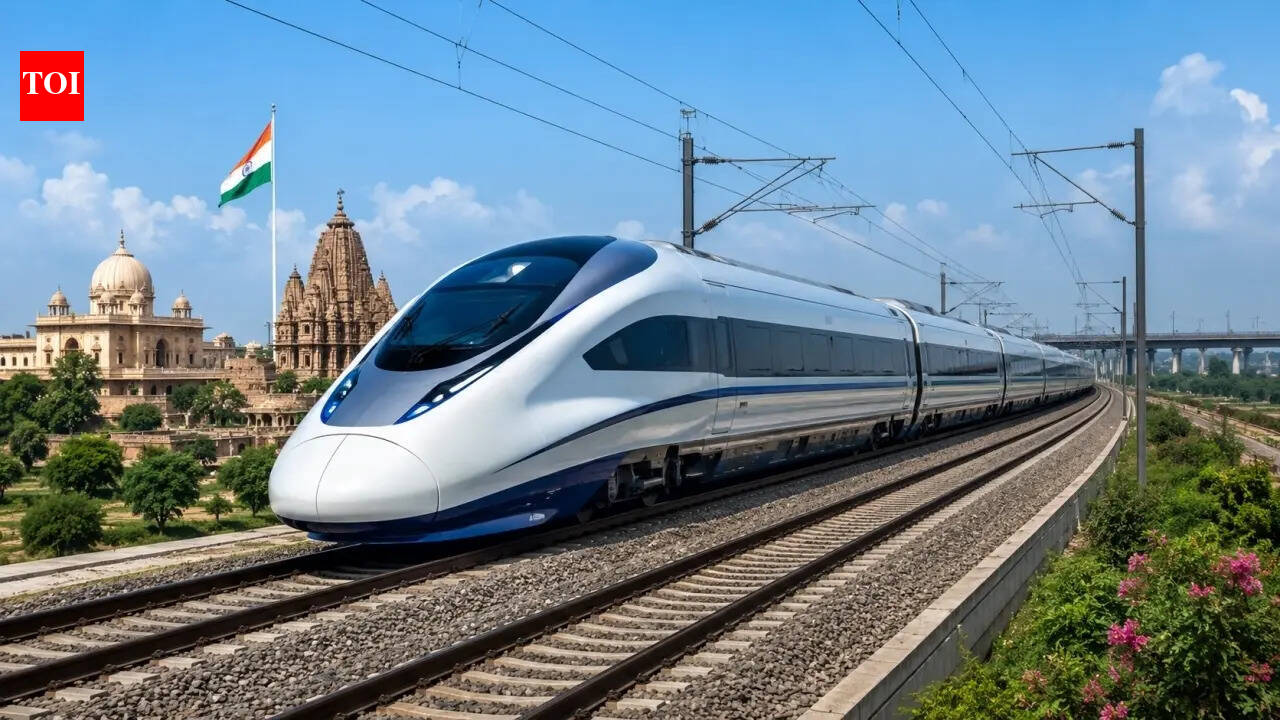
Indian Railways eyes 350 kmph speeds with its next indigenous bullet train; first one to have 280 kmph potential
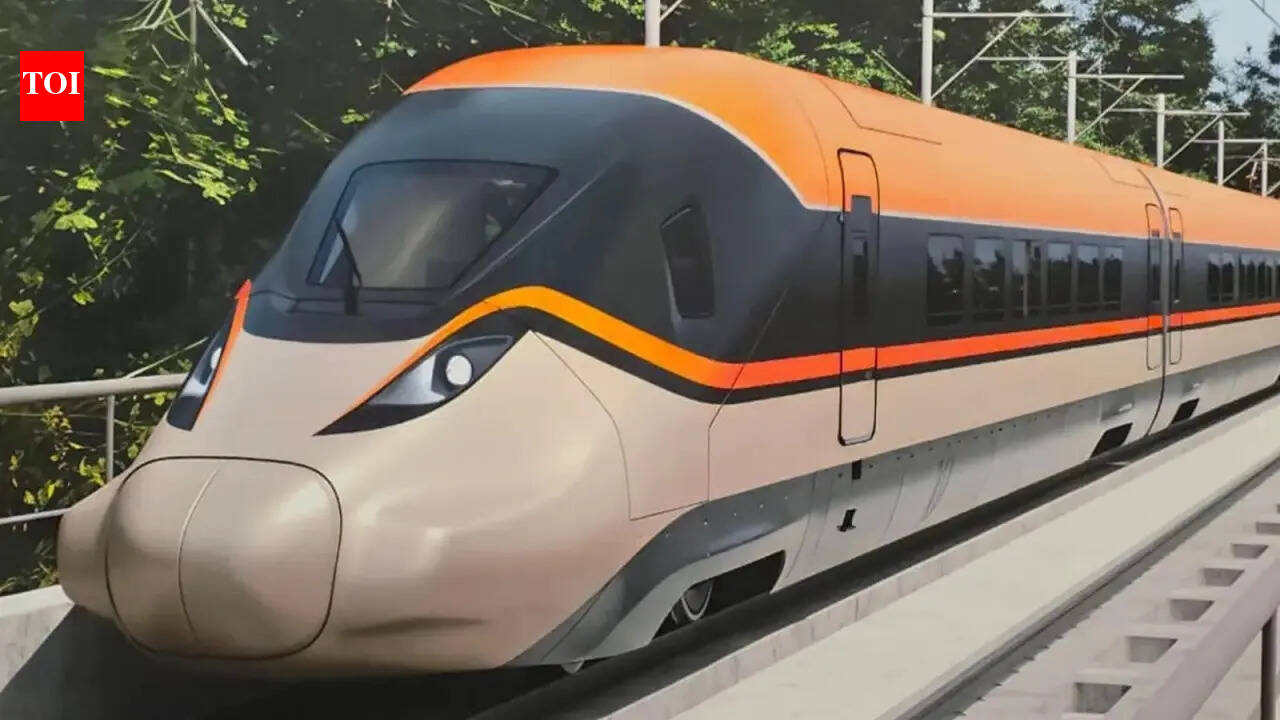
Indigenous bullet train at 350 kmph! Railway Minister Ashwini Vaishnaw on Tuesday said India’s next-generation bullet train is being planned with a top speed of 350 kilometres per hour. He added that work on the train’s design is expected to commence within the next six months.The 508-kilometre Mumbai-Ahmedabad High-Speed Rail Corridor, launched in 2016, is currently under construction and is intended to support trains running at speeds of up to 320 kmph. The first phase of operations is expected to begin in August 2027.India’s first bullet train is currently being manufactured by Bengaluru-based BEML and is likely to be ready by 2027.
India’s first bullet train
At present, BEML and the Integral Coach Factory (ICF) are jointly working on the B28 bullet train project, designed for speeds of up to 280 kmph. The prototype is likely to be completed early next year and is scheduled to begin operations on a section of the Mumbai-Ahmedabad High Speed Rail Corridor by August 2027.“Our next domestically developed high-speed train will be capable of running at 350 kmph,” Vaishnaw told ET.Vaishnaw said the upcoming high-speed trains are being equipped with specialised features tailored to India’s varied climatic conditions.The minister also stated that the Railway Board will prioritise safety while integrating new technologies during the current financial year. According to him, close to 70,000 kilometres of railway tracks have been laid over the past decade, and more than 80% of the national rail network is now capable of supporting train speeds of up to 110 kmph.Earlier this week, an image of the proposed design of India’s first indigenous bullet train was displayed at Rail Bhawan. The Railway Board has said that the image is a design stage one, symbolic in nature and not the actual design of the train.The visual of the high-speed train, recently installed at Rail Bhawan, drew considerable attention from visitors, many of whom assumed it represented the first official glimpse of India’s inaugural bullet train project, slated for launch in August 2027.


Vietnam to set up government trade negotiation delegation

Brazil’s apparel imports rise 19% amid growing reliance on China
Examples of where inflation eased in April – and where it accelerated

-

 Entertainment1 week ago
Conan O’Brien hat tricks as Oscar host
-

 Fashion7 days ago
Italy’s Zegna Group’s Q1 growth boosted by strong organic performance
-

 Tech1 week ago
Papa Johns Is Getting Into Drone Delivery—but Not for Pizza
-
 Business1 week ago
Pound wobbles and bonds suffer as Starmer battles on
-

 Sports1 week ago
2025-26 NBA Title Odds: Thunder, Spurs Favored; Knicks Rising
-

 Entertainment1 week ago
Urgent meeting held at Palace
-

 Fashion1 week ago
US T&A exports decline 10% to $5 bn on softer regional demand
-

 Entertainment4 days ago
Where Pete Davidson, Elsie Hewitt stand after breakup: Details revealed