

Business
VB G RAM G: A Reimagined Rural Employment Guarantee With A Development Thrust

Last Updated:
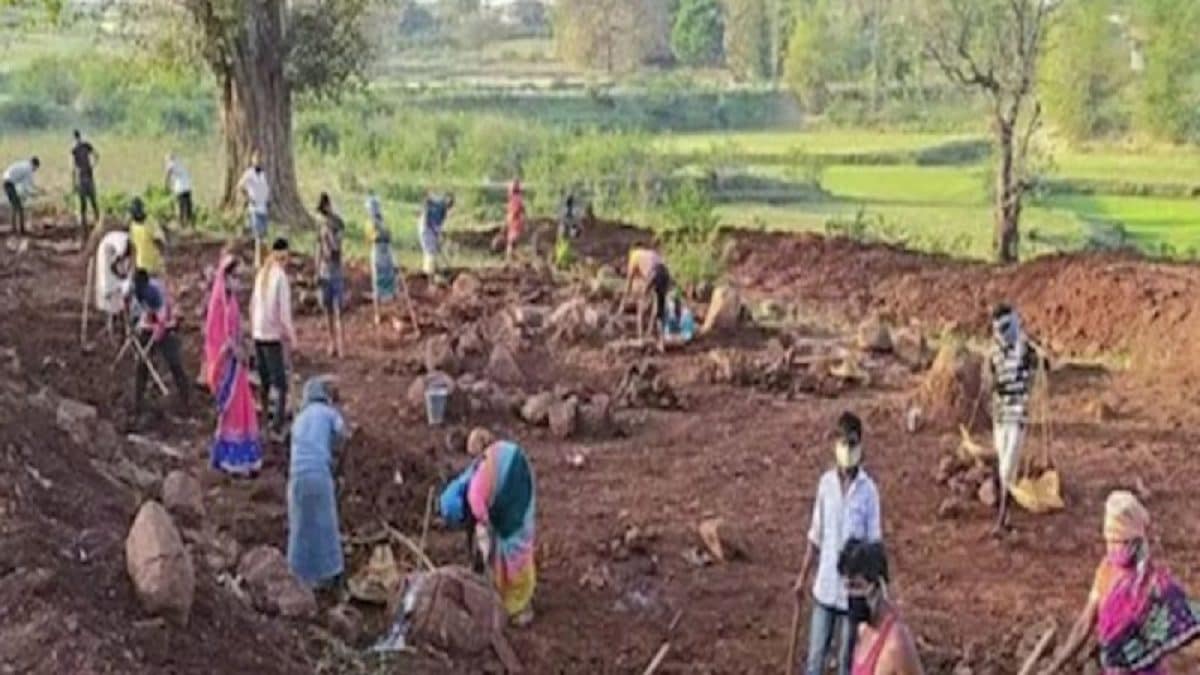
Modi government’s VB G RAM G Bill replaces MGNREGA, raising job days from 100 to 125, boosting tech-driven transparency, and enhancing state flexibility amid Opposition protests.
Since FY15, the cumulative budgetary allocation to MGNREGA has reached Rs 8.64 lakh crore, about 3.6 times that of the UPA period.
As the Modi government introduced the VB G RAM G Bill — Viksit Bharat – Guarantee for Rozgar and Ajeevika Mission (Gramin) in the Lok Sabha, replacing MGNREGA, the Opposition, including the Congress, vociferously protested and tore copies of the legislation in the well of the House, irked by the absence of Mahatma Gandhi’s name. Realising its bankruptcy of issues, the Congress latched onto this matter hurriedly, without examining the fine print—where none existed. What the Congress fails to acknowledge is that rural employment schemes have existed since the 1960s, and even MGNREGA did not carry Mahatma Gandhi’s name when the Bill was legislated in 2005.
Improvements to MGNREGA since 2014-15
The implementation of MGNREGA during the UPA years was riddled with weak oversight, patchy execution, and relatively shallow budget allocations. Since FY15, the cumulative budgetary allocation to MGNREGA has reached Rs 8.64 lakh crore, about 3.6 times that of the UPA period. This includes stepped-up expenditure of Rs 1.12 lakh crore during crisis periods such as the Covid pandemic.
This exponential increase in allocation translated into visible improvements in women’s participation, person-days generated, and the creation of durable rural assets. Unlike the UPA era, digitisation and geotagging of photographs have aided in improving transparency and facilitating timely payment of wages.
However, despite the ramp-up in implementation, several irregularities and structural issues — such as fake job cards, chronic delays in wage payments, quality and durability deficits in assets, and accountability gaps — have been highlighted in various Departmentally Related Standing Committee reports.
The Bill: Differentiation across multiple dimensions
The new Bill represents a comprehensive revamp of MGNREGA while retaining the core employment guarantee. It raises the guaranteed wage employment from 100 days to 125 days per household per financial year, covering more than a third of the year. While convergence, saturation, and a whole-of-government approach existed operationally under MGNREGA, these principles have now been formally embedded in the legislation, reinforcing the commitment to rural resilience and prosperity.
The Bill also mandates that wage payments be made within seven days of completion of work, compared to the earlier ceiling of 15 days.
The most defining feature of the Bill is its emphasis on technology-enabled planning, transparency, and accountability. All Viksit Gram Panchayat Plans will be aggregated into the Viksit Bharat National Rural Infrastructure Stack and integrated with the PM Gati Shakti National Master Plan to enable spatially optimised infrastructure development. Artificial intelligence will also be leveraged for planning, audits, and fraud-risk mitigation.
Biometric authentication of workers, mobile application-based and dashboard-based monitoring systems providing real-time visibility of demand, works, workforce deployment, payments, and progress, along with weekly public disclosure mechanisms — both digital and physical — covering key metrics, muster rolls, payments, sanctions, inspections, and grievance redressal — form a robust technology-driven transparency and accountability framework.
Enhancing responsibility, predictability, flexibility, and accountability for states
Earlier, states received 32 percent devolution from central taxes. This was increased to 42 percent by the Fourteenth Finance Commission. In alignment with this shift, VB G RAM G will be implemented as a centrally sponsored scheme with a 60:40 Centre-state funding pattern, replacing the earlier central sector structure.
States will also have greater flexibility to allocate funds, based on Viksit Gram Panchayat Plans, to those gram panchayats that need them the most, thereby addressing regional disparities more effectively. The Bill introduces normative allocations, enabling states to better predict finances and plan works in advance.
With technology-driven governance and the liability resting on states to provide unemployment allowance if work is not provided within 15 days, states are firmly brought within the accountability framework. When analysed together, the employment guarantee and panchayat plans clearly reinforce the demand-driven character embedded in the Bill.
Relief for farmers and support to agriculture
Agriculture and allied activities play a critical role in food security and contribute significantly to GDP. As the annadata is a key stakeholder in the vision of Viksit Bharat, farmer welfare remains a core focus of the Modi government. Initiatives such as PM-KISAN, PMFBY, the announcement of 50 percent returns over cost in MSP, and GST 2.0 reforms, including a reduction in GST on key farm inputs to five percent, reflect this commitment.
Yet, persistent challenges remain in agricultural production, with implications for food security. One major issue is the chronic labour shortage during peak sowing and harvesting periods. This concern was also flagged by the Standing Committee on Rural Development in its 2012–13 report on MGNREGA, which noted that MGNREGA works during peak agricultural seasons adversely affect labour availability for farming. While the department acknowledged the issue, it had earlier rejected a blanket ban on works during peak periods.
Recognising this challenge, and considering that over 80 percent of farmers are small and marginal, farm mechanisation levels remain low, and more than 45 percent of the cost of cultivation is labour-related, the Bill empowers states to notify, in advance, a period aggregating up to 60 days in a financial year covering peak sowing and harvesting seasons during which works under the scheme will not be undertaken. This ensures adequate availability of farm labour during critical agricultural operations.
Another major concern is that over 50 percent of India’s net sown area remains monsoon-dependent, exposing food production to high rainfall variability. With water security identified as one of the four thematic focus areas, water-related works such as irrigation support and groundwater recharge will strengthen agricultural resilience. The other thematic focus areas—connectivity, storage, and protection from extreme weather—also provide direct and indirect support to farmers.
Conclusion
The transformative VB G RAM G Bill represents continuity rather than rupture, carrying forward the spirit embedded in MGNREGA while addressing its structural shortcomings. By raising the employment guarantee from 100 to 125 days, strengthening execution through technology-enabled planning, payments, and oversight, and enhancing state participation and accountability, the Bill seeks to elevate rural employment guarantees to the next level.
In doing so, states are also poised to reap positive spillover effects across agriculture and rural infrastructure, making VB G RAM G a more holistic instrument for rural development in a Viksit Bharat.
 Click here to add News18 as your preferred news source on Google.
December 20, 2025, 07:32 IST
Read More
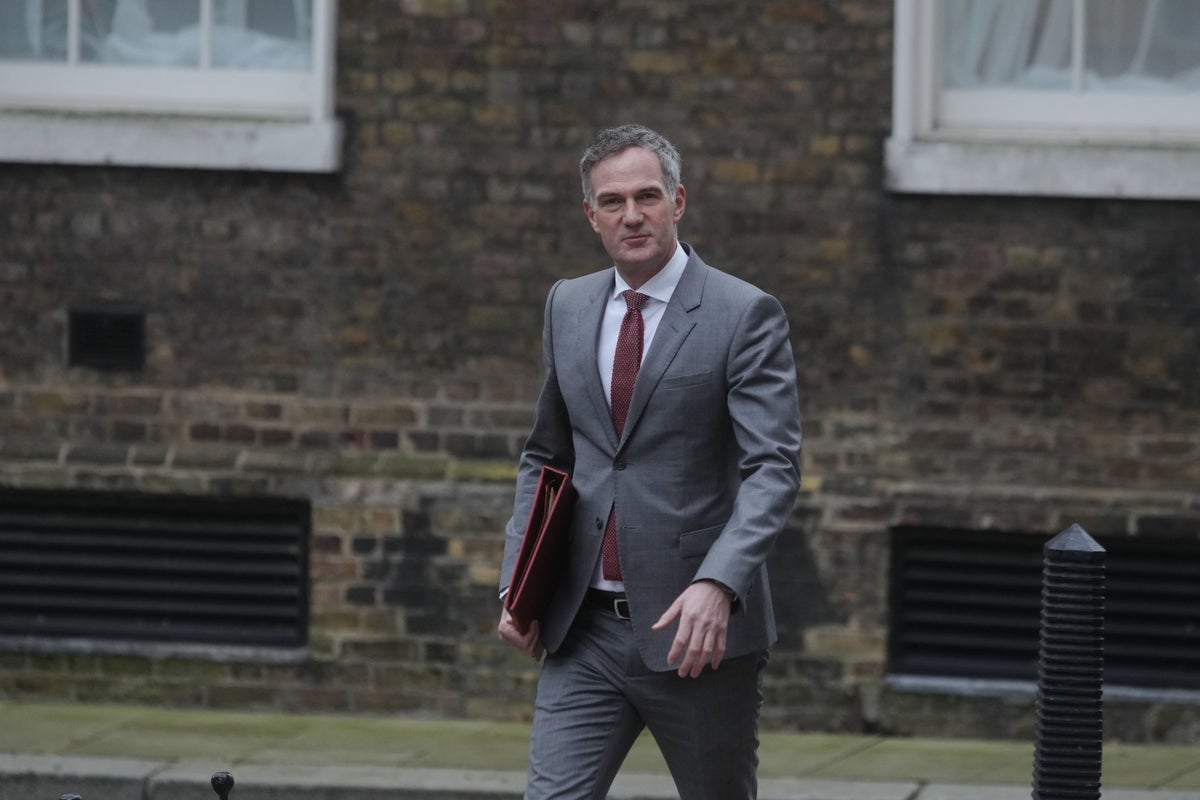
A mothballed carbon dioxide plant is to be reopened with a Government grant of up to £100 million amid fears of shortages caused by the Iran war.
Business Secretary Peter Kyle signed off the grant to reopen the Ensus plant on Teesside, according to the Financial Times.
It is understood the grant will pay to get the plant up and running again for an initial three-month period.
The plant was mothballed last year after a trade deal with the US cut tariffs on bioethanol, its main product.
It will be reopened due to its ability to produce CO2 as a by-product. The gas is vital for several sectors, including drinks and the nuclear industry, but supply has been disrupted thanks to soaring energy costs on other sources such as fertiliser factories.
The grant for the Ensus plant is the first major intervention by the UK Government aimed at tackling possible shortages caused by the Iran conflict.
But fears range much wider than CO2, with former BP executive Nick Butler telling Times Radio the UK could face oil and gas shortages in two to three weeks.
He said: “There will be shortages and I think the Government now should be seriously planning how they’re going to handle that and part of that is maximising supply.”
On Tuesday, Shell chief executive Wael Sawan issued a similar warning at an industry conference.
Ministers continue to insist the supply of petrol remains reliable.
Energy minister Michael Shanks told MPs on Wednesday the Government was “absolutely not” planning for blackouts or petrol rationing, insisting the UK had a “strong and diverse range of supplies”.
The key question remains how long Iran’s effective blockade of the vital Strait of Hormuz will last.
On Thursday, Foreign Secretary Yvette Cooper will urge Iran to reopen the Strait of Hormuz as she travels to the G7 Foreign Ministers’ meeting in France.
She will make clear that the UK will help ensure safe passage for ships through the strait and provide an additional £2m in humanitarian aid to Lebanon.
Ms Cooper is expected to hold talks with counterparts, including US secretary of state Marco Rubio, France’s Jean-Noel Barrot, and Germany’s Johann Wadephul.
The strait remained closed on Wednesday evening, despite Iran’s foreign minister Abbas Araghchi claiming it was open to “non-hostile” shipping.
The conflict continued with Washington saying it would hit Iran “harder” if Tehran refused to accept it had been “defeated militarily”.
White House spokeswoman Karoline Leavitt insisted “productive” talks were continuing between Washington and Tehran.
But Mr Araghchi said in a message on his Telegram channel, translated from Farsi, that there had been “no negotiations or discussions with the American side” and suggested the US had effectively admitted defeat.
He said: “Didn’t they talk about ‘unconditional surrender’ before? What happened now that they are talking about negotiations and calling for them?
“I will explain that there are no negotiations, but the fact that they are mobilising their highest officials to negotiate with the Islamic Republic indicates their acceptance of defeat.”

new video loaded: How Kharg Island May Change the Trajectory of the Iran War
By Peter Eavis, Gilad Thaler, Edward Vega, Lauren Pruitt and Joey Sendaydiego
March 25, 2026
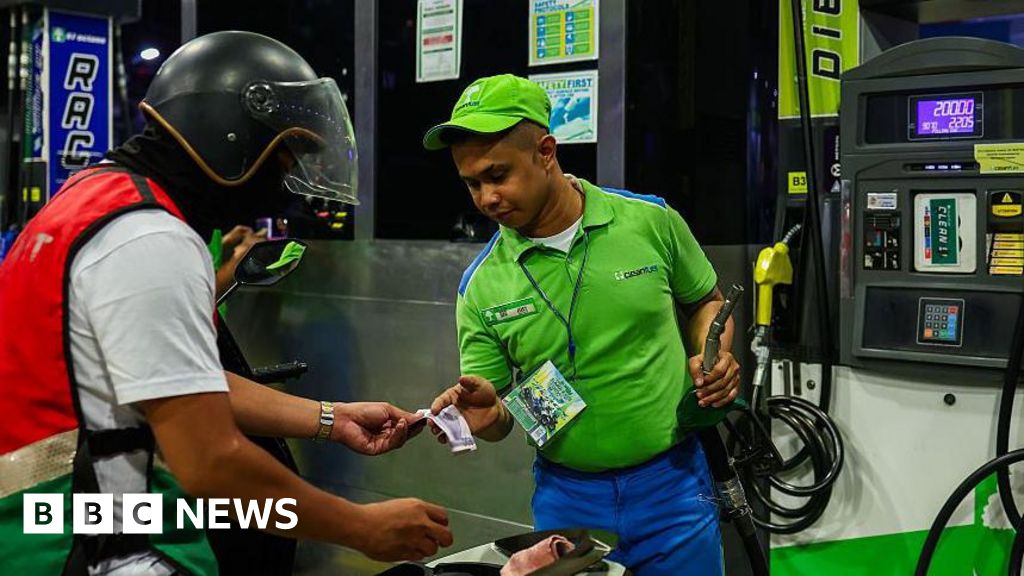
Crude rose back above $100 a barrel as the US and Iran clashed over bringing the conflict to an end.
Source link


Man United’s big night was disappointing, but not their spirit
Government grant to reopen CO2 plant amid fears of Iran-linked shortages

Trump to visit China in May after Iran war delay

Sales at US apparel, clothing accessories stores up 4% YoY in Jan 2026

Justice Department Says Anthropic Can’t Be Trusted With Warfighting Systems

March Madness 2026 – How to watch in SA, start time, schedule, TV channel for NCAA championship basketball tournament

-
 Fashion1 week ago
Sales at US apparel, clothing accessories stores up 4% YoY in Jan 2026
-
 Tech1 week ago
Justice Department Says Anthropic Can’t Be Trusted With Warfighting Systems
-
 Sports1 week ago
March Madness 2026 – How to watch in SA, start time, schedule, TV channel for NCAA championship basketball tournament
-
 Business1 week ago
Stocks and pound rise as US rate call approaches
-

 Entertainment1 week ago
Val Kilmer revived 1 year after death through AI
-
 Business1 week ago
Brits cashing in jewellery as gold price hits record high
-

 Politics1 week ago
Iran strikes Tel Aviv with cluster-warhead missiles in retaliation of Larijani’s martyrdom
-

 Sports1 week ago
WBC championship: USA-Venezuela preview, live updates, analysis