

Business
Video: Why Does Oil Matter So Much to the Global Economy?


new video loaded: Why Does Oil Matter So Much to the Global Economy?

By Rebecca F. Elliott, Sutton Raphael, Joey Sendaydiego, James Surdam and Nikolay Nikolov
March 12, 2026


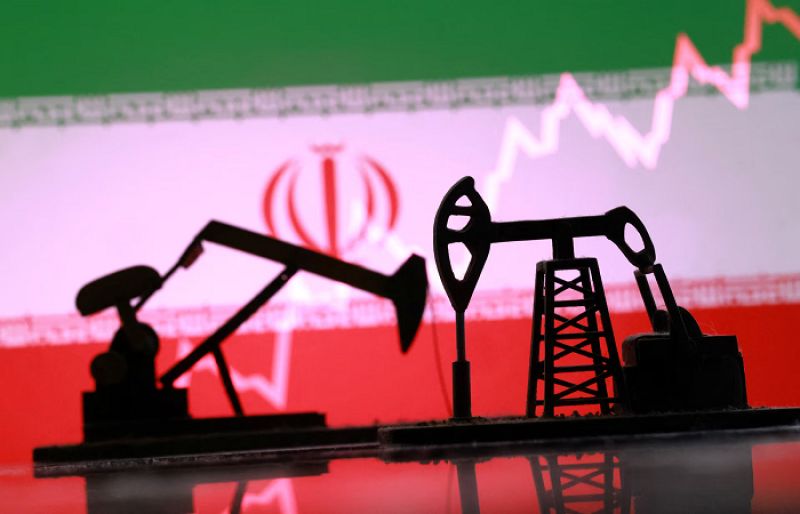

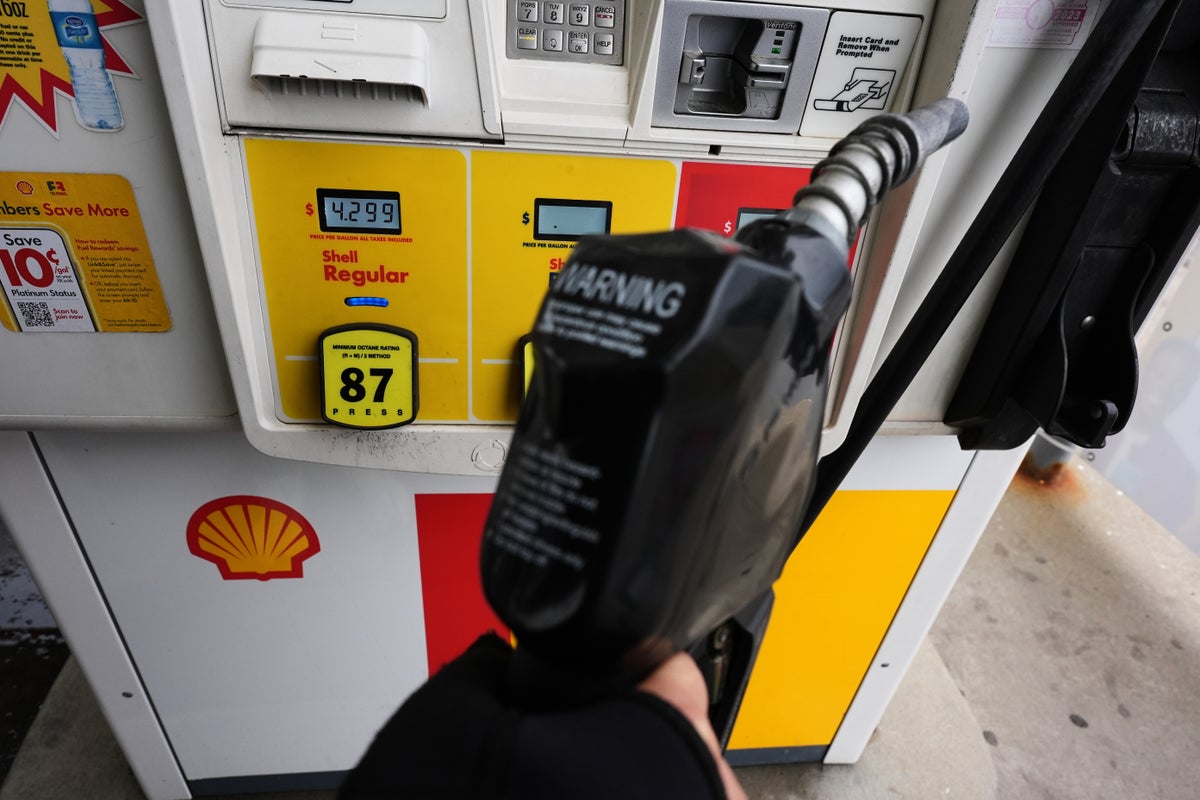
The price of Brent crude oil surged past $125 a barrel early Thursday as stalled US–Iran talks raised doubts over the reopening of the Strait of Hormuz and a permanent end to the Iran war.
Brent crude to be delivered in June jumped 6.2 per cent to $125.36 early Wednesday. Brent to be delivered in July rose 3.1 per cent to $113.85.
Before the start of the war in late February, Brent crude was trading around $70 per barrel.
The Iran war, which is in its ninth week, still sees no clear path to an end. The US has continued its blockade of Iranian ports while the Strait of Hormuz, is closed, pushing oil prices higher.
US West Texas Intermediate futures for June were up $2.42, or 2.3 per cent, at $109.30 a barrel, after climbing 7 per cent in the previous session, climbing in eight of nine sessions.
Both benchmarks are on track for their fourth month of gains.
US president Donald Trump is slated to receive a briefing on Thursday on plans for a series of military strikes on Iran in hopes it will return to negotiations on its nuclear programme, according to an Axios report late on Wednesday.
The US and Israel began air strikes on Iran on 28 February and it retaliated by closing off almost all shipping through the Strait of Hormuz, a chokepoint for energy supplies from Middle Eastern producers.
Amid a ceasefire that has paused active combat, the US has imposed a blockade on Iranian ports. Talks to resolve the conflict, which has killed thousands and caused what analysts say is the world’s biggest energy disruption ever, have deadlocked, with the US insisting on discussing Iran’s alleged nuclear weapons programme and Iran demanding some control over the strait and reparations for damage from the war.
“The oil market has moved from over-optimism to the reality of the supply disruption we are seeing in the Persian Gulf,” said ING analysts in a note.
In a sign the conflict and resulting energy supply disruptions are set to continue for longer, Mr Trump spoke on Wednesday with oil companies about how to mitigate the impact of a possible months-long US blockade, a White House official said.
“Prospects for any near-term resolution to the Iran conflict or a reopening of the Strait of Hormuz remain dim,” IG market analyst Tony Sycamore said in a note.
The Opec+ grouping of members of the Organisation of the Petroleum Exporting Countries and its allies is likely to agree a small increase of around 188,000 barrels per day in oil output quotas on Sunday, sources told Reuters.
The meeting comes just after the United Arab Emirates’ withdrawal from Opec, effective 1 May, which is expected to deal a blow to the oil producer group’s ability to control prices. Although the Gulf nation’s exit would allow it to raise production after exports restart, analysts say that is unlikely to affect market fundamentals this year, especially with the Hormuz closure and other production disruptions from the war.”
Gulf countries, including the UAE, will take months to return to pre-war production volumes,” Wood Mackenzie analysts said in a note.
(Additional inputs from Reuters)

Chennai: Indian Overseas Bank’s annual net profit crossed Rs 5,000 crore for the first time, with the public sector lender reporting FY26 profits at Rs 5,209 crore, up 56% from Rs 3,335 crore in FY25, driven by higher income and lower provisions and tax expenses. The bank’s operating profit also crossed Rs 10,000 crore for the first time.
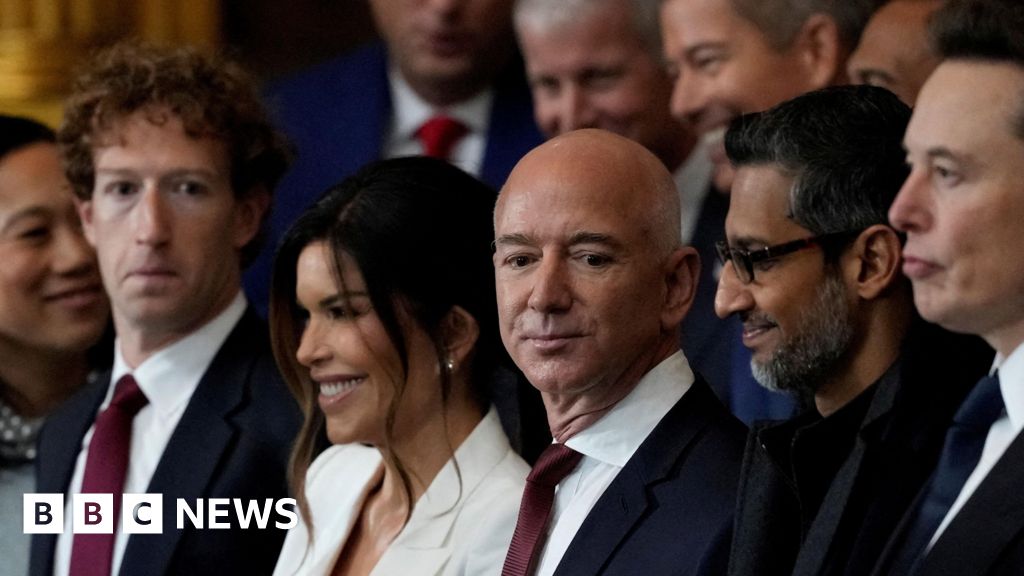
Lee Sustar, an analyst at Forrester, said there is still anxiety “about the sustainability of the AI boom” given the high cost and so far unrealised gains. Yet, tech companies are pushing forward with plans, for this year and next, to pour billions into its development.


US top commander to brief Trump on new military options against Iran, says report
Oil prices top $125 as US considers military options to break Iran deadlock

30% Off With Our Nike Promo Codes and Discounts for May 2026

-

 Politics1 week ago
UK’s Starmer seeks to deflect blame over Mandelson appointment
-
 Business1 week ago
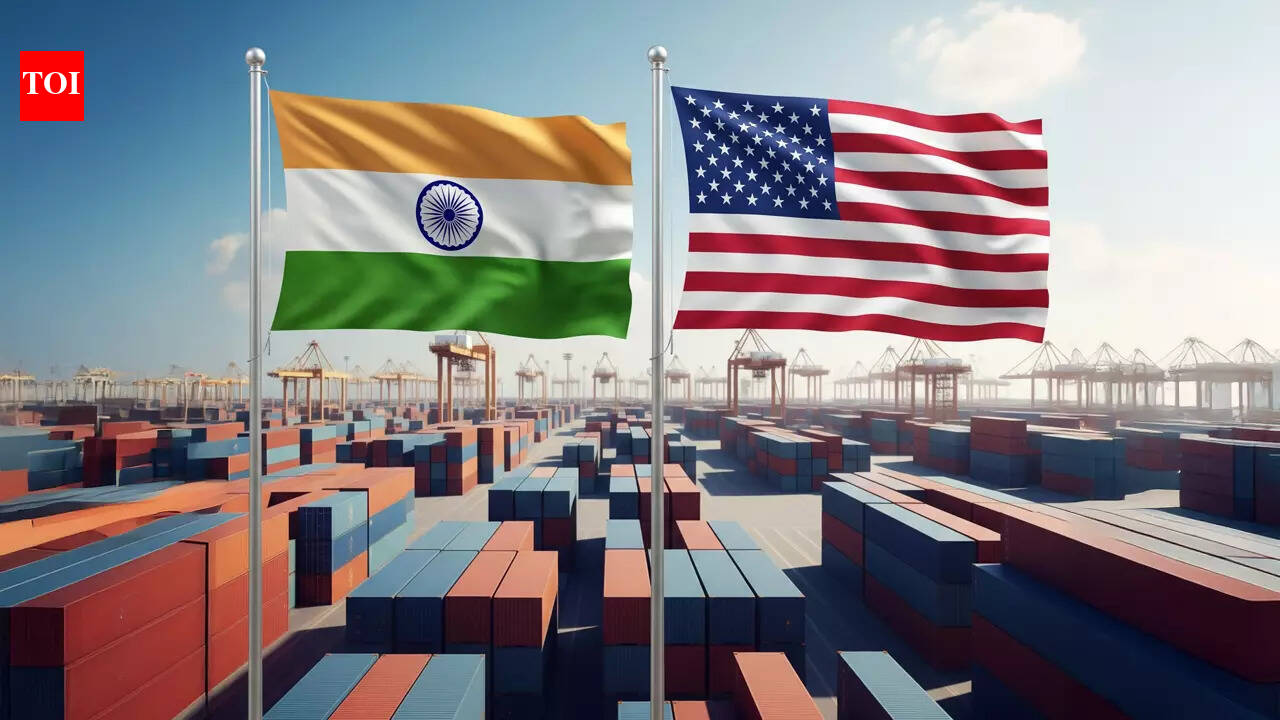
Us-India Trade Talks: US–India trade deal: Where do talks stand & what to expect – explained – The Times of India
-
 Fashion1 week ago
Global energy growth slows to 1.3% in 2025: Report
-
 Business1 week ago
UK inflation accelerates after Iran war drives sharp rise in fuel prices
-

 Tech1 week ago
Nation states responsible for ‘nationally significant’ cyber attacks against UK, says NCSC chief | Computer Weekly
-

 Tech1 week ago
How to Watch the Lyrids Meteor Shower at Its Peak
-
 Tech1 week ago
Microsoft faces court battle in £2bn Windows Server class action | Computer Weekly
-

 Sports1 week ago
PSL 11: Hyderabad Kingsmen opt to field after winning toss against Multan Sultans