

Fashion
Vietnam interbank rates seen easing as credit growth cools

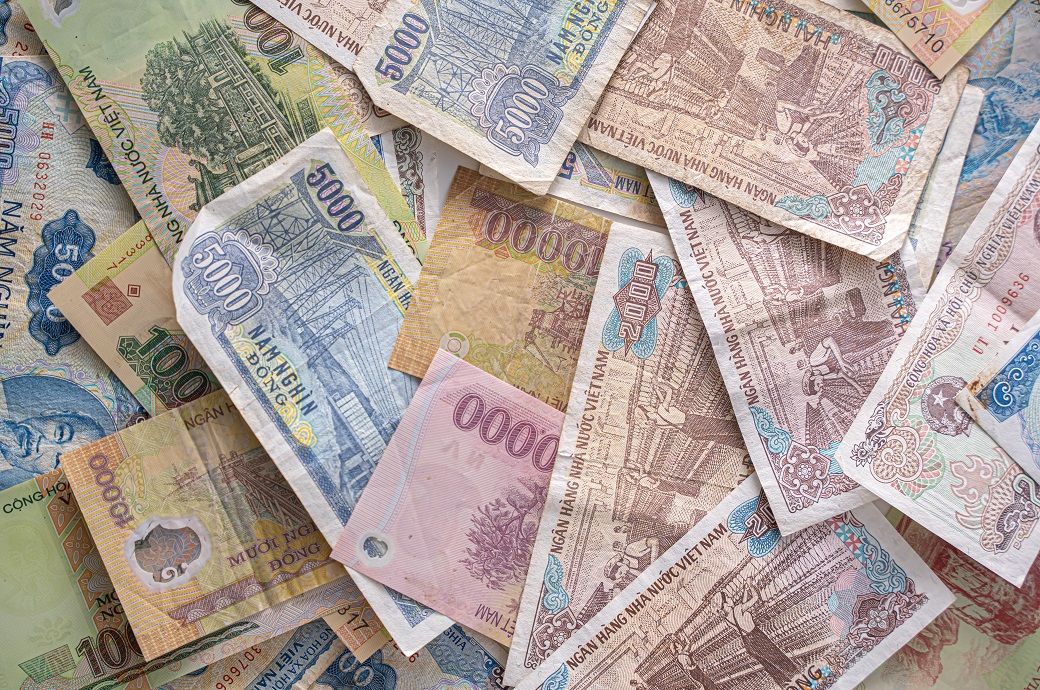
Economic momentum remained strong at the end of 2025, with real GDP expanding 8.4 per cent year on year (YoY) in the fourth quarter, the fastest pace in several years. Growth was driven by robust export-oriented industrial production. Credit growth surged to 19.4 per cent YoY by December, well above deposit growth of 14 per cent, SBV said in a release.
Vietnam’s interbank rates, which rose sharply in late 2025, are expected to ease in 2026 as credit growth and economic momentum cool.
GDP expanded 8.4 per cent year on year in Q4, while credit growth of 19.4 per cent outpaced deposits.
Despite a strong 2025, US tariff risks remain.
The SBV is likely to keep rates steady while targeting slower credit growth.
While Vietnam enters 2026 on a positive footing after achieving an estimated 8 per cent growth in 2025, external risks remain significant for the export-driven economy. Goods exports to the US, which account for around 30 per cent of the total, face the lagged impact of 20 per cent reciprocal tariffs, uncertainty over transshipment duties, and the risk of additional sectoral measures, including possible semiconductor levies.
Monetary authorities have signalled a cautious policy stance for 2026 despite an official GDP growth target of 10 per cent, which analysts view as difficult to achieve. Growth is expected to moderate to around 6.5 per cent, while the SBV has set a lower credit growth target of 15 per cent to limit overheating and resource misallocation risks.
The refinancing rate is expected to remain unchanged at 4.50 per cent, though the possibility of an unexpected rate hike cannot be ruled out if liquidity strains persist.
Fibre2Fashion News Desk (HU)








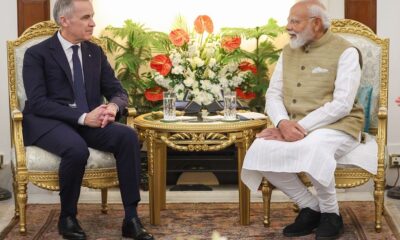




The package establishes a modern framework for both sides, enabling frictionless access to a market of 460 million consumers in key sectors, delivering economic benefits to both parties.
European Commission President Ursula von der Leyen and Swiss President Guy Parmelin yesterday signed a broad package of agreements aimed at deepening and expanding EU-Switzerland ties.
By aligning standards and rules in closely integrated areas, it will provide legal certainty, simplify trade in goods like medical devices and food products, and ease cross-border supply for businesses on both sides.
By aligning standards and rules in closely integrated areas, it will provide legal certainty, simplify trade in goods like medical devices and food products, and ease cross-border supply for businesses on both sides of the border.
Additionally, it will ensure more consistent rules for individuals who live, work or study across the EU-Swiss border. Switzerland will contribute to the development of legislation in the areas covered by the package and will have the opportunity to influence these rules as they are being designed.
“By modernising and deepening our ties across key sectors, from trade and transport to health and energy—we are strengthening legal certainty, fostering innovation and creating new opportunities for our citizens and businesses,” von der Leyen said in a release from the Commission.
The package includes updates to four already existing agreements, which already give Switzerland access to the EU internal market, regarding air transport, land transport, the free movement of persons and mutual recognition of conformity assessment.
New agreements on food safety, electricity, health and Switzerland’s participation in the EU Agency for the Space Programme were signed. A new agreement introduced a permanent and fair financial contribution by Switzerland to economic and social cohesion within the EU.
Apart from a protocol on parliamentary cooperation, the package includes also a joint declaration on the establishment of a high-level dialogue on the broad bilateral package.
Fibre2Fashion News Desk (DS)

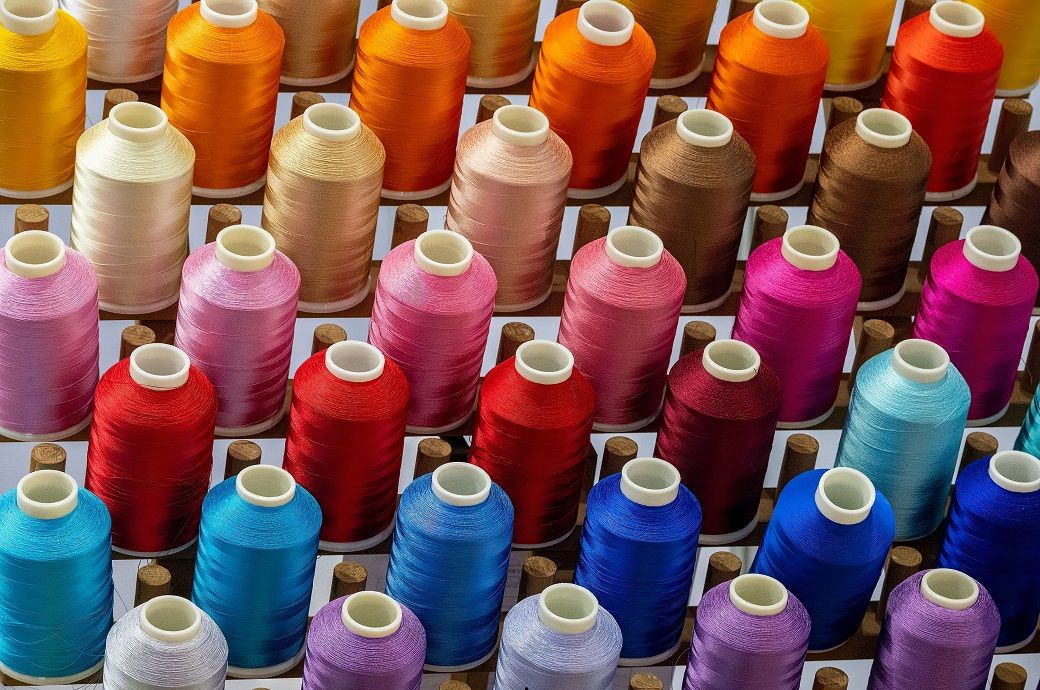
Following earlier increases in purified terephthalic acid (PTA), melt and PSF, Indian producers have now raised PFY prices. POY, FDY and PTY prices have been increased by ****;* per kg across all deniers and lustres with effect from March *, reflecting rapid cost pass-through amid heightened volatility in crude-linked value chains, according to the market sources.
In the previous weekly revision effective February **, ****, PTA was increased by ****;*.** per kg to ****;**.** per kg, while monoethylene glycol (MEG) was retained at ****;**.** per kg. Polyester melt prices were raised by ****;*.** per kg to ****;**.** per kg. Downstream PSF prices were also revised upward by ****;*.** per kg from March *.


From ‘Freaky Friday’ to ‘Cruella’: Andrew Gunn’s blockbuster legacy

Dubai warns of jail, hefty fine for spreading rumours

Babar, Saim dropped as 15-member squad for Bangladesh ODI series announced

India Us Trade Deal: Fresh look at India-US trade deal? May be ‘rebalanced’ if circumstances change, says Piyush Goyal – The Times of India

Households set for lower energy bills amid price cap shake-up

What are Iran’s ballistic missile capabilities?

-
Business5 days ago
India Us Trade Deal: Fresh look at India-US trade deal? May be ‘rebalanced’ if circumstances change, says Piyush Goyal – The Times of India
-
Business1 week ago
Households set for lower energy bills amid price cap shake-up
-

 Politics6 days ago
US arrests ex-Air Force pilot for ‘training’ Chinese military
-
 Politics6 days ago
What are Iran’s ballistic missile capabilities?
-
 Business6 days ago
Attock Cement’s acquisition approved | The Express Tribune
-

 Fashion6 days ago
Policy easing drives Argentina’s garment import surge in 2025
-

 Sports1 week ago
Top 50 USMNT players of 2026, ranked by club form: USMNT Player Performance Index returns
-

 Sports6 days ago
Sri Lanka’s Shanaka says constant criticism has affected players’ mental health