

Business
Viking Therapeutics shares fall 40% on disappointing obesity pill trial data


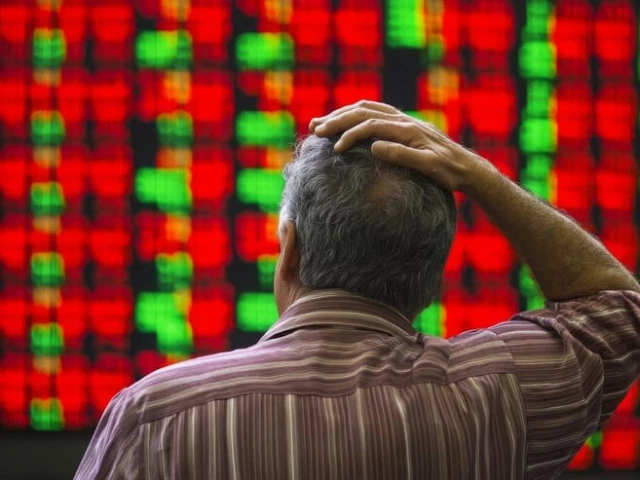
Shares of Viking Therapeutics plunged Tuesday after the company released midstage trial data on its obesity pill that disappointed investors.
The biotech company’s stock price dropped to about $23.80 as of Tuesday morning, from $42.09 at Monday’s close, a roughly 43% plunge. Viking’s market cap now sits at about $2.69 billion, down from more than $4 billion on Monday.
The results could be a blow to Viking, which was once seen as a hot M&A target as pharmaceutical companies scramble to join the booming market for obesity and diabetes drugs. It could reinforce the dominance of Eli Lilly and Novo Nordisk in the space, especially as they develop pills for weight loss that could enter the market years ahead of the tablet formulation of Viking’s drug, VK2735.
Jared Holz, Mizuho health care equity strategist, said in an email Tuesday that the data “probably shutters hope for [Viking] to be a bigtime player in the oral obesity market over the near to medium term.”
The race to develop a more convenient obesity pill has been fraught, as companies such as Pfizer have had to scrap previous contenders and bring forward new ones.
Viking’s once-daily pill helped patients lose up to 12.2% of their weight at around three months. The company also said that weight loss didn’t plateau, which means patients could lose even more in a longer-term study.
It’s difficult to directly compare the pill’s phase two trial data with the results of oral drugs further along in development, including treatments developed by Eli Lilly and Novo Nordisk.
Holz added that the results on Viking’s pill “look inferior” to those of Eli Lilly’s oral drug “on almost all metrics.” The highest dose of Eli Lilly’s daily pill helped patients lose 12.4% of their body weight, or 11.2% regardless of discontinuations, at 72 weeks in a phase three trial.
Holz pointed to the high rate of patients who discontinued Viking’s drug for any reason over 13 weeks, which was around 28%. Meanwhile, around a quarter of people discontinued Eli Lilly’s pill, orforglipron, for any reason over 72 weeks.
That’s “a much longer trial and therefore [Lilly] looks far better head-to-head,” Holz said.
Viking said the most common reasons for patients to discontinue treatment were gastrointestinal side effects, the majority of which were mild to moderate in severity and observed earlier in treatment. But around 58% of patients reported experiencing nausea and 26% experienced vomiting, compared with 48% and 10%, respectively, among those who took a placebo.
Those side effect rates over a shorter trial period appear to be worse than those seen in trials on Eli Lilly’s pill and the oral version of Novo Nordisk’s weight loss drug Wegovy.
Viking’s treatment works by imitating two naturally produced gut hormones called GLP-1 and GIP.
GLP-1 helps reduce food intake and appetite. GIP, which also suppresses appetite, may also improve how the body breaks down sugar and fat.
Eli Lilly’s pill and the oral version of Novo Nordisk’s Wegovy both target GLP-1, but the latter has dietary restrictions.


Business
Crude oil prices in focus: OPEC+ increases output by 206,000 bpd amid Middle East tensions – The Times of India
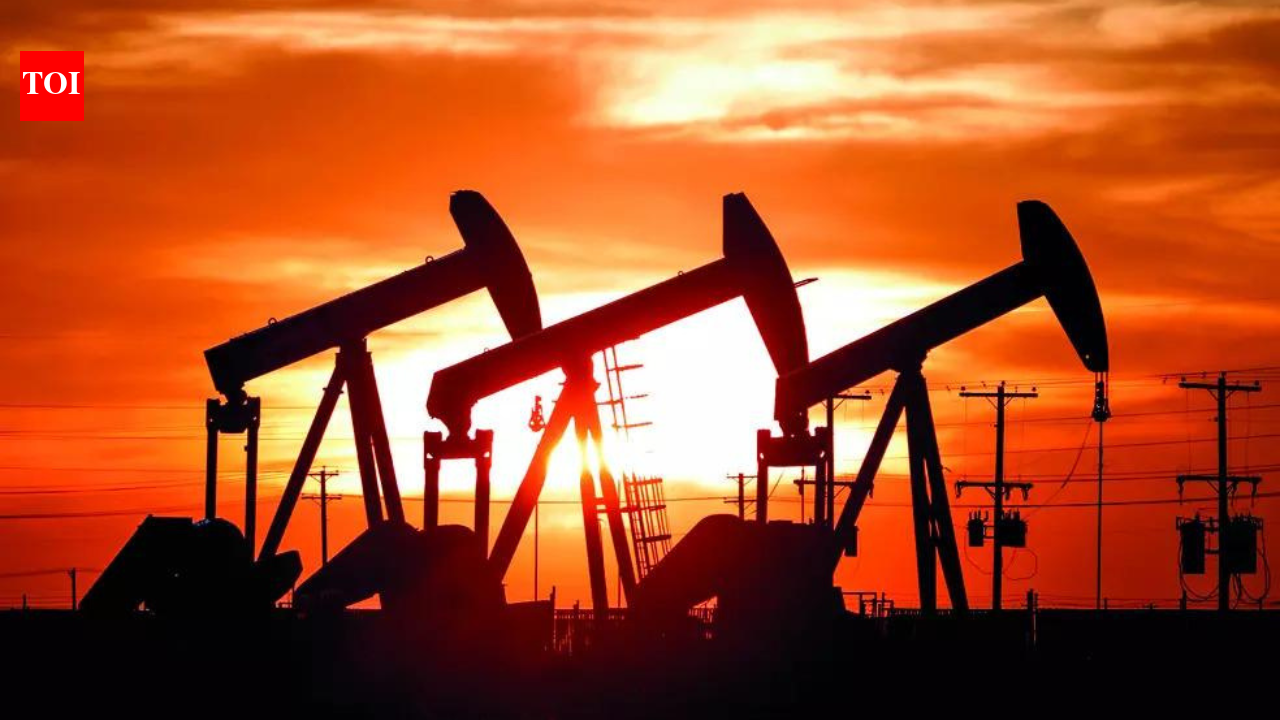
OPEC+ on Sunday announced a higher-than-expected increase in oil production quotas, days after US and Israeli strikes on Tehran triggered Iranian retaliation across the Middle East, according to AFP.The oil producers’ group, which includes Saudi Arabia, Russia and several Gulf states affected by the escalation, said it had “agreed on a production adjustment of 206 thousand barrels per day”.“This adjustment will be implemented in April,” OPEC+ said in a statement.While the cartel did not directly refer to the Iran conflict, it cited “a steady global economic outlook and current healthy market fundamentals” as the rationale behind the output increase.The move comes amid heightened geopolitical tensions in the Middle East, a region critical to global crude oil supply.
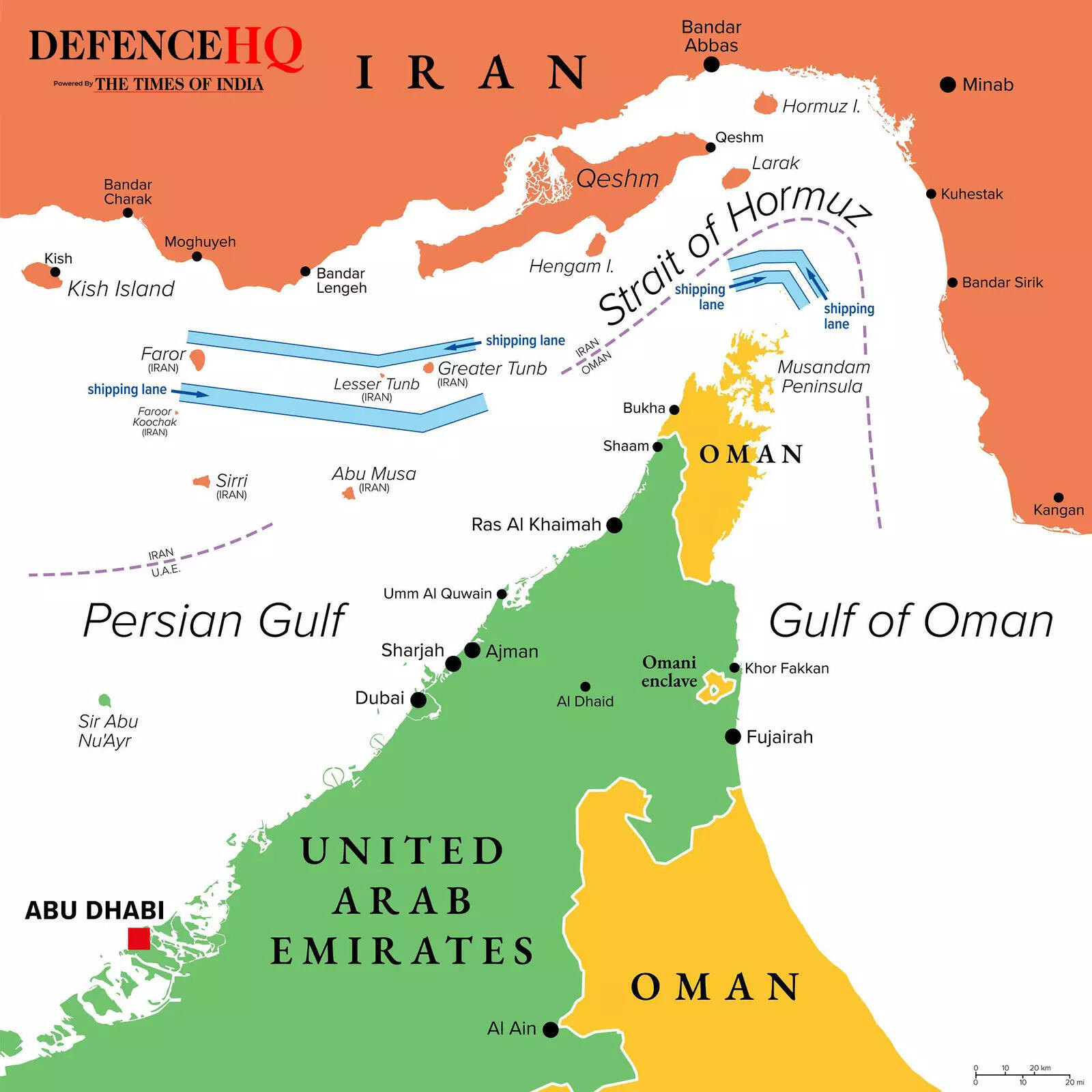
The announcement did not directly reference the outbreak of the Iran conflict, instead attributing the decision to “a steady global economic outlook and current healthy market fundamentals”.Before the meeting, analysts had projected a more modest increase of 137,000 barrels per day.However, Jorge Leon, an analyst at Rystad Energy, cautioned that the agreed hike may not be sufficient to offset the potential impact of escalating tensions on crude oil markets.Leon highlighted the risk of disruption in the Strait of Hormuz, a critical waterway through which nearly a quarter of the world’s seaborne oil supplies transit.Iran’s Revolutionary Guards have reportedly contacted vessels to declare the strait closed. Iranian state television on Sunday said an oil tanker attempting to “illegally” pass through the strait was struck and was sinking, broadcasting footage of a burning tanker at sea.“If oil cannot move through Hormuz, an extra 206,000 barrels per day does very little to ease the market,” Leon said, adding that “logistics and transit risk matter more than production targets right now”.He said the OPEC+ move “is unlikely to calm markets”, noting that “prices will respond to developments in the Gulf and the status of shipping flows, not to a relatively small increase in output.”Apart from Russia and Saudi Arabia, the V8 group includes Kuwait, Oman, Iraq and the United Arab Emirates — all of which were targeted by Iranian attacks for a second consecutive day on Sunday. Algeria and Kazakhstan are also part of the group.
Greggs is to shed light on demand from customers as the high street bakery chain contends with the rise of weight loss treatments and cost of living pressures on shoppers.
The high street chain is also wrestling with other factors including increases to labour costs and tax changes.
As a result, on Tuesday March 3, Greggs is expected to reveal pre-tax profits of around £173 million for the year to December 27, representing a 9% drop.
In its previous update shortly after Christmas, Greggs pointed to a strong finish to 2025 as sales growth accelerated in the final quarter of the year.
Like-for-like sales growth rose from 1.5% in the third quarter to 2.9% in the final months of 2025.
Totals sales were up 7.4% in the final quarter amid a boost from the group’s continued store opening programme.
The company opened 121 stores last year.
However, analysts at Deutsche Bank said expectations “have already been set low” for 2026 and are “unlikely to change”.
In January, Greggs said it was “cautious but hopeful” about its outlook for 2026, highlighting “subdued” consumer confidence.
Roisin Currie, chief executive of Greggs, also warned alongside its previous update that there was “no doubt” appetite-suppressing medication is having an impact on the bakery chain’s business.
It may provide more detail on how this continues to change customer eating habits.
Meanwhile, the group also announced that inflation was likely to be shallower than last year.
The group increased the price on a number of products and deals last year, so shareholders will also be keen to see how these changes have continued to impact trading.
Aarin Chiekrie, equity analyst at Hargreaves Lansdown, said: “Investors are keen to hear how 2026 is shaping up in the early months.
“While the picture on the cost front is beginning to look more favourable, Greggs has plenty of other challenges still to wrestle with.
“Unhelpful changes to tax rules and minimum wages, slowing UK economic growth, and cost-conscious consumers are all weighing on the outlook.”
Business
Chief of Staff of the Iranian Armed Forces Confirmed Martyred in US, Israeli Strikes – SUCH TV

Major General Seyed Abdolrahim Mousavi, the Chief of Staff of Iran’s Armed Forces, attained martyrdom in a cowardly Israeli-American aggression on Saturday.
Leader of the Islamic Revolution, Ayatollah Seyyed Ali Khamenei, was also martyred in the Saturday aggression, alongside many top-ranking military commanders and defense officials.
Major General Mousavi succeeded Major General Mohammad Bagheri following the 12-day war in June last year and carried forward the remarkable legacy of his predecessor.
He played a particularly vital role in the June 2025 war, leading the Iranian armed forces in their retaliatory operations that forced the Israeli regime to beg for surrender.
Mousavi previously served as the commander-in-chief of the Islamic Republic of Iran Army and played an instrumental role in bolstering the might of the army.
On August 21, 2017, he was promoted from Brigadier General to Major General and appointed Commander-in-Chief of the Islamic Republic of Iran Army by the Leader, replacing Seyed Ataollah Salehi.
Later, on May 28, 2019, Ayatollah Khamenei appointed him as the commander of the Khatam al-Anbia Air Defense Base, while he continued to serve as the army’s top commander.
Mousavi was born in 1960 in the holy city of Qom in central Iran. He was a graduate of the Army’s Ground Forces Officers’ University and held a doctorate in defense studies from the Supreme National Defense University. He joined the Iranian army in 1979.
During the years of the Imposed War in the 1980s, Major General Mousavi served in the Army’s artillery unit on various fronts, including the western battlefields in Kurdistan (28th Kurdistan Division) and the southwestern fronts (33rd Artillery Group of the Ground Forces) in Khuzestan province.
He participated in many operations such as Valfajr 4, Valfajr 9, Beit al-Moqaddas 5, Qader, Nasr, and several others. He is recognized as a veteran of the war.
After the Imposed War ended in 1997, he completed the Advanced Command and Staff Course (DAFOS) and later earned a doctoral degree in defense management at the Supreme National Defense University.
From 1999 to 2005, he served as the Chief of Joint Staff of the Army, and from 2008 to 2016, he was Deputy Commander-in-Chief of the Army. Following that, from 2016 to 2017, he held the position of Deputy Chief of Staff of the Armed Forces.
Mousavi held several significant leadership positions within Iran’s military. From 1999 to 2005, he served as the Chief of Joint Staff of the Army, later assuming the role of Deputy Commander-in-Chief from 2008 to 2016.
In 2016, he was appointed Deputy Chief of Staff of the Armed Forces, a position he held until 2017, when he was named Commander-in-Chief of the Islamic Republic of Iran Army, a role he held until today.
Additionally, since May 2019, served as the Commander of the Khatam al-Anbia Air Defense Base, further solidifying his central role in the country’s military strategy and operations.
Major General Mousavi also served as the Commander of Imam Ali (PBUH) Officers’ University, where he contributed to the training and development of military personnel.
He also led the Army’s Northeast Operational Base, overseeing strategic operations in the region.
In addition, he was the Deputy for Training and the Deputy for Planning and Programs within the Army Ground Forces, playing a key role in shaping military preparedness and strategy.
Mousavi’s expertise in operations led to his appointment as the Head of Operations for the Army, and later, he became the Director of the Army Strategic Studies Center, where he engaged in high-level research and policy development.


T20 World Cup 2026: India win toss, opt to bowl against West Indies

This Backyard Smoker Delivers Results Even a Pitmaster Would Approve Of
Crude oil prices in focus: OPEC+ increases output by 206,000 bpd amid Middle East tensions – The Times of India

-
 Business1 week ago
US Top Court Blocks Trump’s Tariff Orders: Does It Mean Zero Duties For Indian Goods?
-
 Fashion1 week ago
ICE cotton ticks higher on crude oil rally
-

 Entertainment1 week ago
The White Lotus” creator Mike White reflects on his time on “Survivor
-
 Business1 week ago
Eye-popping rise in one year: Betting on just gold and silver for long-term wealth creation? Think again! – The Times of India
-
 Politics1 week ago
Pakistan carries out precision strikes on seven militant hideouts in Afghanistan
-
 Sports1 week ago
Brett Favre blasts NFL for no longer appealing to ‘true’ fans: ‘There’s been a slight shift’
-
 Entertainment1 week ago
Viral monkey Punch makes IKEA toy global sensation: Here’s what it costs
-
 Sports1 week ago
Kansas’ Darryn Peterson misses most of 2nd half with cramping