

Business
Why the largest U.S. auto dealer isn’t interested in Chinese cars — for now


Nio cars are seen displayed at Nio House, at the Chinese electric vehicle (EV) maker’s manufacturing hub in Hefei, Anhui province, China April 2, 2025.
Florence Lo | Reuters
DETROIT — The largest U.S. auto dealer isn’t interested in selling vehicles from China-based brands domestically right now, its CEO said Wednesday.
But it’s not necessarily because of politics, logistics or potential consumer backlash, according to Lithia Motors CEO Bryan DeBoer. His company already has at least 10 stores selling vehicles from three Chinese companies in the United Kingdom.
DeBoer, who has grown Lithia exponentially in recent years, said the potential cost, return-on-investment and needed infrastructure, largely due to franchise rules in the U.S., are the biggest hindrances right now.
“We’re quite excited that we’ve got that opportunity in the United Kingdom, but there’s a big fundamental difference,” DeBoer told investors Wednesday, citing “dueling of franchises” practices in the U.K. that allow Lithia to offer brands from different companies in the same showroom if they’re deemed competitors.
DeBoer said the dealer can be allowed to put vehicles from a company such as China’s Chery Automobile, which is growing in Europe, into an existing showroom in the UK, and it would cost less than $100,000.
That’s not the case for the U.S., where franchised dealer laws are strict, vary by state and companies can have more influence in, if not rules against, such decisions.
His comments come as Chinese automotive brands are increasingly exporting and expanding outside of their home market.
Global market share for Chinese brands has jumped nearly 70% in five years, and many experts see a threat to U.S. automakers, including the anticipated entrance of Chinese brands into America. There have been China-produced vehicles on sale in the U.S. from brands such as Buick and Volvo, but none are from Chinese brands such as BYD, Nio or others.
In the U.S., Lithia would need to establish new retail locations and service operations to support sales of Chinese brands, which would mean having to make completely new investments. He noted that roughly 50% to 60% of the company’s profits come from service and parts.
“I think we would probably not be early adopters when it comes to the United States or possibly even Canada, primarily because we’re usually not in a dual franchise situation,” he said.
China’s most recent announced expansion is to Canada, a relatively small vehicle market that removed 100% tariffs on imported vehicles from China amid a trade dispute with the Trump administration.
But DeBoer said the Oregon-based company isn’t completely shutting the door, as Chinese brands continue to grow globally.
“We do have building relationships with a number of Chinese brands,” he said. “We’ll keep our minds open and look at what the opportunities that present us in the future.”
DeBoer comments occurred on the company’s call to discuss its fourth-quarter and year-end earnings, which included annual increases of 4% in revenue and 3.1% in gross profit.




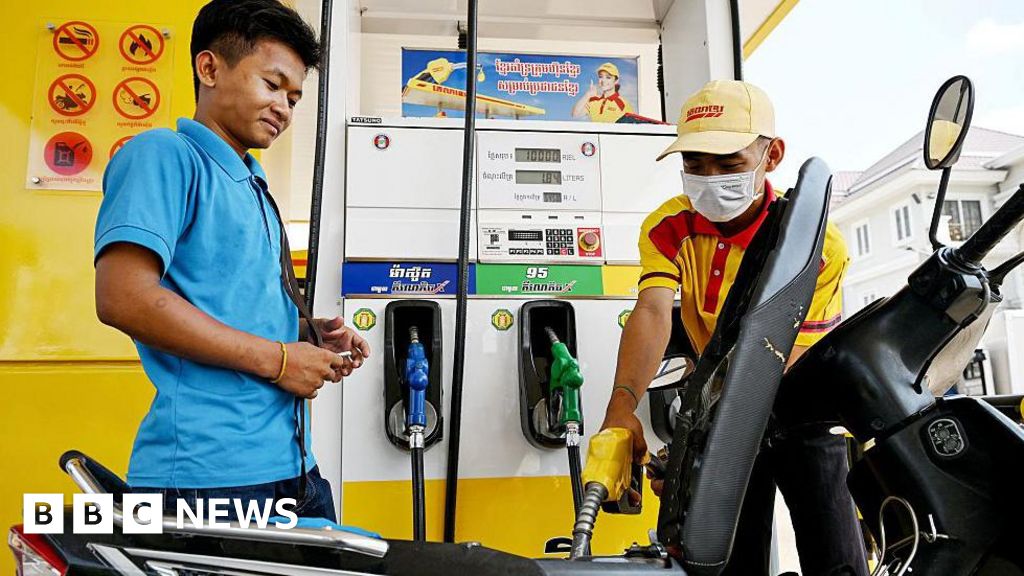
Trump wrote: “Tuesday will be Power Plant Day, and Bridge Day, all wrapped up in one, in Iran. There will be nothing like it!!! Open the Fuckin’ Strait, you crazy bastards, or you’ll be living in Hell – JUST WATCH! Praise be to Allah. President DONALD J. TRUMP”.

Families on some benefits with three or more children will get an average rise of £4,100 a year.
Source link
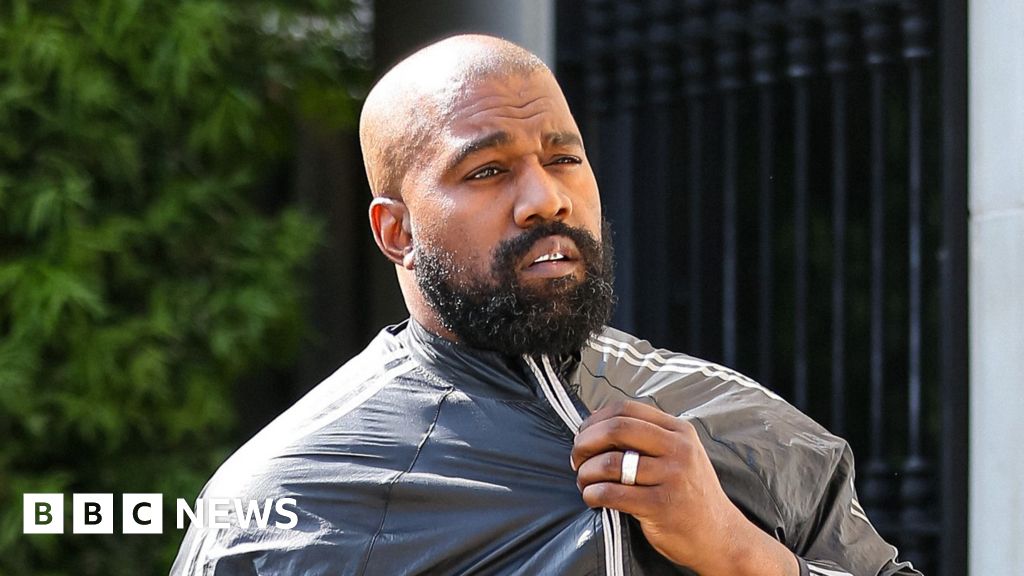
Sir Keir Starmer says it is “deeply concerning” the rapper is set to headline a festival after recent antisemitic comments.
Source link


Inside the origin story of ‘One Shining Moment’ — the highlight of March Madness
Oil back above $110 after expletive-laden Trump threat to Iran

Duke star Cam Boozer says he suffered fractures around eye

-

 Sports1 week ago
USMNT handed reality check by Doku, Belgium ahead of World Cup
-

 Sports1 week ago
2026 NCAA men’s hockey tournament: Schedule, results
-

 Fashion1 week ago
EU apparel imports slump 15.48% YoY in Jan; Bangladesh hardest hit
-
Uncategorized3 days ago
[CinePlex360] Please moderate: “Trump signals p
-
Uncategorized7 days ago
[CinePlex360] Please moderate: “Further tariff
-

 Tech2 days ago
Our Favorite iPad Is $50 Off
-
 Entertainment1 week ago
The Avett Brothers’ bassist explains why he wrote a book about John Quincy Adams
-
Uncategorized1 week ago
[CinePlex360] Please moderate: “Apple scrapping