

Fashion
World Cup effect and running shoes: the trends Intersport is backing for 2026

By
DPA
Published
December 29, 2025
The sluggish economic environment is dampening consumer sentiment: many people are holding on to their money rather than shopping extensively. Germany’s largest sports retail group, Intersport, is feeling the effects too and plans to focus on specific themes and trends in the coming year- from football and running to outdoor sports.
The men’s World Cup will take place from June 11 to July 19 in the US, Canada, and Mexico- a major event that Intersport is also counting on. “In 2025, what we lacked were major sporting events like the European Football Championship and the Olympics the year before,” said Alexander von Preen, chief executive of Intersport Germany. The DFB team’s matches are scheduled so that they can be watched in the evening in Germany. “These are really favourable conditions for the World Cup.”
All major sporting events are beneficial and encourage people to do more sport. “But football just does it; it stimulates society as a whole in a positive way,” said von Preen. He expects the World Cup to revive interest in team sports. Because “then we will see even more people, more young people in sports clubs.” This area’s share of sales at Intersport had recently dipped slightly.
There is also a strong focus on the sale of shirts: at the home European Championship in 2024, Intersport retailers sold half a million shirts. The DFB team’s pink away shirt in particular struck a chord with customers and was temporarily sold out.
Intersport is banking on this effect again next year. The national team’s home shirt is already available in stores. “The feedback from our retailers when it came to ordering was very, very positive, and the launch of the latest Adidas home shirt has already far exceeded our expectations,” said Intersport executive board member Henriette Tesch, who is responsible for purchasing, among other areas. The same is expected of the away shirt, which Adidas plans to unveil in March.
Intersport’s biggest sales driver is the outdoor category. This includes clothing, shoes, and equipment for activities such as hiking, trekking, and camping. “Outdoor is our most important category- and it’s growing again at a very high, post-pandemic level,” said Tesch. In addition to multifunctional clothing, products that offer protection against UV rays and insects represent a notable innovation in outdoor apparel.
“This is all about health. Many people are no longer interested in achieving the maximum tan, but in protecting their bodies,” said Tesch. Some brands have recognised this and launched corresponding collections. Another continuing trend is that multifunctional jackets, for example, are increasingly visible on the streets.
According to Intersport, running is currently experiencing a boom- driven above all by running communities. “People are going running together- and it’s not about high performance,” said Tesch. It’s more about organising runs as social events and exercising together in groups of like-minded people.
“We benefit from that.” Every year, there are more than 3,000 such running events across Germany. This is reflected in Intersport’s sales- not only through running shoes and clothing, but also through equipment such as hydration systems. “We are currently seeing double-digit growth.” Trends such as Hyrox- an indoor competition in which participants run 1,000 metres eight times and complete workout stations in between- are also positive.
What’s more, Intersport has long observed a convergence of sport and fashion. Sports-inspired clothing such as trainers and leggings has become an integral part of many people’s everyday lives. Now there is another trend: according to Intersport, the classic running shoe is gradually replacing the trainer on the streets. “Take a closer look at people’s feet. In business settings, the white trainer is still firmly established, but you increasingly see running shoes,” said von Preen. With their substantial cushioning and higher soles, they help even non-athletes get through the day comfortably.
“This will support us significantly, especially in the sports shoe business,” said the Intersport boss. “It’s a huge trend. I would say that, compared with the trainer boom, we will now experience this running shoe boom.”
By its own account, Intersport is Germany’s largest sports retail group. It recently had around 700 retailers with more than 1,400 stores nationwide. More than 400 of these also operate under the Intersport name. The group aims to increase its turnover to around six billion euros by 2030- delivering an expected market share of just over 30%.
In 2023/24, retailers’ turnover fell slightly to 3.46 billion euros, partly due to subdued consumer sentiment. However, it said it had gained market share. For the financial year ending in September, von Preen recently anticipated slightly better trading. The retail co-operative generally does not disclose profit figures.
This article is an automatic translation.
Click here to read the original article.







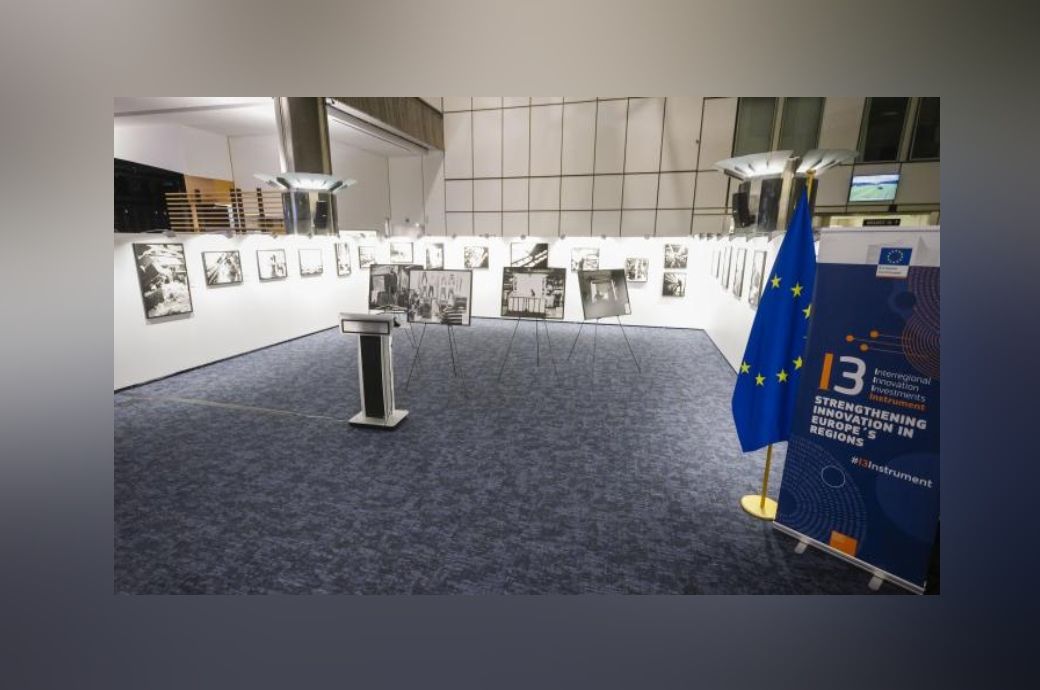
RegioGreenTex was one of the first projects funded under the Interregional Innovation Investments (I3) Instrument programme that focused on process, service and business model innovation, developing advanced textile recycling technologies, regional recycling hubs, and a digital ecosystem for matchmaking and capacity building.
Five regional hubs mapped SME needs and developed services and value chains as well as tools that keep helping SMEs, an official release said.
The RegioGreenTex Digital Tool keeps matchmaking, sharing trainings and hosting the participants’ knowledge base.
The Waste Wizard shows how artificial intelligence-enhanced matchmaking can link leftover textiles with the right reuse or recycling routes.
From recycled-content yarn processes (Tintex) to Recycrom low-impact dyeing (Officina39), ultrasonic quilting for full recyclability (Rovitex) and hybrid recycled-fibre yarns (Hilaturas Mar), the pilots showed concrete, repeatable ways to cut impact without losing performance.
The hubs are now open for collaboration, the digital tools are live and the pilot portfolio is primed for investors and adopters.
Fibre2Fashion News Desk (DS)
While trends in high frequency indicators for January-February 2026 appear favourable, the heightened uncertainty around the duration of the Middle East conflict casts a shadow on the near-term macroeconomic outlook for India amid high import dependency for items like crude oil, natural gas and fertilisers, it noted.
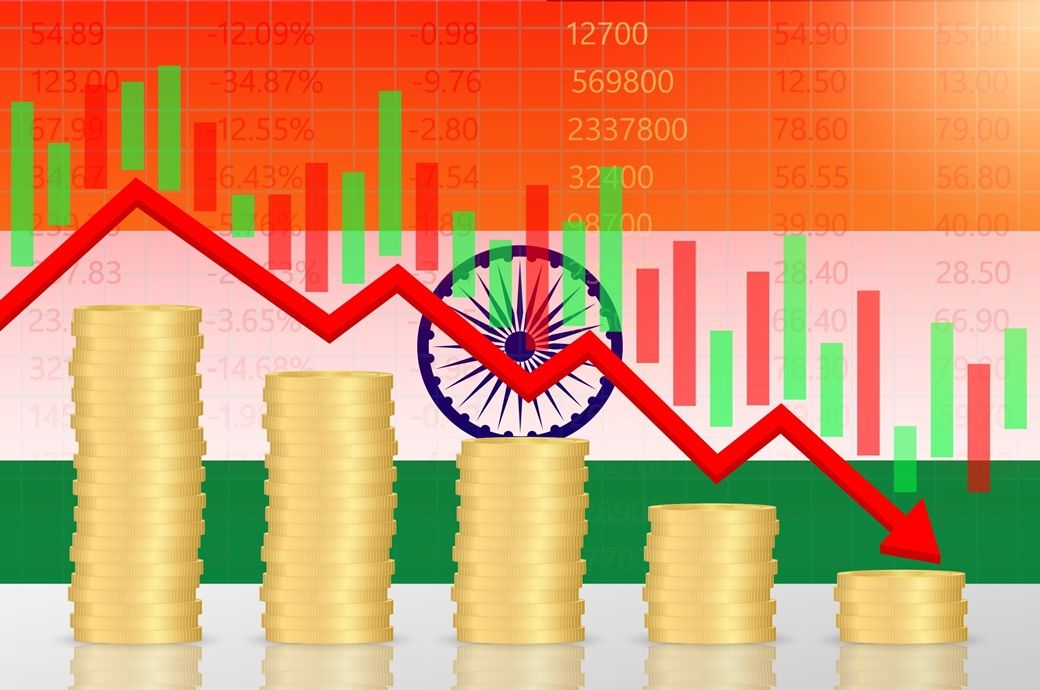
India’s FY27 GDP growth is likely to slow to 6.5 per cent from the projected 7.5 per cent in FY26 owing to the impact of higher energy prices and concerns around energy availability, ICRA Ratings said.
The heightened uncertainty around the duration of the Iran war casts a shadow on the near-term macroeconomic outlook for India.
If the conflict lasts longer, the adverse effects could widen across sectors.
If the conflict lasts for an extended period, the adverse implications of the same could widen across sectors, amid an uptick in input costs and the consequent impact on profitability of the India corporate sector.
Amid the projected uptrend in the consumer price index-based inflation in FY27 with risks tilted to the upside, ICRA Ratings expects an extended pause on the policy rates by the central bank’s monetary policy committee in the fiscal despite the anticipated softening in the GDP growth. However, it expects the Reserve Bank of India to continue to intervene on the liquidity front during FY27.
The available data for January–February FY2026 indicate a positive trend across most non-agricultural indicators, with the year-on-year performance of 12 out of 18 indicators improving compared to the third quarter of FY26, while the remaining six deteriorated.
Fibre2Fashion News Desk (DS)
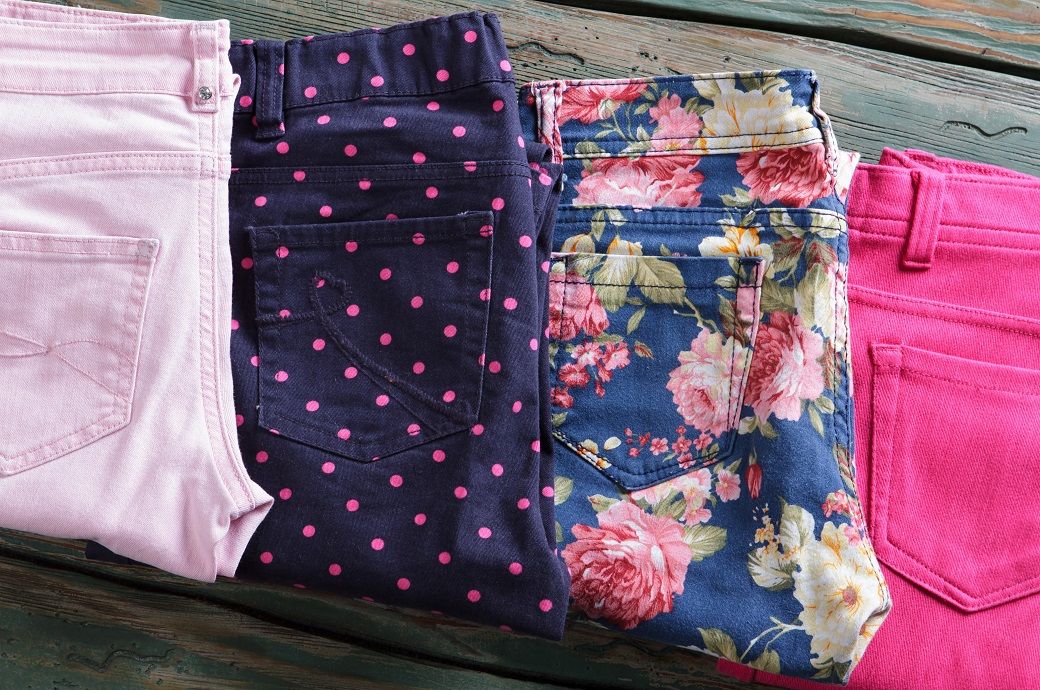
Indonesia’s apparel exports rose modestly to $8.705 billion in 2025 from $8.316 billion in 2024, reflecting gradual recovery.
The US remained dominant, accounting for over 56 per cent of shipments, highlighting growing market dependence.
While Japan, South Korea and Europe offered stability, exports stayed concentrated in key products and segments.
Source link

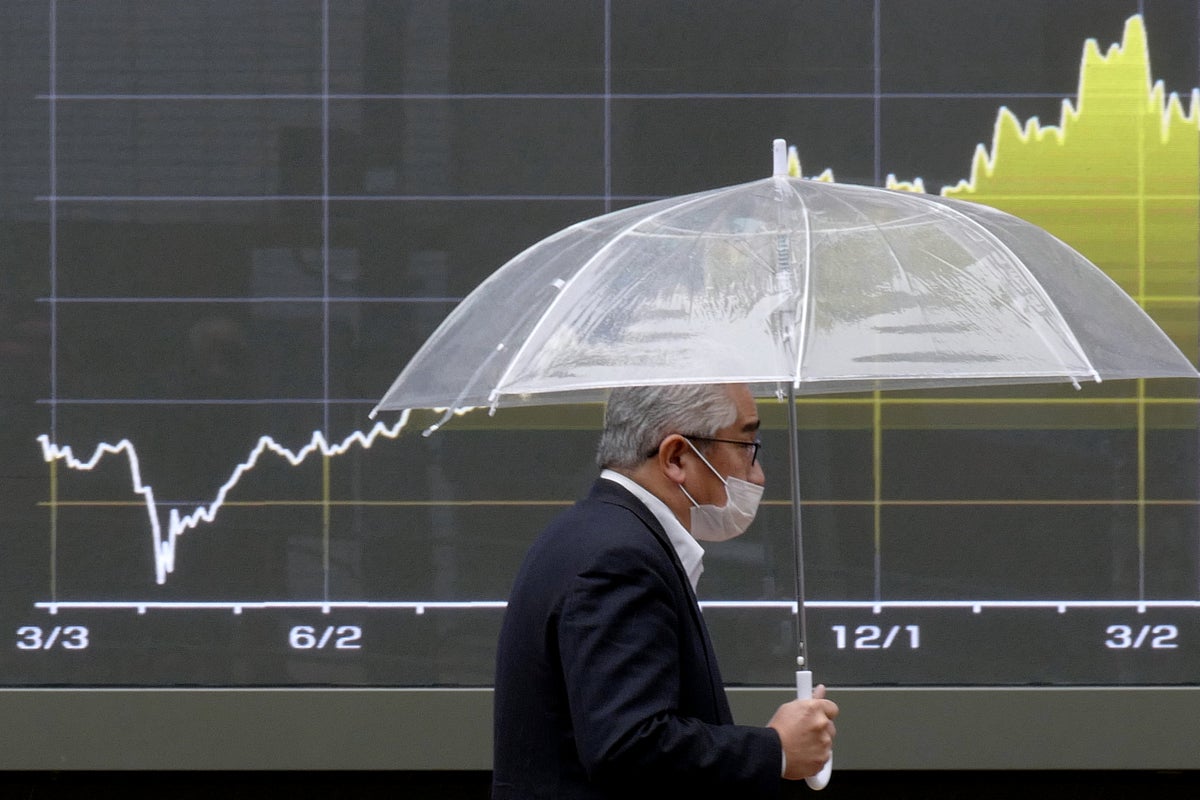
Iran war worries fail to dampen business sentiment in Japan

EU-funded RegioGreenTex pushes 25 SME pilots to commercialisation

Sean ‘Diddy’ Combs’ prison time gets cut down again

-

 Politics1 week ago
Afghanistan announces release of detained US citizen
-

 Sports1 week ago
Broadcast industry CEO says consolidation is ‘essential’ to compete for NFL soaring media rights prices
-
 Business1 week ago
Property Play: Home flippers see smallest profits since the Great Recession, real estate data firm says
-

 Entertainment1 week ago
UN warns migratory freshwater fish numbers are spiralling
-

 Tech1 week ago
Can a Home Appliance Fix the Problem of Soft-Plastic Waste?
-
 Business1 week ago
Gold prices soar in Pakistan – SUCH TV
-

 Fashion1 week ago
ICE cotton slips on weaker crude, profit booking
-
 Business1 week ago
More women are entering wealth management, but few are in advisory roles, study finds