

Business
Your FDs, RDs, SIPs Are Growing, But Are They Useless? The Biggest Mistake 90% Don’t Even Notice


Personal Finance Tips: Most of us keep saving money through fixed deposits (FDs), recurring deposits (RDs), provident fund (PF) accounts or systematic investment plans (SIPs) without giving it the thought it actually deserves. The bank deduction goes through, the balance inches up, the graph rises and everything looks fine on the surface.
But underneath this rhythm sits a truth that people are saving diligently without knowing what that money is supposed to do for them. This is a money trap that almost everyone walks into.
Investments keep running, but the purpose disappears. The amounts grow, but the “why” behind them turns vague. Once that emotional connection breaks, the whole act becomes routine and lifeless.
Why Does This Happen?
Most people say they are saving for retirement or putting money aside for the future. These answers sound responsible but reveal very little. What does retirement look like? What kind of future are we imagining? When the mind cannot see a clear picture, it refuses to bond with the goal. That is when investing becomes a cold task.
FDs continue because they have always existed. SIPs continue because the automatic deduction is fixed. After a point, this cycle becomes tiring. Savings continue, but the inner reason for saving slips out of sight.
Purpose Mapping
Purpose Mapping reminds you that money is not meant to lie dormant but to support the kind of life you want. It brings your financial decisions back into your emotional world.
Instead of thinking in numbers, you begin by imagining how you actually want your daily life to look. A person may say, “I want the freedom to shift to a smaller town by the age of 45,” or “I want to be able to take a six-month career break without fear or stress,” or even, “If something serious happens at home, I should not feel helpless.”
These statements breathe. They feel real because you can see them unfolding.
Once these lived goals come into focus, the structure of your investments naturally aligns with them. The SIP you invest in each month becomes the cushion for a future career pause. The FD becomes a tool for near-term needs. The emergency fund becomes a source of mental peace rather than an afterthought. At this stage, you are no longer saving out of habit; you are investing with intention.
The emotional link becomes even stronger when each part of your financial plan is tied to a feeling (freedom, safety, peace or control). When money stands for something human, the motivation behind saving never dries up. And when you keep your goals visible, sometimes literally, sometimes in the back of your mind, the process becomes far easier. You no longer feel that you are losing money to deductions; you feel that every deduction is building a specific life.
Life keeps changing, and so should your goals. A review every year helps your investments change in step with you. When your plans move with your life, saving no longer feels like a burden. It becomes a way of staying ready for the life you want to live.

Business
As West Asia conflict rages on, India’s pharma exports stare at Rs 5K crore potential losses – The Times of India

Hyderabad: India’s pharmaceutical sector is staring at potential losses of Rs 2,500– Rs 5,000 crore if March exports to the Gulf Cooperation Council (GCC) and the wider West Asia and North Africa (WANA) are completely disrupted by the ongoing West Asia conflict, which is intensifying pressure on freight, shipping routes, and delivery schedules, according to the Pharmaceuticals Export Promotion Council of India (Pharmexcil). GCC countries currently account for 5.58% of India’s total exports, with pharma a growing component of that trade. As per recent industry data, Indian pharmaceutical exports to the WANA region rose from $1,320.44 million in FY 2020-21 to $1,749.68 million in FY 2024-25. Countries such as the UAE, Saudi Arabia, Oman, Kuwait, and Yemen rely heavily on India for cost-effective medicines, even as momentum grew in emerging markets such as Jordan, Kuwait, and Libya, with increasing demand for vaccines, surgical products, and AYUSH formulations. However, this growth is now at risk due to ongoing challenges in the global freight market. Pharmexcil Chairman Namit Joshi said tensions in West Asia affected critical maritime and air cargo corridors. Key routes such as the Red Sea, Strait of Hormuz, and Gulf shipping corridors are facing heightened risks of rerouting or delays, threatening delivery schedules. This is a concern, especially for temperature-sensitive products that can be damaged by prolonged transit or cold-chain disruptions. According to Pharmexcil, the conflict already put considerable strain on the global freight market, with freight charges for both imports and exports doubling in some cases. “The doubling of freight charges for both imports and exports, accompanied by surcharges of $4,000–$8,000 per shipment, put substantial pressure on Indian pharmaceutical companies,” Joshi said. Another concern is escalating costs across the pharmaceutical supply chain, with major cost drivers including crude oil price fluctuations, rising logistics costs for APIs and finished formulations, and shipping delays that will affect inventory cycles, he said. Pharmexcil said it is monitoring developments and engaging logistics and trade stakeholders for damage control. It recommended closer coordination with govt authorities for possible freight relief measures, diversification of shipping routes and alternative logistics options, and continued dialogue with international regulators to maintain timely availability of medicines in key markets.

German media firm Axel Springer has agreed to buy the Telegraph Media Group (TMG) for £575 million, scuppering efforts by the owner of the Daily Mail to snap up its UK newspaper rival.
It is the latest major twist in a roughly three-year ownership tussle for the politically influential newspaper group.
Daily Mail and General Trust (DMGT) had previously agreed a £500 million deal to buy The Telegraph last year.
However, Abu Dhabi-backed consortium RedBird IMI said it now plans to sell the business to the Berlin-based Politico owner.
Axel Springer and TMG said the deal will “preserve the integrity” of the brand and help provide a platform for growth.
The companies stressed their commitment to independent journalism in the UK and said they look forward to further discussions with the Department for Culture, Media and Sport (DCMS) and other stakeholders in the coming weeks.
Culture Secretary Lisa Nandy had launched an intervention and competition probe into the previous deal agreed with DMGT, amid concerns of the size of the newspaper market taken up through a merger deal.
Bosses at Axel Springer, which also owns the German newspaper Bild, said they will back an investment programme in TMG to expand the business to help it “become the leading centre-right media outlet in the English-speaking world”.
They also plan to expand the company’s footprint in the US market, potentially leveraging expertise from its Politico and Business Insider titles.
Axel Springer chief executive Mathias Dopfner said: “More than 20 years ago, we tried to acquire The Telegraph and did not succeed.
“Now our dream comes true.
“To be the owner of this institution of quality British journalism is a privilege and a duty.”
In a statement, RedBird IMI said the German business is partly well placed to buy the Telegraph due to the “straightforward regulatory path to ownership” involved in the deal.
“Our team is now working closely with the UK Government to obtain the necessary approvals to finalise this transaction,” the company added.
RedBird IMI is having to sell the Telegraph business after its own takeover move was blocked by the then-Tory government over foreign ownership concerns.
RedBird IMI, which was partly backed by US firm RedBird Capital but majority-owned by Sheikh Mansour bin Zayed Al Nahyan, vice president of the United Arab Emirates, originally agreed to buy the media firm and fellow title The Spectator in 2023.
The Spectator has since been sold to hedge fund tycoon Sir Paul Marshall’s OQS Ventures business for £100 million.
Lengthy talks were then held to find a new suitor after RedBird IMI was forced to sell, with New York Sun publisher Dovid Efune in exclusive discussions to take control.
These collapsed before DMGT struck an agreement with RedBird IMI.
Reports last month indicated that Axel Springer was considering backing a deal with Mr Efune.
On Friday, Axel Springer said it would “like to acknowledge” Mr Efune for “his essential support and assistance on this transaction”.
It is understood that Axel Springer will gain full ownership of TMG as part of the deal.
Last Updated:
The Maharashtra government presented a budget that seeks to balance economic expansion with social welfare, while laying the groundwork for the state’s long-term economic goals




According to Fadnavis, the state’s revenue deficit has consistently remained below 1% of the GSDP.
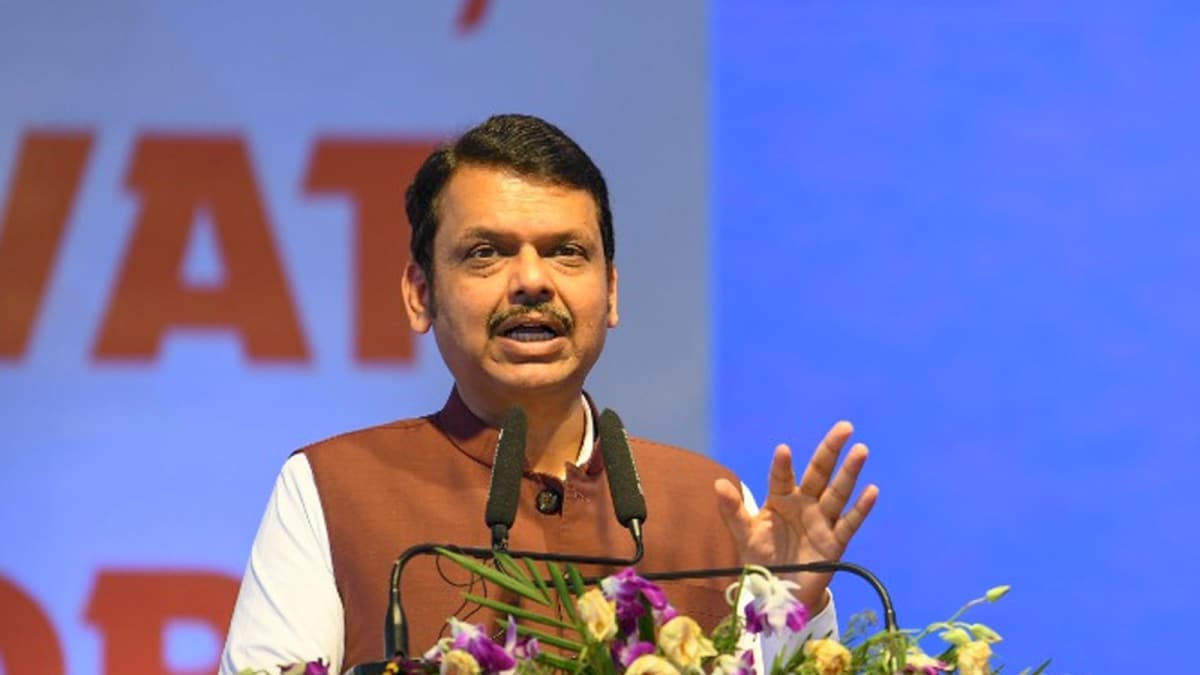
Maharashtra CM and Finance Minister Devendra Fadnavis on Friday, March 6, presented the state budget for 2026-27 in the Assembly, announcing a series of measures spanning agriculture, infrastructure, industry, urban development, health, and social welfare. The Maharashtra Budget 2026, with a total outlay of Rs 7.69 lakh crore, lays out an ambitious roadmap to accelerate the state’s economic growth while expanding welfare schemes for farmers and women.
From farm loan waivers and incentives for timely repayments to large-scale infrastructure projects and plans to reshape urban development across the state, the budget outlines the government’s vision of building a progressive, sustainable and inclusive Maharashtra.
The Maharashtra government has also set a long-term goal of helping the state economy move toward becoming a one trillion-dollar economy in the coming years and a $5 trillion economy by 2047.
There were also emotional moments in the Maharashtra Assembly as Fadnavis began presenting the budget. Members raised slogans of “Ajit Dada Amar Rahe”, paying tribute to former state finance minister Ajit Pawar, who died in an air crash in January. Fadnavis announced that a memorial will be built for the late NCP leader.
Relief for farmers: Loan waiver and incentives
One of the most significant announcements in the Maharashtra budget was a farm loan waiver scheme aimed at easing financial pressure on farmers. Under the Punyashlok Ahilyadevi Holkar Shetkari Karjmafi Yojana, crop loans of up to Rs 2 lakh taken until September 30, 2025 will be waived for eligible farmers. The government also announced a Rs 50,000 incentive for farmers who regularly repay their crop loans on time.
Alongside financial relief, the government also unveiled plans to strengthen the agricultural sector through technology and sustainability. Natural farming will be promoted across 5 lakh hectares, while value chains for 10-15 crops will be strengthened to help farmers access global markets.
Artificial intelligence (AI) and digital platforms will be introduced in farming practices, and AI innovation centres will be set up at four agricultural universities to support research and technological advancement in agriculture.
Women’s welfare schemes to continue
The government confirmed that the Mukhyamantri Majhi Ladki Bahin Yojana, launched in 2024, will continue with adequate funding. Under the scheme, eligible women from economically weaker sections receive Rs 1,500 per month as financial assistance. The government also plans to expand initiatives aimed at creating more “Lakhpati Didis”, with a target of developing 25 lakh new women entrepreneurs in 2026-27.
Major push for education, startups and health
In the education sector, the state government proposed the development of a large EduCity in Navi Mumbai, which will house six international universities. In addition, eight to ten educational cities will be developed across Maharashtra.
To boost entrepreneurship, the government plans to nurture 1.25 lakh entrepreneurs and strengthen 50,000 startups over the next five years, strengthening the state’s innovation ecosystem.
In healthcare, a Maharashtra Institute of Public Health will be established in Nagpur. The Mahatma Phule Jan Arogya Yojana will also be expanded to cover more treatments and hospitals. The government also announced a Rs 4,500 crore rural disease detection programme, supported by the Asian Development Bank, which will focus on early screening for cancer, diabetes, and heart disease in rural areas.
Water, irrigation and rural development
The government announced plans for river-linking projects and measures to improve water availability across the state. By 2047, the aim is to ensure 55 litres of water per person per day in rural areas and 135 litres per person per day in urban areas.
In rural infrastructure, villages with populations of more than 1,000 people will be connected by concrete roads, improving connectivity and accessibility.
Mumbai and urban development roadmap
A significant part of the budget focused on the development of the Mumbai Metropolitan Region (MMR) and the broader urbanisation strategy for Maharashtra. With projections suggesting that 70% of the state’s population may live in urban areas in the coming decades, the government has proposed large-scale expansion and digitisation of civic services.
One of the most ambitious plans is the development of “Fourth Mumbai” or Mumbai 4.0 at Vadhavan in Palghar, which will function as a major logistics and warehousing hub. The government is also planning “Third Mumbai” (Mumbai 3.0) in the Atal Setu area, which is expected to become another major urban centre.
To prevent the formation of new slums in Mumbai, the government will introduce a “No New Slum Framework” using GIS technology, and this model may later be extended to other cities across Maharashtra. The Slum Rehabilitation Authority will prepare a plan to redevelop about 20 lakh slum houses and construct 10 lakh affordable homes under various housing schemes.
Transport and infrastructure expansion
Metro rail projects in Mumbai and Pune will continue, and the government plans to expand the metro network to 1,200 kilometres in the coming years. Progress on the Mumbai-Ahmedabad bullet train project was also highlighted. The government aims to complete work on three stations up to Thane and Talasari by 2027, with separate development plans for areas around Dadar, Thane, and Virar bullet train stations.
Additional expressways and transport corridors are also planned to strengthen connectivity across the state.
New growth hubs and industrial expansion
To boost industrial growth and employment, the government plans to establish 18 mega industrial hubs across the state. In addition, MSME centres will be set up in every district, which the government estimates could help generate up to 50 lakh jobs.
A major steel hub is proposed in Gadchiroli, expected to attract significant investment and strengthen the state’s industrial base. With support from NITI Aayog, the government also plans to develop separate growth hubs in Pune, Nashik, Nagpur, and Chhatrapati Sambhajinagar, following the development model being implemented in the Mumbai Metropolitan Region.
Another project under consideration is the creation of a world-class stadium and innovation hub on 130 acres in Taloja.
Green energy and sustainability push
The government aims to achieve 50% green energy by 2029 and 65% by 2035. The plan includes large-scale tree plantation drives and rooftop solar initiatives to promote sustainability.
Budget figures and fiscal targets
For the financial year 2026-27, the state budget estimates:
- Revenue receipts: Rs 6,16,099 crore
- Revenue expenditure: Rs 6,56,651 crore
- Revenue deficit: Rs 40,552 crore
The fiscal deficit is estimated at Rs 1,50,491 crore, and the government said it has kept the fiscal deficit below 3% of the Gross State Domestic Product (GSDP). According to Fadnavis, the state’s revenue deficit has consistently remained below 1% of the GSDP.
The government also aims to expand the Mumbai Metropolitan Region’s economy from the current $140 billion to $300 billion, positioning it as a major global economic hub.
Through a combination of welfare schemes, large-scale infrastructure investments, and ambitious urban development plans, the Fadnavis government has presented a budget that seeks to balance economic expansion with social welfare, while laying the groundwork for Maharashtra’s long-term economic ambitions.
Maharashtra, India, India
March 06, 2026, 18:29 IST
Read More

As West Asia conflict rages on, India’s pharma exports stare at Rs 5K crore potential losses – The Times of India

Pastors pray for Trump in Oval Office amid US-Israel war with Iran

Book excerpt: “Judge Stone” by Viola Davis & James Patterson

Attock Cement’s acquisition approved | The Express Tribune

Policy easing drives Argentina’s garment import surge in 2025

India Us Trade Deal: Fresh look at India-US trade deal? May be ‘rebalanced’ if circumstances change, says Piyush Goyal – The Times of India

-
Business1 week ago
Attock Cement’s acquisition approved | The Express Tribune
-
 Fashion1 week ago
Policy easing drives Argentina’s garment import surge in 2025
-
Business1 week ago
India Us Trade Deal: Fresh look at India-US trade deal? May be ‘rebalanced’ if circumstances change, says Piyush Goyal – The Times of India
-

 Politics1 week ago
What are Iran’s ballistic missile capabilities?
-

 Politics1 week ago
US arrests ex-Air Force pilot for ‘training’ Chinese military
-

 Sports1 week ago
LPGA legend shares her feelings about US women’s Olympic wins: ‘Gets me really emotional’
-
 Business1 week ago
Greggs to reveal trading amid pressure from cost of living and weight loss drugs
-

 Sports1 week ago
Sri Lanka’s Shanaka says constant criticism has affected players’ mental health