

Business
Here’s how much weight loss drugs could cost you under Trump’s deals with Eli Lilly, Novo Nordisk


Wegovy injection pens arranged in Waterbury, Vermont, US, on Monday, April 28, 2025.
Shelby Knowles | Bloomberg | Getty Images
President Donald Trump on Thursday struck landmark deals with Eli Lilly and Novo Nordisk to slash the prices of their blockbuster weight loss drugs.
Under the agreements, the monthly out-of-pocket cost of popular injections and upcoming pills could range from $50 to $350 starting next year, depending on the dosage and insurance coverage a patient has, Trump administration officials said.
Existing GLP-1s, including Eli Lilly’s obesity injection Zepbound and Novo Nordisk’s competitor Wegovy, carry list prices above $1,000 a month, which has prevented many patients from taking them. Both companies have introduced lower cost options for people paying in cash and purchasing the drugs directly through their websites.
But the deals with Trump, as part of his “most favored nation” policy, take those efforts to expand access even further. Here’s how much weight loss drugs could cost for patients under the new agreements, based on the details shared so far.
Medicare
Medicare has covered GLP-1 drugs for diabetes and some other medical conditions: for example, Wegovy for slashing cardiovascular risks. But under the new deals, Medicare will start covering the drugs for obesity for the first time starting in mid-2026, which could allow more seniors to qualify for them and spur more private insurers to cover them.
Certain Medicare patients will pay a copay of $50 per month for all approved uses of GLP-1 drugs, including diabetes and obesity treatment.
But the Trump administration is putting some constraints on which Medicare beneficiaries will be eligible to receive GLP-1s for obesity and cardiovascular and metabolic benefits.
Patients are eligible if they fall into these three cohorts:
- The first includes those who are overweight — with a body mass index greater than 27 — or with prediabetes or established cardiovascular disease.
- The second group is people with obesity – with a BMI greater than 30 – and uncontrolled hypertension, kidney disease or heart failure.
- The third group is patients with severe obesity, or anyone with a BMI greater than 35.
Eli Lilly and Novo Nordisk voluntarily agreed to reduce the prices the government pays for existing GLP-1 drugs already approved for diabetes and other uses to $245 a month, across all non-starting doses. Savings generated by those price reductions will allow Medicare to start paying that same price point for GLP-1s for patients with obesity and a high metabolic or cardiovascular risk.
Direct-to-consumer
The agreement will also allow patients to get GLP-1s on direct-to-consumer platforms at steeper discounts than they already receive through drugmakers’ existing sites.
On TrumpRx – the government’s direct-to-consumer platform for buying prescription drugs with cash expected to launch next year – the average monthly cost for Wegovy, Zepbound and other injectable GLP-1s will start at $350 and drop to $250 within the next two years, according to senior administration officials.
Starting doses of upcoming obesity pills from Eli Lilly and Novo Nordisk, pending approvals, will be $149 per month on TrumpRx, Medicare and Medicaid. Under the deals announced Thursday, Eli Lilly will get fast-track reviews of its forthcoming pill.
Eli Lilly on Thursday said it would lower prices by $50 on its own direct-to-consumer platform, LillyDirect, which already offers Zepbound and other drugs at a discount to cash-paying patients. The multidose pen of Zepbound will be available for $299 per month at the lowest dose, with additional doses being priced up to $449 per month.
Eli Lilly’s pill, once approved, will be available at the lowest dose starting at $149 per month
Medicaid
State Medicaid coverage of GLP-1 drugs for obesity is spotty.
But Novo Nordisk and Eli Lilly agreed to extend lower government pricing for their GLP-1 drugs – $245 per month across all other non-starting doses – to all 50 Medicaid programs for all covered uses.
States will have to opt into those prices, meaning some may not. Check with your state government about coverage.





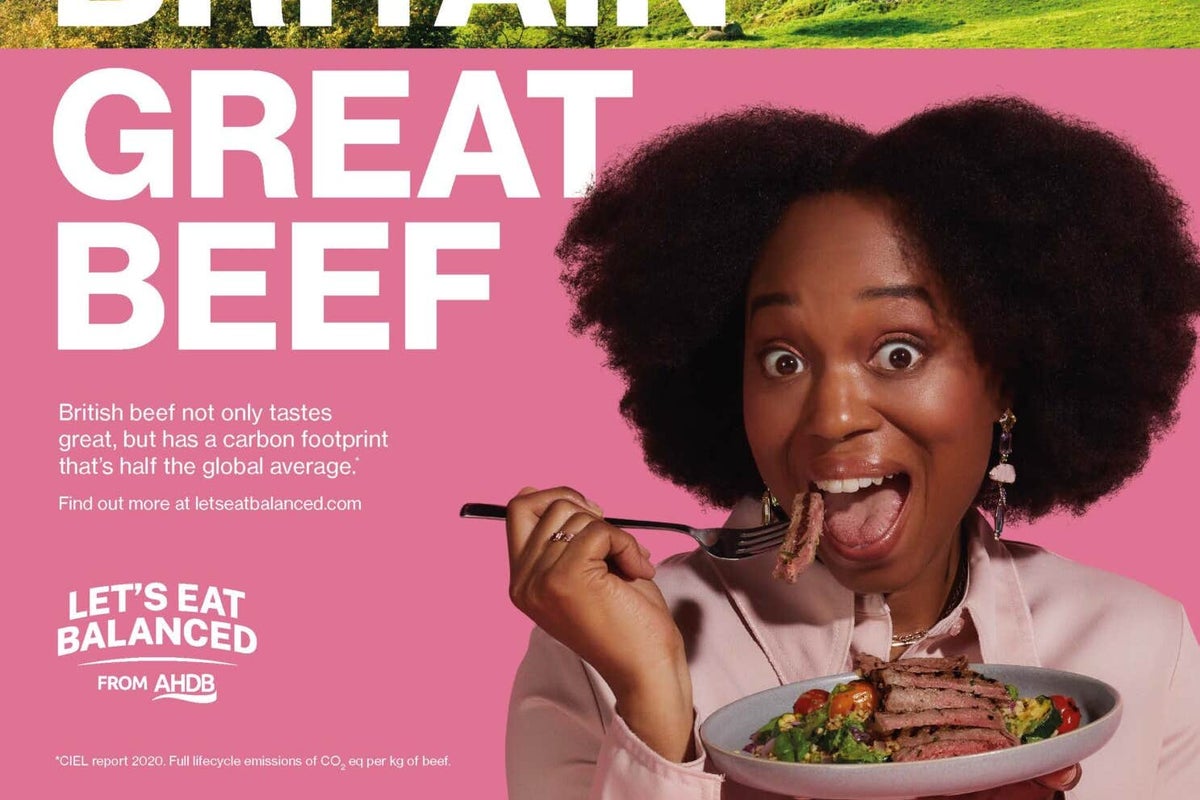
Two ads promoting British beef and milk have been banned after television presenter and environmental campaigner Chris Packham complained that they misled consumers about the products’ carbon footprints.
Both ads for the Agriculture and Horticulture Development Board’s (AHDB) Let’s Eat Balanced campaign used the carbon footprint of British beef and milk to promote the products, firstly stating: “British beef not only tastes great, but has a carbon footprint that’s half the global average*.”
The asterisk linked to text that stated: “Full lifecycle emissions of CO2 eq (carbon dioxide equivalent) per kg of beef.”
The ad for milk stated: “British milk not only tastes good, but is also produced to world-class standards, and has a carbon footprint a third lower than the global average.”
Packham complained to the Advertising Standards Authority (ASA) that the ads, and specifically the carbon footprint claims, were misleading as they did not reflect the full environmental impact of British meat and dairy.
The AHDB said the ads’ mention of carbon emissions would be understood in relation to the environmental impact of beef and milk that occurred between the “cradle-to-retail” stages.
But the ASA said the average consumer “being reasonably well-informed, observant and circumspect” would understand the claims to apply beyond the retail stage and include actions such as cooking and wastage.
The ASA said: “While we acknowledged the potential difficulties in producing post-retail emissions data, the claims in the ads suggested those emissions were included and we therefore expected the evidence provided to also include them.
“We therefore concluded that the evidence presented was insufficient to support the full life-cycle claims in the ads, which was how the average consumer was likely to interpret them.
“We reminded AHDB that environmental claims should be based on the full life cycle unless the ad stated otherwise.”
AHDB’s director of communications and market development, Will Jackson, said: “Let’s Eat Balanced is doing what it was designed to do, providing clear, factual, evidence-led information about British food, nutrition and farming standards.
“Since the investigation began, we have conducted independent consumer research which found that the majority of respondents interpreted these adverts as relating to the production phase only, from farm to retail.
“This research provides important insight into consumer understanding and supports our belief that consumers were not misled by the information we shared in these two specific adverts.”

BENGALURU: India’s Gen Z workforce is embracing what experts describe as “portfolio careers” – balancing multiple professional identities and income streams simultaneously. New research from LinkedIn shows that 75% of Gen Z entrepreneurs in India now manage multiple income streams, significantly higher than the 62% among Gen X entrepreneurs. The findings point to a growing preference among younger professionals for flexibility, autonomy and diversified sources of income. “We’re also seeing the rise of the ‘portfolio era’, with more professionals creating multiple income streams and redefining what a career can look like. This shift is making entrepreneurship more accessible than ever before,” said LinkedIn India country manager Kumaresh Pattabiraman.Rather than depending on a single full-time role, many professionals are simultaneously building businesses, freelancing, consulting, creating online content and monetising specialised skills through digital platforms. The trend comes amid a broader rise in entrepreneurial activity in India. LinkedIn recorded a 104% year-on-year increase in members adding “Founder” to their profiles – the highest growth among all global markets.AI is also emerging as a major enabler of this shift. The report found that 85% of Gen Z entrepreneurs consider AI and digital tools important to their business operations.
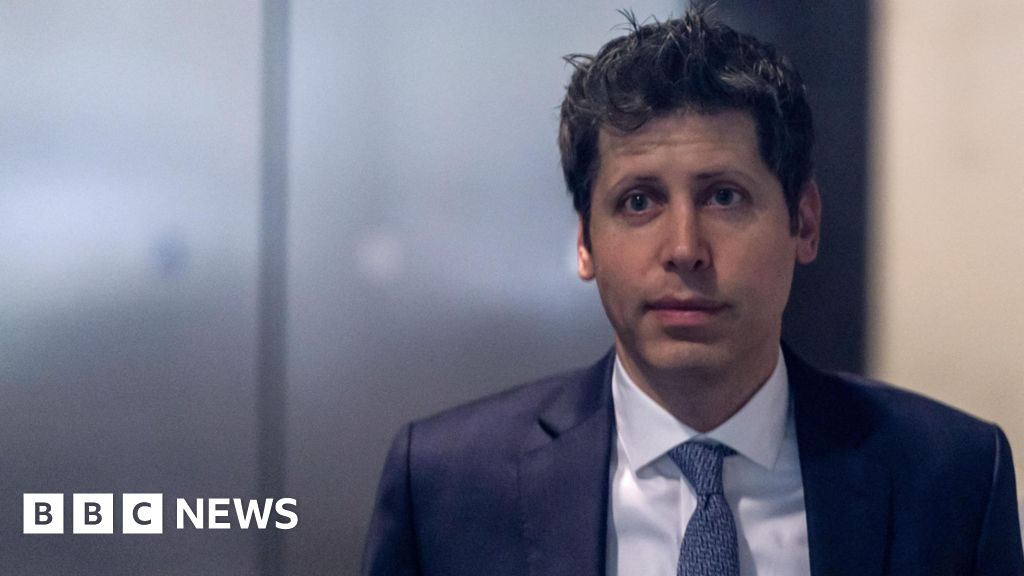
Sam Altman said Elon Musk tried many times for total control of OpenAI, which he’s now suing.
Source link


India’s apparel sourcing window reopens—for now

Will LeBron James retire after current season?

South Korea reviews phased support for Strait of Hormuz security efforts

-

 Tech1 week ago
DHS Demanded Google Surrender Data on Canadian’s Activity, Location Over Anti-ICE Posts
-
 Business1 week ago
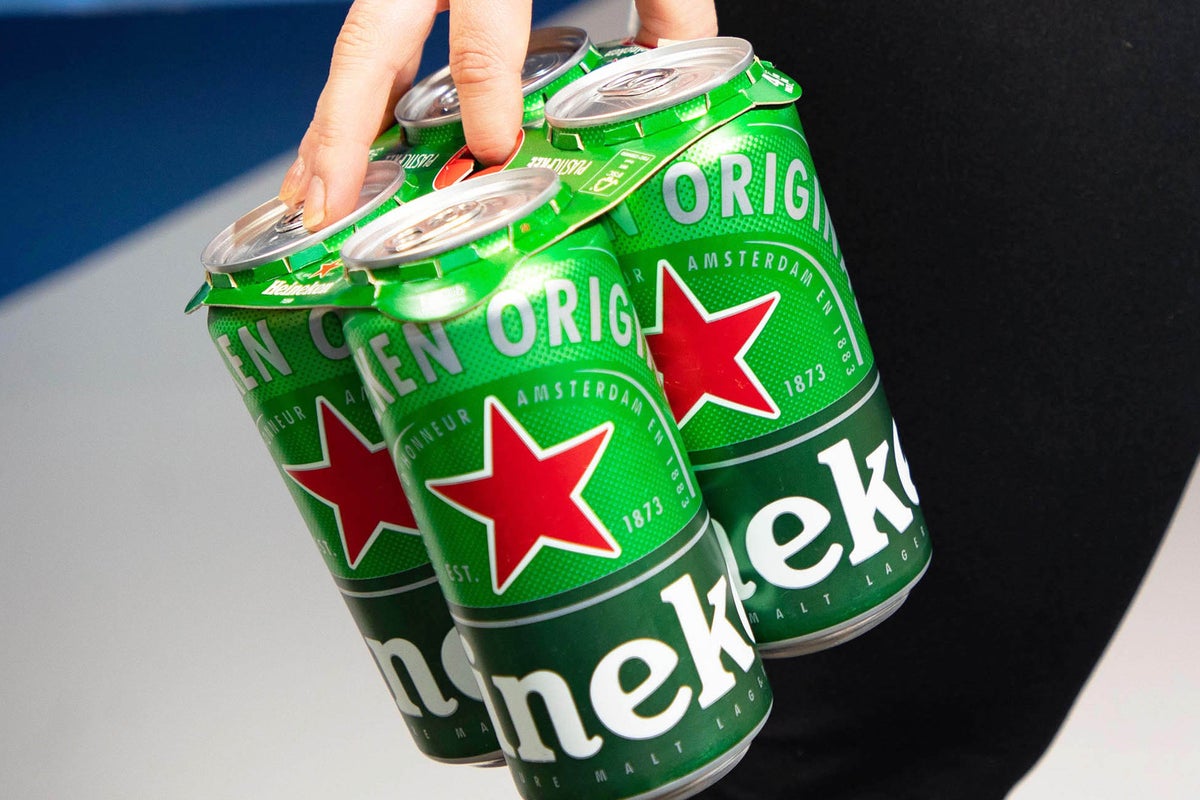
Heineken plans huge investment in hundreds of UK pubs ahead of World Cup
-

 Tech5 days ago
A new frontier: Identity stack evolves for agentic systems | Computer Weekly
-

 Tech4 days ago
‘Orbs,’ ‘Saucers,’ and ‘Flashes’ on the Moon: Pentagon Drops New UFO Files
-
 Business1 week ago
India among most resilient large EMs, better placed for future global shocks; policy reforms & strong buffers help: Moody’s – The Times of India
-

 Tech5 days ago
What Microsoft Executives Really Thought About OpenAI in 2018
-

 Fashion5 days ago
New orders in German manufacturing up 5% MoM in Mar 2026: Destatis
-

 Sports5 days ago
Shaheen Afridi achieves landmark feat during opening Test against Bangladesh