

Entertainment
New monkeypox case detected in Pakistan

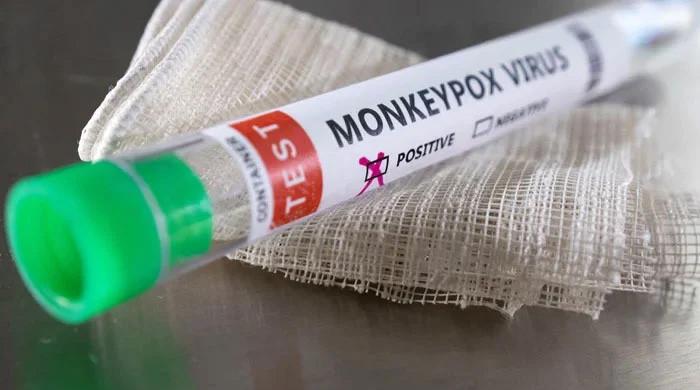
ISLAMABAD: The federal health authorities have confirmed a new case of monkeypox after laboratory tests at the National Institute of Health (NIH) identified the viral infection in a 42-year-old man from Attock district who had recently returned from the Gulf country.
According to NIH officials, the patient from Village Malla Mansoor, Tehsil Hazro, Attock, arrived at Islamabad airport on August 15 from the Gulf state.
He was immediately referred to the Pakistan Institute of Medical Sciences (PIMS) after Border Health Services staff observed visible symptoms of monkeypox, including body rashes and fever.
Hospital officials revealed that the man had been experiencing undocumented fever for the past eight days while still in the Gulf state, followed by the appearance of papules on his face and body five days earlier.
Upon his arrival in Pakistan, the patient was isolated and samples were sent to the NIH, which on August 18 confirmed monkeypox infection. Health authorities said the patient has been placed under strict home isolation and his condition is being closely monitored.
Officials further disclosed that the patient worked as a labourer in the Middle Eastern country and had reportedly been in contact with a confirmed monkeypox case there before developing symptoms. His case history suggests that the disease may have been imported through international travel, raising concerns about potential risks of transmission.
Monkeypox is a viral disease that spreads through close contact and causes fever, rash, swollen lymph nodes, and in some cases, severe complications.
The Ministry of National Health Services has directed provincial health departments to strengthen surveillance and ensure screening of inbound travelers at airports to prevent further spread.
Pakistan had earlier detected sporadic cases of monkeypox in travelers, but officials insist that there is currently no evidence of local transmission. However, sources have said that cases of local transmission had emerged in Khyber Pakhtunkhwa recently.
Experts caution that timely detection, isolation, and contact tracing remain critical to prevent community spread.
The confirmation of the case comes amid increasing international alerts regarding the resurgence of monkeypox in several countries.
Pakistani health officials have urged the public not to panic but to seek immediate medical attention if they develop unexplained fever and skin lesions, particularly after international travel.
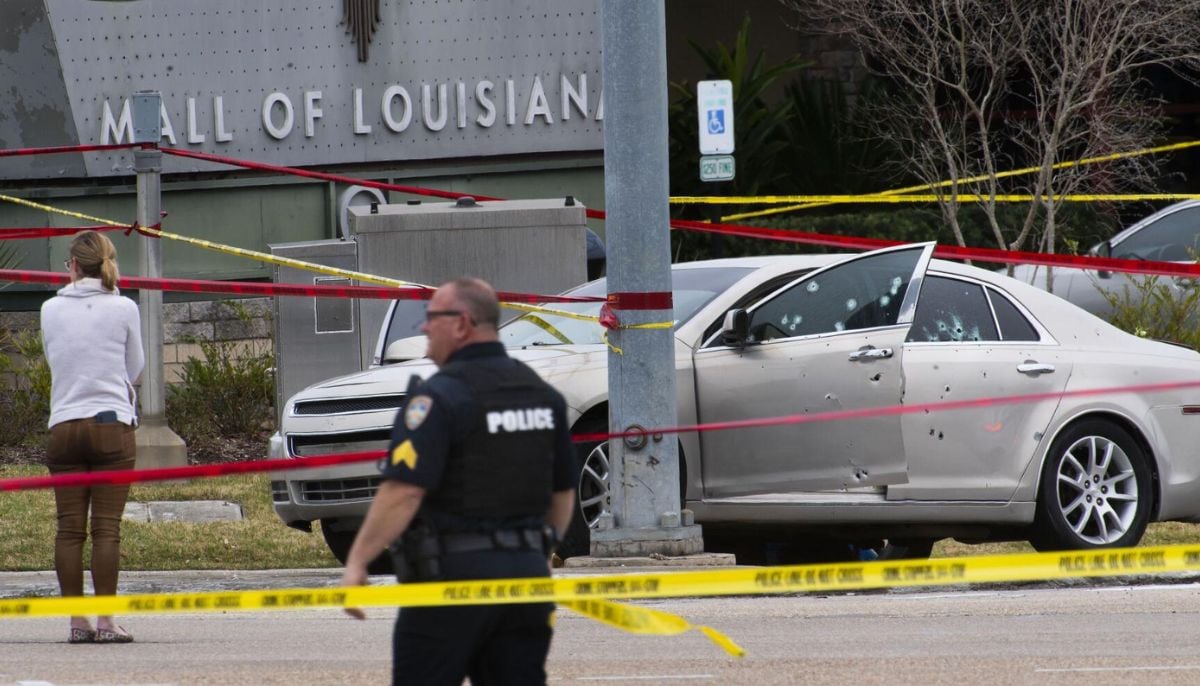
At least 10 people have been hurt in a horrific shooting incident at the Mall of Louisiana. According to the Baton Rouge Police Department, two of the injured are in critical condition.
Police Chief TJ Morse has ruled out any threat to public at this time; however, the shooter remains at large. He added that the incident was not a random act of violence.
Morse said: “Unfortunately there was some innocent people in the area that might have also caught some rounds.”
The initial investigation reveals that an argument between two groups of people sitting inside the food court escalated to the point that opened fire at each other.
Arounf six victims were taken to the hospital by emergency services while the others went for medical aid by personal vehicle. Some of the injured were undergoing surgery.
Officers from the Federal Bureau of Investigation (FBI) were also present at the scene.
East Baton Rogue Mayor-President Sid Edwards was also present on the scene. He updated that all the civilians were excorted out of the building. He requested public to “keep the victims and their families in your prayers.”
Louisiana Governor Jeff Landry also released a statement, saying, “I am aware of the active shooter schene at the Mall of Louisiana.” He urged public to avoid the area, adding, “Sharon and I are praying for those affected.”
He also praised the law officials for their quick response to the incident.
The incident comes just hours after the police arrested a man on his way to Louisiana allegedly with the intent to carry out a mass shooting at a festival in New Orleans.
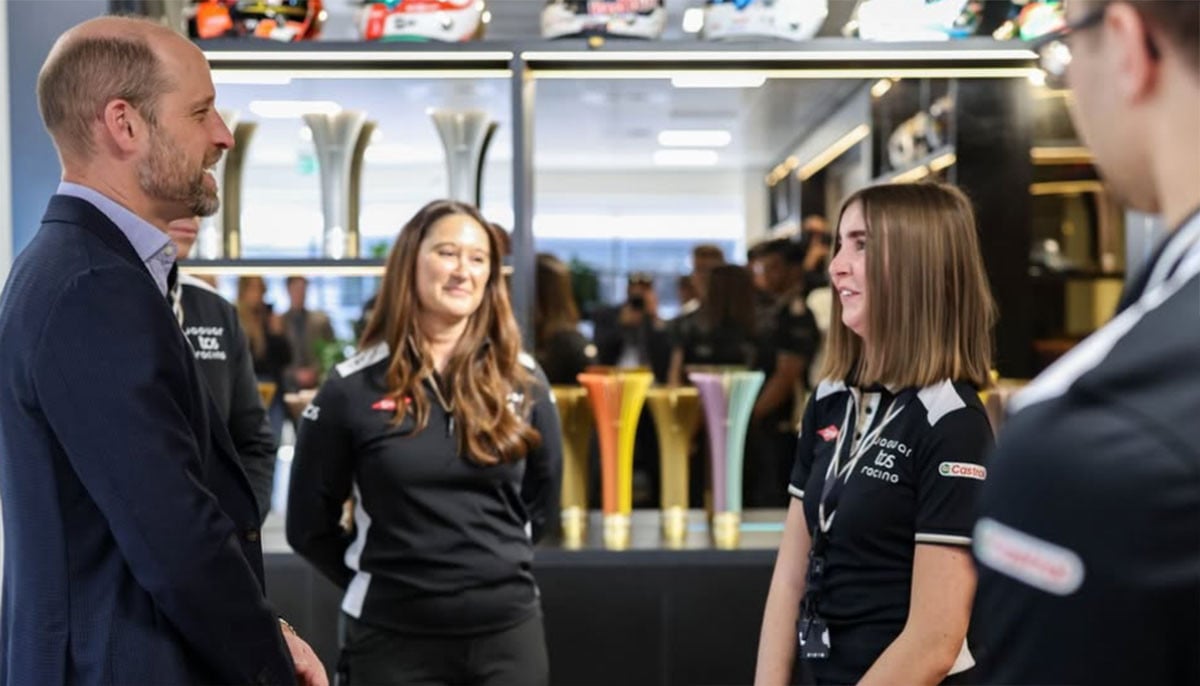
Prince William took a turn behind the scenes of high-speed innovation this week, visiting the headquarters of Jaguar TCS Racing and putting the spotlight firmly on the future of electric motorsport.
Sharing a clip from his visit on Instagram, the Prince of Wales captioned it: “Going green with Jaguar TCS Racing and Formula E!” a nod to the team’s push toward electrification, sustainability.
William also brought his trademark curiosity to the table, joking with engineers about how far automation in racing could eventually go.
Speaking during the visit, he quipped: “At what point does the driver become the weak link?”
Before pushing the thought further: “(At what point do we think) get rid of drivers, we’ll get an AI person in? We’re probably not far off that, are we?”
The Prince also spent time speaking 22-year-old Phoebe Russell, where the conversation turned to careers in motorsport and the barriers still faced by women entering the industry.
William asked: “Was it easy for you to find your way into this world?” to which Russell replied: “Not at all,” explaining she had early exposure to the sport through family connections.
After the visit, Russell admitted the encounter left her overwhelmed, saying: “Being asked to do a little career talk was very exciting.
The fact that he had so much awareness of the sport and so much interest, and it ties into his whole sustainability project, it was very interesting.”
Before leaving, William signed off with encouragement for the team ahead of their next challenge, telling them: “I’m very excited to see you racing, I’m going to cheer you guys on.”
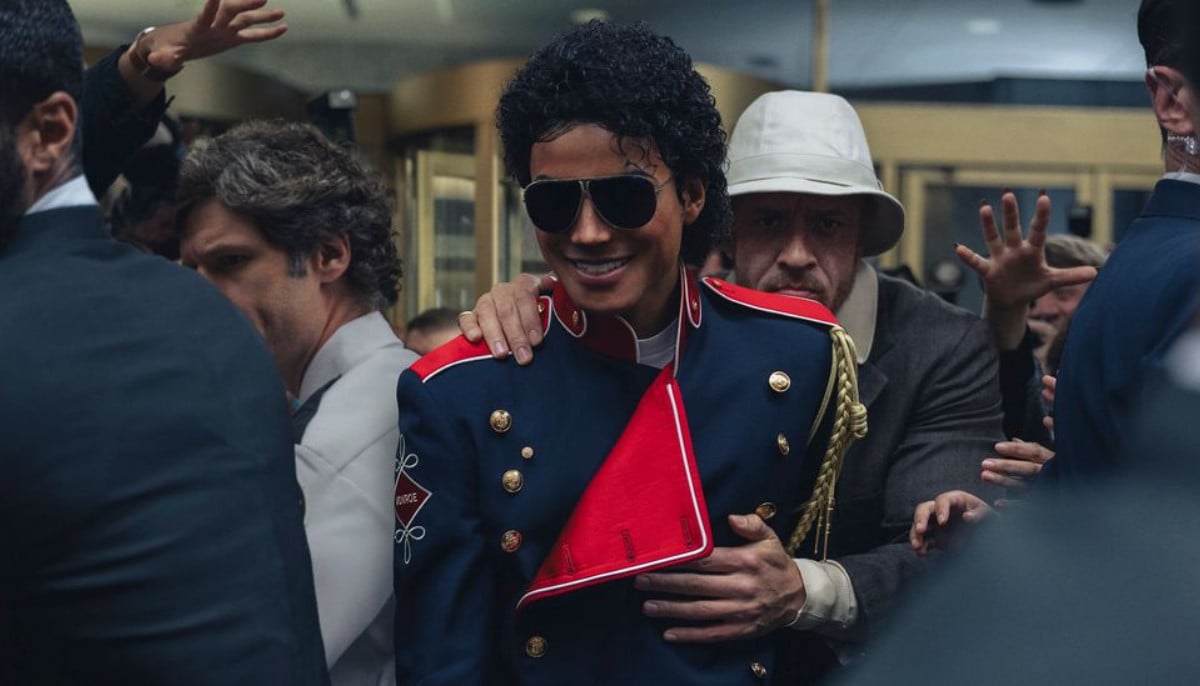
Michael has finally been released on April 24 and it is already getting a lot of attention, with people discussing how the story of Michael Jackson has been shown on screen.
The project has been in talks for a long time. It was first discussed in 2019 and later confirmed in 2022, so fans have been waiting for years to see it.
One of the biggest reasons for interest is that Jackson’s real life nephew Jaafar Jackson is playing him, which made people even more curious about how the film would turn out.
The producer Graham King shared that the goal was to show a fair and balanced version of Michael’s life, explaining the idea was to show him as a real person, not just focus on fame but also his struggles and personal side.
Before the release, some parts of the story got to be changed because of legal restrictions.
That means a few planned scenes were removed or adjusted before the final cut.
Even with all the debate and discussion around the film, early reactions suggest strong interest from audiences.
Many fans around the world are still excited to watch Michael and decide for themselves after seeing it, which is why expectations at the box office remain high.


Nike cuts 1,400 roles in second round of layoffs this year

Rednote Draws a Line Between China and the World

2 critical out of 10 injured in Baton Rouge, shooter at large

-

 Fashion1 week ago
France’s LVMH Q1 revenue falls 6%, shows resilience amid Iran war
-

 Entertainment1 week ago
Is Claude down? Here’s why users are seeing errors
-

 Tech1 week ago
The Deepfake Nudes Crisis in Schools Is Much Worse Than You Thought
-

 Sports1 week ago
PSL 11: Peshawar Zalmi win toss, opt to field first against Quetta Gladiators
-
 Business1 week ago
Standard Life buys rival in £2b deal to create savings giant
-

 Tech1 week ago
CYBERUK ’26: UK lagging on legal protections for cyber pros | Computer Weekly
-

 Fashion1 week ago
Raymond unveils luxury Chairman’s Collection Store in Mumbai
-
 Business1 week ago
PepsiCo earnings beat estimates as North American food business improves