

Business
Dr Subhash Chandra @75th: Harbinger Of Modern Media Boom In India, One Who Brought Paradigm Shift In TV Business

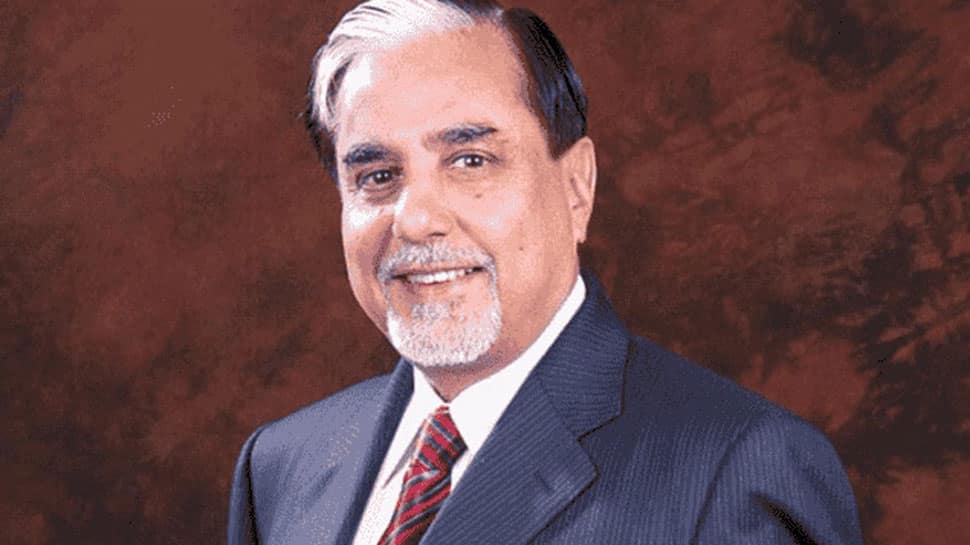
New Delhi: Today is a historic day for the Indian media and the world of media business. Dr Subhash Chandra, Chairman of the Essel Group, also known as the Father of Modern Indian Television, is celebrating his 75th birthday.
Dr Chandra, can very well be touted as the harbinger of the media boom in India, for he augured a complete shift in the media landscape that we witness today.
From starting as a simple grain trader in Haryana’s Adampur Mandi to building a billion-dollar empire, Dr Chandra’s story is not just about success, but about Risk, Revolution, and Resilience. From a business perspective, Dr Chandra is not just a media mogul, but a visionary who gave birth to a new industry in the 90s amidst India’s closed economy.
Dr Subhash Chandra’s early life was full of struggles. Though he had few resources and faced difficult circumstances, his out of the box thinking and revolutionary ideas cemented his position as the top-most media baron of the country. He is known as one of India’s first media entrepreneurs, who took bold risks at a time when business in India was still limited to trading or production. He believed, “If you don’t have an opportunity, create it.”
In the glorious history of a country, some names are etched in golden words. Dr Subhash Chandra is one of the prominent names that come to mind whenever India’s media industry is being discussed. To call him simply a business leader would be an understatement, for Dr Chandra is The Pioneer, The Visionary, and India’s Original Media Baron.
1. The 1992 Revolution: When India started watching its own TV
Dr Subhash Chandra’s greatest contribution is the introduction of private satellite television in India. In the early 1990s, when Doordarshan had the sole monopoly in India, he dreamed of launching Zee TV.
Business masterstroke: At that time, foreign companies were turned down for AsiaSat transponders. Dr Chandra not only leased the transponder, instead he surprised everyone by offering a 5-million-rupee, instead of 1.25-million-rupee, bid. It was a big gamble, but his vision was clear—he knew that Indian audiences were hungry for entertainment.
The upshot? Zee TV was launched on 2 October 1992 and it changed the entire ecosystem of the Indian advertising and content industry.
2. Risk-Taking and Innovation: “Victory lies beyond fear”
The basic mantra of Dr Chandra’s business philosophy is – Be original, don’t just copy.
Essel Propack: Before media, he revolutionized the packaging industry. When the world was using conventional tubes, he brought Laminated Tubes to India, which changed FMCG packaging forever.
This company is one of the world’s largest specialty packaging companies. This is why the Blackstone Group acquired a majority stake in the company in 2019. It is now known as EPL Limited.
Essel World: When the entertainment sector was at its nascent stage in India, he built the country’s first amusement park ‘Essel World’ in 1989, which was a huge infrastructure risk in those days. But Dr Chandra saw an opportunity and made the most of it.
3. A Vast Empire: From ZEEL to Infrastructure
Dr Chandra’s vision wasn’t limited to just one sector. Through the Essel Group, he built a diversified portfolio:
a. Media & Entertainment: ZEEL today delivers content to over 190 countries.
b. Education (Zee Learn): Through Zee Learn, Kidzee, and Mount Litera, he integrated education with a business model (Franchise Model) and took it to tier-2 and tier-3 cities.
c. Technology (Dish TV & Siti Networks): He played a leading role in delivering digital signals to every home through cable and DTH.
d. News and Global Voices (WION): Dr Chandra’s vision was to ensure India’s voice reaches the world, rather than just Western media outlets. WION (World Is One News) is the result of this vision, placing the narrative of a “New India” on a global platform.
4. The Digital Economy and the Pioneer’s Vision
Dr Chandra is called “The Pioneer” because he is ahead of the times. When the internet revolution was just beginning in India, he made a strong foray into the OTT space with ZEE5.
He believes the future is one of convergence—where media, telecom, and technology will converge. His contributions to India’s digital economy have been significant not only in content creation but also in digital infrastructure (cable digitization).
5. Leadership Lessons for Today’s Entrepreneurs
Even at the age of 75, Dr. Chandra’s business mantra is a case study for the youth:
1. Step out of your comfort zone: From trading grains to making toothpaste tubes and then starting a TV channel – this shows that real growth lies in uncharted paths.
2. Integrity is Capital: In recent years, when the group faced a debt crisis, Dr Chandra publicly acknowledged his liabilities and repaid more than 90% of his debt by selling his valuable assets. His move is an excellent example of corporate governance and the true value of words.
3. Don’t be afraid of failure: They often say, “I’m not afraid of failure, because it teaches you more than success.” Failure is the greatest teacher.
Factors That Cement His Position As The Pioneer Of Indian Media
Dr Chandra didn’t just lead the way, he paved the way. The Indian media industry would probably be 10–15 years behind if it was not for Dr Chandra.
Business Icon: What Every Entrepreneur Should Learn
Dr Chandra’s life, when studied closely can become a business education for people wanting to set into entreprenual journey. Here are five things every entrepreneur can learn:
1. Risk-Led Growth
If you don’t take risks, you won’t be recognized.
2. Look for the trend even before it starts trending
He took up satellite TV when no one else understood it.
3. Don’t be afraid of failures
He saw ups and downs in his journey, but never stopped.
4. India First Approach
Every business of his is related to the Indian audience, youth and the development of the country.
5. Talent First Leadership
He always said, “People, not systems, make companies.”
Dr Chandra –The legacy of a legend
Dr. Subhash Chandra’s 75-year journey proves that if the vision is big and the intentions are strong, resources are automatically gathered. He not only taught India how to watch TV, but also inspired thousands of entrepreneurs to believe that an Indian company could become a global media powerhouse.
On Dr Chandra’s 75th birthday, one can certainly remark –he didn’t just build a company, he created a legacy!

People walk past a Nike store in New York City, on April 2, 2025.
Kylie Cooper | Reuters
Nike announced a new round of layoffs Thursday affecting approximately 1,400 employees across the organization, mostly concentrated in its technology department.
In a note from COO Venkatesh Alagirisamy, the company said the layoffs were part of Nike’s broader “Win Now” turnaround strategy aiming to reshape its technology team, modernize its Air manufacturing, move some of its Converse Footwear operations and integrate its materials supply chain work into its footwear and apparel supply chain teams.
“Collectively, these changes will result in a reduction of approximately 1,400 roles in global operations, with the majority in technology,” Alagirisamy wrote. “These reductions are very hard for the teammates directly affected and for the teams around them, too.”
A Nike spokesperson said the layoffs are about better positioning the organization for the current pace of sports and accelerating its growth. The layoffs affect employees across North America, Asia and Europe and represent less than 2% of the company’s total global head count.
“This is not a new direction,” Alagirisamy wrote. “It is the next phase of the work already underway.”
Affected employees will be notified beginning Thursday, Nike added.
CEO Elliott Hill has been working to turn Nike around after years of slumping sales. While Hill has made some initial progress, it’s come with some bumps in the road.
Nike announced 775 job cuts in January, primarily at its U.S.-based distribution centers, due to the company’s work in accelerating its use of automation. At the time, the company said the cuts are part of Nike’s goal to return to “long-term, profitable growth.”
Those layoffs came on top of a round of cuts last summer that affected less than 1% of Nike’s corporate staff as part of the company’s efforts to realign the business.
In its third fiscal quarter earnings report last month, the retailer warned that sales will continue to fall for the rest of the year, primarily led by an anticipated 20% decline in China during the current quarter.
— CNBC’s Jessica Golden contributed to this report.
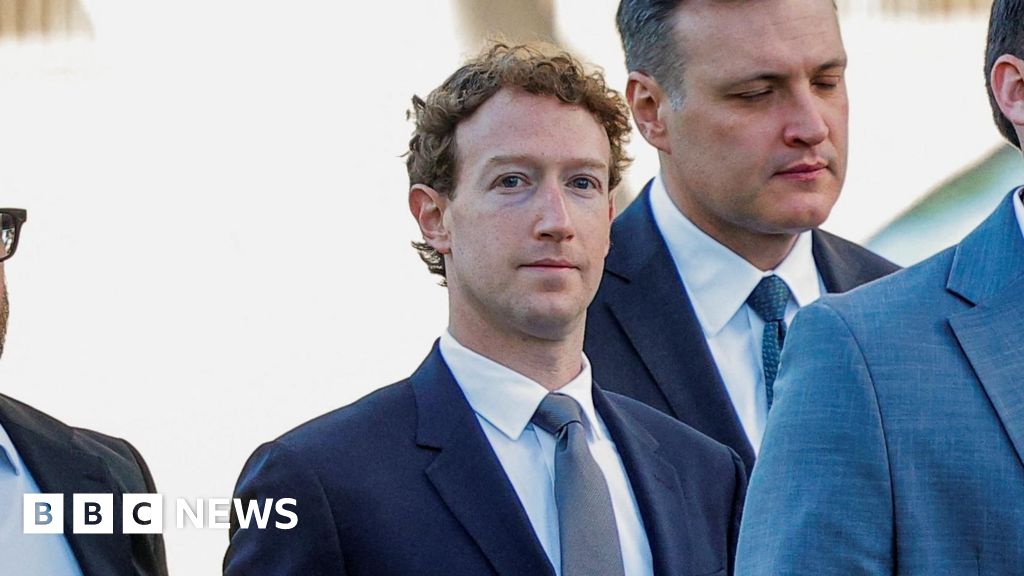
A key reason for the layoffs is Meta’s increased spending in other areas of the company, including AI, for which it will this year spend $135bn (£100bn). This is roughly equal to the amount it has spent on AI in the previous three years combined, according to a person who viewed the memo.
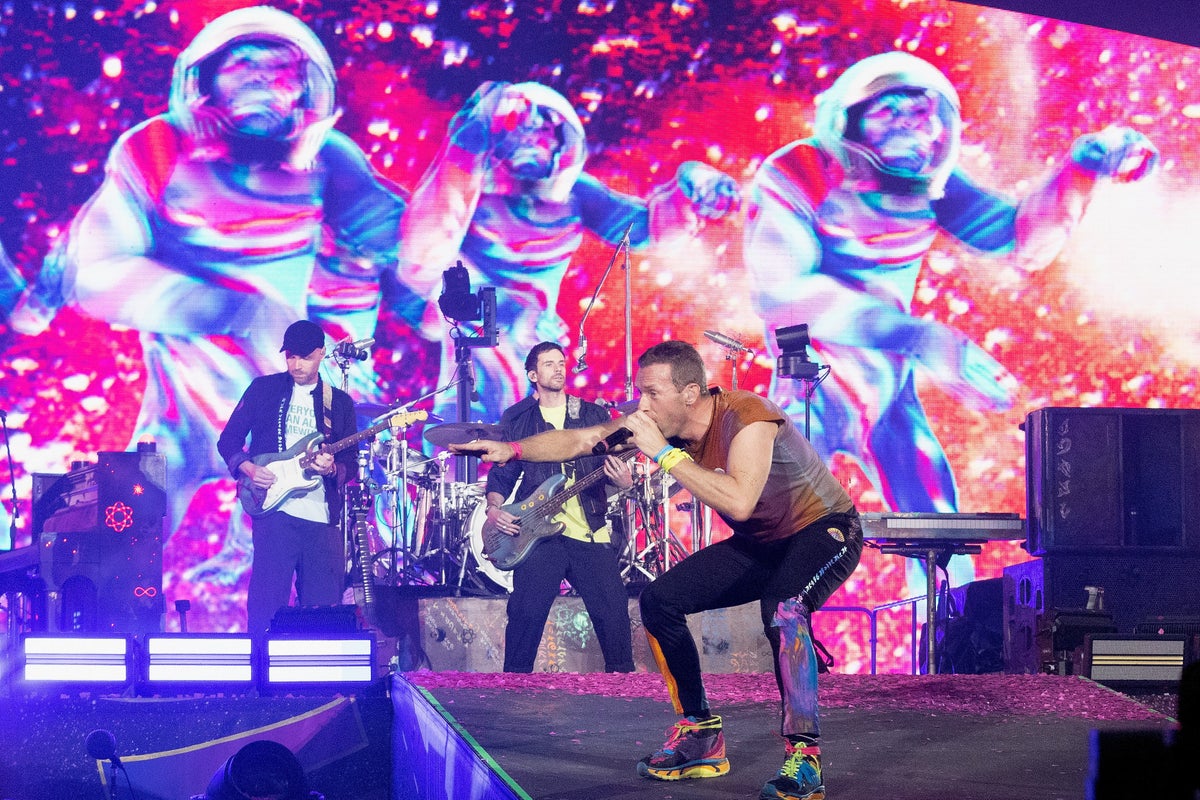
The Government has been urged to stick to its pledge to ban ticket touting amid concerns the policy will be left out of next month’s King’s Speech.
In November, the Government announced that new rules making it illegal to resell tickets for live events for profit would end the “industrial-scale” touting that has caused misery for millions of fans.
Ministers confirmed plans to make it illegal for tickets to concerts, theatre, comedy, sport and other live events to be resold for more than their original cost.
The Labour manifesto promised stronger protections to stop consumers being scammed or priced out of events by touts, who frequently use bots to buy tickets in bulk the moment they go on sale, which they can then sell on for huge mark-ups on secondary ticketing websites.
The proposed rules make it illegal for tickets to be sold at a price above the face value – defined as the original price plus unavoidable fees including service charges.
Service fees will be capped to prevent the price limit being undermined by platforms, which will have a legal duty to monitor and enforce compliance, and individuals will be banned from reselling more tickets than they were entitled to buy in the initial sale.
A host of globally renowned artists have backed the plan, including Radiohead, Dua Lipa and Coldplay.
Following a report in the Guardian that the minister responsible for the policy, Ian Murray, had told music industry groups not to worry if the measure was not part of the King’s Speech on May 13, the Government said it required new primary legislation that it was working to deliver at the earliest opportunity.
A Government spokeswoman said: “Ticket touts are a blight on the live events industry, causing misery for millions of fans.
“We set out decisive plans last year to stamp out touting once and for all, and we are committed to delivering on these for the benefit of fans and industry.”
The music industry and Which? raised concerns about the suggestion of any delay, as sites appeared to show touts selling tickets for the Radio 1 Big Weekend in Sunderland well above the two-ticket limit for buyers and at vastly inflated prices.
Annabella Coldrick, chief executive of the Music Managers Forum, said: “2026 was supposed to mark this Government moving ‘from announcements to action’ but we have little evidence of this to date.
“A ban on ticket touting was one of only two music-related commitments in the Labour manifesto, alongside fixing EU touring.
“These are widely supported, pro-growth measures that will deliver tangible benefits to the British public. However, if ticket resale legislation is not presented in the King’s Speech, it will have the opposite effect and continue to cost those constituents hundreds of millions of pounds a year.
“This Government needs to stand by its promises and get it done.”
Adam Webb, campaign manager at FanFair Alliance, said: “The Government has a big decision to make: will they ‘put fans first’ or not?
“Last November, ministers committed to ‘bold new measures’ to ban online ticket touting and support consumers.
“Enacting these measures should be a no-brainer but, if legislation is not presented in the upcoming King’s Speech, the cycle of industrial-scale exploitation will continue.”
Lisa Webb, consumer law expert at Which?, said: “The Government has promised to put fans first but, if this legislation is not included in the King’s Speech, the only ones celebrating will be the rip-off secondary ticketing websites and online touts.”


Yankees owner Hal Steinbrenner considering factors before debuting new alternate uniforms: report
Nike cuts 1,400 roles in second round of layoffs this year

Rednote Draws a Line Between China and the World

-

 Fashion1 week ago
France’s LVMH Q1 revenue falls 6%, shows resilience amid Iran war
-

 Entertainment1 week ago
Is Claude down? Here’s why users are seeing errors
-

 Sports1 week ago
PSL 11: Peshawar Zalmi win toss, opt to field first against Quetta Gladiators
-

 Tech1 week ago
The Deepfake Nudes Crisis in Schools Is Much Worse Than You Thought
-
 Business1 week ago
Standard Life buys rival in £2b deal to create savings giant
-

 Tech1 week ago
CYBERUK ’26: UK lagging on legal protections for cyber pros | Computer Weekly
-

 Fashion1 week ago
Raymond unveils luxury Chairman’s Collection Store in Mumbai
-
 Business1 week ago
PepsiCo earnings beat estimates as North American food business improves