

Business
Dr Subhash Chandra @75th: Harbinger Of Modern Media Boom In India, One Who Brought Paradigm Shift In TV Business

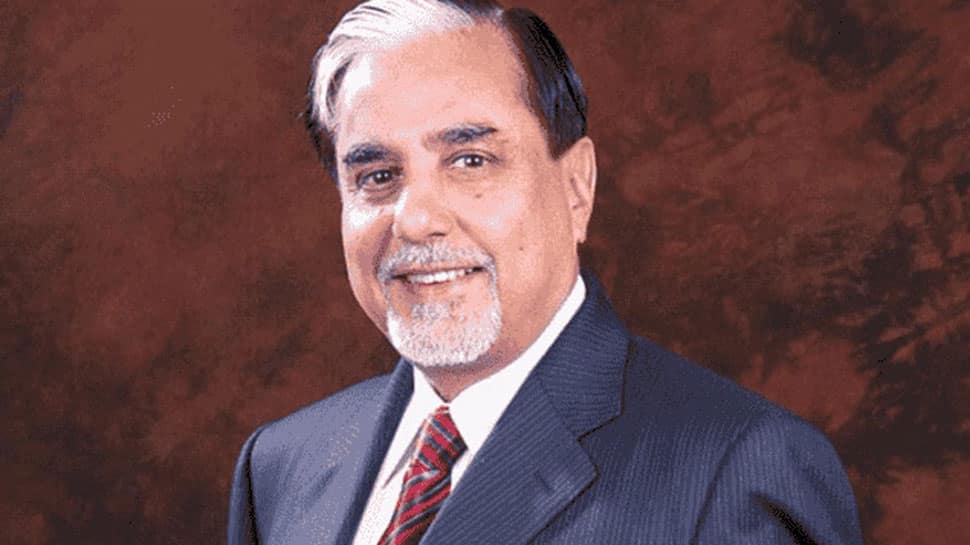
New Delhi: Today is a historic day for the Indian media and the world of media business. Dr Subhash Chandra, Chairman of the Essel Group, also known as the Father of Modern Indian Television, is celebrating his 75th birthday.
Dr Chandra, can very well be touted as the harbinger of the media boom in India, for he augured a complete shift in the media landscape that we witness today.
From starting as a simple grain trader in Haryana’s Adampur Mandi to building a billion-dollar empire, Dr Chandra’s story is not just about success, but about Risk, Revolution, and Resilience. From a business perspective, Dr Chandra is not just a media mogul, but a visionary who gave birth to a new industry in the 90s amidst India’s closed economy.
Dr Subhash Chandra’s early life was full of struggles. Though he had few resources and faced difficult circumstances, his out of the box thinking and revolutionary ideas cemented his position as the top-most media baron of the country. He is known as one of India’s first media entrepreneurs, who took bold risks at a time when business in India was still limited to trading or production. He believed, “If you don’t have an opportunity, create it.”
In the glorious history of a country, some names are etched in golden words. Dr Subhash Chandra is one of the prominent names that come to mind whenever India’s media industry is being discussed. To call him simply a business leader would be an understatement, for Dr Chandra is The Pioneer, The Visionary, and India’s Original Media Baron.
1. The 1992 Revolution: When India started watching its own TV
Dr Subhash Chandra’s greatest contribution is the introduction of private satellite television in India. In the early 1990s, when Doordarshan had the sole monopoly in India, he dreamed of launching Zee TV.
Business masterstroke: At that time, foreign companies were turned down for AsiaSat transponders. Dr Chandra not only leased the transponder, instead he surprised everyone by offering a 5-million-rupee, instead of 1.25-million-rupee, bid. It was a big gamble, but his vision was clear—he knew that Indian audiences were hungry for entertainment.
The upshot? Zee TV was launched on 2 October 1992 and it changed the entire ecosystem of the Indian advertising and content industry.
2. Risk-Taking and Innovation: “Victory lies beyond fear”
The basic mantra of Dr Chandra’s business philosophy is – Be original, don’t just copy.
Essel Propack: Before media, he revolutionized the packaging industry. When the world was using conventional tubes, he brought Laminated Tubes to India, which changed FMCG packaging forever.
This company is one of the world’s largest specialty packaging companies. This is why the Blackstone Group acquired a majority stake in the company in 2019. It is now known as EPL Limited.
Essel World: When the entertainment sector was at its nascent stage in India, he built the country’s first amusement park ‘Essel World’ in 1989, which was a huge infrastructure risk in those days. But Dr Chandra saw an opportunity and made the most of it.
3. A Vast Empire: From ZEEL to Infrastructure
Dr Chandra’s vision wasn’t limited to just one sector. Through the Essel Group, he built a diversified portfolio:
a. Media & Entertainment: ZEEL today delivers content to over 190 countries.
b. Education (Zee Learn): Through Zee Learn, Kidzee, and Mount Litera, he integrated education with a business model (Franchise Model) and took it to tier-2 and tier-3 cities.
c. Technology (Dish TV & Siti Networks): He played a leading role in delivering digital signals to every home through cable and DTH.
d. News and Global Voices (WION): Dr Chandra’s vision was to ensure India’s voice reaches the world, rather than just Western media outlets. WION (World Is One News) is the result of this vision, placing the narrative of a “New India” on a global platform.
4. The Digital Economy and the Pioneer’s Vision
Dr Chandra is called “The Pioneer” because he is ahead of the times. When the internet revolution was just beginning in India, he made a strong foray into the OTT space with ZEE5.
He believes the future is one of convergence—where media, telecom, and technology will converge. His contributions to India’s digital economy have been significant not only in content creation but also in digital infrastructure (cable digitization).
5. Leadership Lessons for Today’s Entrepreneurs
Even at the age of 75, Dr. Chandra’s business mantra is a case study for the youth:
1. Step out of your comfort zone: From trading grains to making toothpaste tubes and then starting a TV channel – this shows that real growth lies in uncharted paths.
2. Integrity is Capital: In recent years, when the group faced a debt crisis, Dr Chandra publicly acknowledged his liabilities and repaid more than 90% of his debt by selling his valuable assets. His move is an excellent example of corporate governance and the true value of words.
3. Don’t be afraid of failure: They often say, “I’m not afraid of failure, because it teaches you more than success.” Failure is the greatest teacher.
Factors That Cement His Position As The Pioneer Of Indian Media
Dr Chandra didn’t just lead the way, he paved the way. The Indian media industry would probably be 10–15 years behind if it was not for Dr Chandra.
Business Icon: What Every Entrepreneur Should Learn
Dr Chandra’s life, when studied closely can become a business education for people wanting to set into entreprenual journey. Here are five things every entrepreneur can learn:
1. Risk-Led Growth
If you don’t take risks, you won’t be recognized.
2. Look for the trend even before it starts trending
He took up satellite TV when no one else understood it.
3. Don’t be afraid of failures
He saw ups and downs in his journey, but never stopped.
4. India First Approach
Every business of his is related to the Indian audience, youth and the development of the country.
5. Talent First Leadership
He always said, “People, not systems, make companies.”
Dr Chandra –The legacy of a legend
Dr. Subhash Chandra’s 75-year journey proves that if the vision is big and the intentions are strong, resources are automatically gathered. He not only taught India how to watch TV, but also inspired thousands of entrepreneurs to believe that an Indian company could become a global media powerhouse.
On Dr Chandra’s 75th birthday, one can certainly remark –he didn’t just build a company, he created a legacy!
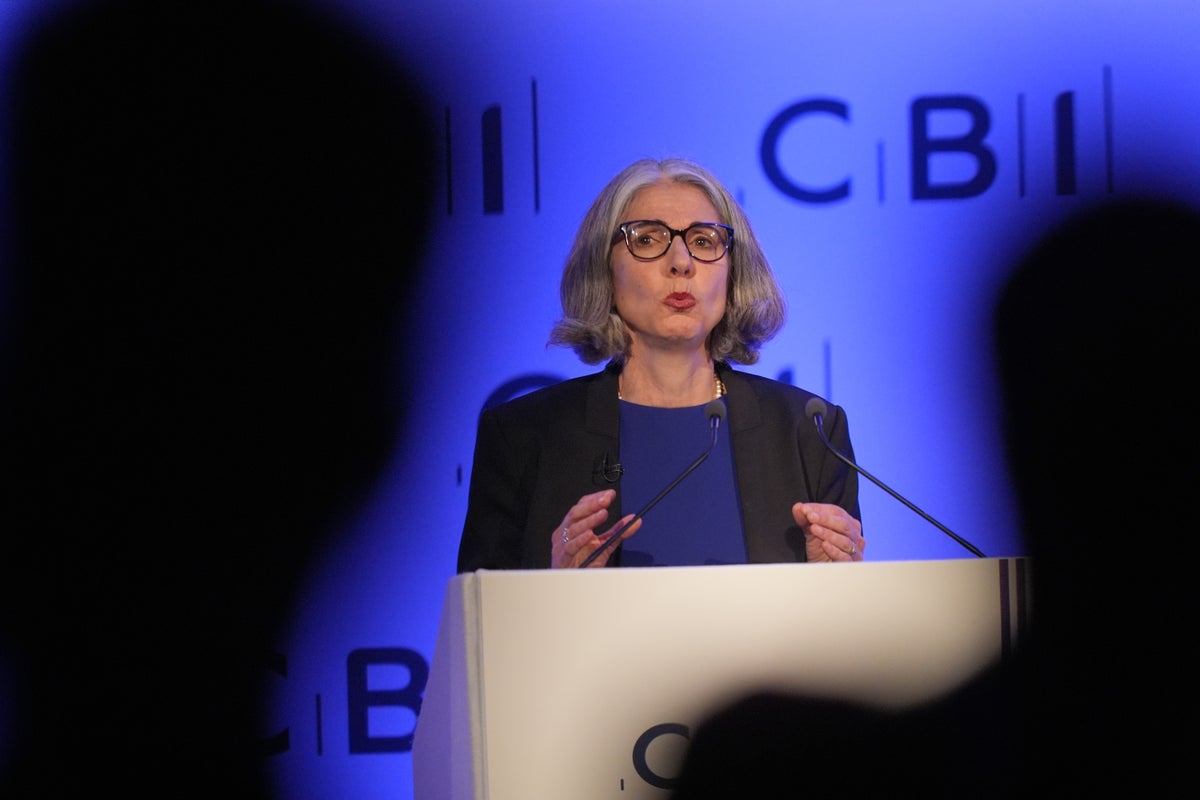
The UK must not “cut ourselves off” from trade opportunities in China despite security and business risks, the head of the Confederation for British Industry has warned.
CBI chief Rain Newton-Smith highlighted that British businesses see increased trade with Chinese firms as an opportunity to drive growth.
Her remarks came as business leaders were questioned by MPs on Parliament’s Business and Trade Select Committee regarding the UK’s economic relationship with China.
Last December, Prime Minister Sir Keir Starmer admitted China poses security threats to the UK but urged for greater business ties.
Ms Newton-Smith, chief executive of one of the UK’s largest business groups, was positive about the Government’s engagement with China.
“You can’t have a growth strategy without a strategy for China,” she said.
“China has the biggest contribution to global growth, is the third largest trading partner, and the world’s largest consumer market.
“The UK is second largest exporter of trade and services.
“We are mindful as all businesses are of security risks but it is really important that we have a strategy towards China.
“This Government has increased the economic engagement with China and including business within this does help us as a country.”
She added: “If we think about the future economy, there is a huge market in China and I think we mustn’t cut ourselves off from some of the opportunities there, even if in some areas there are difficult conversations and negotiations that need to be had.”
Peter Burnett, chief executive of the China-Britain Business Council, told the committee: “There are risks associated with technology advancement, AI, industrial development that they need to assess.
“Increasingly you will find them saying that they need to engage more in China to understand those risks and to develop some of the technologies along some of those risks themselves.”
Business
Trump says he’d be disappointed if Fed pick doesn’t cut rates; Warsh vows to be ‘independent actor’ – The Times of India
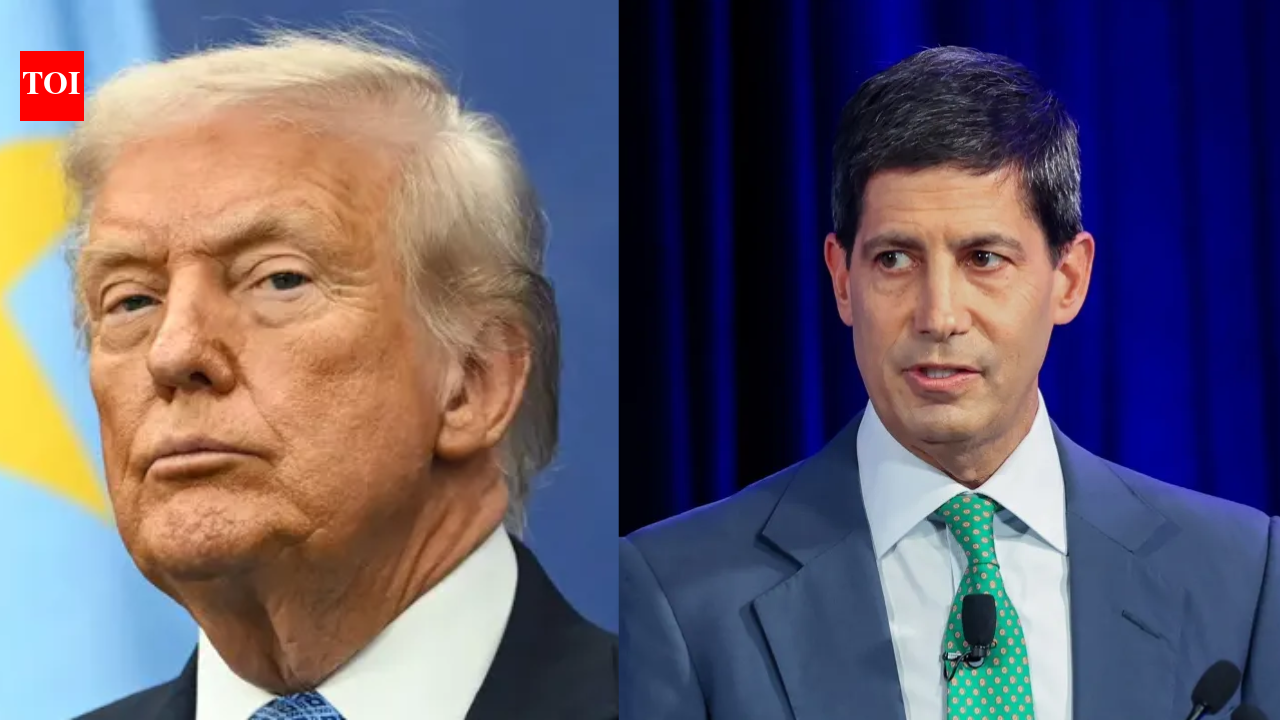
US President Donald Trump on Tuesday said he would be disappointed if his nominee for Federal Reserve chair, Kevin Warsh, does not cut interest rates right away after taking office if confirmed by the Senate. Trump, during an interview with CNBC’s “Squawk Box,” also said “we have to find out” about the construction costs of the new Federal Reserve building.Warsh, a former Federal Reserve official and financier, is currently facing Senate confirmation hearings where he has stressed his independence from political pressure.“The president never once asked me to commit to any particular interest rate decision, and nor would I agree to it if he had,” Kevin Warsh said under questioning by the Senate Banking Committee, as quoted by LA Times. “I will be an independent actor if confirmed as chair of the Federal Reserve.”Warsh told lawmakers that fighting inflation would be one of his main priorities if confirmed.“Congress tasked the Fed with the mission to ensure price stability, without excuse or equivocation, argument or anguish,” Warsh said. “Inflation is a choice, and the Fed must take responsibility for it.”The comments come as investors closely watch his confirmation hearing, with inflation remaining at 3.3% annually and global tensions, including the war in Iran pushing up gas prices, adding pressure on the economy. Higher inflation typically leads the Federal Reserve to keep interest rates steady or raise them rather than cut them, as rate changes affect mortgages, auto loans, and business borrowing.Democrats on the Senate Banking Committee accused Warsh of shifting his stance on interest rates over time, supporting higher rates under Democratic presidents and lower rates during Trump’s presidency.Warsh, if confirmed, would take over at a time when inflation pressures make it difficult for the Federal Reserve to cut rates, even as Trump continues to push for lower borrowing costs. Trump has repeatedly urged rate cuts and has long clashed with current Fed chair Jerome Powell over monetary policy. Powell has also been the subject of a Department of Justice criminal probe after refusing Trump’s requests for faster rate cuts. Trump told CNBC that he does not plan to pressure the Justice Department to end that probe.
NEW DELHI: Nestle India reported a 26% increase in net profit to Rs 1114 crore on its highest ever domestic sales of Rs 6,445 crore for the fourth quarter ended March 31, 2026, led by premiumisation, penetration and higher ad spends.“This performance was powered by double-digit volume growth, driven by over 50% increase in advertising spends, whilst delivering a healthy EBITDA margin of 26%’’, Manish Tiwary, chairman and managing director, Nestlé India said.Total sales and domestic sales for the quarter increased by 23% each, while all product groups contributed to the performance, he said.For FY26, total sales increased by nearly 15% to Rs 23,071 crore, while the net profit jumped nearly 7% year-on-year to Rs 3545 crore. The company on Tuesday also declared a final dividend of Rs 5 per equity share.The West Asia conflict is likely to have a limited impact on most packaged food companies’ Q4 performance, as it was confined to March. However, companies have flagged higher input costs driven by the rise in crude oil prices.Elaborating on the commodities outlook, he said “Edible oil prices are firm and have moved higher in line with global crude oil prices, supported by increased diversion to biodiesel’’.Meanwhile, unseasonal rains have impacted wheat production, resulting in a delayed harvest and lower quantity and quality.Commenting on coffee prices, the company said it expects prices to continue to trend lower, supported by a favourable crop in Vietnam and the forthcoming crop in Brazil.


Duke lands John Blackwell, top guard in transfer portal

Museum heist mystery ends as Romania’s 2,500-year-old Golden Helmet returns home

Ranking the Top 20 Players in the Men’s College Basketball Transfer Portal

-

 Fashion6 days ago
France’s LVMH Q1 revenue falls 6%, shows resilience amid Iran war
-

 Sports1 week ago
The case for Man United’s Fernandes as Premier League’s best
-

 Entertainment1 week ago
Palace left in shock as Prince William cancels grand ceremony
-
 Business1 week ago
UK could adopt EU single market rules under new legislation
-

 Entertainment6 days ago
Is Claude down? Here’s why users are seeing errors
-

 Fashion1 week ago
Energy emerges as biggest cost driver in textile margins
-
 Business1 week ago
Delta Air Lines unveils first new Delta One suite in premium cabin arms race
-

 Fashion1 week ago
Asia claims largest share of markets on Kearney FDI Confidence Index