

Business
RBI Slashes India’s Inflation Forecast To 2% For 2025-26

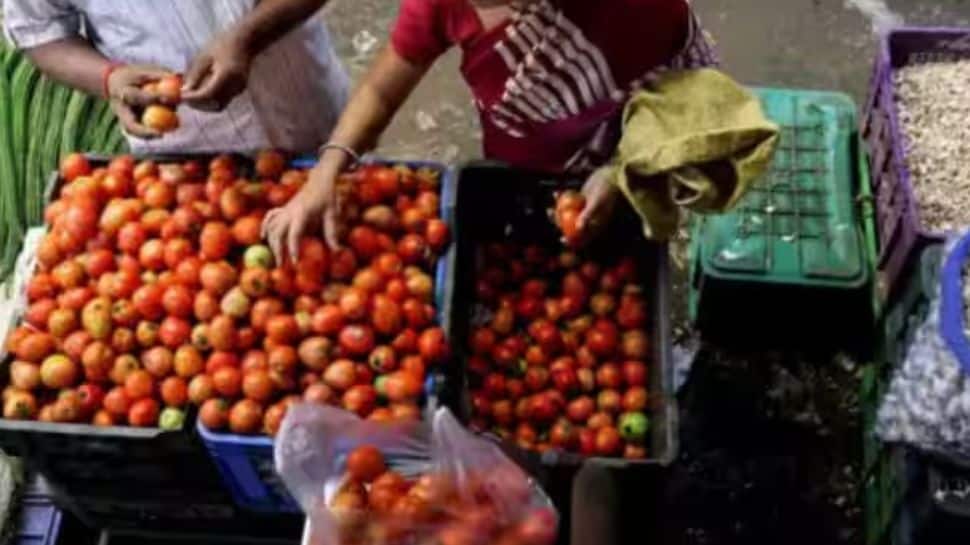
New Delhi: The RBI’s monetary policy committee (MPC) on Friday slashed its forecast for India’s inflation rate for the financial year 2025-26 to 2 per cent — from 2.6 per cent predicted in October due to the sharp decline in food prices and the GST rate cuts playing out.
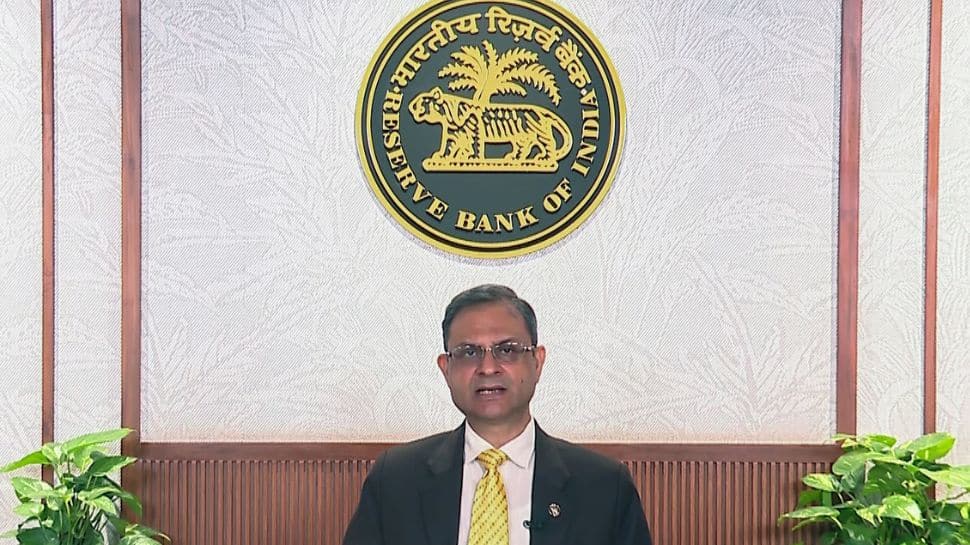
RBI Governor Sanjay Malhotra said that “the MPC noted that headline inflation has eased significantly and is likely to be softer than the earlier projections, primarily on account of the exceptionally benign food prices. Reflecting these favourable conditions, the projections for average headline inflation in 2025-26 and Q1 2026-27 have been further revised downwards.”
Malhotra also pointed out that core inflation (which excludes food and fuel) remained largely contained in September-October, despite continued price pressures exerted by precious metals. Excluding gold, core inflation moderated to 2.6 per cent in October. Overall, the decline in inflation has become more generalised, he added.
The RBI Governor observed that food supply prospects have improved on the back of higher kharif production, healthy rabi sowing, adequate reservoir levels and conducive soil moisture. Barring some metals, international commodity prices are likely to moderate going forward.
“Overall, inflation is likely to be softer than what was projected in October, mainly on account of the fall in food prices. Considering all these factors, CPI inflation for 2025-26 is now projected at 2.0 per cent with Q3 at 0.6 per cent; and Q4 at 2.9 per cent. CPI inflation for Q1 2026-27 and Q2 are projected at 3.9 per cent and 4.0 per cent, respectively. The underlying inflation pressures are even lower as the impact of increase in price of precious metals is about 50 bps. The risks are evenly balanced,” Malhotra highlighted.
He explained that core inflation, which had been rising steadily since Q1 2024-25, eased at the margin in Q2 2025-26 and is expected to remain anchored in the period ahead. Both headline and core inflation are expected to be at or below the 4 per cent target during the first half of 2026-27. The underlying inflation pressures are even lower as the impact of increase in price of precious metals is about 50 basis points (bps). Growth, while remaining resilient, is expected to soften somewhat.
“Thus, the growth-inflation balance, especially the benign inflation outlook on both headline and core, continues to provide the policy space to support the growth momentum. Accordingly, the MPC unanimously voted to reduce the policy repo rate by 25 bps to 5.25 per cent,” Malhotra observed.
He said that headline CPI inflation declined to an all-time low in October 2025. The faster than anticipated decline in inflation was led by correction in food prices, contrary to the usual trend witnessed during the months of September-October.

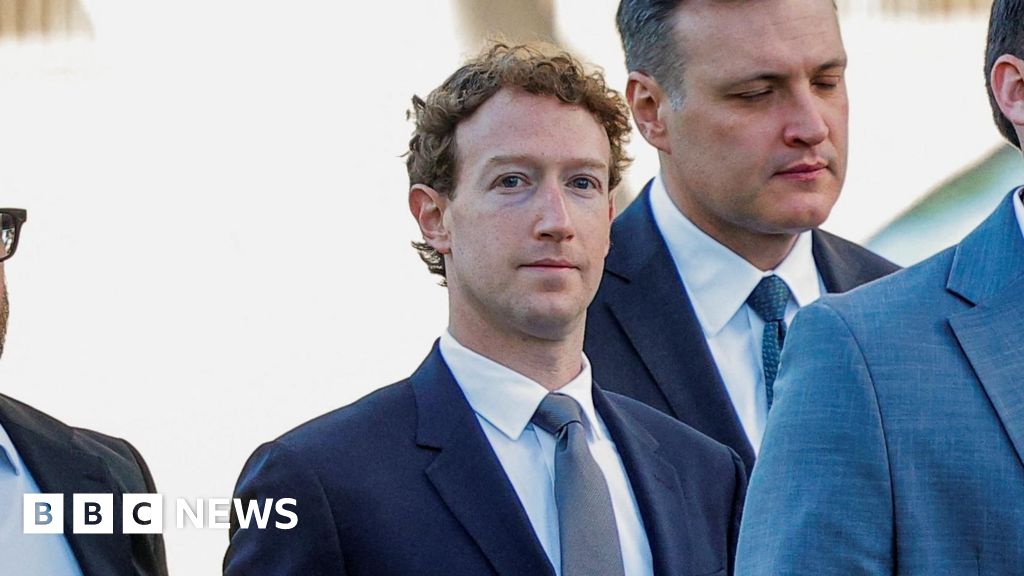
A key reason for the layoffs is Meta’s increased spending in other areas of the company, including AI, for which it will this year spend $135bn (£100bn). This is roughly equal to the amount it has spent on AI in the previous three years combined, according to a person who viewed the memo.
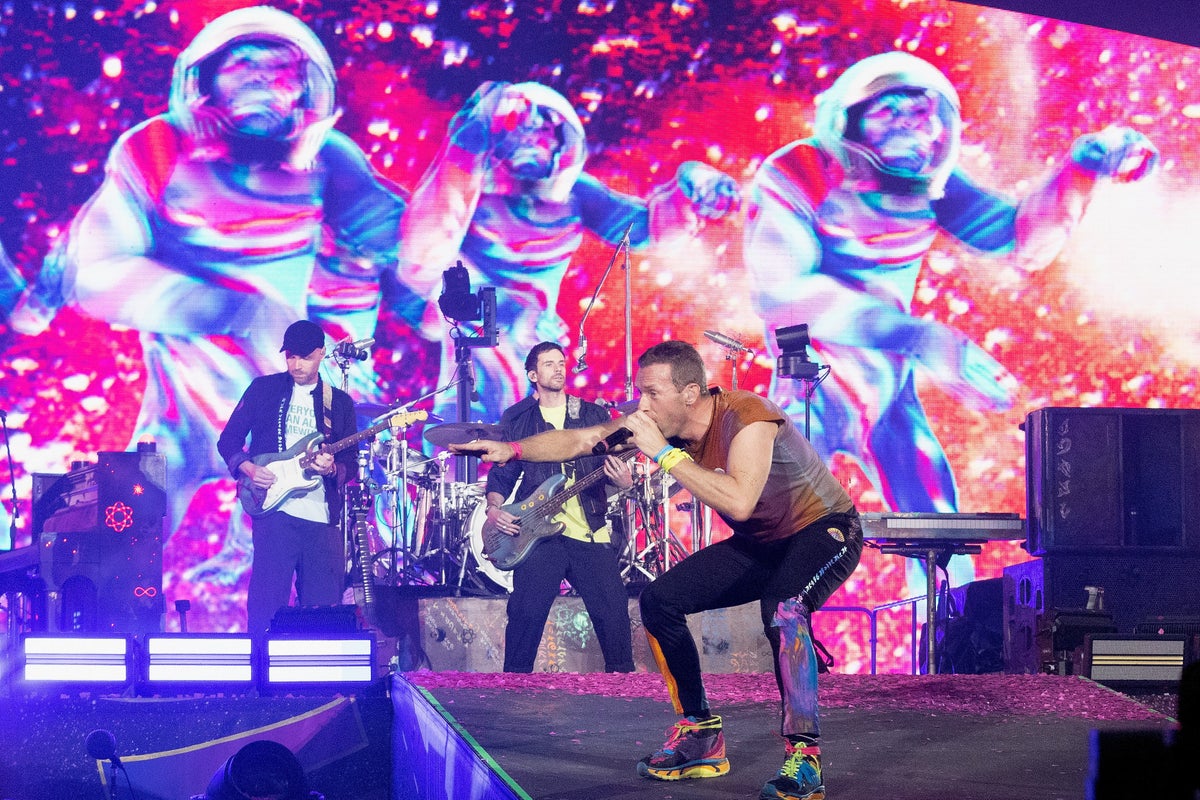
The Government has been urged to stick to its pledge to ban ticket touting amid concerns the policy will be left out of next month’s King’s Speech.
In November, the Government announced that new rules making it illegal to resell tickets for live events for profit would end the “industrial-scale” touting that has caused misery for millions of fans.
Ministers confirmed plans to make it illegal for tickets to concerts, theatre, comedy, sport and other live events to be resold for more than their original cost.
The Labour manifesto promised stronger protections to stop consumers being scammed or priced out of events by touts, who frequently use bots to buy tickets in bulk the moment they go on sale, which they can then sell on for huge mark-ups on secondary ticketing websites.
The proposed rules make it illegal for tickets to be sold at a price above the face value – defined as the original price plus unavoidable fees including service charges.
Service fees will be capped to prevent the price limit being undermined by platforms, which will have a legal duty to monitor and enforce compliance, and individuals will be banned from reselling more tickets than they were entitled to buy in the initial sale.
A host of globally renowned artists have backed the plan, including Radiohead, Dua Lipa and Coldplay.
Following a report in the Guardian that the minister responsible for the policy, Ian Murray, had told music industry groups not to worry if the measure was not part of the King’s Speech on May 13, the Government said it required new primary legislation that it was working to deliver at the earliest opportunity.
A Government spokeswoman said: “Ticket touts are a blight on the live events industry, causing misery for millions of fans.
“We set out decisive plans last year to stamp out touting once and for all, and we are committed to delivering on these for the benefit of fans and industry.”
The music industry and Which? raised concerns about the suggestion of any delay, as sites appeared to show touts selling tickets for the Radio 1 Big Weekend in Sunderland well above the two-ticket limit for buyers and at vastly inflated prices.
Annabella Coldrick, chief executive of the Music Managers Forum, said: “2026 was supposed to mark this Government moving ‘from announcements to action’ but we have little evidence of this to date.
“A ban on ticket touting was one of only two music-related commitments in the Labour manifesto, alongside fixing EU touring.
“These are widely supported, pro-growth measures that will deliver tangible benefits to the British public. However, if ticket resale legislation is not presented in the King’s Speech, it will have the opposite effect and continue to cost those constituents hundreds of millions of pounds a year.
“This Government needs to stand by its promises and get it done.”
Adam Webb, campaign manager at FanFair Alliance, said: “The Government has a big decision to make: will they ‘put fans first’ or not?
“Last November, ministers committed to ‘bold new measures’ to ban online ticket touting and support consumers.
“Enacting these measures should be a no-brainer but, if legislation is not presented in the upcoming King’s Speech, the cycle of industrial-scale exploitation will continue.”
Lisa Webb, consumer law expert at Which?, said: “The Government has promised to put fans first but, if this legislation is not included in the King’s Speech, the only ones celebrating will be the rip-off secondary ticketing websites and online touts.”
The approval came as Donald Trump is to attend a dinner with billionaire Paramount backers the Ellisons.
Source link

Meta says it will cut 8,000 jobs as AI spending grows

Trump orders Iran mine-layers sunk as Iran tolls tankers

Prince William sparks AI debate in motorsport with ‘weak link’ remark

-

 Fashion1 week ago
France’s LVMH Q1 revenue falls 6%, shows resilience amid Iran war
-

 Entertainment1 week ago
Is Claude down? Here’s why users are seeing errors
-

 Tech1 week ago
The Deepfake Nudes Crisis in Schools Is Much Worse Than You Thought
-

 Sports1 week ago
PSL 11: Peshawar Zalmi win toss, opt to field first against Quetta Gladiators
-
 Business1 week ago
Standard Life buys rival in £2b deal to create savings giant
-

 Tech1 week ago
CYBERUK ’26: UK lagging on legal protections for cyber pros | Computer Weekly
-

 Sports1 week ago
World Cup kit ranking: Which teams will look best in 2026?
-

 Politics1 week ago
Law firms helping migrants pose as gay to get asylum in UK: report