

Business
Stocks Of Indian Company, With Just 2 Workers, Shot Up 55,000% Over Something That It NEVER Manufactured!

Last Updated:
RRP Semiconductor Ltd.’s spectacular stock rally is making headlines, but the company isn’t what its name suggests.
There is an ongoing probe on the shocking share surge. (Representative Image)
The stock market can be full of surprises, but few stories are as bizarre as this one. An Indian company, RRP Semiconductor Ltd., has seen its stock soar by a mind-blowing 55,000% in just 20 months, all this while reportedly having just two employees. What makes the story even stranger is that, despite its name, the company does not manufacture semiconductors at all.
The sheer absurdity of such a small company seeing this kind of surge makes it one of the most surreal episodes in recent Indian stock market history.
Trading Restricted By Stock Exchanges
Trading in RRP Semiconductor Ltd. has now been restricted by stock exchanges. On the BSE, the stock’s page displays the notice, “Trading Restricted – on account of Surveillance Measure.” RRP Semiconductor has been placed under Stage 1 of the Long-term Additional Surveillance Framework and Stage 0 of the GSM framework, reported CNBC-TV18.
A 55,000% Rally That Defies Fundamentals
The over 55,000% in the 20 months till December 17 is by far the biggest gain worldwide among companies with a market value above $1 billion, reported Bloomberg. This is despite the company posting negative revenue in its latest financial results.
The jaw-dropping stock market story is also doing the rounds on Instagram. According to a reel, “Rs 10,000 invested in it would have grown to Rs 55 lakhs during this window.”
Name Change Sparks Frenzy
Until 2024, RRP was a little-known real estate firm called GV Trading and Agencies. Things changed when Rajendra Chodankar, the founder of RRP, struck a deal to take over GD Trading and Agencies by repaying a Rs 8 crore loan owed to its founders. Chodankar renamed the company RRP Semiconductor. That single word, semiconductor, proved to be a powerful magnet for retail investors.
As the reel explains, “The moment the word ‘semiconductor’ entered this company’s name, retail investors went crazy.”
The timing was perfect. Global chipmakers like NVIDIA were soaring, AI was dominating headlines and India had no listed pure-play semiconductor manufacturing companies. For many investors, this stock seemed like a rare entry point into a hot global theme.
Hype, Rumours, Star Power
Fuel was added by unverified claims swirling on social media, including false rumours of cricket great Sachin Tendulkar being associated with the company and talk of 100 acres of land being allotted.
The real driver of the dizzying rally lay elsewhere. According to September shareholding data, Chodankar and a few of his close associates hold over 90% of the shares, leaving very little free float in the market.
Myths Busted
The reel also busts the biggest myths outright. “The talks of Sachin Tendulkar, 100 acres of land, all of that is completely fake.”
The episode has become a cautionary tale for investors caught in the fear of missing out. The narrator says. “NVIDIA is up, AI is everywhere and India has no semiconductor stocks. But this is a classic example of that desperation being exploited.”
SEBI Launches Investigation
The Securities and Exchange Board of India (SEBI) has launched a probe into the company. The market regulator is examining the sharp rise in RRP’s shares for possible wrongdoing.
Delhi, India, India
December 20, 2025, 14:50 IST
Read More


Business
FPI May trade: Foreign portfolio investiors withdrew Rs 14,231 crore from Indian equities – The Times of India
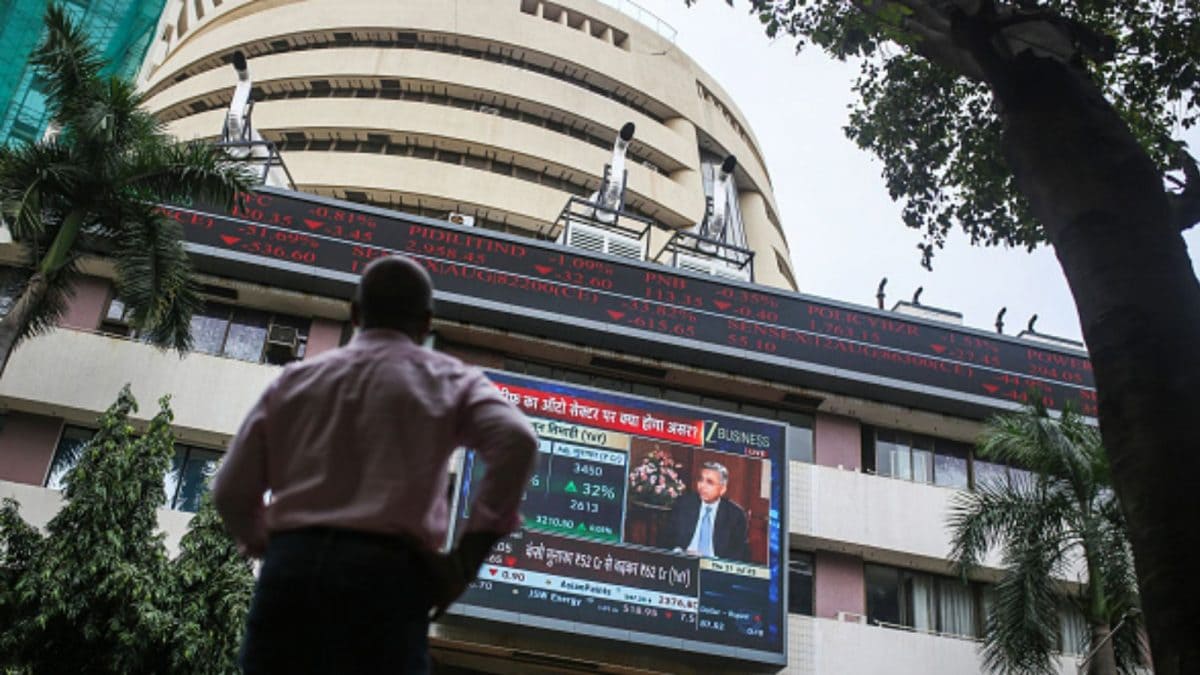
Foreign portfolio investors have extended their retreat from Indian equities in May, taking their total withdrawal from the market in 2026 beyond Rs 2 lakh crore as global economic concerns continue to drag down sentiment. Data from NSDL showed FPIs have pulled out Rs 14,231 crore so far this month, adding to a year marked by persistent selling pressure. The cumulative outflow this year has now surpassed the Rs 1.66 lakh crore foreign investors withdrew during the whole of 2025. The pattern through 2026 has largely remained negative, with February standing out as the lone exception. January opened with FPIs selling equities worth Rs 35,962 crore. In February, however, foreign investors briefly reversed course, bringing in Rs 22,615 crore, their biggest monthly investment in 17 months. That momentum did not last. March recorded the sharpest reversal, with a record Rs 1.17 lakh crore exiting Indian equities. April followed with another steep outflow of Rs 60,847 crore, while May has continued the same trajectory. “The selling was largely driven by persistent global macroeconomic uncertainties, particularly concerns around inflation, interest rates and geopolitical risks, which continued to weigh on sentiment toward emerging markets,” Himanshu Srivastava, Principal, Manager Research at Morningstar Investment Research India, said. According to Srivastava, uncertainty over how global interest rates will move remains central to foreign investor behaviour. High crude oil prices and unresolved geopolitical tensions, particularly in the Middle East, have kept inflation concerns elevated worldwide, forcing investors to reassess hopes of near-term rate cuts by major central banks. This backdrop has supported firm global bond yields, increasing the appeal of developed-market debt instruments while weakening investor appetite for emerging market equities such as India. He also said intermittent weakness in the Indian rupee has affected returns for overseas investors when measured in dollar terms. Even amid sustained selling, foreign investors have not completely stepped away from Indian markets. V K Vijayakumar, Chief Investment Strategist at Geojit Investments, said FPIs have shown selective interest in segments such as power, construction and capital goods. He noted that mid-cap and certain small-cap stocks with strong earnings and growth potential are also drawing investor attention. Vijayakumar said currency depreciation and concerns around India’s earnings growth have played a significant role in shaping FPI outflows this year. He added that markets like South Korea and Taiwan are currently seeing stronger FPI interest, supported by expectations of better earnings growth linked to the artificial intelligence boom.

Campaigners are calling for a ban on the use of the weedkiller over health concerns.
Source link
Business
Aramco CEO warns 1 billion barrels lost will slow oil market recovery | The Express Tribune
Saudi energy giant posts 25% jump in quarterly profit even as Hormuz blockade chokes global oil supplies
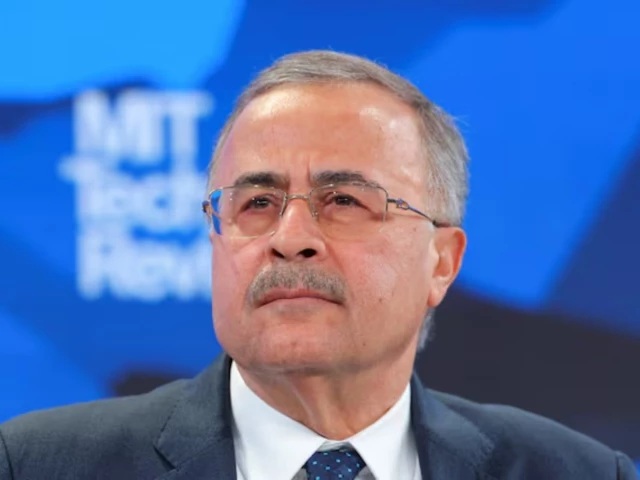
Aramco’s President and CEO Amin Nasser at the 56th annual World Economic Forum (WEF) meeting in Davos, Switzerland, on January 20, 2026. PHOTO: REUTERS
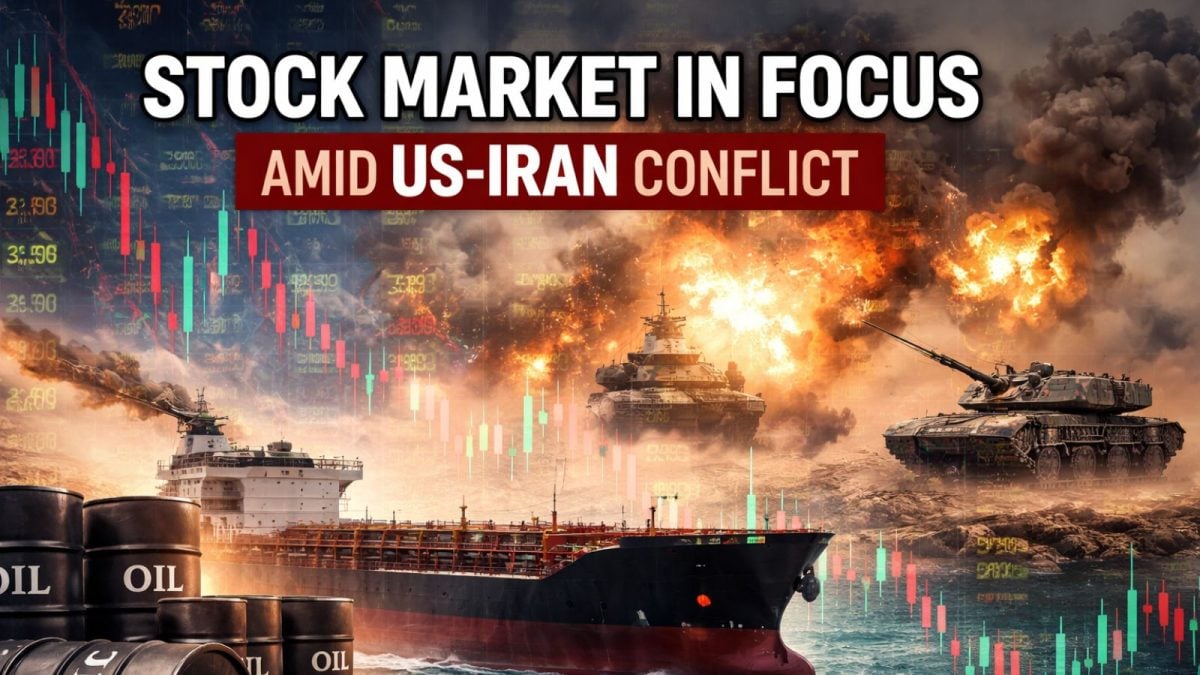
The world has lost about 1 billion barrels of oil over the past two months and energy markets will take time to stabilise even if flows resume, Saudi Aramco’s CEO said on Sunday, as shipping disruptions choke traffic through the Strait of Hormuz.
“Our objective is simple: keep energy flowing, even when the system is under strain,” Amin Nasser told Reuters in a statement after Aramco reported a 25% jump in net profit in its first-quarter.
Global energy supplies have been sharply squeezed by Iran’s blockade of the Strait of Hormuz, which has curtailed shipping and driven prices higher following the United States-Israeli war.
Read: Oil prices rise as investors weigh Middle East peace prospects
“Reopening routes is not the same as normalising a market that has been deprived of about one billion barrels of oil,” Nasser said, adding that years of underinvestment have compounded the strain on already-low global inventories.
Aramco has used its East-West Pipeline to bypass Hormuz and transport crude to the Red Sea, an asset Nasser described as a “critical lifeline” to mitigate the global supply crisis.
Despite shifts in shipping routes, Nasser reiterated that Asia remained a key priority for the company and was central to global demand.
Read More: Hormuz: the chokehold that shook the world
In March, Aramco warned of “catastrophic consequences” for the world’s oil markets if the Iran war continues to disrupt shipping in the Strait of Hormuz. Nasser stated that the longer the disruption goes on “the more drastic the consequences for the global economy.”
Further, he had stated, “While we have faced disruptions in the past, this one by far is the biggest crisis the region’s oil and gas industry has faced.”


Martin Short: Facing tragedy with joy

Main Marka-e-Haq ceremony gets underway at Pakistan Monument

Jacob Fatu unleashes vicious assault on Roman Reigns after World Heavyweight Championship loss at WWE Backlash

-

 Politics7 days ago
Iran weighs US reply delivered via Pakistan as Trump signals opposition to deal terms
-

 Fashion1 week ago
US’ J.Jill, Inc. appoints Kimberly Wallengren as CMO
-

 Fashion1 week ago
AAFA pushes for swift US House passage of key anti-counterfeiting law
-

 Fashion1 week ago
US cotton export sales show strong recovery, Upland rise 36%
-

 Sports1 week ago
Sajid Ali Sadpara summits world’s fifth-highest peak
-

 Politics1 week ago
Two women die on migrant boat seeking to reach UK
-
 Business1 week ago
UK airlines to be allowed to cancel flights in advance over fuel shortages
-

 Fashion1 week ago
ICE cotton witnesses sharp rise on weaker dollar, strong exports