

Business
India’s Love For Gold Pays Off: Wealth Creation, Portfolio Strategy, And What’s Next

Last Updated:
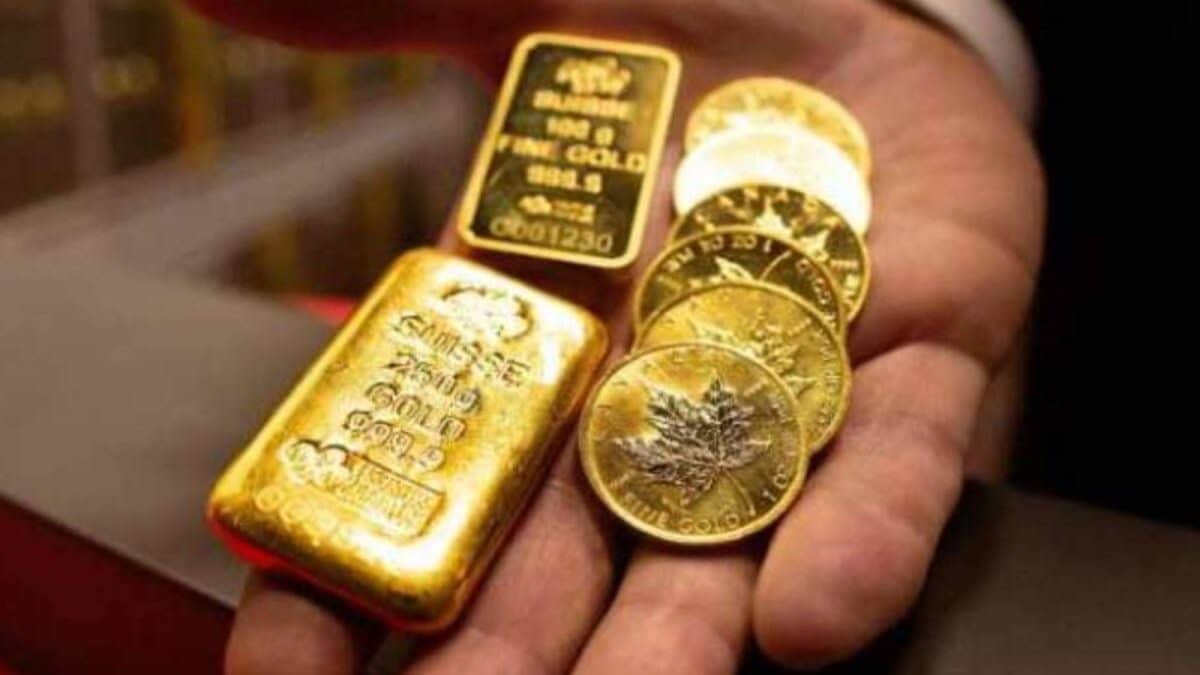
Estimates suggest that Indian households collectively hold around 25,000 to 30,000 tonnes of gold, one of the largest private holdings worldwide.

As 2026 unfolds, Indian investors should anticipate gold maintaining its strategic importance amid fluctuating economic conditions.
Written By Sachin Sawrikar:
Diamonds may have been marketed by De Beers as a woman’s best friend but in so far as Indian women are concerned, it’s gold that has forever held sway over their hearts. Beyond just the utility of gold as jewellery to be flaunted as a status symbol, this non-depreciating asset (unlike a fancy car or a top-end iPhone model, for instance) has had a transformative impact on the wealth of Indian households.
Massive Wealth Creation: $792 Billion Appreciation Since 2011
Between 2011 and 2024, India imported substantial quantities of gold. While these imports initially contributed to widening the trade deficit, the dollar value of these holdings has appreciated dramatically. At current prices near $4,211 per ounce, gold imported during this period has gained about $1.085 trillion in value, an aggregate increase of around 175%.
| Year | Imported Gold (tonnes) | Import Value (USD bn) | Current Value (USD bn) | Gain (USD bn) | Gain (%) |
|---|---|---|---|---|---|
| 2011 | 1,081.78 | 53.92 | 146.27 | 92.35 | 171% |
| 2012 | 982.69 | 52.77 | 133.03 | 80.27 | 152% |
| 2013 | 832.87 | 39.18 | 112.75 | 73.57 | 188% |
| 2014 | 798.40 | 31.21 | 107.98 | 76.77 | 246% |
| 2015 | 1,047.15 | 35.02 | 141.66 | 106.64 | 304% |
| 2016 | 668.27 | 23.11 | 90.42 | 67.31 | 291% |
| 2017 | 1,032.93 | 36.29 | 139.74 | 103.45 | 285% |
| 2018 | 945.02 | 31.79 | 127.93 | 96.14 | 302% |
| 2019 | 836.41 | 31.24 | 113.15 | 81.91 | 262% |
| 2020 | 430.10 | 21.96 | 58.16 | 36.20 | 165% |
| 2021 | 1,067.70 | 55.70 | 144.42 | 88.72 | 159% |
| 2022 | 763.00 | 38.70 | 103.25 | 64.55 | 167% |
| 2023 | 800.00 | 47.00 | 108.22 | 61.22 | 130% |
| 2024 | 802.80 | 52.00 | 108.80 | 56.80 | 109% |
This gain alone exceeds India’s current foreign exchange reserves, highlighting gold’s extraordinary role as a store of wealth. The total current valuation of India’s gold holdings imported since 2011 stands close to $1.6 trillion. Even gold imported in 2024, valued at $52 billion at the time, is now worth over $108 billion, underscoring gold’s enduring ability to generate wealth. Ironically, many market commentators at the time expressed concern over the impact of gold purchases on India’s forex reserves and trade deficit, not fully appreciating the long-term wealth creation these imports have enabled.
Re-Exports and India’s Role as a Global Jewellery Hub
A portion of this imported gold has been re-exported as jewellery, reflecting India’s global status as a leading hub for craftsmanship and trade. While this flow partially offsets import volumes, it does not diminish the substantial domestic stockpile that forms a cornerstone of financial security for Indian households and institutions alike.
25,000-30,000 Tonnes of Gold Held by Households
Estimates suggest that Indian households collectively hold around 25,000 to 30,000 tonnes of gold, one of the largest private holdings worldwide. At current prices, this translates to roughly $3.4 trillion to over $4.1 trillion in value, making gold one of the most significant components of household wealth in India. This immense stockpile reinforces why gold continues to occupy a central place in Indian culture, savings, and investment portfolios.
A Blockbuster 2025 and the Outlook for 2026
Gold experienced a blockbuster performance in 2025, driven by ongoing geopolitical tensions, elevated inflation concerns, and sustained central bank purchases. For Indian investors, the year was especially rewarding, with gold prices rallying sharply, reaffirming gold’s timeless appeal as both a safe haven and wealth preserver. Globally, the metal’s value benefited from persistent macroeconomic uncertainty, while in India, steady demand from festivals, weddings, and investments kept momentum strong.
Looking ahead to 2026, the outlook for gold remains positive but nuanced. Factors such as central banks’ monetary policies, currency fluctuations, and inflation trends will largely determine gold’s trajectory. Should inflation prove more persistent than expected, gold will continue to serve as a vital hedge against purchasing power erosion. Conversely, aggressive interest rate hikes may introduce short-term pressure on prices, though gold’s intrinsic qualities as a tangible, non-yielding asset will preserve its long-term role in diversified portfolios. Moreover, geopolitical tensions and financial market volatility will remain key drivers of safe-haven demand.
Portfolio Allocation: 5-10% Recommended
Regarding portfolio allocation, financial planners generally recommend allocating between 5%-10% of one’s investment portfolio to gold. This allocation balances gold’s role as a stable hedge and inflation protector with growth-oriented assets like equities. Investors already holding substantial physical gold might diversify by adding gold based funds to improve liquidity and manageability. Ultimately, gold’s unique qualities, capital preservation, inflation hedging, and crisis resilience, make it indispensable in a balanced investment strategy.
New Opportunities Through GIFT City
For investors seeking exposure to gold in 2026, various avenues exist. Resident Indians can consider sovereign gold bonds, gold ETFs, and digital gold platforms, which offer liquidity, convenience, and tax advantages. While the first two are well regulated, there is considerable merit in being sanguine about the latter. So far, investors have not been able to use the GIFT City route to invest in international gold funds, passive or active, that offer exposure to both a hard currency, such as the US dollar and international gold price indexation.
With a change in regulations by the IFSCA, the regulator of the GIFT city, licensed fund management entities now have the ability to launch schemes that invest in commodities such as precious metals. Soon, investors will have exciting new options with the upcoming launches of gold funds domiciled in GIFT City that will allow NRIs and resident Indians to invest in professionally managed physical gold-backed funds through regulated vehicles that offer transparency and global standards.
As 2026 unfolds, Indian investors should anticipate gold maintaining its strategic importance amid fluctuating economic conditions. While price volatility is inevitable, gold’s combination of cultural significance, global macroeconomic dynamics, and its massive accumulated value, ensures it remains a vital component of wealth preservation and portfolio diversification. Leveraging modern investment products alongside traditional holdings will enable investors to optimise returns while managing risks.
(The author is the managing partner of Artha Bharat Investment Managers IFSC LLP)
 Click here to add News18 as your preferred news source on Google.
December 27, 2025, 13:48 IST
Read More

Business
Rivian renegotiates DOE loan down to $4.5 billion, adjusts capacity plans for Georgia plant

Rivian Automotive on Thursday said it has renegotiated a $6.57 billion loan from the U.S. Department of Energy down to $4.5 billion and is adjusting its production expectations at an under-construction plant in Georgia.
The DOE loan was previously set to support two phases of production for a total of 400,000 units annually. The amended loan covers one phase of production with a total capacity of 300,000 vehicles, the company said Thursday.
The changes enable Rivian to draw on the loan sooner and have greater initial production but lowers its total production capacity for the plant amid uncertain demand for all-electric vehicles.
The initial loan terms were negotiated under the Biden administration. It had been in limbo under the Trump administration, which has taken action to cut or reduce such loans and has pulled back government investments to promote EVs.
Rivian said it plans to tap into the loan in 2027, a year ahead of previously scheduled. The automaker also said production of the company’s upcoming R2 electric vehicle is on track to begin at the facility in late 2028, following its recent start to production at its current facility in Normal, Illinois.
Rivian CEO RJ Scaringe on Thursday told CNBC’s Phil LeBeau that any future expansion of the Georgia plant would be funded by the company, which has been raising capital through partnerships with companies such as Volkswagen and Uber.
The EV maker announced the new loan details in connection with its first-quarter results, which included a net loss of $416 million, or 33 cents per share, down from a loss of $541 million, or 48 cents per share, a year ago. Those per-share results were not comparable to Wall Street expectations.
Rivian’s revenue for the quarter was $1.38 billion, up from $1.24 billion a year earlier and slightly ahead of the $1.36 billion expected by analysts, according to LSEG.
The company’s gross profit, which is closely watched by investors, was $119 million — down $87 million during the first quarter compared with a year earlier. That included a $62 million loss for its automotive segment and a $181 million profit for its software and services division.
The decline in automotive profit was primarily due to a $100 million slump in sales of automotive regulatory credits and lower production volumes, Rivian said.
Business
Trump lifts whiskey tariffs: Scotland–Kentucky trade eased after King Charles & Queen Camilla US visit – The Times of India

US President Donald Trump on Thursday announced that he would remove tariffs and restrictions on whiskey linked to trade between Scotland and the US state of Kentucky.In a post on Truth Social he wrote, “In Honor of the King and Queen of the United Kingdom, who have just left the White House, soon headed back to their wonderful Country, I will be removing the Tariffs and Restrictions on Whiskey having to do with Scotland’s ability to work with the Commonwealth of Kentucky on Whiskey and Bourbon, two very important Industries within Scotland and Kentucky. People have wanted to do this for a long time, in that there had been great Inter-Country Trade, especially having to do with the Wooden Barrels used. The King and Queen got me to do something that nobody else was able to do, without hardly even asking! A wonderful Honor to have them both in the USA.”This comes after King Charles and Queen Camilla visited the White House on a state visit, during which trade ties and cultural relations between the United Kingdom and the United States were discussed. The visit also included conversations around strengthening economic cooperation between key industries in both countries.According to Trump’s post, the decision was influenced by long-standing trade links between Scotland’s whisky industry and Kentucky’s bourbon sector, particularly the exchange of materials such as wooden barrels used in production. He also suggested that the royal visit played a role in encouraging the policy shift.The announcement comes against the backdrop of earlier tariff measures introduced by the Trump administration in 2025, which included a 10% baseline tariff on most British goods. Those measures had raised concerns in the Scotch whisky industry, which relies heavily on exports, particularly to the United States.Trade representatives had earlier warned that such tariffs could increase pressure on distillers and impact a sector that depends significantly on international markets.Following the latest announcement, the move is expected to be welcomed by the whisky industry. Industry representatives said distillers would be able to “breathe a little easier during a period of significant pressure on the sector,” Reuters reported.
Business
Domestic Urea Production: Monthly domestic urea output back to last year’s levels – The Times of India
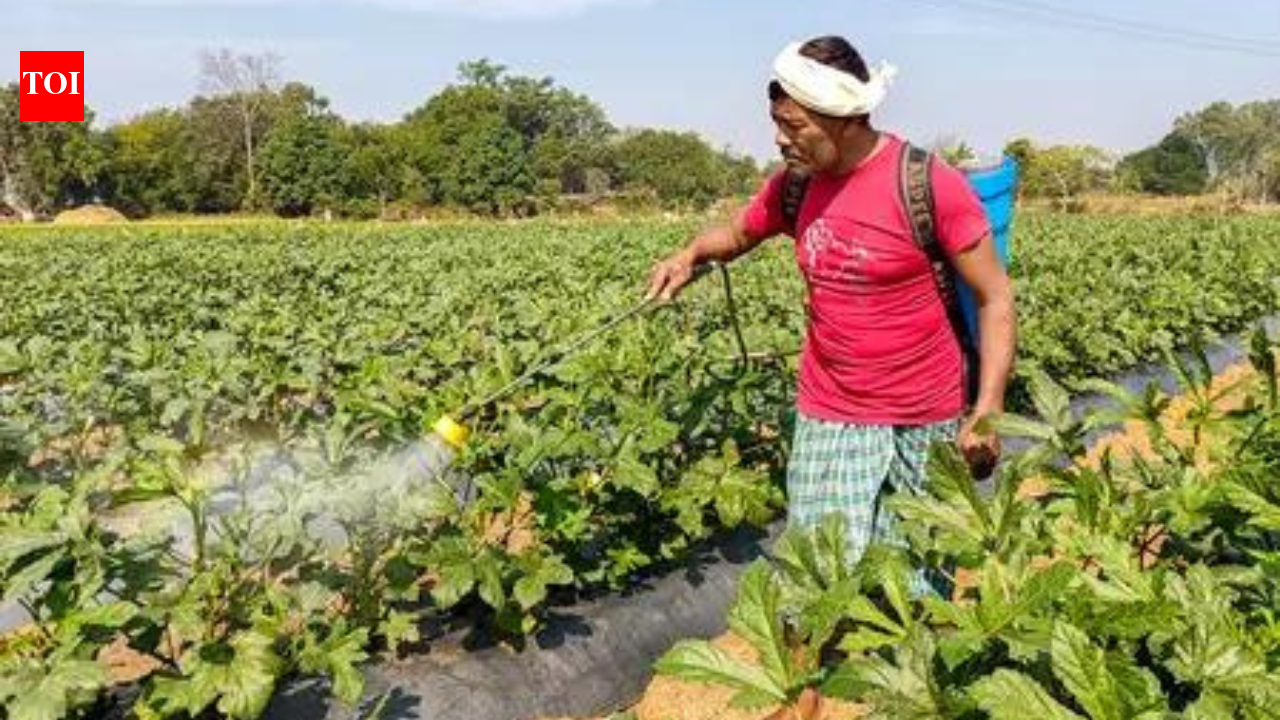
NEW DELHI: Monthly domestic urea production has rebounded to last year’s levels, fertiliser ministry said on Thursday, noting that output of the most widely used soil nutrient reached 21 lakh tonnes in April, which was the same as the level recorded a year earlier.In March, domestic urea output had tumbled to around 16 lakh tonnes due to the West Asia conflict disrupting LNG supplies. Up to 97% of natural gas supply has now been restored. In April last year, domestic urea production was close to 22 lakh tonne.Aparna Sharma, additional secretary in fertiliser ministry, said increased domestic production, robust opening stock and assured imports of soil nutrients will be enough to meet the requirement for kharif crops. She added that since the beginning of conflict, 78 lakh tonnes of fertilisers — urea, Diammonium Phosphate (DAP), Nitrogen (N), Phosphorus (P) and Potassium (K) or NPKs, and Single Super Phosphate (SSP) — have been added to the stock through domestic production and imports.She said, “Fertiliser availability remains robust, and supplies continue to exceed the requirement.” As of Thursday, the overall stock stood at 193.8 lakh tonnes, which is 50% of the estimated demand of 320 lakh tonnes for the entire kharif season.Government has maintained that despite the spike in global prices of key fertilisers, retail prices have been kept unchanged to ensure farmers don’t get impacted.

Rivian renegotiates DOE loan down to $4.5 billion, adjusts capacity plans for Georgia plant

‘Vampire Diaries’ Ian Somerhalder had to sell ‘everything’: Here’s why
Trump lifts whiskey tariffs: Scotland–Kentucky trade eased after King Charles & Queen Camilla US visit – The Times of India

PSL 11: Hyderabad Kingsmen opt to field after winning toss against Multan Sultans

Trump administration in advanced talks for a rescue package for Spirit Airlines, source says
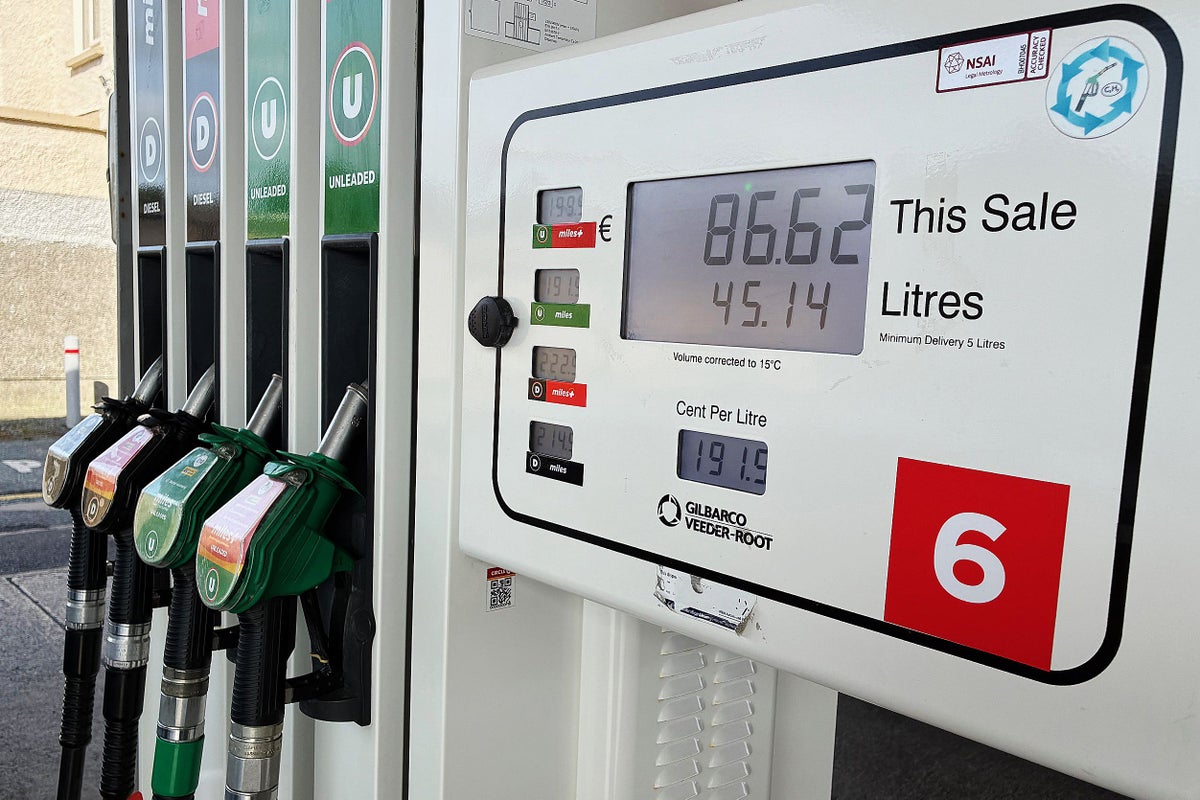
UK inflation accelerates after Iran war drives sharp rise in fuel prices

-
 Sports1 week ago
PSL 11: Hyderabad Kingsmen opt to field after winning toss against Multan Sultans
-
Business1 week ago
Trump administration in advanced talks for a rescue package for Spirit Airlines, source says
-
Business1 week ago
UK inflation accelerates after Iran war drives sharp rise in fuel prices
-

 Entertainment1 week ago
Anne Hathaway shares major news about ‘Princess Diaries 3’
-

 Tech1 week ago
Microsoft faces court battle in £2bn Windows Server class action | Computer Weekly
-
 Business1 week ago
Gold prices in Pakistan Today – April 23, 2026 | The Express Tribune
-

 Tech1 week ago
Blackbox replaces two racks of HPE storage with 8U of Everpure | Computer Weekly
-

 Fashion1 week ago
Bangladesh RMG units call for allowing local FOC raw material sourcing