

Politics
UAE urges political solutions for Gaza and Iran, warns against new wars

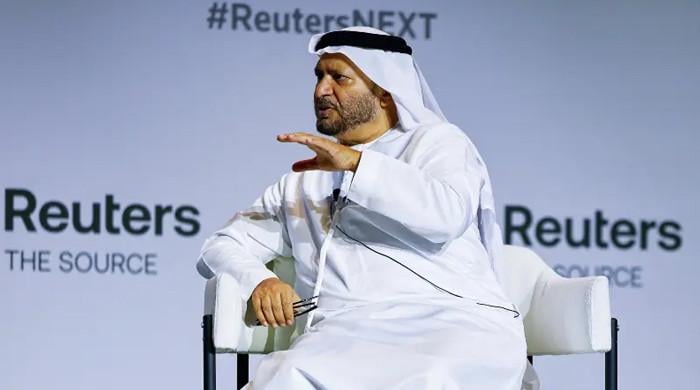
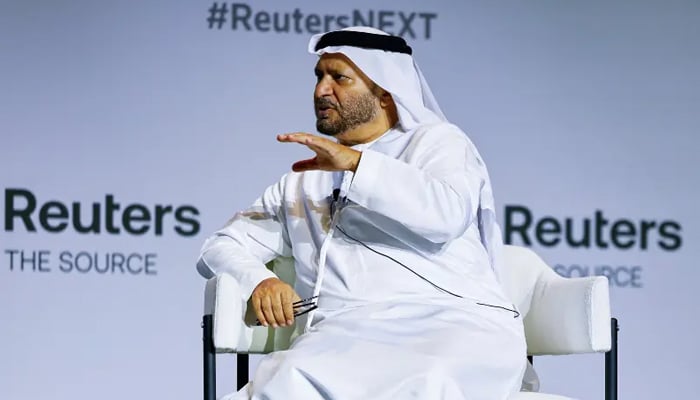
DUBAI: The United Arab Emirates (UAE) has warned that stabilising Gaza requires simultaneous progress on Palestinian statehood and Israeli security, built through regional and international cooperation, saying that the same political urgency is required to prevent tensions with Iran from spiralling into another Middle East crisis.
The message was delivered by Dr Anwar Gargash, diplomatic adviser to UAE President Sheikh Mohamed bin Zayed Al Nahyan, during a session at the World Government Summit in Dubai on Tuesday, where he said the region could not afford to deal with either Gaza or Iran through force or repeated confrontation.
“The way forward in Gaza is political,” Gargash said. “The Middle East has already witnessed calamitous confrontations, and it does not need another escalation, whether in Gaza or with Iran.”
He said any sustainable outcome for Gaza must emerge from a joint framework involving Palestinians, Egypt, Israel, Jordan and key international partners, with the United States playing a central role in shaping a political settlement.
Gargash reiterated that the UAE has no ambition to administer Gaza, rejecting speculation that Abu Dhabi could take on a civilian governing role in the enclave.
“The UAE has no separate national agenda for Gaza,” he said, adding that while the country remains a major humanitarian donor, governance and reconstruction must be rooted in a broader political process.
Turning to Iran, Gargash said unresolved tensions over Tehran’s nuclear programme and regional posture risk opening a second major crisis in a Middle East already shaken by the Gaza war.
“From everything that I know, Iran today needs to reach a deal,” he said, pointing to the economic pressure and geopolitical strain facing Tehran. He added that rebuilding Iran’s relations with the United States through a broader political and geostrategic agreement was essential for long-term stability.
He called for direct US-Iran negotiations, warning that without an understanding, Iran’s nuclear file would remain a persistent source of instability for the region.
Gargash said the same principle applied to both files: Gaza’s future and Iran’s nuclear dispute must be resolved through political processes rather than open-ended confrontation.
A credible path towards Palestinian statehood that guarantees Israel’s security, alongside a deal that curbs Iran’s nuclear ambitions and eases its isolation, would help defuse regional tensions and create space for reconstruction and economic recovery, he said.
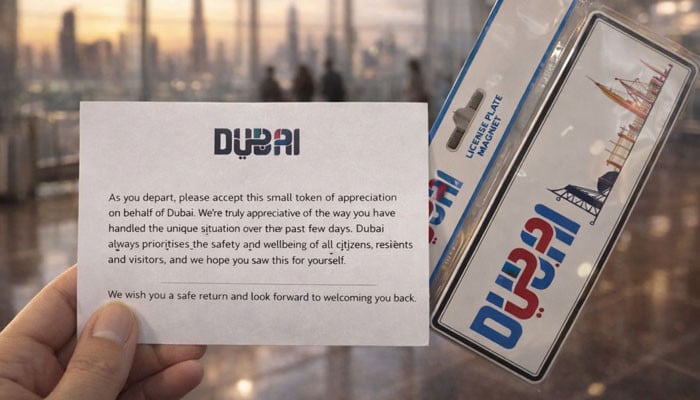
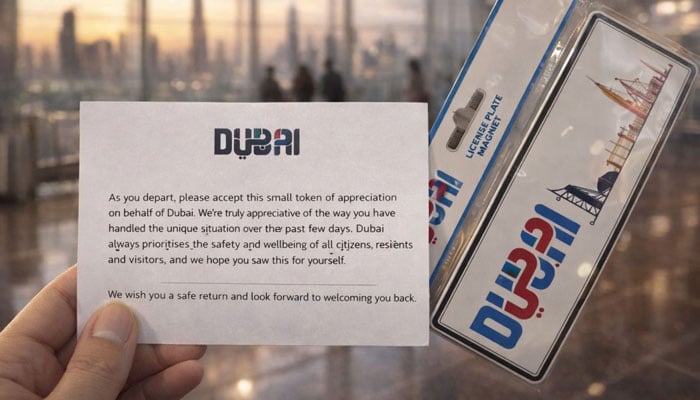
Dubai: Dubai has introduced a thoughtful gesture to express care and appreciation for travellers, offering departing passengers souvenir gifts and thank-you messages as regional tensions continue.
Dubai authorities said the initiative reflects gratitude for visitors’ patience and cooperation during a period of heightened security concerns, while reaffirming the emirate’s commitment to safety and well-being.
At Dubai Airports, passengers leaving the city are being handed small tokens of appreciation along with printed cards thanking them for their understanding and wishing them a safe journey home, while expressing hope to welcome them back soon.
Although no formal statement has been issued, the move appears aimed at maintaining traveller confidence and reinforcing Dubai’s image as a reliable global hub.
Airport operations have continued with some disruption despite the regional situation, supported by contingency planning and enhanced safety measures for residents and international travellers alike.
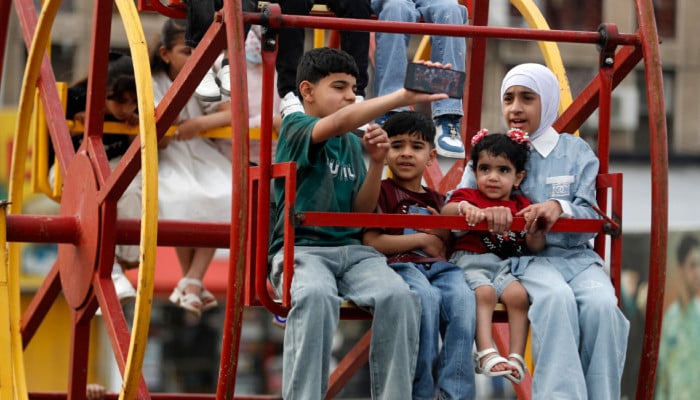
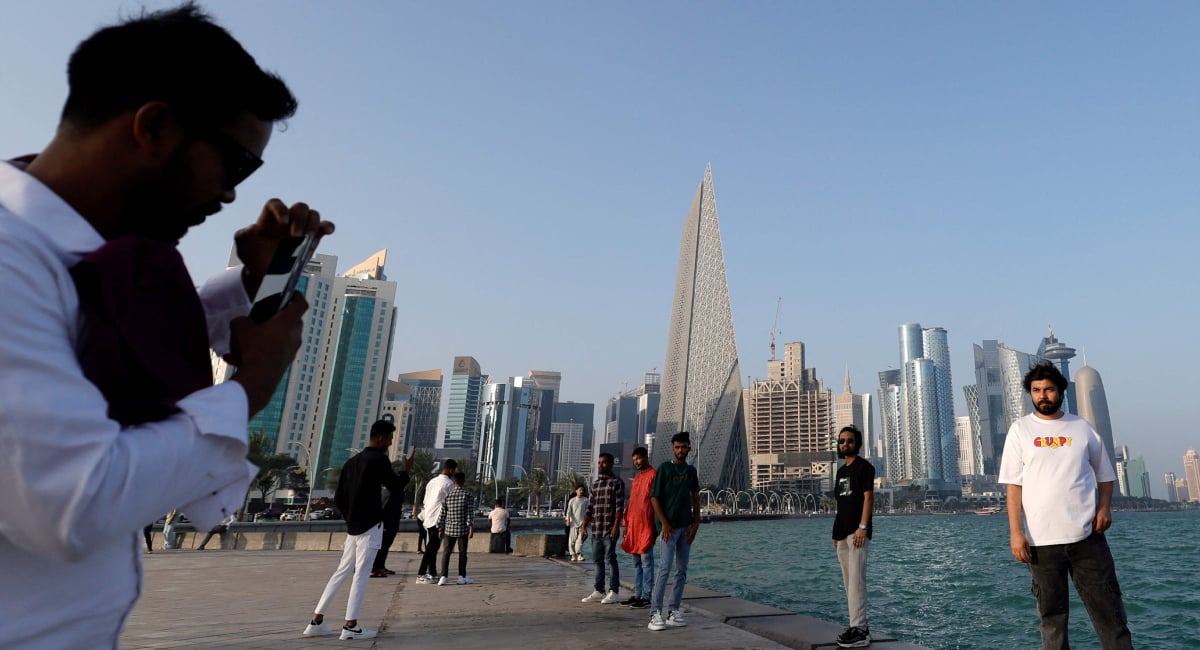
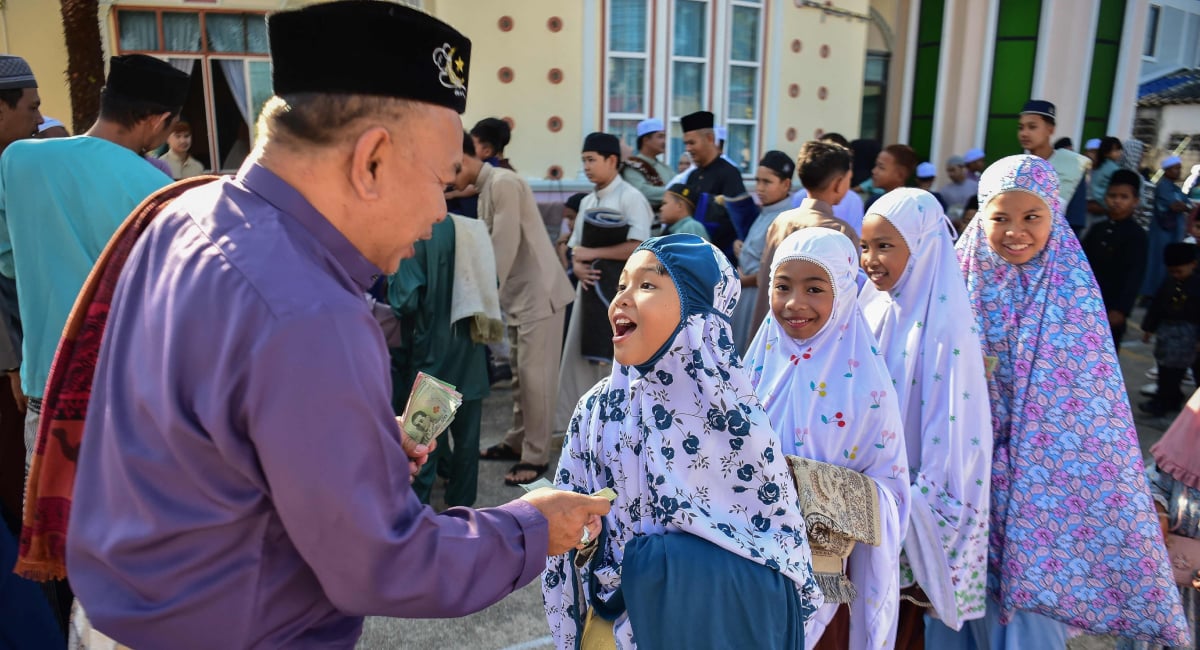
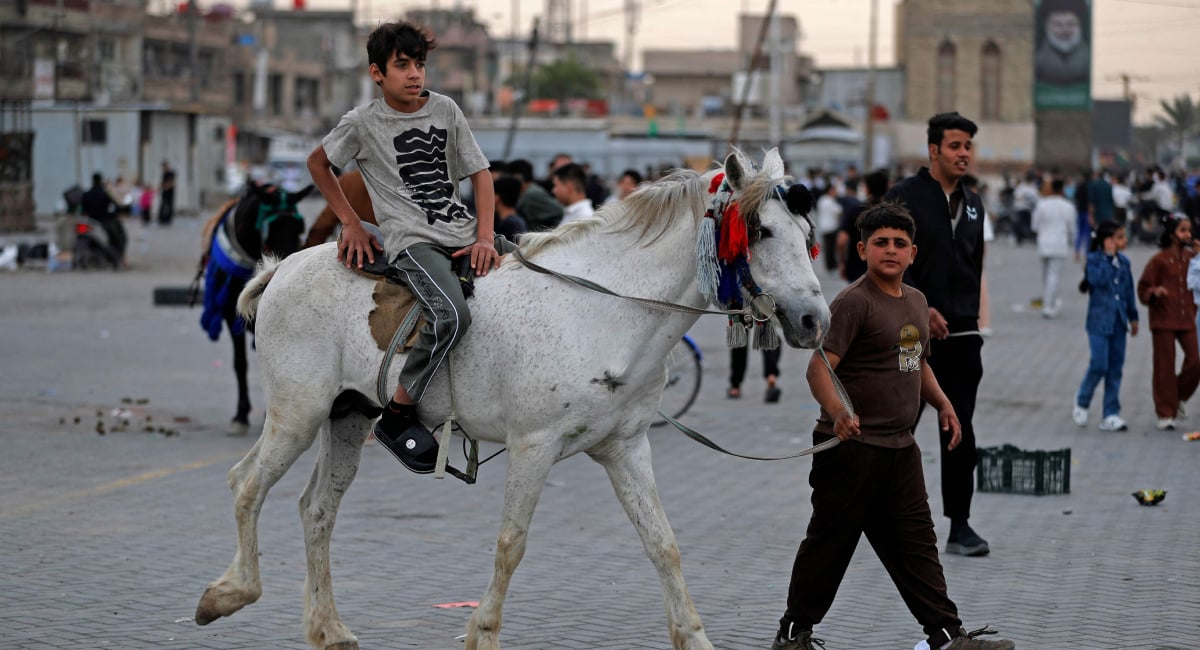
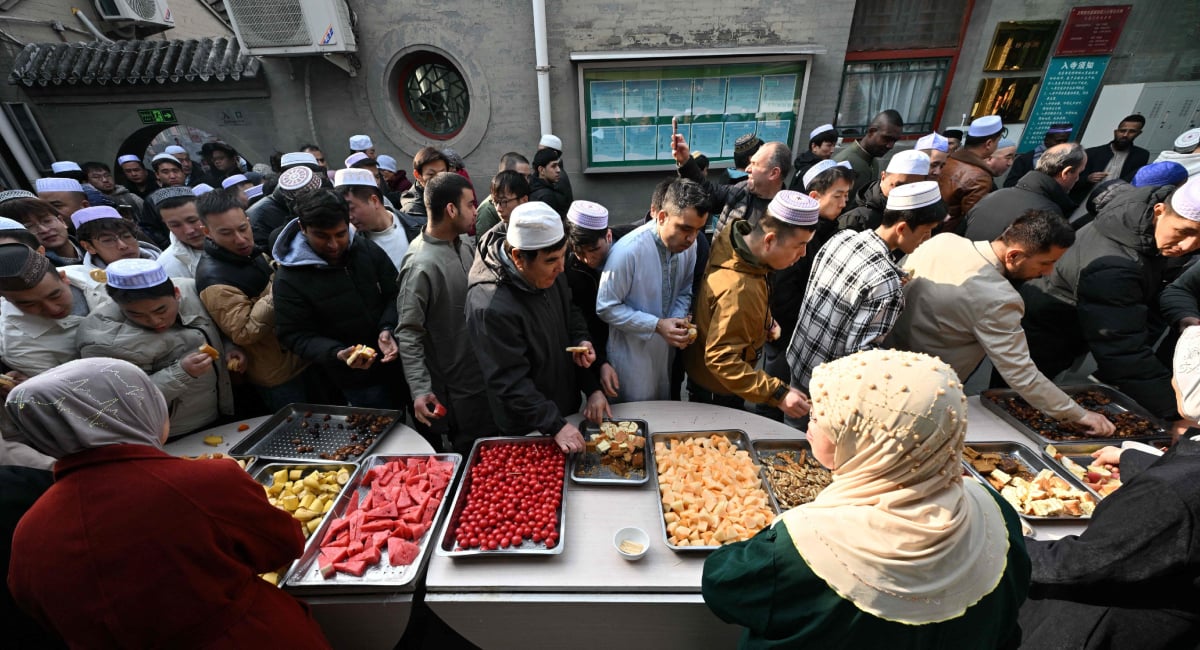
Muslims across the world are celebrating Eid ul Fitr with traditional zeal and fervour, marking the end of the holy month of Ramadan.
Families and communities are coming together for prayers, feasts, and charitable giving, reflecting on a month of fasting, spiritual reflection, and devotion. The celebrations are filled with joy, greetings of “Eid Mubarak,” and acts of kindness that highlight the essence of the festival.




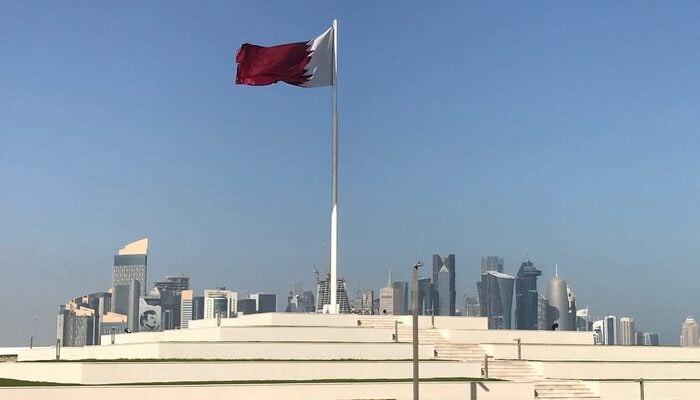
Rescuers were searching for the crew and passengers of a Qatari military helicopter that crashed in the Gulf state´s waters after a “technical malfunction”, the government said early Sunday.
“A Qatari helicopter had a technical malfunction during a routine duty, which led to its crash in the regional waters of the State,” Qatar’s defence ministry said in a statement posted to X. “Searching operation for its crew members and passengers is in progress.”
The interior ministry said that several specialised teams have been deployed.
Qatar has not specified where the helicopter was flying or the number of people on board.
While Qatar has been targeted by several strikes since the start of the Middle East war, no connection has been made between this chopper and the conflict triggered by US-Israeli attacks on Iran.


MAC entices staff to transform into TikTok live shopping hosts

Oil prices surge after Trump issues Iran ultimatum

Tom Holland supports Zendaya for ‘The Drama’ before premiere

Tips and Advice for Buying Used or Refurbished Electronics

UAE savings strategies 2026 explained: Best apps, tools, budget rules and smart money hacks to beat rising cost of living in emirates – The Times of India

US court to review de minimis ban on imports from China & Hong Kong

-
 Tech1 week ago
Tips and Advice for Buying Used or Refurbished Electronics
-
Business1 week ago
UAE savings strategies 2026 explained: Best apps, tools, budget rules and smart money hacks to beat rising cost of living in emirates – The Times of India
-
 Politics1 week ago
Iran threatens US-linked oil facilities after Kharg Island bombed
-
 Fashion1 week ago
US court to review de minimis ban on imports from China & Hong Kong
-

 Sports1 week ago
Japan suffers shocking collapse to Venezuela in World Baseball Classic
-
 Politics1 week ago
How can US get out of Iran war?
-
 Entertainment1 week ago
Strategic oil stocks to be released ‘immediately’ in Asia and Oceania: IEA
-
 Entertainment1 week ago
Iran at war