

Business
Social media ads for prescription-only weight-loss medicines banned

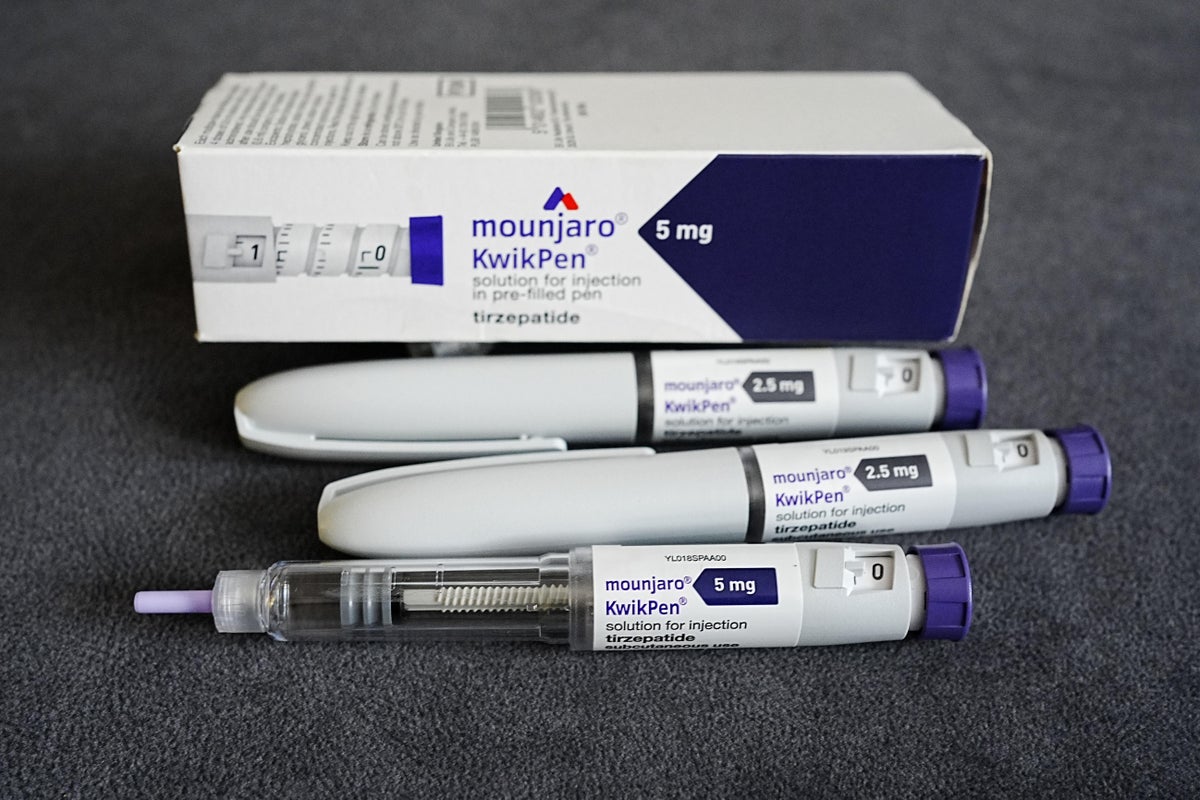
The first Instagram, TikTok and Facebook posts by members of the public promoting weight-loss jabs have been banned by the advertising regulator.
The posts used discount codes and referral links to advertise the injections, including Mounjaro, for the online pharmacies Voy, Zava, MedExpress and the online prescribing service UK Meds Direct, the Advertising Standards Authority (ASA) said.
Weight-loss injections are a prescription-only medicine and therefore cannot be advertised to the public.
Affiliate or referral schemes typically allow individuals to share links or discount codes and give them a reward or other benefit if someone else uses them.
The ASA warned that, in practice, this could mean members of the public promoting prescription-only medicines to friends, family, followers and the public, sometimes without realising that their posts may be ads or that strict rules apply to them.
The regulator said its rulings made clear that both brands and individuals are responsible for sticking to advertising rules, and that posts that include affiliate or referral schemes can still count as ads, even if they appear on personal social media accounts.
The banned posts promoted the medicines by naming them directly, using related hashtags, showing images of injection pens or encouraging followers to start their own weight-loss ‘journey’, alongside offering discounts or incentives.
The ASA ruled that they were advertising prescription-only medicines because they were public posts.
It also found that although the companies had not directly asked for the posts to be made, they did control how their affiliate and referral schemes worked.
This meant they were also responsible for making sure the advertising rules were followed.
The ASA warned that weight-loss prescription drugs were powerful medicines that should be used only under the supervision of a qualified medical professional, adding: “Promoting them irresponsibly and illegally can put people at serious risk, which is why this is a priority area for us.”
Catherine Drewett, investigations manager at the ASA, said: “Today’s rulings send a clear message that affiliate marketing is not a loophole and that promoting prescription medicines through social media, whether as a brand, influencer or customer, is against the law and our rules.
“We’ll continue take swift action in this area to make sure the rules are followed and that people are protected from harmful and irresponsible ads.”
A spokeswoman for Voy said: “The posts referenced in the ruling were made independently by customers of our service back in 2024 as part of a referral scheme for our weight-loss programme.
“These posts were first brought to our attention in June 2025, and since we have strengthened our controls around referral activity and influencer engagement. Clinical decisions — including whether medication is suitable — are always made privately between patients and qualified clinicians, and no influencers or referrers play any role in diagnosis, prescribing or medical advice.”
Zava said: “We are committed to being a responsible and compliant healthcare organisation that follows regulation and guidance from the ASA.
“While we were disappointed by the ruling, we note that we had no commercial or affiliate relationship with the social media users who created the posts in question, and as a business we do not have oversight or control over content shared independently by members of the public on their own social media channels.”
Julian Beach, interim executive director of healthcare quality and access at the Medicines and Healthcare products Regulatory Agency (MHRA), said: “We welcome today’s rulings from the ASA. Prescription-only weight-loss medicines carry real risks and must only be prescribed following a proper clinical assessment.
“The promotion of these medicines through affiliate schemes and social media circumvents important safeguards that exist to protect patients.
“We will continue to work closely with the ASA and General Pharmaceutical Council (GPhC) to take action against those who break the rules and put people’s health at risk.”
Dionne Spence, chief enforcement officer at the GPhC, said: “These rulings from the ASA send a clear message that online providers are responsible for making sure that advertising rules are followed, including when working with individuals through affiliate or referral schemes.
“We welcome the action taken by the ASA and we have taken action to follow up with the pharmacies registered with us.”
Business
Fuel price hike impact: How it will change what you eat, how you travel and what you can afford

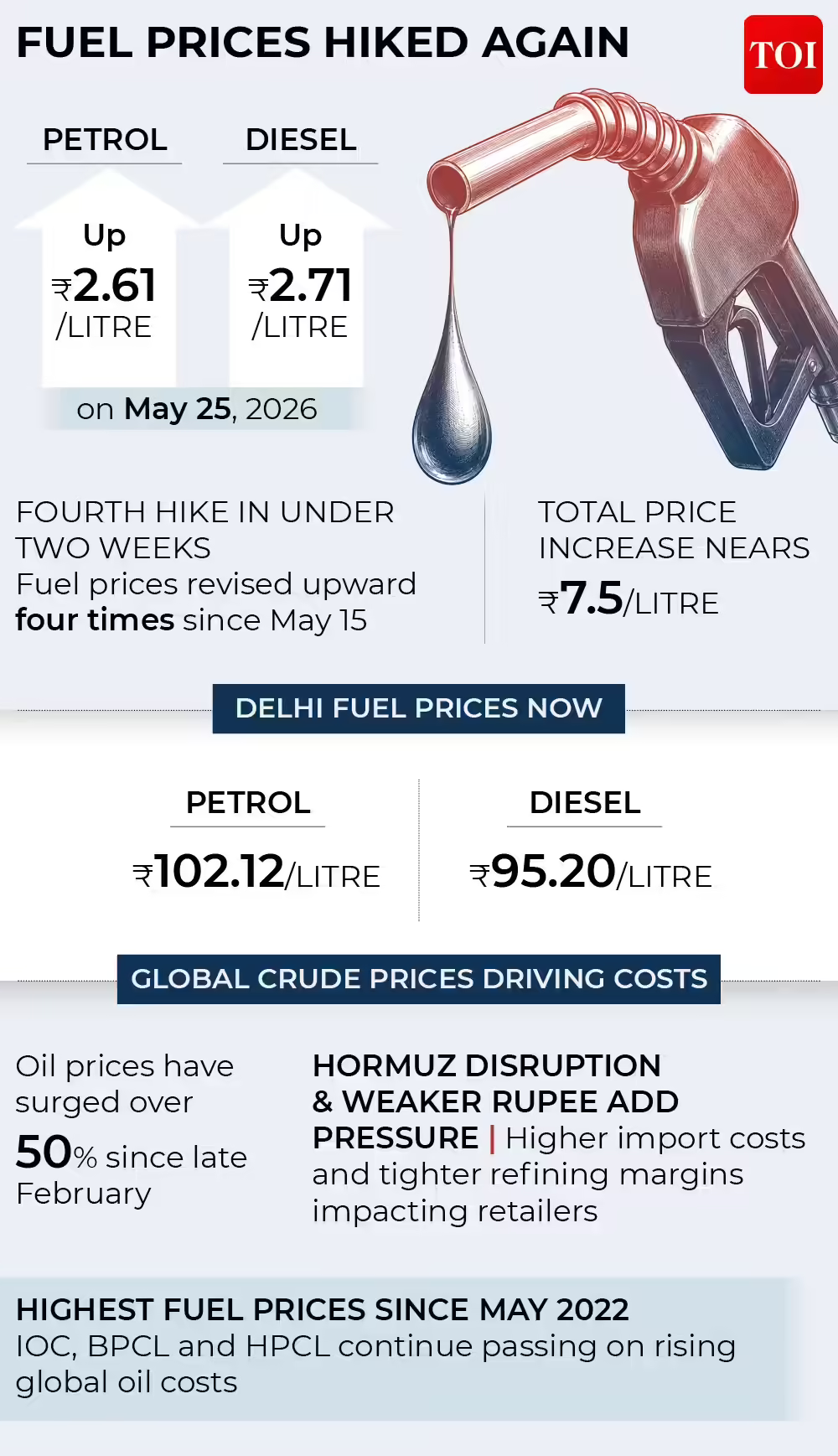
Your next trip to the fuel station just got more expensive!Fuel prices across the nation saw another revision, now becoming costlier by Rs 7.5 per litre since the Middle East crisis began. Early Monday, petrol prices were hiked by Rs 2.61 per litre, while diesel prices were increased by Rs 2.71, marking the fourth increase in just ten days.These back-to-back revisions are now raising concerns over a ripple effect on household budgets, inflationary pressures, and everyday commuting costs, leaving consumers to quietly do the math all over again.The latest round of price hikes comes against the backdrop of the ongoing conflict in the Middle East, which has tightened global energy supplies. With crude shipments under pressure and geopolitical tensions showing little sign of easing, international oil prices have been trending higher, with the impact steadily filtering into domestic retail markets.Retail fuel prices had remained largely unchanged for nearly four years before the first hike on May 15, making the sharp, fortnight-long surge in prices all the more striking.Prices continue to vary across states due to differing local taxes.

Impact of rising petrol and diesel prices
Impact on transportation
Transportation is the first and most direct sector to feel the impact of petrol and diesel price hikes. Your drive to the office, that weekend road trip, and quick grocery run — everything will now cost slightly more. With the latest increase, transporters are under significant operational pressure after four rapid fuel revisions. Fuel alone accounts for more than half of truck operating costs, and when added to rising expenses such as tires, insurance, tolls, maintenance, finance costs and statutory compliances, transport operations are now facing severe pressure on viability.“Fuel alone accounts for nearly 55% of truck operating costs. Along with increasing costs of tyres, insurance, tolls, maintenance, finance costs and statutory compliances, the viability of transport operations is under severe pressure,” one transporter told TOI.Transporters also argue that instead of repeated smaller hikes, a single transparent fuel pricing decision would allow better planning of freight structures and business viability.
Supply chains and deliveries
Rising fuel prices are also creating wider pressure across supply chains and delivery networks in the country. Logistics operations are under strain, with transporters already raising freight charges, a move that is expected to increase the cost of delivered goods, including essential items. At the same time, higher operating costs are affecting delivery schedules, reducing overall efficiency in supply chains and last-mile distribution systems.In several regions, reports suggest that a large number of vehicles are being kept idle as operating costs and challenges continue to rise, leading to estimated losses of nearly Rs 3,500 per vehicle per day in some sectors. The ripple effect is already visible, with disruptions in vehicle movement, pressure on supply chains, delayed deliveries, and growing strain on manufacturing, import-export activity, and the movement of essential commodities.
Household bills go up
Rising petrol and diesel prices are set to squeeze household budgets, making everyday expenses, from food delivery and groceries to dining out, more expensive. As fuel costs climb, transport-linked expenses across essential goods are also rising, adding to the burden on consumers and pushing up overall living costs. The impact is expected to deepen further, with inflationary pressures building across the economy. Your daily consumption basket: including staples, packaged foods and other essentials could get costlier in the months ahead as higher fuel prices feed into supply chain and input costs. The latest fuel price revision, amid ongoing Middle East tensions, is also likely to pressure FMCG companies, which may be left with limited options such as selective price hikes or reductions in product grammage, according to industry executives. Freight costs are set to increase distribution and input costs, further straining margins of companies already grappling with 8-10% inflation.“If fuel prices remain elevated over multiple quarters, companies may eventually resort to calibrated price hikes or grammage reductions, which could weigh on consumption recovery, particularly in price-sensitive rural markets’’ Naveen Malpani, partner and consumer & retail industry leader, Grant Thornton Bharat had told TOI.FMCG companies like Nestle, Hindustan Unilever, Marico and Dabur have seen demand recovery but are facing rising input costs and inflation pressures. To offset this, they have already taken 2–5% price hikes and may consider further increases along with cost-cutting measures.
Impact on economy
Finance minister Nirmala Sitharaman on Monday assured that India’s economy continues to show resilience on a broader note. “We should appreciate that the challenges are more externally driven. We must also recognise that India’s domestic economic situation remains positive and resilient even today,” the FM said.
At the same time, rising fuel prices have raised concerns about creating wider economic pressure as transportation costs feed into supply chains. This is increasing the cost of essentials, including fruits and vegetables, and adding inflationary pressure across sectors. The movement of goods, manufacturing activity, and import-export operations are all experiencing stress due to higher logistics costs and delivery disruptions.
OMC shares soar
Fuel price revisions have also influenced market activity. Shares of major oil marketing companies moved higher on Monday, with Hindustan Petroleum Corporation Limited (HPCL), Indian Oil Corporation (IOC), and Bharat Petroleum Corporation Limited (BPCL) all soared in green.IOC shares rose 4% to Rs 145, HPCL surged 6% to Rs 412.55, and BPCL advanced over 4.5% to Rs 309 on the BSE. The movement came as crude oil prices touched a two-week low amid signs of progress in US-Iran peace talks.Meanwhile, before the recent price hike, the government had been stepping in to help oil marketing companies (OMCs) manage the pressure from rising crude prices by cutting excise duties. Now, the FM highlighted, any reduction in excise duty on petrol and diesel would result in a revenue impact of around Rs 1 lakh crore.
What’s ahead for OMCs?
Earlier, in the absence of price hikes, oil marketing companies (OMCs) were facing heavy losses of up to Rs 1,000 crore per day. Now, with fuel prices rising by nearly Rs 7 per litre, the question is whether these losses will be reduced or not.The recent series of back-to-back price increases is expected to provide some relief to OMCs, but it is unlikely to fully offset their burden. Even if the situation in West Asia stabilises, uncertainty around the Strait of Hormuz is expected to persist for some time, keeping crude prices elevated, likely above $90 per barrel.At the same time, a weakening rupee continues to add pressure on margins. “Combined with a weakening rupee, this continues to pressure OMC margins, and they could still face under-recoveries. Going forward, some calibrated price revisions may be required. The government will need to balance OMC financial health against the impact on consumers,” Sourav Mitra, Partner – Oil and Gas, Grant Thornton Bharat told TOI.

3 F’s in focus
Finance minister Nirmala Sitharaman has also urged the country to focus on the 3 Fs, of fuel, fertiliser and forex. Apart from elevated crude oil prices, fertiliser costs have also surged to “unimaginable” levels, the FM noted, adding that high gold prices are creating additional challenges on the external front. She emphasised the need to focus on the “three Fs,” fuel, fertiliser and forex, pointing out that Prime Minister Narendra Modi’s recent appeals have been made in this context.Taken together, the latest fuel price revisions are no longer just a heavier cost at the petrol pump, they are beginning to ripple through daily lives. From transporters recalibrating freight rates and supply chains under strain, to households quietly tightening monthly budgets, the impact is gradually seeping into everyday life. With global crude trends still uncertain and geopolitical tensions far from settled, the outlook for fuel prices remains vulnerable to developments beyond the country.
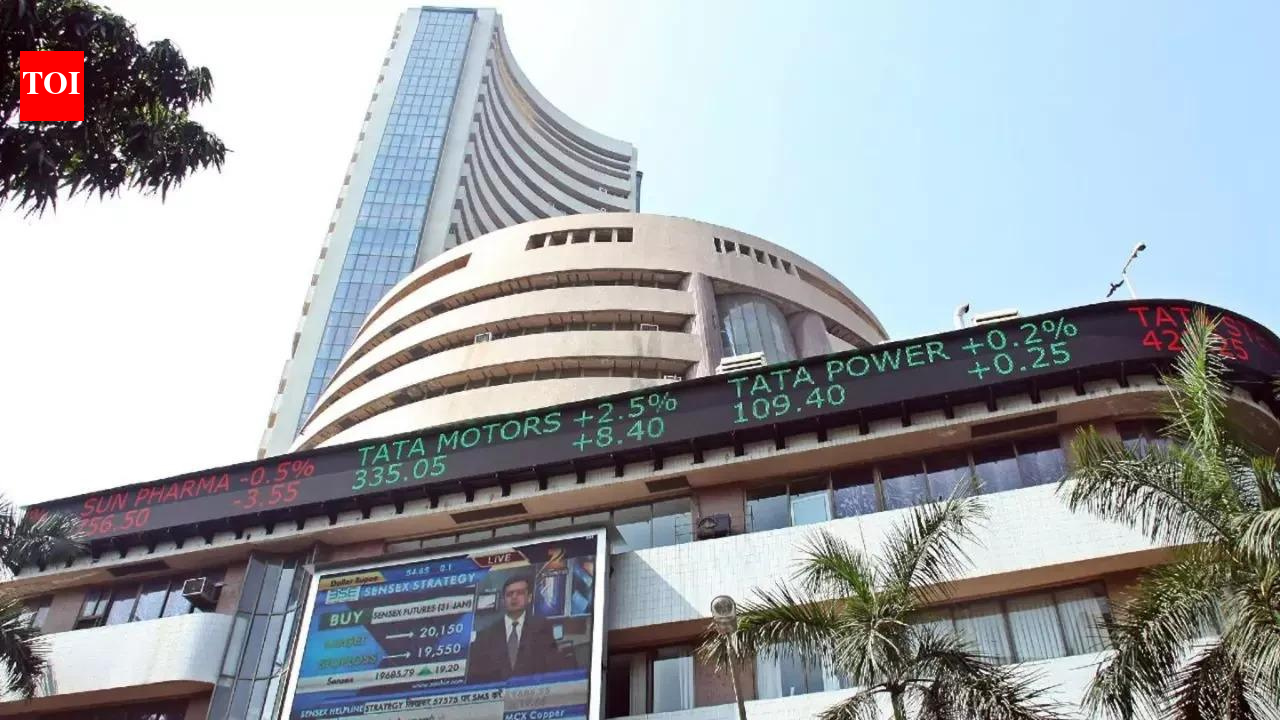
Stock market rallied sharply on Monday, with the Sensex soaring more than 1,000 points and the Nifty reclaiming the 24,000 mark, as easing geopolitical tensions in West Asia and falling crude oil prices boosted investor sentiment globally.The 30-share BSE Sensex jumped 1,073.61 points, or 1.42 per cent, to close at 76,488.96, while the NSE Nifty 50 surged 312.40 points, or 1.32 per cent, to settle at 24,031.70.The rally came after optimism grew around a possible agreement between the United States and Iran, following remarks by US President Donald Trump over the weekend that a deal was “largely negotiated”.
Nifty50 top gainers
| Company Name | Current Price (Rs) | Price Change | % Change |
|---|---|---|---|
| Eicher Motors | 7,414 | 433.00 ↑ | 6.20% ↑ |
| Adani Ent. | 2,850 | 132.00 ↑ | 4.88% ↑ |
| Bajaj Finance | 941.90 | 25.40 ↑ | 2.77% ↑ |
| Tata Motors PV | 373.25 | 9.90 ↑ | 2.73% ↑ |
| L&T | 4,033 | 107.00 ↑ | 2.72% ↑ |
| HDFC Bank | 786.85 | 20.10 ↑ | 2.62% ↑ |
| Eternal | 247.67 | 5.72 ↑ | 2.37% ↑ |
| Bajaj Finserv | 1,807 | 41.40 ↑ | 2.35% ↑ |
| Kotak Bank | 392.85 | 8.71 ↑ | 2.27% ↑ |
| Shriram Finance | 961.95 | 21.00 ↑ | 2.23% ↑ |
Sensex top gainers
| Company Name | Current Price (Rs) | Price Change | % Change |
|---|---|---|---|
| Bajaj Finance | 941.90 | 25.40 ↑ | 2.77% ↑ |
| L&T | 4,033 | 107.00 ↑ | 2.72% ↑ |
| HDFC Bank | 786.85 | 20.10 ↑ | 2.62% ↑ |
| Eternal | 247.67 | 5.72 ↑ | 2.37% ↑ |
| Bajaj Finserv | 1,807 | 41.40 ↑ | 2.35% ↑ |
| Kotak Bank | 392.85 | 8.71 ↑ | 2.27% ↑ |
| ICICI Bank | 1,292 | 27.50 ↑ | 2.18% ↑ |
| SBI | 969.60 | 20.40 ↑ | 2.15% ↑ |
| Axis Bank | 1,311 | 25.80 ↑ | 2.01% ↑ |
| Titan Company | 4,159 | 79.40 ↑ | 1.95% ↑ |
Nifty50 top losers
| Company Name | Current Price (Rs) | Price Change | % Change |
|---|---|---|---|
| Max Healthcare | 1,001 | -22.40 ↓ | -2.19% ↓ |
| ONGC | 284.95 | -5.06 ↓ | -1.75% ↓ |
| Hindalco | 1,100 | -9.61 ↓ | -0.87% ↓ |
| Nestle India | 1,414 | -9.50 ↓ | -0.67% ↓ |
| Bajaj Auto | 10,491 | -58.50 ↓ | -0.56% ↓ |
| Infosys | 1,169 | -6.00 ↓ | -0.52% ↓ |
| TCS | 2,308 | -9.11 ↓ | -0.40% ↓ |
| Tata Consumer | 1,187 | -4.60 ↓ | -0.39% ↓ |
| HUL | 2,197 | -7.10 ↓ | -0.33% ↓ |
| Sun Pharma | 1,841 | -4.00 ↓ | -0.22% ↓ |
Sensex top losers
| Company Name | Current Price (Rs) | Price Change | % Change |
|---|---|---|---|
| Infosys | 1,169 | -6.00 ↓ | -0.52% ↓ |
| TCS | 2,308 | -9.11 ↓ | -0.40% ↓ |
| HUL | 2,197 | -7.10 ↓ | -0.33% ↓ |
| Sun Pharma | 1,841 | -4.00 ↓ | -0.22% ↓ |
| Kwality Wall’s | 26.33 | -0.06 ↓ | -0.19% ↓ |
Oil prices tumble as Iran deal hopes rise
Investor confidence improved as markets increasingly priced in the possibility of a diplomatic breakthrough between Washington and Tehran, which could lead to the reopening of the Strait of Hormuz and ease global energy supply concerns.According to news agency ANI, market expert Ponmudi R said optimism surrounding a potential US-Iran agreement revived risk appetite across global markets.“Investor sentiment improved significantly after Donald Trump stated over the weekend that a deal was ‘largely negotiated’, encouraging markets to increasingly price in the possibility of a near-term diplomatic resolution,” he said.He added that markets would look for the “successful implementation of a lasting peace agreement and the credible reopening of the Strait of Hormuz”.Brent crude prices dropped sharply below the $100 per barrel mark and were trading around $98 per barrel, down more than 5 per cent during the session.The Indian rupee also recovered strongly, gaining 48 paise to trade at Rs 95.21 against the US dollar after recent weakness.
Banking stocks lead market rally
Financial stocks led the gains on Dalal Street. Bajaj Finance, Larsen & Toubro, HDFC Bank, Eternal, Bajaj Finserv and Kotak Mahindra Bank emerged among the top Sensex gainers.Sectorally, Nifty PSU Bank rose 2.73 per cent, while Nifty Private Bank advanced 2.02 per cent, as per ANI. Nifty Auto climbed 1.66 per cent and Realty gained 1.54 per cent.However, FMCG stocks remained under pressure. Infosys, Tata Consultancy Services, Sun Pharma and Hindustan Unilever were among the laggards.
Global markets gain amid improving sentiment
Asian markets also ended higher on Monday amid improving global risk appetite. Japan’s Nikkei 225 surged 2.76 per cent, while Taiwan’s weighted index jumped 3.15 per cent.European markets were trading in positive territory, while US markets had settled higher on Friday.Meanwhile, Foreign Institutional Investors (FIIs) offloaded equities worth Rs 4,440.47 crore on Friday, according to exchange data.
Business
Gold price today: Yellow metal rises; check 24K, 22K city-wise rates in Delhi, Mumbai, Kolkata and more

Gold prices rose in futures trade on Monday, tracking gains in global markets amid growing optimism surrounding a possible peace agreement between the United States and Iran. Retail gold rates across major Indian cities also moved higher, with 22K, 24K and 18K prices recording gains compared to the previous day.On the Multi Commodity Exchange (MCX), gold contracts for June delivery climbed by Rs 426, or 0.27 per cent, to Rs 1,59,105 per 10 grams in a business turnover of 5,312 lots. As per PTI, analysts attributed the rise to a weaker US dollar and positive sentiment linked to the ongoing US-Iran negotiations.Gaurav Garg, research analyst at Lemonn Markets Desk, said easing crude oil prices and hopes of a peace deal supported bullion prices globally. In the international market, Comex gold futures for the June contract rose nearly 1 per cent to USD 4,590.62 per ounce in New York, as quoted by news agency PTI.Analysts also noted that hopes of easing tensions in West Asia have reduced fears of another inflationary spike driven by oil prices, supporting sentiment in precious metals markets.
City-wise gold rates today
Gold rate in Bengaluru today:Gold prices in Bengaluru have moved higher today. The 24K gold rate stands at Rs 15,938 per gram, while 22K gold is priced at Rs 14,610 and 18K at Rs 11,954 per gram, all up from yesterday’s levels.Gold rate in Delhi today:In Delhi, gold prices recorded gains across categories. The 24K gold rate is Rs 15,953 per gram, while 22K gold stands at Rs 14,625 and 18K at Rs 11,964 per gram.Gold rate in Mumbai today:Mumbai has also witnessed an increase in bullion prices. The 24K gold rate is Rs 15,938 per gram, while 22K and 18K gold are priced at Rs 14,610 and Rs 11,954 per gram, respectively.Gold rate in Chennai today:Gold prices in Chennai have risen sharply compared to other cities. The 24K gold rate stands at Rs 16,124 per gram, while 22K gold is at Rs 14,780 and 18K at Rs 12,400 per gram.Gold rate in Kolkata today:Kolkata has seen a rise in gold prices today. The 24K gold rate is Rs 15,938 per gram, while 22K gold is priced at Rs 14,610 and 18K at Rs 11,954 per gram.Gold rate in Hyderabad today:Gold prices in Hyderabad have edged higher. The 24K gold rate stands at Rs 15,938 per gram, while 22K and 18K gold are available at Rs 14,610 and Rs 11,954 per gram, respectively.Gold rate in Ahmedabad today:Ahmedabad has recorded gains in gold prices. The 24K gold rate is Rs 15,943 per gram, while 22K gold stands at Rs 14,615 and 18K at Rs 11,959 per gram.Gold rate in Jaipur today:In Jaipur, gold prices have moved up today. The 24K gold rate stands at Rs 15,953 per gram, while 22K and 18K gold are priced at Rs 14,625 and Rs 11,964 per gram, respectively.Gold rate in Bhubaneswar today:Gold prices in Bhubaneswar have increased from yesterday’s levels. The 24K gold rate is Rs 15,938 per gram, while 22K gold is at Rs 14,610 and 18K at Rs 11,954 per gram.Gold rate in Pune today:Pune has also witnessed higher bullion rates. The 24K gold rate stands at Rs 15,938 per gram, while 22K and 18K gold are priced at Rs 14,610 and Rs 11,954 per gram, respectively.Gold rate in Kanpur today:Gold prices in Kanpur have edged higher today. The 24K gold rate is Rs 15,953 per gram, while 22K gold stands at Rs 14,625 and 18K at Rs 11,964 per gram.


Vietnam launches Hai Phong customs pilot from June 1

Is American men’s tennis in trouble as French Open begins?

Memorial Day Deals on Our Top Smart Bird Feeders, Camera Bags, and More

-

 Tech1 week ago
Why Is Your Grill So Dumb? The Best Grills Set Temp Like an Oven
-

 Tech1 week ago
This Solar-Powered Smart Sprinkler Keeps My Lawn Watered Without Any Power Cables
-

 Fashion4 days ago
ICE cotton sees mixed trend as rain forecasts weaken sentiment
-

 Fashion5 days ago
US cotton planting advances to 41%, concerns persist in Texas
-
 Fashion1 week ago
Turkiye’s current account deficit expected to widen in 2026: Minister
-

 Fashion1 week ago
India’s Pearl Global’s FY26 revenue crosses $521 mn milestone
-

 Tech1 week ago
A Danish Couple’s Maverick African Research Finds Its Moment in RFK Jr.’s Vaccine Policy
-

 Fashion6 days ago
Nigeria Kwara Garment Factory, KWS Garment Production Village ink pact