

Fashion
ICE cotton slips on rollover pressure, tariff worries


The most actively traded May cotton contract dipped 0.49 cent to settle at 65.14 cents per pound, although it had hit its highest level since January 29 on Friday. Front-month contracts traded in the upper half of Friday’s range, retaining nearly two-thirds of the prior session’s gains despite the losses. The May 2026 contract had earlier posted strong gains of 149 points on Friday. The rest of the board ranged from 36 points lower to 2 points higher, excluding the near-month March contract. March 2026 (first notice day) settled 53 points higher at 6,356 points as deliveries began.
ICE cotton futures closed lower amid heavy rollover pressure and persistent tariff uncertainty, despite holding much of the previous session’s gains.
The May contract settled at 65.14 cents per pound, while trading volumes declined.
Broader agricultural markets weakened on US tariff concerns after US President Donald Trump raised global import tariffs to 15 per cent.
Total trading volume declined to 58,019 contracts, compared with 110,161 contracts on Friday. The average daily volume last week stood at 85,504 contracts, indicating continued active participation.
Market analysts said cotton is attempting to find a bottom amid rollover pressure and tariff uncertainty. US President Trump announced an increase in global import tariffs from 10 per cent to 15 per cent, heightening macro and trade risk sentiment.
Broader agricultural markets weakened, with soybeans under pressure as US tariff policy uncertainty hurt the export outlook. Cotton prices are near unprofitable farming levels but may still test the 63 cent per pound support level.
CFTC data for the week ended February 17 showed that speculators increased net short positions by 3,652 contracts to 75,430 contracts. ICE certified stocks remained unchanged at 119,457 bales as of February 20.
Brazil exported 218,691.66 tons of cotton in the first three weeks of February, averaging 16,822.44 tons per day, up 23 per cent year on year.
This morning (Indian Standard Time), ICE cotton for May 2026 traded at 65.78 cents per pound (up 0.64 cent), cash cotton at 63.14 cents (down 0.49 cent), the March 2026 contract at 63.56 cents (up 0.53 cent), the July 2026 contract at 67.37 cents (up 0.55 cent), the October 2026 contract at 68.39 cents (down 0.22 cent), and the December 2026 contract at 69.45 cents (up 0.41 cent). A few contracts remained at their previous closing levels, with no trading recorded so far today.
Fibre2Fashion News Desk (KUL)












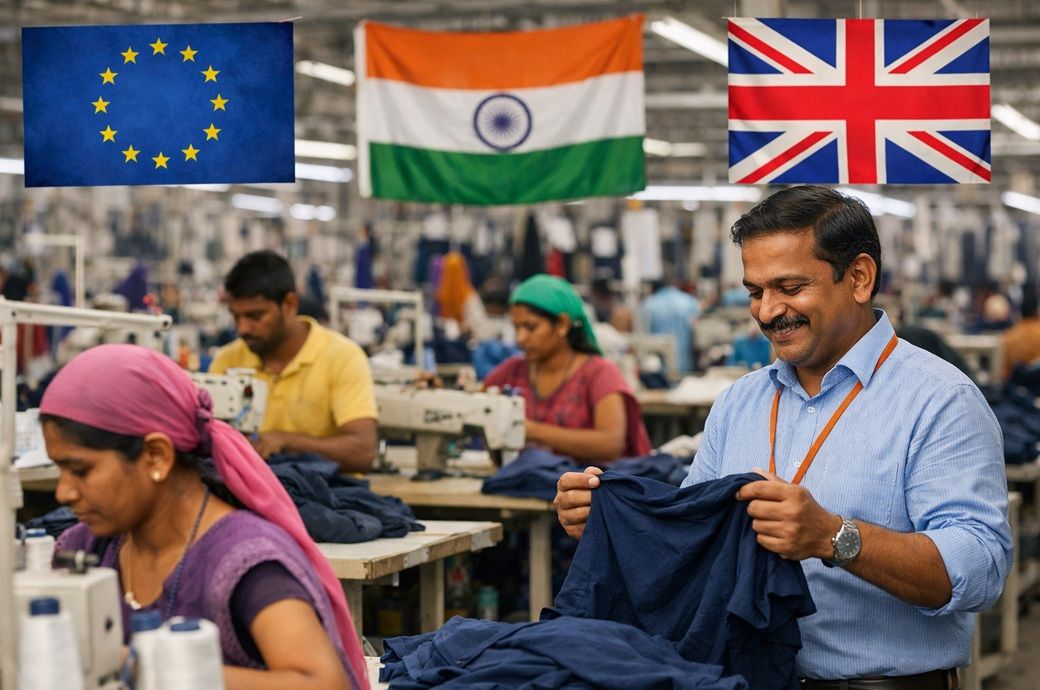
In February, Fibre*Fashion reported, citing an Investment Information and Credit Rating Agency report, that the India–EU FTA pushes for eliminating the duties on shipments from India and giving the country a competitive edge against competitors such as Bangladesh and Vietnam, who have so far enjoyed free entry into the EU region.
The FTA between India and the EU is expected to come into effect sometime in early January and with the United Kingdom in June or July this year. CEO of The Synerg, Karthikeyan Shanmugam, said in an interview with Fibre*Fashion that the future is quite good for India’s textile industry as the FTAs come into place.
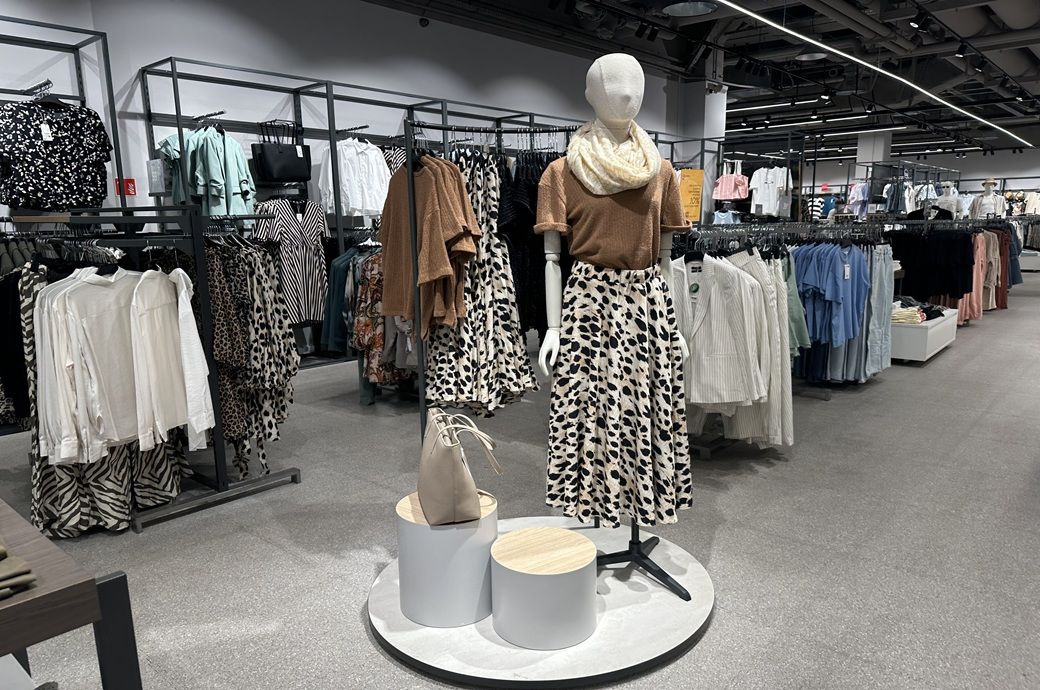
The company posted a revenue of £42.3 million (~$57.53 million) in FY26 ended March 31, 2026, up 14 per cent YoY from the previous year, supported by a 24 per cent surge in own-site sales. The growth was fuelled by higher website traffic, improved conversion rates and increased order volumes from both new and returning customers.
Sosandar reported FY26 revenue of £42.3 million (~$57.53 million), up 14 per cent, driven by strong online growth, with own-site sales rising 24 per cent.
The company returned to profitability with PBT of £0.4 million (~$0.54 million) and improved margins.
Despite slightly missing revenue expectations, performance remained solid.
Strong third-party sales supported confidence in profitable growth.
Sosandar noted strong performance across all categories, from occasion wear to casual collections, reflecting its ability to translate trends into its distinctive design aesthetic.
Profitability improved significantly during the year, with profit before tax expected to reach £0.4 million (~$0.54 million), compared to a loss of £0.1 million in FY25. Gross margin also strengthened to 63.9 per cent from 62.1 per cent, highlighting the company’s focus on margin enhancement and operational efficiency. Sosandar ended the year with net cash of £8.4 million, even after £1.8 million in share buybacks, up from £7.3 million a year earlier, Sosandar said in a press release.
The company noted that market expectations ahead of the announcement had been set at revenue of £43.1 million and profit before tax of £0.4 million for FY26, indicating that profitability is in line with forecasts, while revenue came in slightly below expectations.
The brand continued to perform strongly across third-party platforms, particularly with NEXT, reinforcing its position as a leading womenswear label in the UK market. Trading with Marks & Spencer also began to normalise following earlier disruptions, with stock intake returning to expected levels.
Sosandar’s physical retail presence delivered a positive uplift, with stores entering their second year of trading and locations in market towns performing particularly well. However, the company noted that stores are still weighing on overall profitability as they mature, especially those located in shopping centres. As a result, no new store openings are planned in the near term, with a focus instead on improving profitability at existing locations.
Looking ahead, the board expressed confidence in the company’s strategy, emphasising that strong foundations are in place to deliver sustainable, profitable and cash-generative growth.
Fibre2Fashion News Desk (SG)
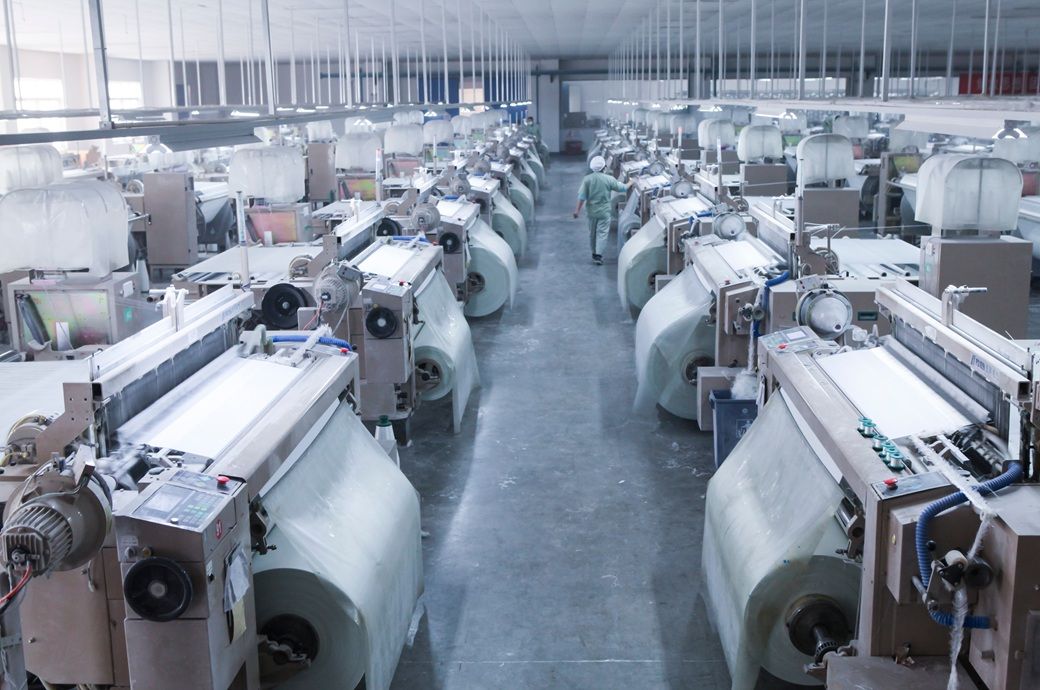
Firms also increased stock purchases to support rising output, with some resorting to precautionary inventory building amid concerns over disruptions linked to the ongoing Middle East conflict, the Central Bank of Sri Lanka said in a press release.
Sri Lanka’s manufacturing PMI surged to 66.7 in March from 56.8 in February, driven by strong gains in new orders and production, particularly in apparel.
Firms raised inventories amid Middle East-related risks.
However, supply constraints, rising costs, and logistics issues persisted, with delivery times worsening.
Employment growth slowed.
Outlook remains positive.
Despite robust demand, manufacturers reported a constrained operating environment due to raw material and fuel shortages, rising input costs, and logistical challenges. Supplier delivery times lengthened significantly to 75.5, reflecting shipping disruptions and demand pressures. Employment rose at a slower pace, indicating cautious hiring despite increased workloads.
Looking ahead, business expectations for the next quarter remain positive across sectors, supported by seasonal trends and emerging opportunities. However, concerns persist over the impact of the Middle East conflict, supply disruptions, and broader global economic uncertainty, which may weigh on future momentum.
Fibre2Fashion News Desk (SG)


‘Saturday Night Live’ alum Tina Fey admits past jokes missed the mark

There’s New Evidence for How Loneliness Affects Memory in Old Age

Prince William’s ally Robert Irwin rejects Prince Harry, Meghan offer

-

 Fashion4 days ago
France’s LVMH Q1 revenue falls 6%, shows resilience amid Iran war
-

 Sports7 days ago
The case for Man United’s Fernandes as Premier League’s best
-

 Entertainment1 week ago
Palace left in shock as Prince William cancels grand ceremony
-
 Business1 week ago
UK could adopt EU single market rules under new legislation
-

 Entertainment5 days ago
Is Claude down? Here’s why users are seeing errors
-

 Sports1 week ago
Lamar Jackson hits back at critics with faithful message on social media
-

 Fashion1 week ago
Energy emerges as biggest cost driver in textile margins
-
 Business7 days ago
Delta Air Lines unveils first new Delta One suite in premium cabin arms race