

Business
80% Stocks Already In Bear Market; Should You Buy The Dip Or Run For Safety?


Last Updated:
India’s Sensex and Nifty correct 6-7%, with 80% of stocks in bear territory. Monarch AIF reports 64% of stocks over Rs 1,000 crore market cap has fallen 30%.




Hundreds of midcap and smallcap companies have quietly lost significant value.
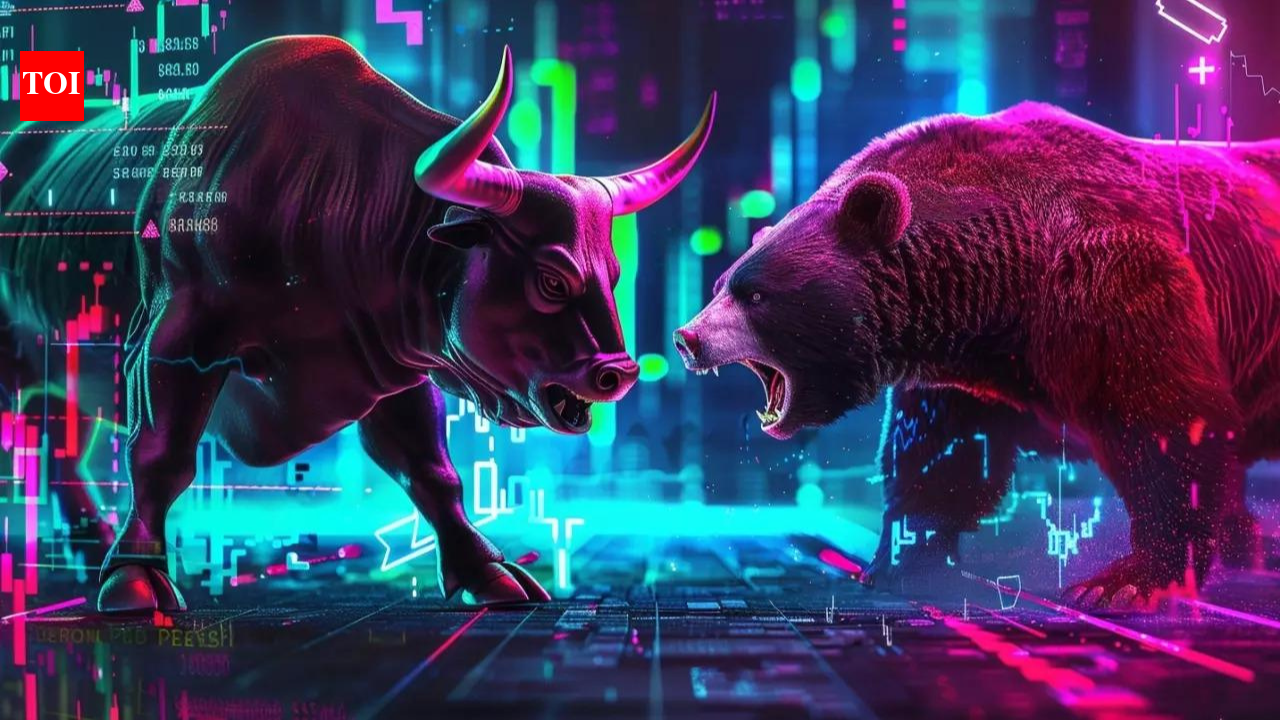
India’s benchmark indices may not show it, but a large part of the market is already in deep correction. According to a report by Monarch AIF, while the Sensex and Nifty have corrected only about 6-7 per cent from their record highs, nearly 80 per cent of listed stocks are already in bear market territory.
The data highlights a sharp divergence between headline indices and the broader market.
Majority of Stocks Deep In Correction
The report analysed companies with a market capitalisation above Rs 1,000 crore.
It found that over 64 per cent of these stocks have fallen more than 30 per cent from their all-time highs. Nearly 78 per cent have declined over 20 per cent.
In simple terms, most stocks in the market have already seen a brutal correction even though benchmark indices remain relatively elevated.
This unusual divergence has been playing out for the past 18 months.
Why Indices Are Still Holding Up
According to the report, Indian markets are witnessing a rare phase of simultaneous time and value correction.
A narrow set of large-cap stocks has kept the benchmark indices elevated. Meanwhile, hundreds of midcap and smallcap companies have quietly lost significant value.
This has created a misleading picture where the indices appear stable but the broader market has been under sustained pressure.
Now A New Shock: Middle East War
The situation has become more complicated after the recent escalation in West Asia.
Following US-Israel strikes on Iran, global markets have turned volatile and crude oil prices have surged.
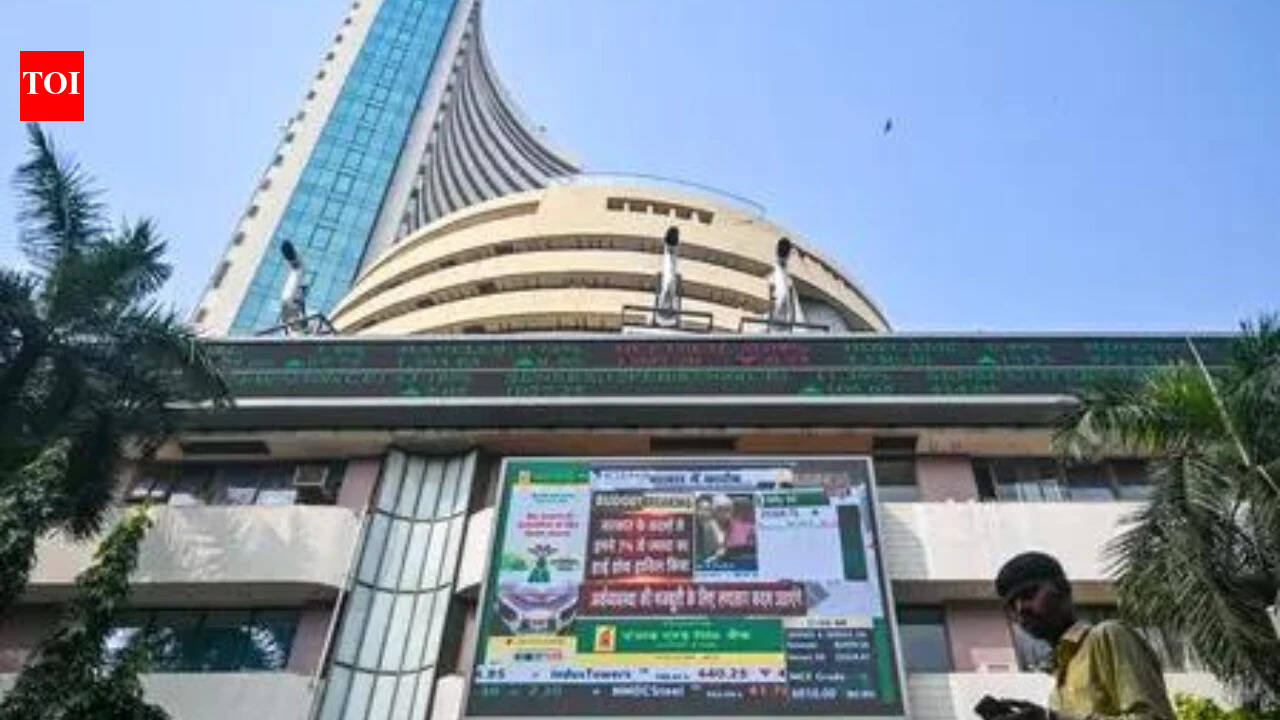
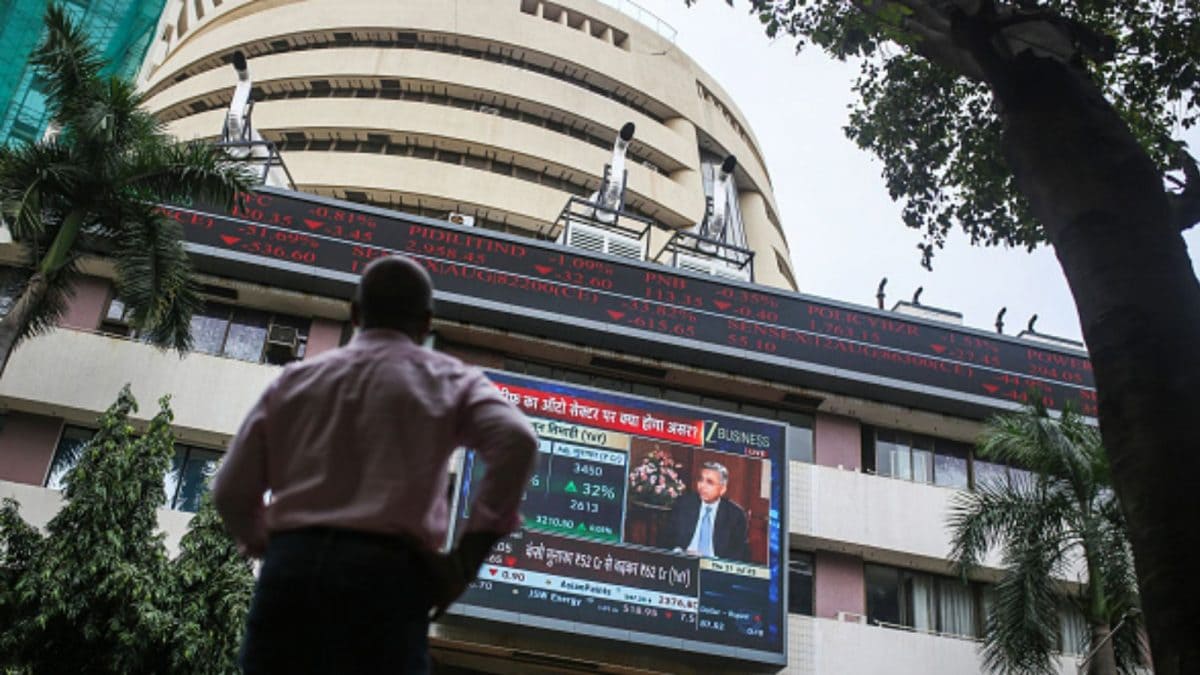
Amid these developments, the Sensex recently fell over 1,000 points, while the Nifty slipped below the 24,900 level.
For investors, the challenge is that a market already weakened by months of selling is now facing geopolitical risks and a potential oil shock.
Should Investors Buy Or Wait?
Aakash Shah, Technical Research Analyst at Choice Equity Broking, advised caution. “Amid persistent global uncertainties and elevated volatility, market participants are advised to maintain discipline and adopt a selective approach, focusing on fundamentally strong stocks during corrective phases. Fresh long positions should ideally be considered only after a decisive and sustained breakout above the 25,000 mark on the Nifty, which would signal improving sentiment and confirm the development of a stronger bullish structure,” he said.
Key Risk For India: Rising Oil
V K Vijayakumar, chief investment strategist at Geojit Investments, said the biggest concern for India is rising crude prices.
“With the war escalating and crude rising, markets are going into a period of heightened uncertainty. Nobody knows how long this conflict will go on and what will be the extent of the havoc it could wreck. From the perspective of India, which relies on imports for around 85% of her oil requirements, the real concern is the potential inflation and its consequences on economic growth. From the market perspective, the impact of potentially widening trade deficit, depreciating currency, higher inflation and perhaps lower growth is the real issue. If this fear materialises, corporate earnings will be impacted,” he said.
However, he added that the impact may be temporary if the conflict ends quickly.
“If it ends in, say 3 to 4 weeks, things will be back to normal,” he said.
Don’t Panic, Use Corrections
Despite the volatility, Vijayakumar advised investors not to panic. “Experience tells us that panicking and getting out of the market during uncertain times like these is not the right thing to do. Markets have an uncanny ability to surprise and climb all walls of worries,” he said.
According to him, investors with a long investment horizon and higher risk appetite can gradually accumulate quality stocks during corrections.
He added that sectors such as banking, pharmaceuticals, automobiles and defence may offer attractive long-term opportunities.
 Click here to add News18 as your preferred news source on Google.
Follow News18 on Google. Join the fun, play games on News18. Stay updated with all the latest business news, including market trends, stock updates, tax, IPO, banking finance, real estate, savings and investments. To Get in-depth analysis, expert opinions, and real-time updates. Also Download the News18 App to stay updated.
March 04, 2026, 13:39 IST
Read More


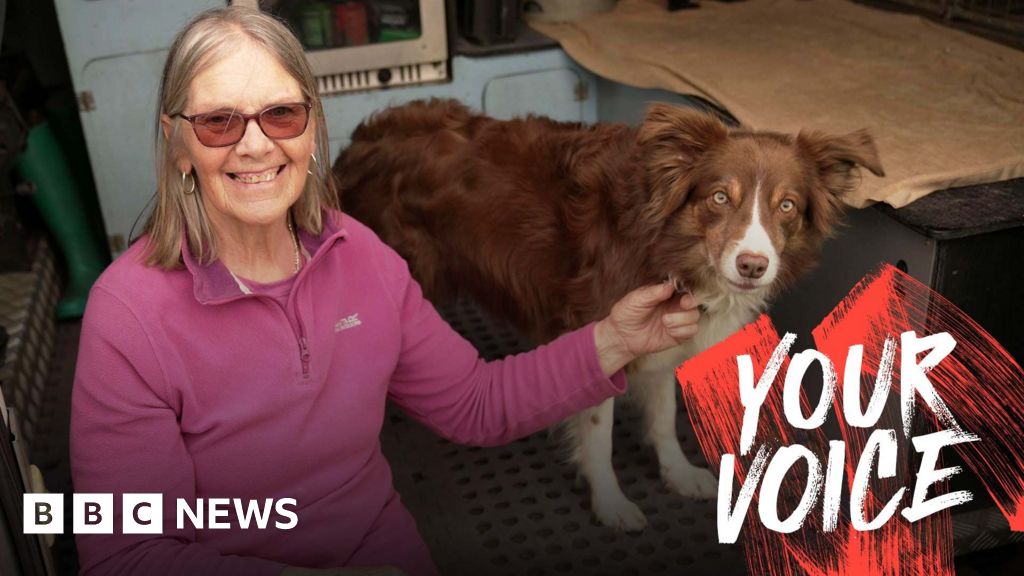
Tesco Pet Insurance, who provided the cover, says “the cost of claims is one of a number of factors that can affect the price of a policy at renewal” and also noted Tilly’s age had been reflected in the quote. It says the couple had a more comprehensive policy, which typically costs more than basic levels of cover, and that alternative options were presented to Fawcett and Neild.
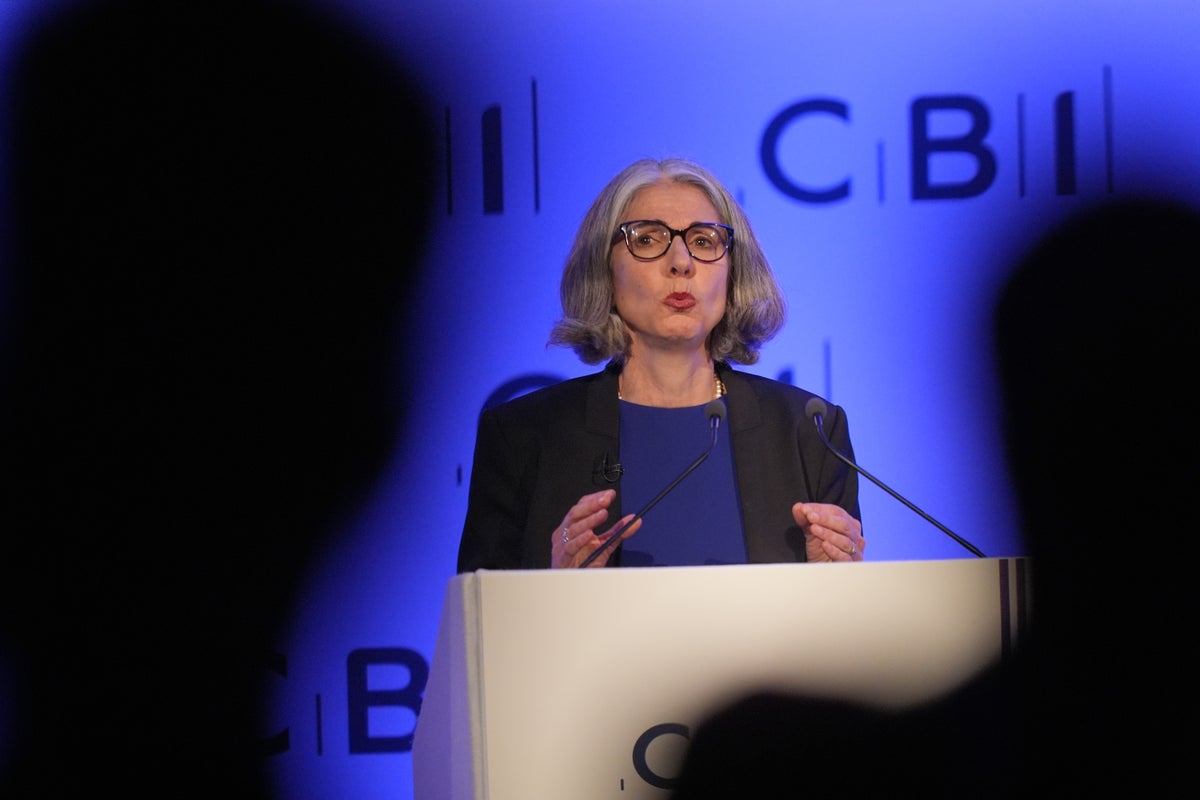
The UK must not “cut ourselves off” from trade opportunities in China despite security and business risks, the head of the Confederation for British Industry has warned.
CBI chief Rain Newton-Smith highlighted that British businesses see increased trade with Chinese firms as an opportunity to drive growth.
Her remarks came as business leaders were questioned by MPs on Parliament’s Business and Trade Select Committee regarding the UK’s economic relationship with China.
Last December, Prime Minister Sir Keir Starmer admitted China poses security threats to the UK but urged for greater business ties.
Ms Newton-Smith, chief executive of one of the UK’s largest business groups, was positive about the Government’s engagement with China.
“You can’t have a growth strategy without a strategy for China,” she said.
“China has the biggest contribution to global growth, is the third largest trading partner, and the world’s largest consumer market.
“The UK is second largest exporter of trade and services.
“We are mindful as all businesses are of security risks but it is really important that we have a strategy towards China.
“This Government has increased the economic engagement with China and including business within this does help us as a country.”
She added: “If we think about the future economy, there is a huge market in China and I think we mustn’t cut ourselves off from some of the opportunities there, even if in some areas there are difficult conversations and negotiations that need to be had.”
Peter Burnett, chief executive of the China-Britain Business Council, told the committee: “There are risks associated with technology advancement, AI, industrial development that they need to assess.
“Increasingly you will find them saying that they need to engage more in China to understand those risks and to develop some of the technologies along some of those risks themselves.”
Business
Trump says he’d be disappointed if Fed pick doesn’t cut rates; Warsh vows to be ‘independent actor’ – The Times of India
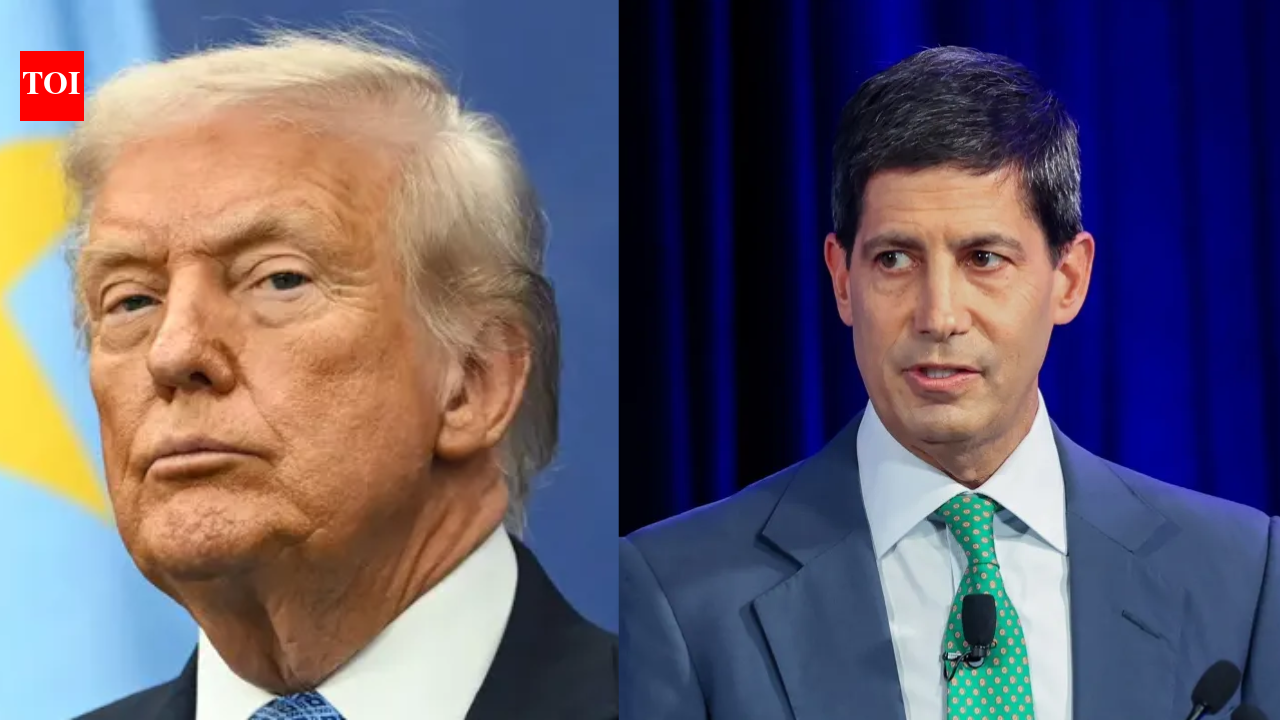
US President Donald Trump on Tuesday said he would be disappointed if his nominee for Federal Reserve chair, Kevin Warsh, does not cut interest rates right away after taking office if confirmed by the Senate. Trump, during an interview with CNBC’s “Squawk Box,” also said “we have to find out” about the construction costs of the new Federal Reserve building.Warsh, a former Federal Reserve official and financier, is currently facing Senate confirmation hearings where he has stressed his independence from political pressure.“The president never once asked me to commit to any particular interest rate decision, and nor would I agree to it if he had,” Kevin Warsh said under questioning by the Senate Banking Committee, as quoted by LA Times. “I will be an independent actor if confirmed as chair of the Federal Reserve.”Warsh told lawmakers that fighting inflation would be one of his main priorities if confirmed.“Congress tasked the Fed with the mission to ensure price stability, without excuse or equivocation, argument or anguish,” Warsh said. “Inflation is a choice, and the Fed must take responsibility for it.”The comments come as investors closely watch his confirmation hearing, with inflation remaining at 3.3% annually and global tensions, including the war in Iran pushing up gas prices, adding pressure on the economy. Higher inflation typically leads the Federal Reserve to keep interest rates steady or raise them rather than cut them, as rate changes affect mortgages, auto loans, and business borrowing.Democrats on the Senate Banking Committee accused Warsh of shifting his stance on interest rates over time, supporting higher rates under Democratic presidents and lower rates during Trump’s presidency.Warsh, if confirmed, would take over at a time when inflation pressures make it difficult for the Federal Reserve to cut rates, even as Trump continues to push for lower borrowing costs. Trump has repeatedly urged rate cuts and has long clashed with current Fed chair Jerome Powell over monetary policy. Powell has also been the subject of a Department of Justice criminal probe after refusing Trump’s requests for faster rate cuts. Trump told CNBC that he does not plan to pressure the Justice Department to end that probe.


Trump repeats call for Congress to rein in college sports
I was left with an £8,000 vet bill when my insurer cancelled my pet policy

Reese Witherspoon breaks silence after AI support controversy

-

 Fashion6 days ago
France’s LVMH Q1 revenue falls 6%, shows resilience amid Iran war
-

 Sports1 week ago
The case for Man United’s Fernandes as Premier League’s best
-

 Entertainment1 week ago
Palace left in shock as Prince William cancels grand ceremony
-
 Business1 week ago
UK could adopt EU single market rules under new legislation
-

 Entertainment6 days ago
Is Claude down? Here’s why users are seeing errors
-

 Fashion1 week ago
Energy emerges as biggest cost driver in textile margins
-
 Business1 week ago
Delta Air Lines unveils first new Delta One suite in premium cabin arms race
-

 Fashion1 week ago
Asia claims largest share of markets on Kearney FDI Confidence Index