

Business
US stocks today: Dow tumbles 800 points, S&P 500 and Nasdaq slip as oil surges after Iran tanker strike – The Times of India

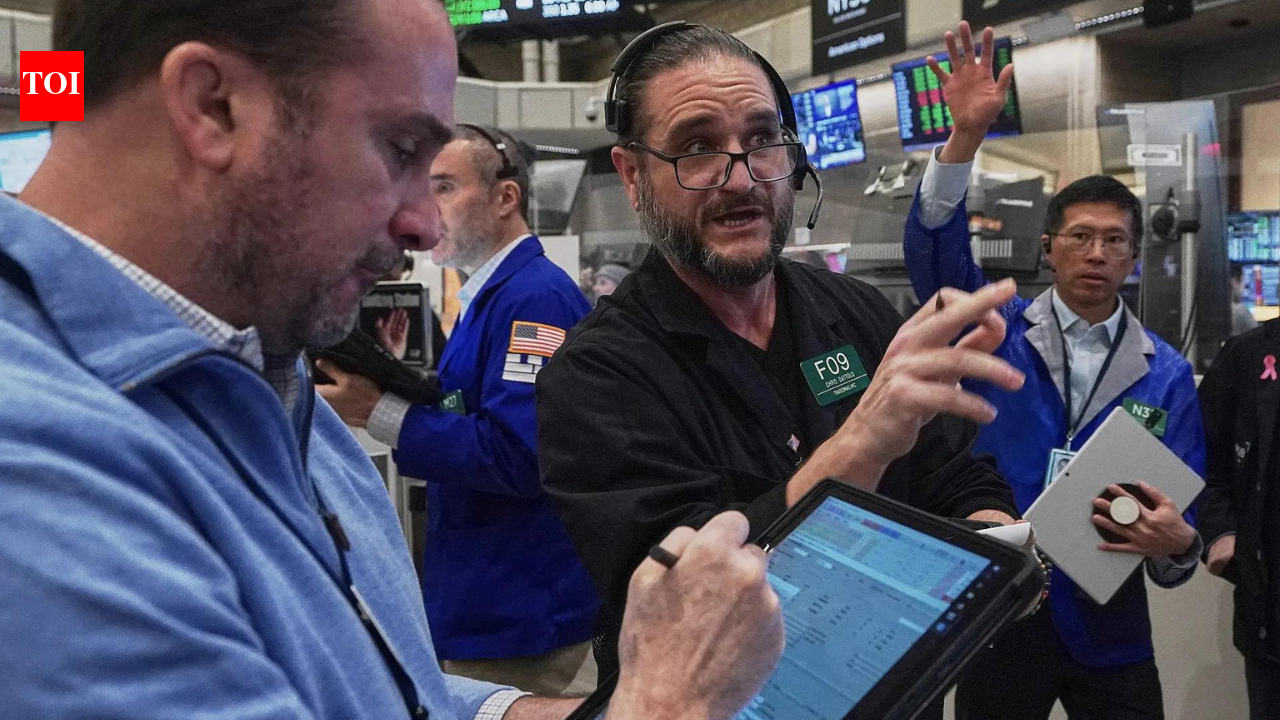
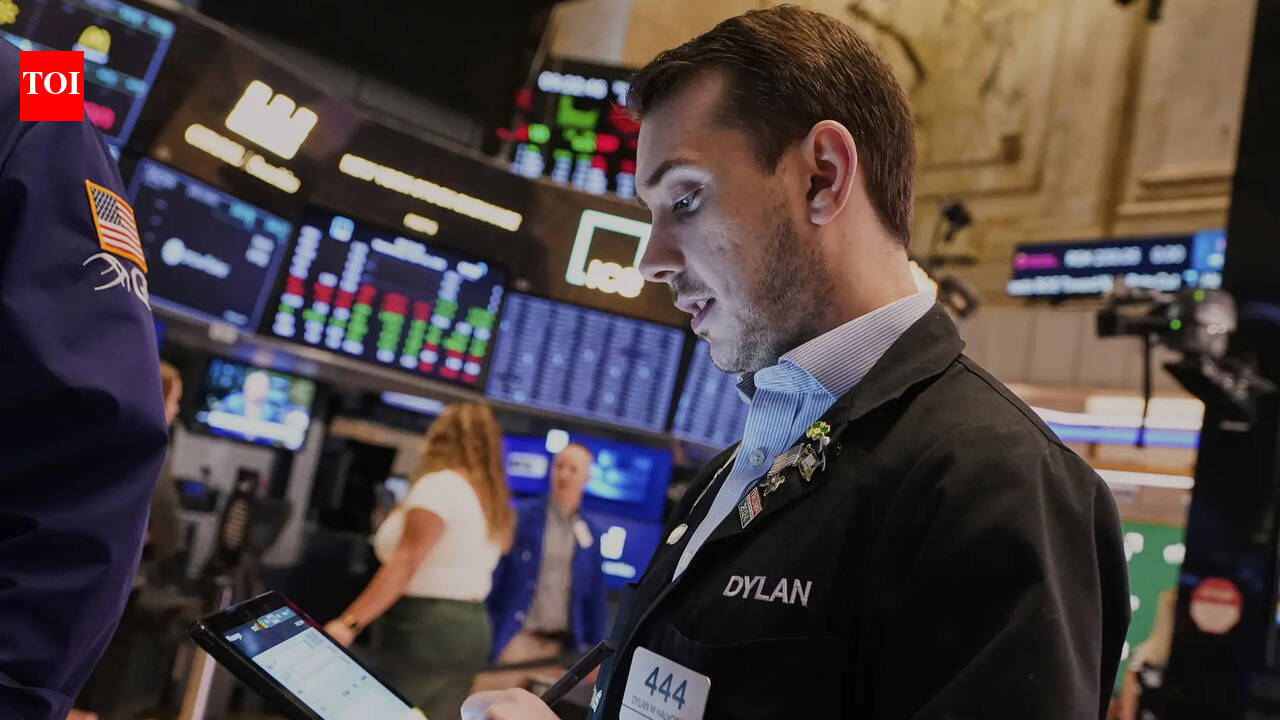
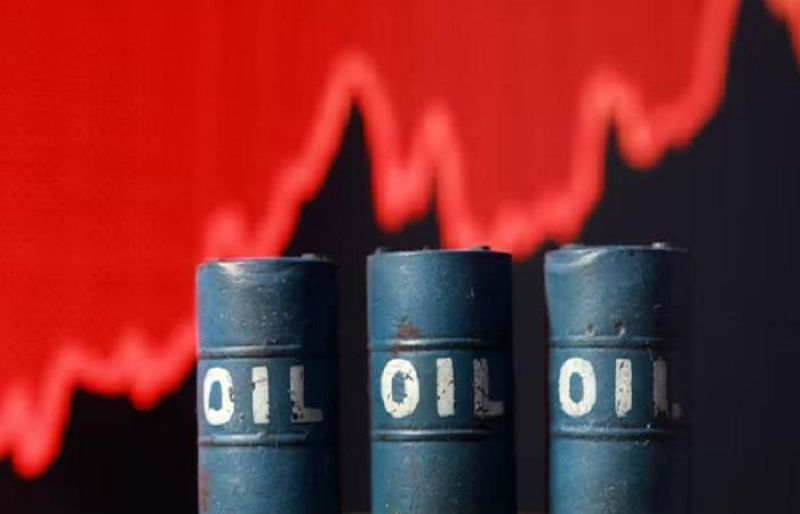
US stock markets fell on Thursday as investors turned cautious after the previous session’s rally, while rising oil prices and geopolitical tensions weighed on sentiment.The Dow Jones Industrial Average dropped 801 points, or 1.6 per cent, dragged down by losses in stocks such as Caterpillar and Goldman Sachs. The S&P 500 declined 0.9 per cent, while the Nasdaq Composite fell 0.6 per cent.The selloff came as crude oil prices jumped to their highest level since June 2025 after Iran said it had struck an oil tanker with a missile. US West Texas Intermediate crude futures surged 6 per cent to trade above $79 per barrel, while international benchmark Brent crude futures rose about 3 per cent to more than $84 per barrel. Oil prices had stabilised in the previous trading session.Markets had rallied on Wednesday, supported by gains in technology and semiconductor stocks. The Dow had snapped a three-day losing streak, while the S&P 500 and Nasdaq Composite ended the session with solid gains.Despite the ongoing US-Israeli air campaign against Iran, US markets have performed relatively better than European and Asian counterparts this week, largely supported by a rebound in technology stocks that had been hit hard during February’s selloff.The tech-led recovery in the previous session helped the Nasdaq erase its weekly losses, putting the index on track to end the week in positive territory if gains hold through Friday.Investors remain concerned that prolonged disruption to shipping through the Strait of Hormuz — a key global energy corridor –could push oil prices higher and add to inflationary pressures through rising energy and shipping costs.Markets are particularly wary of crude prices moving towards $100 per barrel, which could complicate the Federal Reserve’s efforts to control inflation while considering interest-rate cuts.“For the past couple of years, bringing inflation down has been the Fed’s entire focus, and they were finally making progress. But if energy stays expensive, inflation could start climbing again and that would force the Fed to rethink its plans,” said Adam Sarhan, chief executive of 50 Park Investments, Reuters quoted.According to data compiled by LSEG, investors are increasingly expecting the Federal Reserve to delay a 25-basis-point interest rate cut to September from the previously anticipated July timeline.Among sectors, healthcare led declines on the S&P 500, dropping 1.6 per cent. The energy index, however, gained 0.7 per cent, with shares of ConocoPhillips and Valero Energy rising about 2 per cent each.The CBOE volatility index (VIX), widely seen as a gauge of market fear, rose 0.9 points to 22.08, reflecting cautious investor sentiment. The small-cap Russell 2000 index fell 1 per cent.Travel and tourism stocks, which are sensitive to fuel costs, were under pressure. Delta Air Lines slipped 3.3 per cent, while Royal Caribbean Cruises declined 0.6 per cent.On the other hand, some travel booking companies rallied sharply. Booking Holdings jumped 11 per cent and Expedia surged 8 per cent after a report by The Information said OpenAI was scaling back on-platform shopping checkout plans for ChatGPT, easing concerns about disruption to online marketplace businesses.Chip stocks showed mixed performance. Nvidia edged down 0.3 per cent, while Marvell Technology gained 1.3 per cent.Shares of Broadcom rose 2.9 per cent after the chip designer projected that its artificial intelligence chip revenue could exceed $100 billion next year.Elsewhere, Trade Desk surged 22.5 per cent following a report that OpenAI had held early discussions with the advertising technology company regarding the sale of advertisements.Economic data released on Thursday showed the number of Americans filing new applications for unemployment benefits remained unchanged last week.Investors are also awaiting remarks from Federal Reserve Vice Chair Michelle Bowman later in the day, ahead of the closely watched non-farm payrolls report due on Friday.On the New York Stock Exchange, declining stocks outnumbered advancers by a ratio of 2.48-to-1, while on the Nasdaq the ratio stood at 1.63-to-1.The S&P 500 recorded four new 52-week highs and two new lows, while the Nasdaq Composite registered 17 new highs and 33 new lows.



Malaysia-based Karex produces more than five billion condoms a year and supplies global brands like Durex and Trojan.
Source link
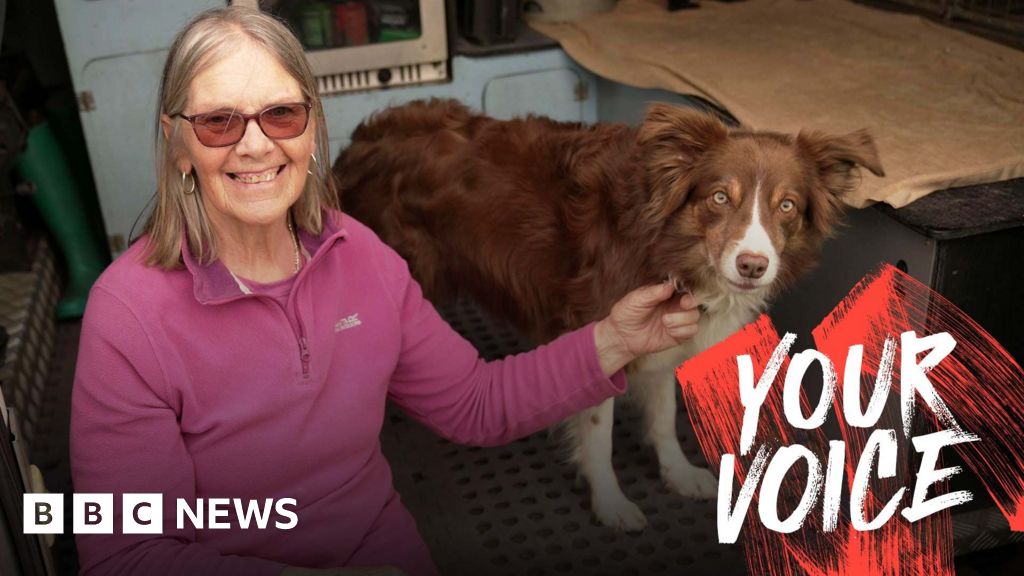
Tesco Pet Insurance, who provided the cover, says “the cost of claims is one of a number of factors that can affect the price of a policy at renewal” and also noted Tilly’s age had been reflected in the quote. It says the couple had a more comprehensive policy, which typically costs more than basic levels of cover, and that alternative options were presented to Fawcett and Neild.
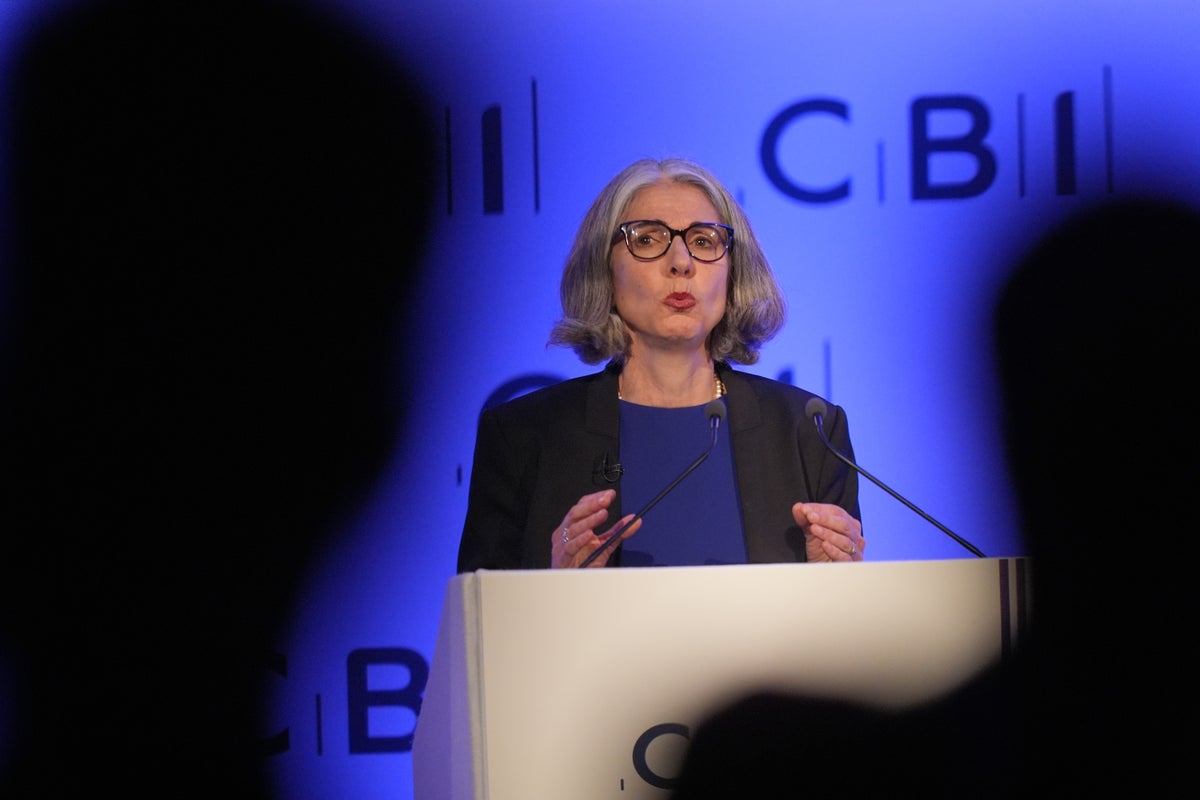
The UK must not “cut ourselves off” from trade opportunities in China despite security and business risks, the head of the Confederation for British Industry has warned.
CBI chief Rain Newton-Smith highlighted that British businesses see increased trade with Chinese firms as an opportunity to drive growth.
Her remarks came as business leaders were questioned by MPs on Parliament’s Business and Trade Select Committee regarding the UK’s economic relationship with China.
Last December, Prime Minister Sir Keir Starmer admitted China poses security threats to the UK but urged for greater business ties.
Ms Newton-Smith, chief executive of one of the UK’s largest business groups, was positive about the Government’s engagement with China.
“You can’t have a growth strategy without a strategy for China,” she said.
“China has the biggest contribution to global growth, is the third largest trading partner, and the world’s largest consumer market.
“The UK is second largest exporter of trade and services.
“We are mindful as all businesses are of security risks but it is really important that we have a strategy towards China.
“This Government has increased the economic engagement with China and including business within this does help us as a country.”
She added: “If we think about the future economy, there is a huge market in China and I think we mustn’t cut ourselves off from some of the opportunities there, even if in some areas there are difficult conversations and negotiations that need to be had.”
Peter Burnett, chief executive of the China-Britain Business Council, told the committee: “There are risks associated with technology advancement, AI, industrial development that they need to assess.
“Increasingly you will find them saying that they need to engage more in China to understand those risks and to develop some of the technologies along some of those risks themselves.”


IMF to give specific attention to low-income, vulnerable nations

A case for fuel reforms
World’s biggest condom maker Karex set to raise prices due to Iran war

-

 Fashion6 days ago
France’s LVMH Q1 revenue falls 6%, shows resilience amid Iran war
-

 Sports1 week ago
The case for Man United’s Fernandes as Premier League’s best
-

 Entertainment1 week ago
Palace left in shock as Prince William cancels grand ceremony
-
 Business1 week ago
UK could adopt EU single market rules under new legislation
-

 Entertainment7 days ago
Is Claude down? Here’s why users are seeing errors
-

 Fashion1 week ago
Energy emerges as biggest cost driver in textile margins
-
 Business1 week ago
Delta Air Lines unveils first new Delta One suite in premium cabin arms race
-
 Fashion1 week ago
Asia claims largest share of markets on Kearney FDI Confidence Index