

Business
Minister urges industry support to boost exports | The Express Tribune

ISLAMABAD:
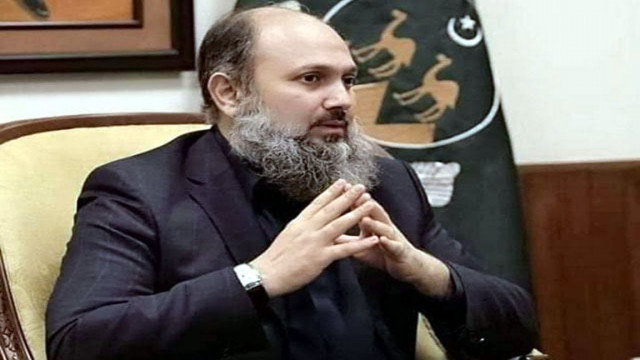
Federal Minister for Commerce Jam Kamal Khan has urged stronger cooperation between the government and industry to expand Pakistan’s exports and enhance the country’s role in global trade.
He made the remarks during a meeting with a delegation of the Rawalpindi Chamber of Commerce and Industry (RCCI), led by its President Usman Shaukat, the commerce ministry said in a statement issued on Saturday. Kamal Khan underlined the government’s commitment to supporting the business community and stressed the need to create an enabling environment for exporters. Pakistan’s economic growth, he noted, depended on removing unnecessary barriers, reducing costs for industry, and improving access to new international markets.
The commerce minister observed that global trade dynamics were shifting rapidly and urged businesses to remain proactive in identifying emerging opportunities. He emphasised that Pakistan’s industrial and commercial potential could only be realised if industries were empowered to compete globally.
“Instead of creating hurdles, we must focus on facilitating our industries. This is the only way Pakistan can capture new markets and boost national revenue,” Kamal Khan said.
The RCCI delegation assured the minister of its full cooperation with the government’s trade and industrial initiatives. It also shared proposals to help strengthen Pakistan’s presence in international markets.



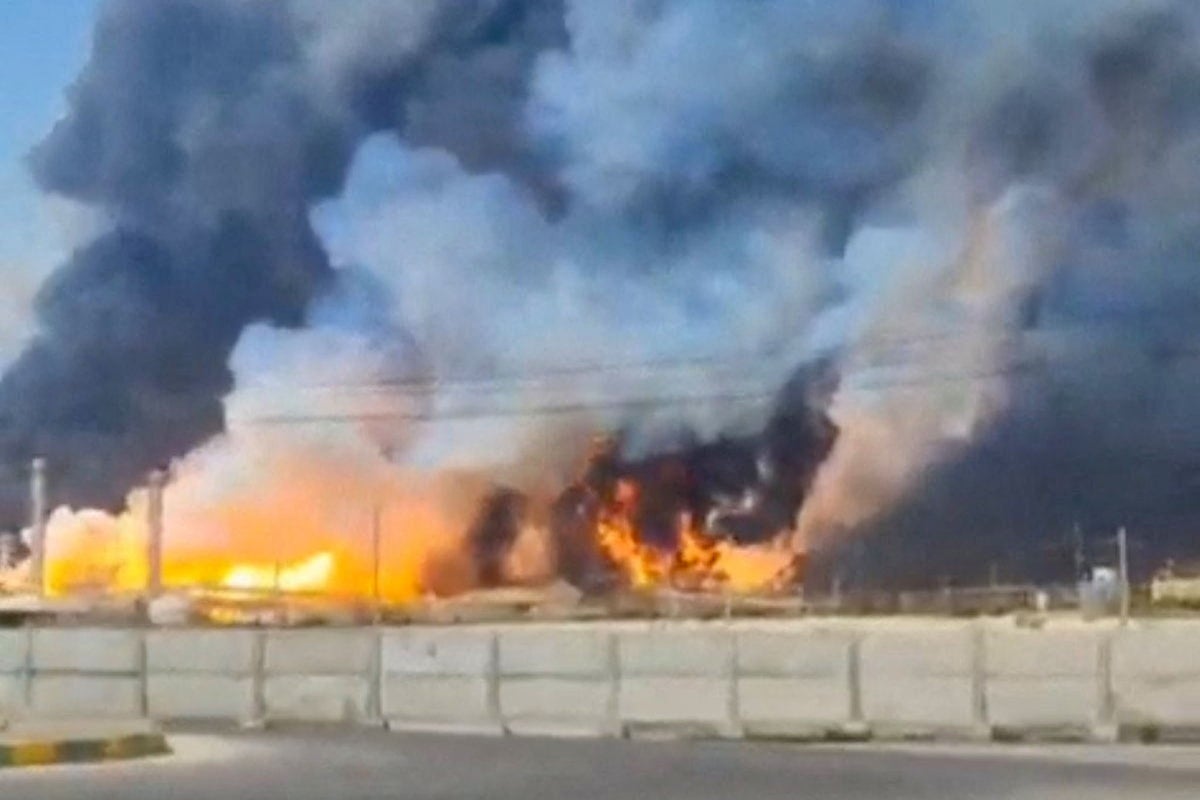
Britain is to “step up” defensive support for Gulf states after Iran attacked energy sites across the region in a “serious escalation” of the war that could push up inflation and interest rates.
The price of Brent crude climbed as high as $119 a barrel and European gas prices briefly surged by 35 per cent after Iran pounded Qatar’s Ras Laffan energy hub and other Middle Eastern oil and gas infrastructure with missiles.
Interest rates were held at 3.75 per cent instead of the previously expected cut, as the Bank of England warned that the war could push inflation as high as 3.5 per cent by July on the back of rising energy bills, and that rates could rise – creating misery for homeowners.
It came as:
- US defence secretary Pete Hegseth said “ungrateful” European allies should be thanking Donald Trump for the war
- Trump claimed he was unaware of Israel’s strike on Iran’s South Pars gas field
- Oman called the US/Israel attacks a “grave miscalculation”
- Europe’s biggest airlines warned of higher fares
Iran’s attacks were in retaliation to an Israeli strike on the vital South Pars gas field, which drew condemnation from the Gulf states as well as Tehran. It was the first attack of the war so far on an energy production facility. Tehran fired missiles at multiple energy sites across the Gulf, including a Saudi oil refinery, Qatari gas facilities and two more oil refineries in Kuwait.
While Sir Keir Starmer and Emmanuel Macron called for de-escalation, President Trump threatened to “massively blow up” the South Pars facility if Iran did not halt its retaliatory attacks, repeating his claim that US forces had “obliterated” Iran’s navy and military, adding that the war was “substantially ahead of schedule”. He denied that plans were being made to send more American troops to the region.
John Healey, the UK defence secretary, said Tehran’s tit-for-tat responses threatened to further destabilise the region and Europe’s economies. He called them a “serious escalation”, adding: “They further destabilise the region and we will step up the defensive support that we can offer to those Gulf states.”
British forces are already deployed to the Middle East, with RAF jets flying defensive sorties against Iranian drones across the Gulf and British air defence systems protecting critical infrastructure in Saudi Arabia. UK military planners have also joined US Central Command to help formulate proposals for opening the Strait of Hormuz, a critical trade route for the world’s oil and gas.But there were signs of growing frustration towards Washington’s war aims in the Gulf states, with Oman’s foreign minister claiming that the conflict was President Trump’s “greatest miscalculation”.
In the most scathing attack on Washington’s foreign policy yet by a Gulf state, Badr Albusaidi said “this is not America’s war” and criticised Mr Trump for supporting Israel. Writing in The Economist, he called on American allies to help extricate it from the conflict, which has continued for a third week despite failing to achieve the US and Israel’s stated aim of instigating regime change in Tehran or stopping its nuclear programme.
Meanwhile, the Bank of England has warned that it may have to put up interest rates if the war continues to drive up inflation and unemployment. Its governor, Andrew Bailey, said the impact was already being felt by consumers as petrol prices surge and that he is “ready to act as necessary to ensure inflation remains on track to meet the 2 per cent target”. That would pave the way for a rate hike as early as the end of April.
Bets on the financial markets suggest a 50/50 chance that Britain will face higher interest rates from next month – and the possibility of two more rises by the end of the year.
Danni Hewson, head of financial analysis at AJ Bell, said: “Markets are now pricing in an almost 50 per cent chance that April’s meeting will see rates rise to 4 per cent with the potential for two additional rate hikes by the end of the year. But no one has a crystal ball. No one knows how long the conflict will last or the amount of damage that could be inflicted on crucial energy infrastructure by the time it ends.”
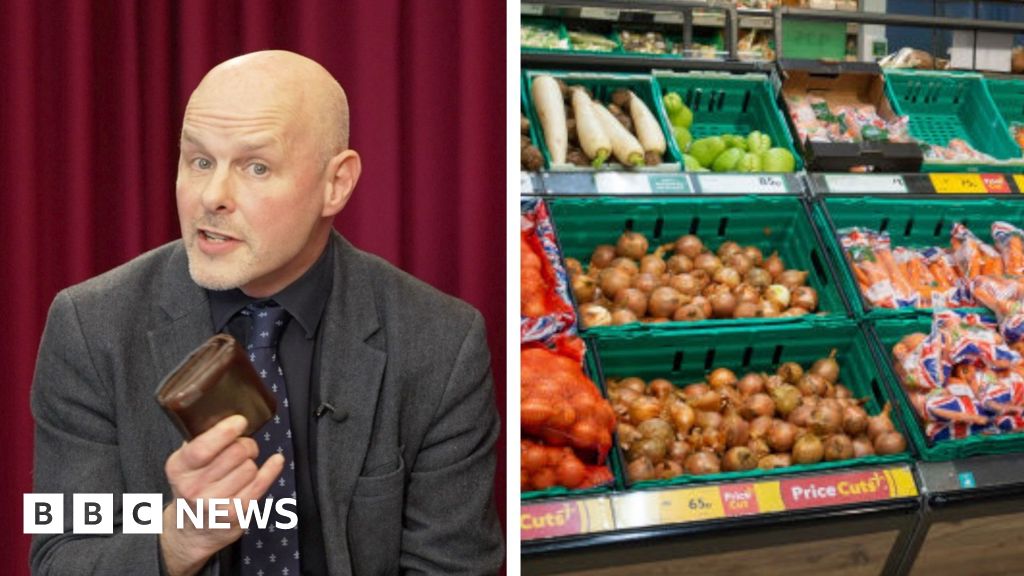
From fuel to mortgages, the BBC looks at how oil and gas prices could push up the cost of living.
Source link
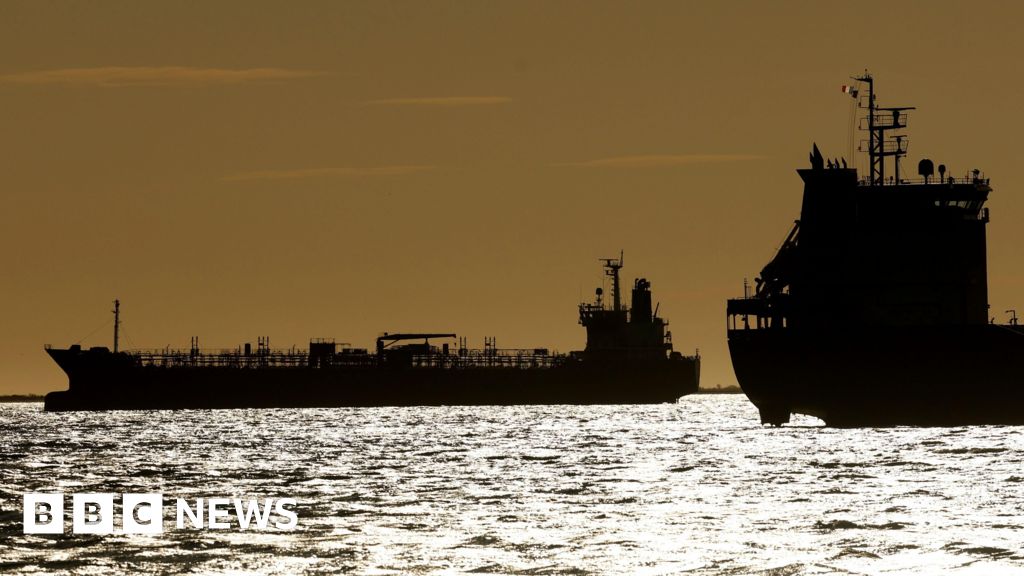
“To put it mildly, this is bananas,” said David Tannenbaum, director of Blackstone Compliance Services, a consultancy specialising in maritime sanctions. “Essentially we’re allowing Iran to sell oil, which could then be used to fund the war effort.”


TCU backs up its tough talk, bounces Buckeyes in 1st round

“The Bachelorette” season with Taylor Frankie Paul canceled after 2023 video surfaces, ABC says

‘Uncanny Valley’: Nvidia’s ‘Super Bowl of AI,’ Tesla Disappoints, and Meta’s VR Metaverse ‘Shutdown’

Stock market crash today (March 12, 2026): Nifty50 opens below 23,600; BSE Sensex down over 900 points on continuing US-Iran war – The Times of India

UK’s Topshop unveils Tolu Coker capsule collection
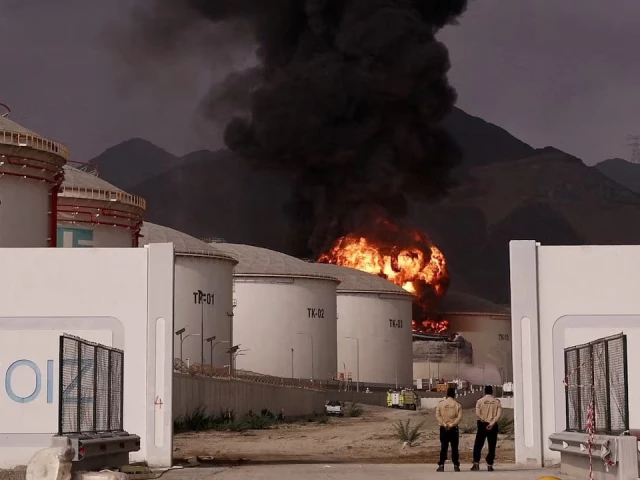
US ignites Iran war, but Gulf Arab states pay the price | The Express Tribune

-
Business1 week ago
Stock market crash today (March 12, 2026): Nifty50 opens below 23,600; BSE Sensex down over 900 points on continuing US-Iran war – The Times of India
-
 Fashion1 week ago
UK’s Topshop unveils Tolu Coker capsule collection
-
Business1 week ago
US ignites Iran war, but Gulf Arab states pay the price | The Express Tribune
-

 Fashion1 week ago
India’s textile recycling market may reach $3.5 bn by 2030: Report
-
 Tech1 week ago
Meta Developed 4 New Chips to Power Its AI and Recommendation Systems
-

 Sports1 week ago
Bangladesh crush Pakistan in ODI series opener | The Express Tribune
-
 Business1 week ago
8th Pay Commission: How Much Will Central Govt Employees’ Salaries Rise? What We Know So Far
-

 Entertainment1 week ago
Ed Sheeran makes surprising Benny Blanco confession after hygiene uproar