

Business
Eli Lilly’s next-generation obesity drug retatrutide clears first late-stage diabetes trial


Eli Lilly on Thursday said its next-generation obesity drug retatrutide cleared its first late-stage trial on Type 2 diabetes patients, helping them manage their blood sugar levels and lose weight.
The drug lowered hemoglobin A1c — a key measure of blood sugar levels — by an average of 1.7% to 2% across different doses at 40 weeks compared to placebo, meeting the study’s main goal. Patients started the trial with an A1c in the range of 7% to 9.5%, and were not taking other diabetes medications.
Retatrutide also met the study’s second goal, helping patients at the highest dose lose an average of 16.8% of their weight, or 36.6 pounds, at 40 weeks, when evaluating only patients who stayed on the drug. When analyzing all participants, including those who discontinued treatment, the highest dose of the drug helped patients lose 15.3% of their weight.
Patients with Type 2 diabetes historically struggle to lose weight, so Lilly is “very excited” to see that the drug led to both a competitive drop in blood sugar levels and significant weight loss, Ken Custer, president of Lilly Cardiometabolic Health, said in an interview.
The company was also “very pleased” with the relatively low discontinuation rates due to side effects, which were up to 5%, he added.
They are the second late-stage results to date on retatrutide, which works differently from existing injections and appears to be more effective, at least for weight loss. Lilly is betting big on retatrutide as the next pillar of its obesity portfolio after its blockbuster weight loss injection Zepbound and its upcoming pill, orforglipron.
But Lilly has yet to file for approval for the drug for obesity or diabetes. The company expects to report findings from seven additional phase three trials on the drug by the end of the year.
There are no head-to-head trials of retatrutide against other drugs, making it difficult to directly compare efficacy.
Still, retatrutide’s A1C reduction doesn’t appear to be the greatest Lilly has seen within its portfolio: The highest dose of Zepbound lowered the measure by more than 2% at 40 weeks in two separate trials on diabetes patients.
But Custer said retatrutide’s A1C reduction is still “very, very strong” compared to other diabetes medications that don’t target gut hormones.
He also said that having options in the obesity and diabetes space will be important because “not everybody is going to be helped with or satisfied with the same treatment.” Choosing which drug to take will depend on “individualized tailoring of solutions and patients,” particularly earlier in their diabetes treatment, he added.
For example, Custer said patients who want to regulate their blood sugar could benefit from either Zepbound or retatrutide. But if they are looking to lose more weight, the latter might be a better option, he said.
In the two separate diabetes trials, Zepbound helped patients lose slightly less weight than retatrutide did. In one study called SURPASS-2, the highest dose of Zepbound helped patients lose an average of 13.1% of their weight at 40 weeks. In the other study, SURPASS-1, the highest dose helped patients lose an average of 11% of their weight at the 40-week mark.
Retatrutide’s safety profile was similar to other injectable diabetes and obesity drugs, primarily causing gastrointestinal side effects. Around 26.5% of patients on the highest dose experienced nausea, while roughly 22.8% and 17.6% had diarrhea and vomiting, respectively.
Low rates of patients experienced dysesthesia, which is an unpleasant nerve sensation.
Dubbed the “triple G” drug, retatrutide works by mimicking three hunger-regulating hormones – GLP-1, GIP and glucagon – rather than just one or two like existing treatments. That appears to have more potent effects on a person’s appetite and satisfaction with food than other treatments.
Tirzepatide, the active ingredient in Zepbound, mimics GLP-1 and GIP. Novo Nordisk’s semaglutide, the active ingredient in Wegovy, mimics only GLP-1.
As retatrutide inches closer to the market, Novo is racing to catch up to Lilly. In March 2025, Novo said it agreed to pay up to $2 billion for the rights to an early experimental drug from the Chinese pharmaceutical company United Laboratories International.
Novo’s newly acquired drug is a clear potential competitor to retatrutide because it similarly uses a three-pronged approach to promoting weight loss and regulating blood sugar. But Novo’s treatment is much earlier in development, meaning it will take several years before it reaches patients.






NEW DELHI: The West Asia conflict is pushing govt to look at a faster transition towards renewable energy, including the possibility of increasing ethanol blending in petrol from 20-25%, although in a calibrated manner. This will come along with increased refining capacity within the country, so that there is a buffer in the system and greater domestic resilience, those familiar with the discussions said, pointing out that sustaining refineries at 100% capacity is not sustainable.While Barmer refinery has begun operations, expansion at Numaligarh is underway and work on integrated refineries on the west coast is also under focus. Apart from a mega refinery in Maharashtra, a new facility in Gujarat is also planned.Officials said rising use of renewables, biofuels and hydrogen in the energy mix was no longer just an environmental issue, but a strategic necessity in a situation like the present one, where the military conflict in West Asia has disrupted global energy supplies, triggering a supply crisis and a surge in oil and gas prices.According to officials, 20% ethanol blending has helped India save 4.5 crore barrels of crude annually and reduce foreign exchange outflow by around ₹1.5 lakh crore so far. Given the concerns over fuel efficiency and impact on vehicles, govt is expected to take a gradual approach that addresses the anxiety on ethanol blending. The third pillar on energy is expanding the strategic petroleum reserves.
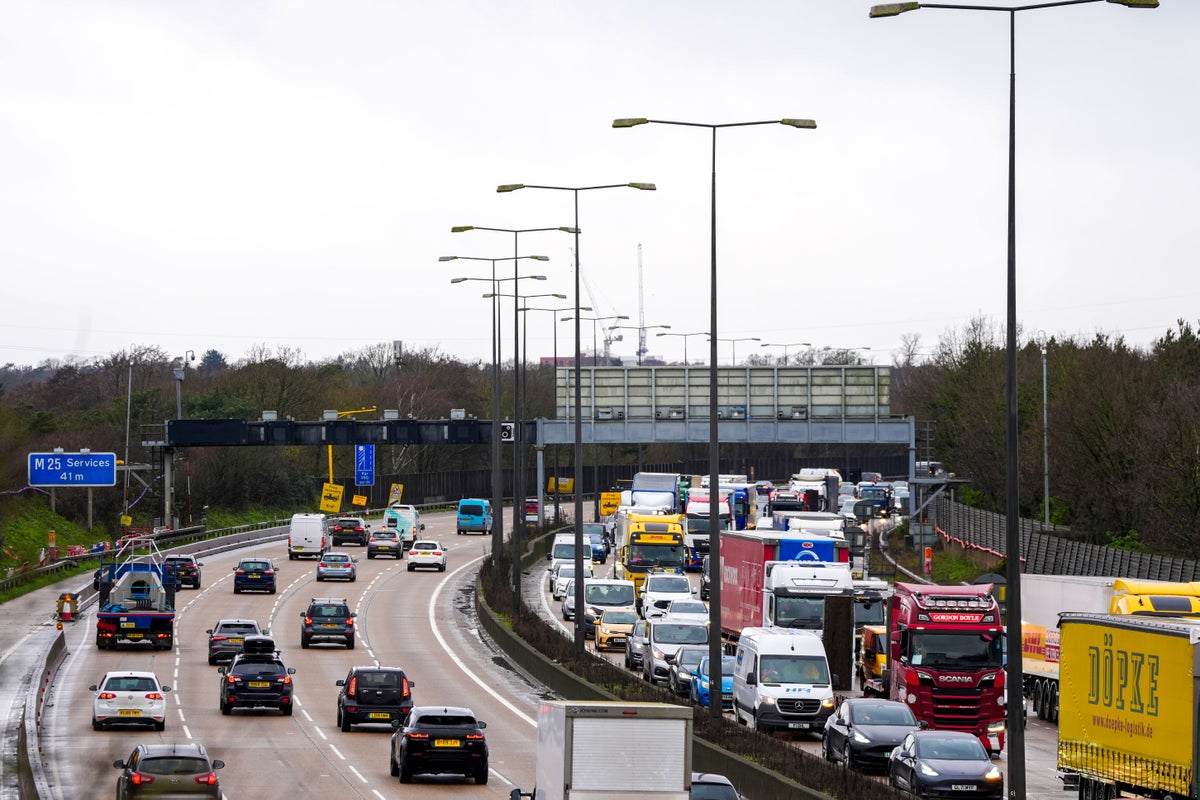
Millions of car finance payouts are in jeopardy after the UK’s financial watchdog indicated its compensation scheme faces significant delays, changes, or even collapse.
This uncertainty stems from four legal challenges against the Financial Conduct Authority (FCA).
The FCA has advised motor finance firms to prepare for the possibility that its redress scheme, which could see an average payout of £829, may not proceed.
The regulator stated that while a hearing date is unclear, these cases are unlikely to be heard before October.
In the meantime, it is in discussions about the “possibility of suspending some elements” of its compensation scheme, while still urging lenders to prepare for payouts.
But the regulator said it was also considering its options should parts of the scheme be quashed by the courts, including proceeding with a revised version or asking lenders to plan for a scenario where “there would be no scheme”.
This could mean lenders need to be ready to respond to complaints from car finance customers individually, rather than under the rules of an industry-wide programme set by the FCA.
“Many people will be frustrated that the legal action will delay payouts due to begin this year,” the FCA said.
“We remain committed to ensuring consumers receive any compensation owed as promptly as possible.”
The FCA set out the final details of its compensation scheme in March, which it estimated could cost the industry about £9.1 billion in total.
It had been expecting millions of claims to be paid out this year and the vast majority settled by the end of 2027.
The financial services arms of carmakers Volkswagen and Mercedes-Benz and the car finance arm of French bank Credit Agricole, as well as Consumer Voice, a group representing consumers, are asking the courts to quash the scheme, arguing the rules are unlawful.
“Between the four separate legal challenges, it is claimed in effect that the FCA’s approach to establishing the schemes has been both unduly favourable to consumers and unduly favourable to lenders,” the watchdog said.
At least one claim alleges that the FCA has breached the rights of lenders under the 1998 Human Rights Act, according to the watchdog.
Despite the uncertainty of the legal cases, the watchdog is still advising consumers to complain directly to their lender if they think they might be owed compensation, which they can do for free using a template letter on its website.

The federal government has increased petrol and diesel prices by nearly Rs15 per litre each for the next week.
In a notification issued on Friday, the Petroleum Division said new fuel rates will come into effect from May 9.
The price of petrol has jumped from Rs399.86 to Rs414.78, while the HSD price increased from Rs399.58 to Rs414.58 per litre.
This marks the third consecutive increase in petrol and diesel prices after cumulative hikes of Rs33.28 on petrol and Rs46.16 on diesel over the previous two weeks.
The government has been reviewing petroleum prices every Friday night amid global oil market volatility linked to the US-Iran conflict.
Global oil prices were up more than 1% on Friday after renewed fighting broke out between the US and Iran, threatening a shaky ceasefire and dashing hopes for progress on reopening the Strait of Hormuz, a key oil and gas transit route.
Brent crude futures were up $1.41, or 1.41%, at $101.47 a barrel as of 0123 GMT. West Texas Intermediate (WTI) US crude futures rose by $1.12, or 1.18%, to $95.93 a barrel. At the market open prices had risen by more than 3%.
Petrol is mainly used by commuters in small vehicles, rickshaws and two-wheelers. Higher fuel prices significantly impact the budgets of middle and lower-middle-class households, who rely on petrol for daily travel.
On the other hand, a significant portion of the transport sector relies on high-speed diesel.
Its price is considered inflationary since it is predominantly used in heavy goods transport vehicles, trucks, buses, trains, and agricultural machinery such as tractors, tube wells, and threshers.
The consumption of high-speed diesel particularly contributes to the increased prices of vegetables and other food items.


Timberwolves’ coach Finch blasts Tony Brothers for ‘unprofessional’ conduct

Top Sri Lankan Buddhist monk arrested over alleged sex abuse

Romeo Beckham shares loved up moment with girlfriend Kim Turnbull

-

 Politics6 days ago
Iran weighs US reply delivered via Pakistan as Trump signals opposition to deal terms
-

 Tech1 week ago
Almost half of UK businesses hit by cyber attacks | Computer Weekly
-

 Tech1 week ago
This Indigenous Language Survived Russian Occupation. Can It Survive YouTube?
-

 Fashion1 week ago
Canada’s Lululemon appoints Esi Eggleston Bracey to board of directors
-

 Fashion1 week ago
US’ J.Jill, Inc. appoints Kimberly Wallengren as CMO
-

 Entertainment1 week ago
David Allan Coe, country singer who wrote “Take This Job and Shove It,” dies at age 86
-
 Business1 week ago
Government hikes jet fuel prices by 5% for international airlines – The Times of India
-

 Entertainment1 week ago
China’s brain-control weapons race being led by Harvard scientist who was jailed in US