

Fashion
Spring/Summer stockpile: Discounts loom amid war delays

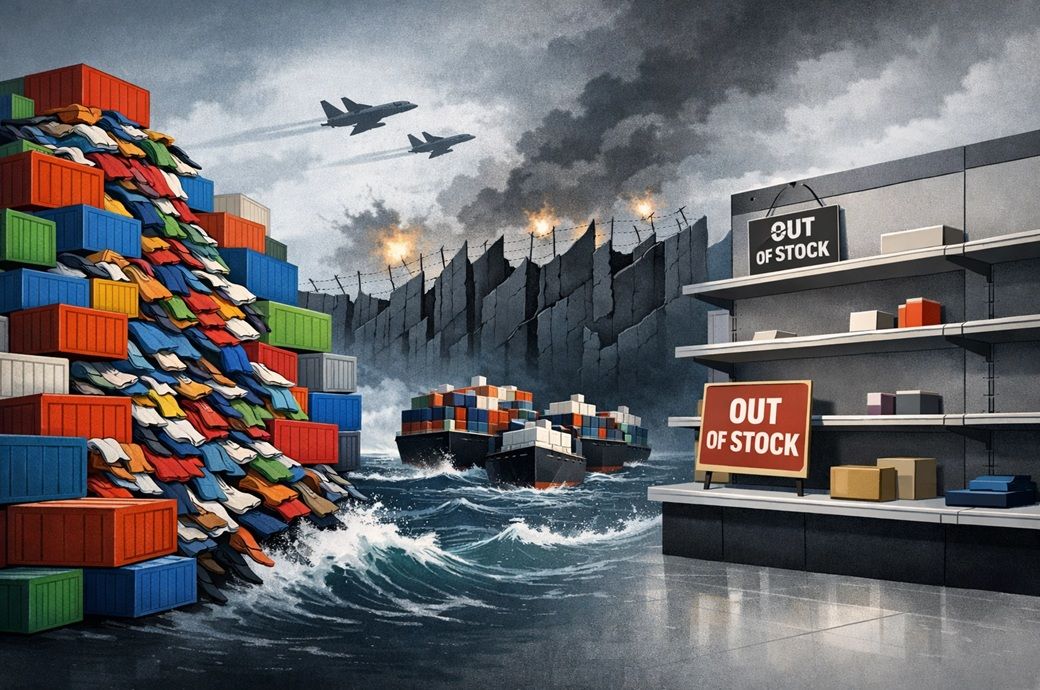
Fast fashion faces a dual squeeze from longer transit times and rising input costs, weakening both speed and affordability.
Supply chain bottlenecks are creating a mismatch: inventory is piling up at origin while destination markets remain understocked.
Shipping delays are eroding seasonal relevance, which may force retailers to discount higher-margin products that miss peak selling windows.
Source link











The Ludhiana market witnessed stability in cotton yarn prices following last week’s increase, amid cautious buying sentiment. A trader told Fibre*Fashion, “Buyers were buying cotton yarn with cautious approach as global trade uncertainty is looming after failed talks between the US and Iran. Local garment demand remained supportive for the trade.”
In Ludhiana, ** count cotton combed yarn was sold at ****;***–*** (~$*.**–*.**) per kg (inclusive of GST); ** and ** count combed yarn were traded at ****;***–*** (~$*.**–*.**) per kg and ****;***–*** (~$*.**–*.**) per kg, respectively; and carded yarn of ** count was noted at ****;***–*** (~$*.**–*.**) per kg today, according to trade sources.

The strategy brings together funding, education, skills, space, partnerships and global access into a connected system designed to nurture creative excellence, strengthen commercial resilience and drive long-term growth, the BFC said in a press release.
The BFC has launched ‘BFC 2030: Access, Creativity, Growth,’ shifting from promotion to industry support.
The strategy integrates funding, education, and global access, while introducing initiatives to nurture talent, build skills, and expand partnerships.
It aims to strengthen resilience, support designers, and sustain the UK fashion industry’s long-term economic and cultural impact.
BFC will modernise its membership structure, refresh its prizes and programmes, and expand scholarships to strengthen support for British craft, innovation, and manufacturing, while creating clearer routes from education into the fashion industry.
To enable long-term growth, it will deliver four core initiatives: BFC Fashion Assembly, which reconnects designers with schools and communities to champion arts education and inspire future talent; BFC Fashion House, providing shared studio spaces and resources across the UK; BFC Mini MBA, equipping emerging leaders with expertise in business, technology, and sustainability; and BFC International, focused on growing global partnerships, increasing fundraising, and boosting trade and export opportunities for UK designers.
Delivered through a structured three-year growth plan and a fourth year focused on measurement and scale, the strategy positions the BFC not simply as a promoter of fashion, but as a steward of a national creative asset, convening partners, unlocking investment and enabling designers to build resilient, future-facing businesses and support long-term industry growth.
“Fashion is not ornamental. It is strategic. What we wear speaks before we do. It shapes identity, expresses culture and signals what we stand for. The industry contributes £67.5 billion (~$89.8 billion) in gross value added annually to the UK economy, supporting jobs, exports, tourism and soft power. Yet the creative engine that drives this impact is under critical strain and if left unchecked, we risk weakening both the nation’s cultural influence and economic resilience,” said Laura Weir, chief executive, British Fashion Council.
“This strategy sets out how we will act, unlocking smarter funding pathways, building stronger partnerships and supporting designers to create resilient, future-facing businesses. The British Fashion Council cannot deliver this alone. But we can convene, catalyse and lead, working collectively to ensure that Britain’s fashion creativity endures and thrives for generations to come,” added Weir.
Fibre2Fashion News Desk (RR)
Regional growth is projected to slow to 4.2 per cent this year from 5 per cent in 2025 as the energy shock triggered by the Middle East conflict compounds the adverse impact of elevated trade barriers, global policy uncertainty and domestic economic difficulties, the World Bank said in a press release.
The East Asia and Pacific region’s growth is slowing in 2026 due to external shocks, a World Bank Group report said.
Regional growth is projected to slow to 4.2 per cent in 2026 from 5 per cent in 2025.
Growth in China is projected to decelerate from 5 per cent in 2025 to 4.2 per cent in 2026 and 4.3 per cent in 2027.
Prolonged conflict may further raise economic distress and reduce regional growth.
Growth in China is projected to decelerate from 5 per cent in 2025 to 4.2 per cent in 2026 and 4.3 per cent in 2027 as weak domestic demand and property sector challenges persist, and the global slowdown dampens export growth.
Growth in the rest of the region will slow to 4.1 per cent in 2026 and is projected to rebound to 5 per cent in 2027 as geopolitical tensions ease and uncertainty diminishes, a World Bank release said citing the document.
“Growth in East Asia and Pacific continues to outperform much of the world, even in uncertain times,” said Carlos Felipe Jaramillo, World Bank’s vice president for the region.
“Yet, sustaining growth levels requires countries to confront structural challenges and seize the opportunity of the digital age to increase productivity and create more jobs,” he added.
The impact of the Middle East conflict depends on each country’s reliance on energy imports, existing vulnerabilities, and economic policy flexibility.
Prolonged and intensified conflict may further increase economic distress and reduce regional growth. A sustained 50-per cent increase in fuel prices could lead to a 3-4-per cent loss in income for households in the region.
Targeted support—for both the poor and the vulnerable and the small and medium enterprises—can help those most in need without fiscal strain, the release added.
The bank identifies surging artificial intelligence (AI)-related exports and investment as a bright spot in 2025, especially in Malaysia, Thailand and Viet Nam.
AI could also lead to higher productivity growth, but adoption in EAP remains limited because of gaps in connectivity and skills. Only 13-17 per cent of multinational subsidiaries in China and Thailand currently use AI, which is one third of the proportion in industrial countries.
Fibre2Fashion News Desk (DS)


North India cotton yarn prices steady amid slow demand
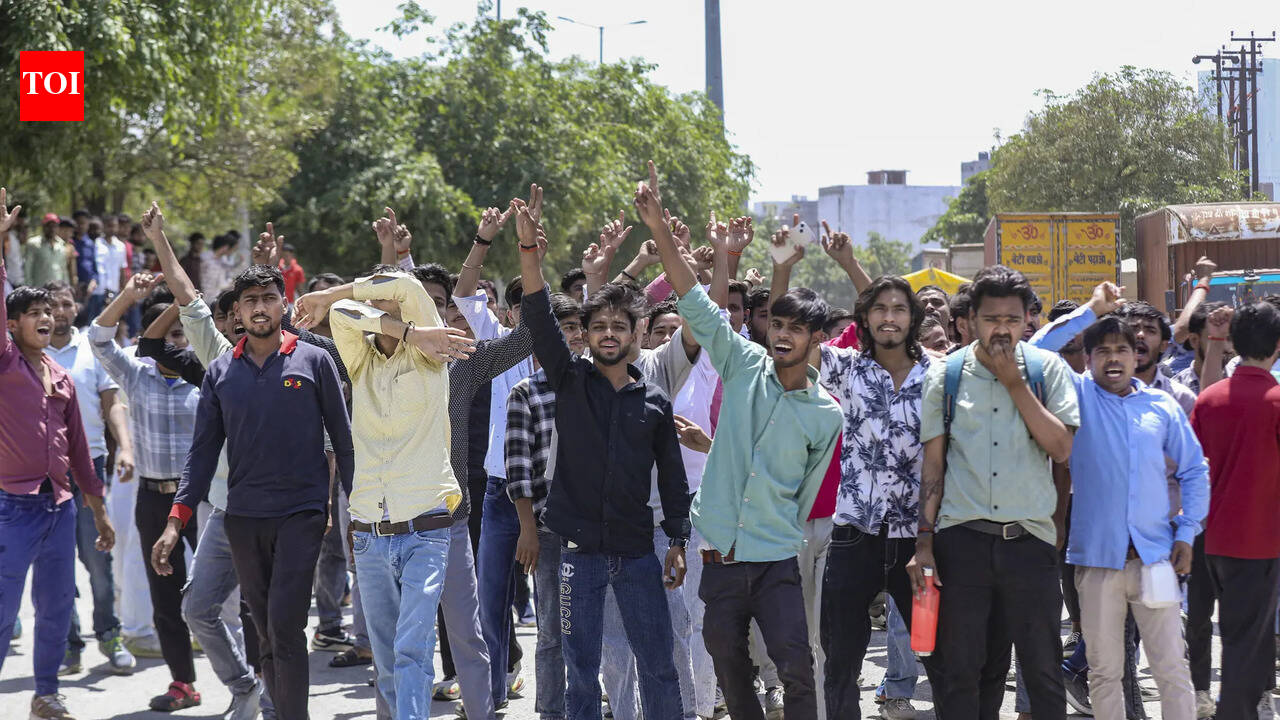
UP hikes minimum wages across categories amid Noida protest: What workers will now earn – The Times of India

Blessing Muzarabani banned for two editions of PSL

-

 Fashion7 days ago
India’s exports face reset as EU links trade to carbon metrics: EY
-

 Entertainment6 days ago
Queen Elizabeth II emotional message for Archie, Lilibet sparks speculation
-

 Tech6 days ago
As the Strait of Hormuz Reopens, Global Shipping Will Take Months to Recover
-

 Tech6 days ago
Azure customers up in arms over ‘full’ UK South region | Computer Weekly
-

 Entertainment1 week ago
Lamar Odom shocking response to Khloé Kardashian account of his overdose
-

 Sports1 week ago
With Messi goal, Inter Miami open new stadium with dream moment
-

 Tech5 days ago
This AI Button Wearable From Ex-Apple Engineers Looks Like an iPod Shuffle
-

 Fashion6 days ago
CII submits 20-pt agenda to Indian govt to back firms hit by Iran war