

Politics
White House declares Iran war ‘terminated’ as Trump admin sidesteps War Powers deadline

- Deadline arrives as Iran sends new peace proposal.
- War has roiled markets, raised prices, angering consumers.
- Unpopular conflict continues six months before US elections.
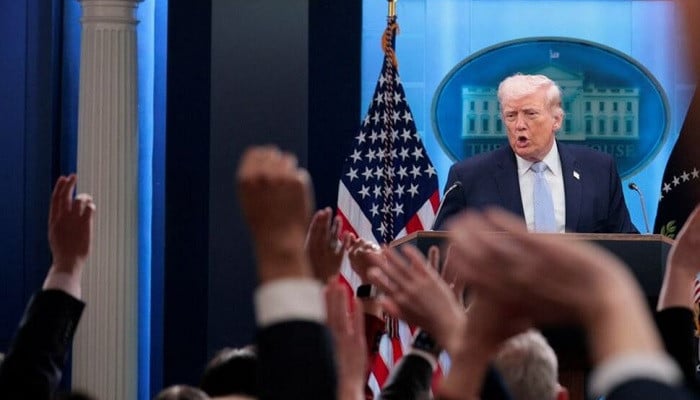
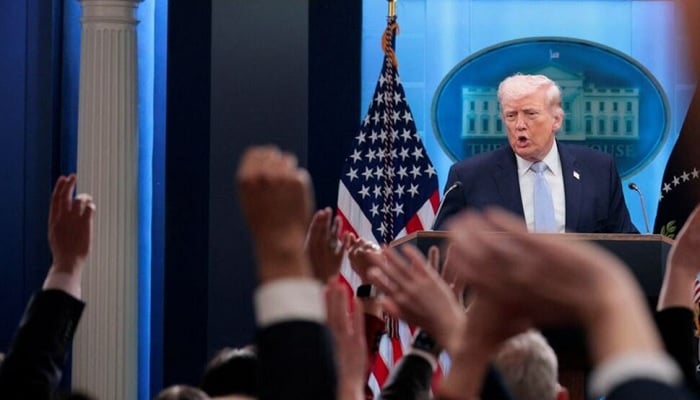
US President Donald Trump’s administration argued that a ceasefire with Tehran had “terminated” hostilities as a legal deadline arrived on Friday for coming to Congress about the two-month Iran war.
Under the 1973 War Powers Resolution, the president can wage military action for only 60 days before ending it, asking Congress for authorisation or seeking a 30-day extension due to “unavoidable military necessity regarding the safety of United States Armed Forces” while withdrawing forces.
The war began on February 28, when Israel and the US began airstrikes on Iran. On Friday, the Iranian state news agency IRNA said Tehran had sent its latest proposal for negotiations with the US to Pakistani mediators.
Trump formally notified Congress of the conflict 48 hours after the first airstrikes, starting the 60-day clock that ends May 1.
As that date approached, congressional aides and analysts said they expected the Republican president to sidestep the deadline. A senior Trump administration official said on Thursday the administration’s view was that the war powers law deadline did not apply.
“For War Powers Resolution purposes, the hostilities that began on Saturday, February 28, have terminated,” said the official, requesting anonymity while describing the administration’s thinking.
No way out: Democrat Senator
Congressional Democrats, who have tried repeatedly to pass war powers legislation that would force Trump to end the war or come to Congress for authorisation, dismissed that characterisation, saying there was nothing in the 1973 law allowing for a ceasefire.
They also said the continuing deployment of US ships blockading Iranian oil exports was evidence of continuing hostility, not a ceasefire.
“After sixty days of conflict, President Trump still does not have a strategy or way out for this poorly planned war,” Senator Jeanne Shaheen of New Hampshire, the top Democrat on the Senate Foreign Relations Committee, said in a statement calling the deadline “a clear legal threshold” for Trump to act.
Party loyalty as elections loom
Trump’s fellow Republicans, who hold slim majorities in the Senate and House of Representatives and rarely break from Trump, have voted almost unanimously to block every resolution seeking to end the conflict.
The Iran war has killed thousands, caused billions of dollars in damage and roiled world markets, disrupting energy shipments and boosting a wide range of consumer prices.
Polls show the war is unpopular among Americans, six months before the November elections that will determine who controls Congress next year.
Trump’s approval rating sank to the lowest level of his current term this week, as Americans blamed the war for higher prices.
The US Constitution says only Congress, not the president, can declare war, but that restriction does not apply to short-term operations or to counter an immediate threat.
On Thursday, Trump received a briefing on plans for fresh military strikes to compel Iran to negotiate an end to the conflict.
If fighting resumes, Trump can tell lawmakers he has started a new 60-day clock. Presidents from both parties have repeatedly done so when waging intermittent hostilities since Congress passed the War Powers Act in response to the Vietnam War.
That conflict, widely unpopular with Americans, was also not authorised by Congress.
- Trump and Germany’s Merz in diplomatic spat over Iran war.
- US president reacting to Merz remarks, Pentagon official says.
- Some 35,000 US military personnel are stationed in Germany.
The United States is withdrawing 5,000 troops from NATO ally Germany, the Pentagon announced on Friday, as a rift over the Iran war widens between President Donald Trump and Europe.
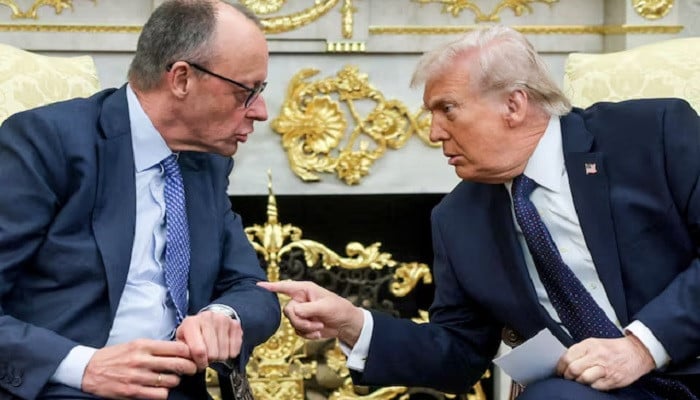
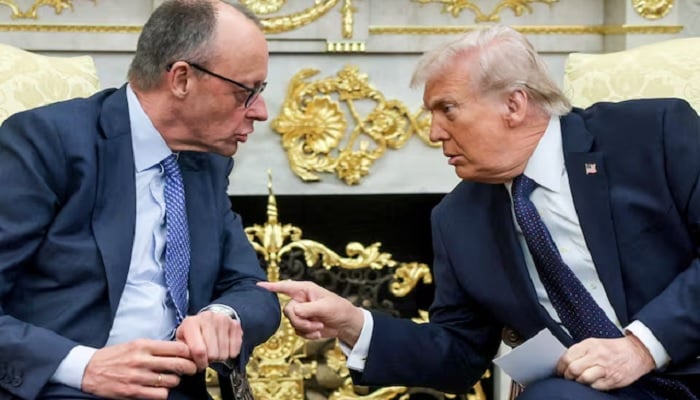
Trump had threatened a drawdown in forces earlier this week after sparring with German Chancellor Friedrich Merz, who said on Monday the Iranians were humiliating the US in talks to end the two-month-old war and that he did not see what exit strategy Washington was pursuing.
A senior Pentagon official, speaking on condition of anonymity, said recent German rhetoric had been “inappropriate and unhelpful.”
“The president is rightly reacting to these counterproductive remarks,” the official said.
The Pentagon said the withdrawal was expected to be completed over the next six to 12 months. Germany is home to some 35,000 active-duty US military personnel, more than anywhere else in Europe.
The official said the drawdown would bring US troop levels in Europe back to roughly pre-2022 levels, before Russia’s invasion of Ukraine triggered a buildup by then-President Joe Biden.
The official also cast the decision in terms of the Trump administration’s push for Europe to become the main security provider on the continent. But it is nonetheless another potent reminder of Trump’s willingness to respond to perceived disloyalty by allies.
Reuters exclusively reported last week an internal Pentagon email that outlined options to punish Nato allies that Washington believes failed to support US operations in the war with Iran, including suspending Spain from Nato and reviewing the US position on Britain’s claim to the Falkland Islands.
Clashes with Europeans
It is unclear if more withdrawals from Europe will follow. On Thursday, Trump said “probably” when asked whether he would consider pulling US troops out of Italy and Spain.
Last month, he threatened to impose a full US trade embargo on Spain, where the Socialist leadership said it would not allow its bases or airspace to be used to attack Iran. The United States has two important military bases in Spain: Naval Station Rota and Morón Air Base.
Trump has also clashed with Italian Prime Minister Giorgia Meloni over the Iran war and Trump’s criticism of Pope Leo. The US president said in April that Meloni, once a strong Trump supporter, lacked courage and had let Washington down.
Trump has chastised NATO allies, too, for not sending their navies to help open the Strait of Hormuz. The waterway, a chokepoint for global oil shipments, has remained virtually shut during the Iran conflict, causing market turmoil and unprecedented disruption in energy supplies.
“The president has been very clear about his frustrations about our allies’ rhetoric and failure to provide support for US operations that benefit them,” the senior Pentagon official said.
German ties fray
Merz has said Germans and Europeans were not consulted before the US and Israel started attacking Iran on February 28, and that he had conveyed his scepticism about the conflict directly to Trump afterwards.
Trump has long wanted to reduce the US troop presence in Germany. He pushed for a reduction of about 12,000 troops at the end of his first term, but that cut was never enacted. Trump lost the election, and Biden reversed the plan.
Trump’s Wednesday announcement that he was reviewing US troop levels in Germany surprised German military officials who spoke to Reuters, citing what they called constructive meetings at the Pentagon earlier in the day.
They argue that Germany has done more than other allies to support the US war in Iran, including allowing the use of bases and giving permission for overflights. Germany is also home to a huge military hospital in Landstuhl.
Earlier this week, the German government approved key targets for its 2027 budget, including a strong commitment to increase defence spending.
Imran Bayoumi, a former Pentagon official, said that while the cuts in Germany were not as drastic as they might have been, they nonetheless risked further dividing the United States and Europe.
“European leaders will likely push more to bolster their defence spending, viewing Washington as increasingly unreliable and untrustworthy,” said Bayoumi, now with the Atlantic Council.
As part of Trump’s withdrawal decision, a brigade combat team now in Germany will be pulled out of the country, and a long-range fires battalion that the Biden administration had planned to begin deploying to Germany later this year will no longer deploy, the official said.
- Deadline arrives as Iran sends new peace proposal.
- War has roiled markets, raised prices, angering consumers.
- Unpopular conflict continues six months before US elections.
US President Donald Trump’s administration argued that a ceasefire with Tehran had “terminated” hostilities as a legal deadline arrived on Friday for coming to Congress about the two-month Iran war.
Under the 1973 War Powers Resolution, the president can wage military action for only 60 days before ending it, asking Congress for authorisation or seeking a 30-day extension due to “unavoidable military necessity regarding the safety of United States Armed Forces” while withdrawing forces.
The war began on February 28, when Israel and the US began airstrikes on Iran. On Friday, the Iranian state news agency IRNA said Tehran had sent its latest proposal for negotiations with the US to Pakistani mediators.
Trump formally notified Congress of the conflict 48 hours after the first airstrikes, starting the 60-day clock that ends May 1.
As that date approached, congressional aides and analysts said they expected the Republican president to sidestep the deadline. A senior Trump administration official said on Thursday the administration’s view was that the war powers law deadline did not apply.
“For War Powers Resolution purposes, the hostilities that began on Saturday, February 28, have terminated,” said the official, requesting anonymity while describing the administration’s thinking.
No way out: Democrat Senator
Congressional Democrats, who have tried repeatedly to pass war powers legislation that would force Trump to end the war or come to Congress for authorisation, dismissed that characterisation, saying there was nothing in the 1973 law allowing for a ceasefire.
They also said the continuing deployment of US ships blockading Iranian oil exports was evidence of continuing hostility, not a ceasefire.
“After sixty days of conflict, President Trump still does not have a strategy or way out for this poorly planned war,” Senator Jeanne Shaheen of New Hampshire, the top Democrat on the Senate Foreign Relations Committee, said in a statement calling the deadline “a clear legal threshold” for Trump to act.
Party loyalty as elections loom
Trump’s fellow Republicans, who hold slim majorities in the Senate and House of Representatives and rarely break from Trump, have voted almost unanimously to block every resolution seeking to end the conflict.
The Iran war has killed thousands, caused billions of dollars in damage and roiled world markets, disrupting energy shipments and boosting a wide range of consumer prices.
Polls show the war is unpopular among Americans, six months before the November elections that will determine who controls Congress next year.
Trump’s approval rating sank to the lowest level of his current term this week, as Americans blamed the war for higher prices.
The US Constitution says only Congress, not the president, can declare war, but that restriction does not apply to short-term operations or to counter an immediate threat.
On Thursday, Trump received a briefing on plans for fresh military strikes to compel Iran to negotiate an end to the conflict.
If fighting resumes, Trump can tell lawmakers he has started a new 60-day clock. Presidents from both parties have repeatedly done so when waging intermittent hostilities since Congress passed the War Powers Act in response to the Vietnam War.
That conflict, widely unpopular with Americans, was also not authorised by Congress.
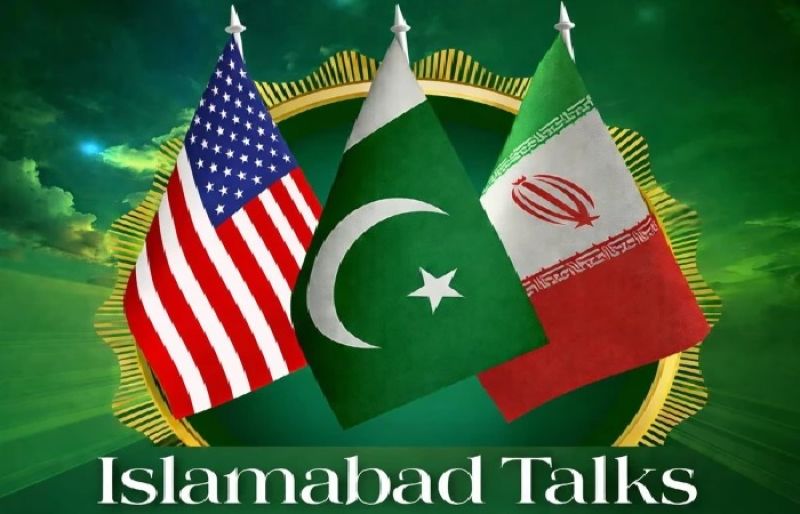
Iran delivered a new proposal for peace talks with the US via mediator Pakistan, state media reported on Friday, with negotiations between the two sides frozen despite a weeks-long ceasefire.
The text of the proposal was handed to Islamabad on Thursday evening, the IRNA news agency reported.
The war, launched by the United States and Israel with a vast wave of surprise strikes on February 28 has been on hold since April 8, but only one failed round of direct talks has taken place between Iranian and US representatives.
In the meantime, Iran has maintained its stranglehold on the Strait of Hormuz, cutting off vast amounts of oil, gas and fertiliser from the world economy, while the United States has imposed a counterblockade on Iranian ports.
The Wall Street Journal reported on Thursday that US President Donald Trump had told security officials to prepare for the blockade to last months, causing oil prices to spike.
Despite the failure to negotiate an end to the war, the ceasefire has held. On Friday, judiciary chief Gholamhossein Mohseni Ejei, a senior figure and well-respected cleric, said “the Islamic Republic has never shied away from negotiations”.
But in yet another sign that finding a compromise may prove difficult, Ejei said “we certainly do not accept imposition”, in a video shared by the judiciary’s Mizan Online website.
Tehran, though, does not want a return to war, he said.
“We do not welcome war in any way; we do not want war, we do not want its continuation.”
The lack of fighting has not assuaged markets, with oil prices still more than 50% above their prewar levels as traders confront a prolonged closure of Hormuz, while the European Central Bank held interest rates amid fears of soaring inflation.
War powers debate
Washington, meanwhile, was gripped by a legalistic debate over whether Trump had passed a deadline for requesting congressional approval for his war with Iran.
Administration officials, including defence secretary Pete Hegseth, insisted that the ceasefire meant that the clock was paused on a 60-day deadline requiring the president to seek war powers authorisation from Congress.
“For War Powers Resolution purposes, the hostilities that began on Saturday, February 28 have terminated,” a senior administration official told AFP late on Thursday.
Trump is under increasing domestic pressure over the war, with no clear victory in sight, inflation spiking due to the conflict and midterm elections due in November.
On Thursday, US government data showed slower than expected growth and inflation hit 3.5%.
In Iran, meanwhile, the economic consequences of the war, which come on top of years of fierce international sanctions, were beginning to bite.
On Thursday, the US military said its blockade had stopped Iran from exporting $6 billion worth of oil, while inflation, already above 45% before the war, reached 53.7% in recent weeks, according to the national statistics centre.
“For many people, paying rent and even buying food has become difficult, and some have nothing left at all,” 28-year-old Mahyar told an AFP reporter based outside Iran, saying the company he worked for had laid off 34 people – nearly 40% of its staff.
Hormuz missions
Trump has repeatedly lashed out at Washington’s international allies for failing to join efforts to reopen the Strait of Hormuz.
France and Britain have led efforts to bring together an international coalition of dozens of countries that would help reopen the strait, but only once peace is secured.
But on Thursday, a US official confirmed to AFP that Washington was launching its own international coalition to restart shipping, dubbed “the Maritime Freedom Construct”.
That prompted French Foreign Minister Jean-Noel Barrot to insist that the two missions would complement and not compete with each other.
The US mission is “not of the same nature as the one we established… it comes as a sort of complement”, Barrot said on a visit to the Gulf.


Jon Cryer breaks silence over relationship with Charlie Sheen

US to pull 5,000 troops from Germany amid Trump–Merz clash over Iran war rhetoric

Middle East crisis: Air India to make food optional, help cut price of tickets – The Times of India

-
 Business1 week ago
Gold prices in Pakistan Today – April 23, 2026 | The Express Tribune
-

 Entertainment1 week ago
Mike Vrabel to miss Patriots’ final NFL draft day —here’s why
-

 Fashion1 week ago
Canada forms new advisory committee to strengthen US trade relations
-
 Business1 week ago
France Ends Airport Transit Visa Requirement for Indian Travellers | Business – The Times of India
-
 Business1 week ago
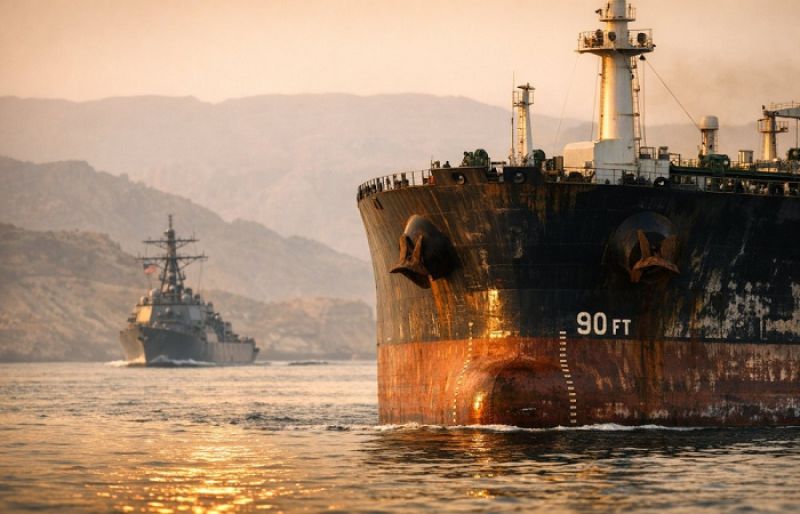
Oil surges past 4% as Iran keeps Hormuz locked – SUCH TV
-

 Fashion1 week ago
Bangladesh revises gas policy to improve service amid rising demand
-

 Fashion1 week ago
India’s T&A exports fall 14% in March, FY26 down 2.21%
-

 Entertainment1 week ago
Anne Hathaway makes shocking confession about Taylor Swift’s music