

Business
Santander completes £3bn takeover of TSB in ‘biggest investment in UK banking sector for 15 years’

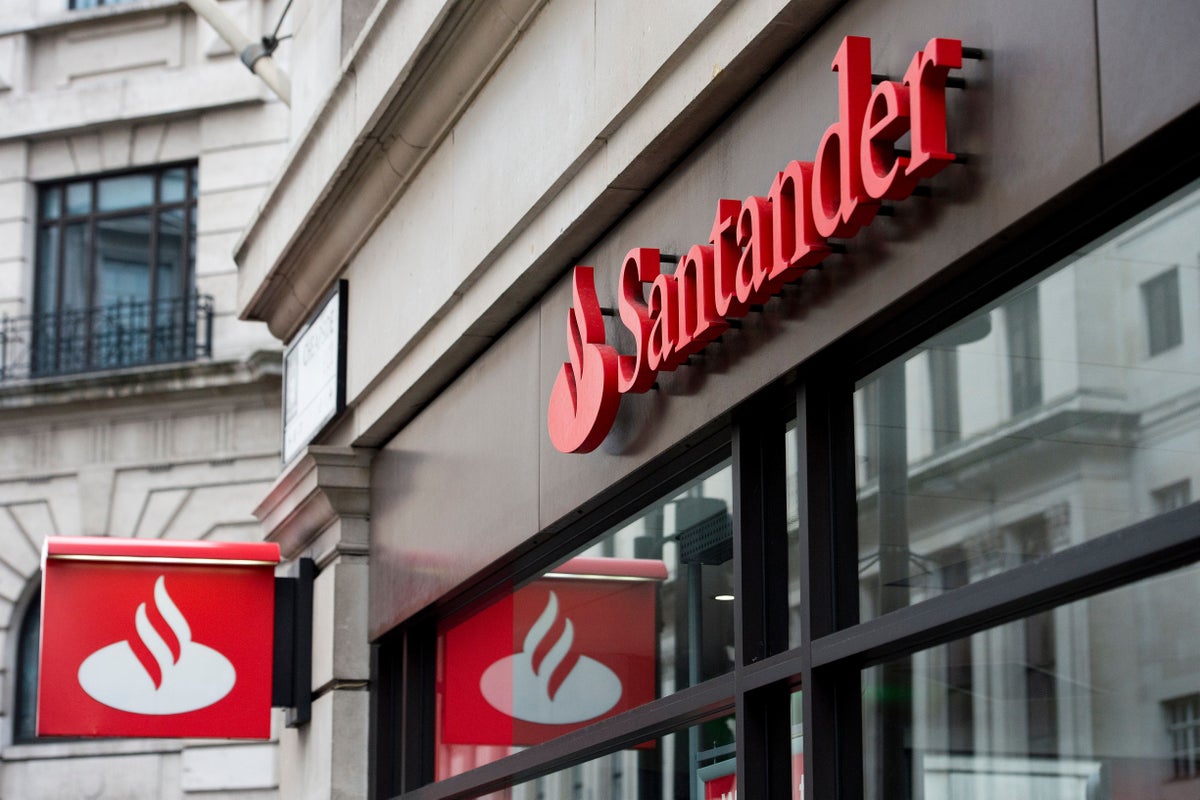
Spanish-owned Santander said the deal went through on Thursday after recently securing the green light from regulators in the UK and Europe

President Donald Trump said he would increase tariffs charged to the European Union for cars and trucks to 25%, without saying what authority he would use to raise the levies.
“Based on the fact the European Union is not complying with our fully agreed to Trade Deal, next week I will be increasing Tariffs charged to the European Union for Cars and Trucks coming into the United States,” he wrote on Truth Social on Friday. “The Tariff will be increased to 25%. It is fully understood and agreed that, if they produce Cars and Trucks in U.S.A. Plants, there will be NO TARIFF.”
The Supreme Court ruled in February that a large part of Trump’s tariff agenda was illegal. The president’s “reciprocal” tariffs were invoked using a novel reading of the International Emergency Economic Powers Act, or IEEPA, but the high court said in a 6-3 majority that the law that undergirds those import duties “does not authorize the President to impose tariffs.”
Shortly after the Supreme Court ruling, Trump said he signed an executive order imposing a new 10% “global tariff” rate to effectively replace the IEEPA duties, though those tariffs came with a 150-day time limit under Section 122 of the Trade Act of 1974. He then said he would increase the global rate to 15%.
The EU in February had warned that its trade deal with the U.S. could be in jeopardy after the new tariff rate was announced and postponed its planned vote on the agreement.
The European Union said it is following standard legislative practice and keeping the U.S. administration up to date.
“We maintain close contact with our counterparts, including as we also seek clarity on US commitments,” a a European Commission spokesperson said. “We remain fully committed to a predictable, mutually beneficial transatlantic relationship. Should the US take measures inconsistent with the Joint Statement, we will keep our options open to protect EU interests.”
A White House official said in a statement Friday that the EU has “failed to make substantial progress on their agreed-upon commitments” under a trade agreement between the countries.
“The White House has always been clear that the President reserves the right to adjust tariff rates if our trade deal partners fail to abide by their commitments,” the official said.
The Trump administration last year broadly implemented 25% tariffs on vehicles and certain auto parts imported into the U.S., citing national security risks under Section 232. Those levies are still in place, and the White House said Trump would increase the EU’s levies under Section 232.
The European automakers that could most be impacted by a change in tariff rate would be Mercedes, BMW and Volkswagen, which import a large percentage of the vehicles they sell in the U.S. from their plants in Europe.
Business
Trump says government gave ‘final’ bailout proposal for Spirit Airlines as liquidation looms

Spirit Airlines airplanes sit parked at Fort Lauderdale – Hollywood International Airport, in Fort Lauderdale, Florida, U.S., April 23, 2026.
Marco Bello | Reuters
President Donald Trump said Friday that his administration gave a “final” bailout proposal for Spirit Airlines as the budget carrier could be forced to liquidate without a lifeline.
Talks with bondholders for a government bailout this week have not yielded a deal as of Friday. The Trump administration last month had offered a $500 million loan that could have given the government up to a 90% stake in the Florida-based airline, according to people familiar with the matter who requested anonymity to speak about the discussions.
“If we could do it, we’d do it, but only if it’s a good deal this weekend, because they haven’t gotten a deal looking at it,” Trump told reporters at the White House on Friday. “I said I’d like to save the jobs but we’ll have an announcement sometime today. … We gave them a final proposal.”
The White House, the Department of Transportation and the Commerce Department didn’t immediate respond to a request for comment.
Spirit declined to comment on liquidation plans. The airline’s lawyer, Marshall Huebner, told a bankruptcy court in New York on April 23 that Spirit’s cash “is not going to last for very much longer.”
The carrier is in its second bankruptcy in less than a year and now has the added challenge of a spike in jet fuel prices amid the Middle East conflict.
United Airlines said the carrier is “preparing to support Spirit customers and employees” if Spirit shuts down and strands crews and passengers, a spokeswoman told CNBC. Other airlines are likely to follow suit.
American Airlines said it has “immediately implemented fare caps on Main Cabin tickets for Spirit routes where we also offer nonstop service and will continue to support as many customers as possible.” JetBlue also said it would provide passengers and crews affected by a potential Spirit shutdown with flight options.
Spirit, which pioneered the low-cost budget airline model, has been challenged for years by rising costs, changing consumer tastes and a engine recall. A planned acquisition of Spirit by JetBlue Airways was successfully challenged by the Biden administration two years ago.
The airline had expected to emerge from bankruptcy midyear before the jump in fuel prices.
Spirit flew around 1.7 million U.S. domestic passengers, with a 3.9% market share in the U.S. market, as of February, according to aviation data firm Cirium. That was down from 5.1% market share last year the airline axed flights to cut costs.
Business
Dollar slides against yen after Japan action, sharpest weekly fall since February – The Times of India
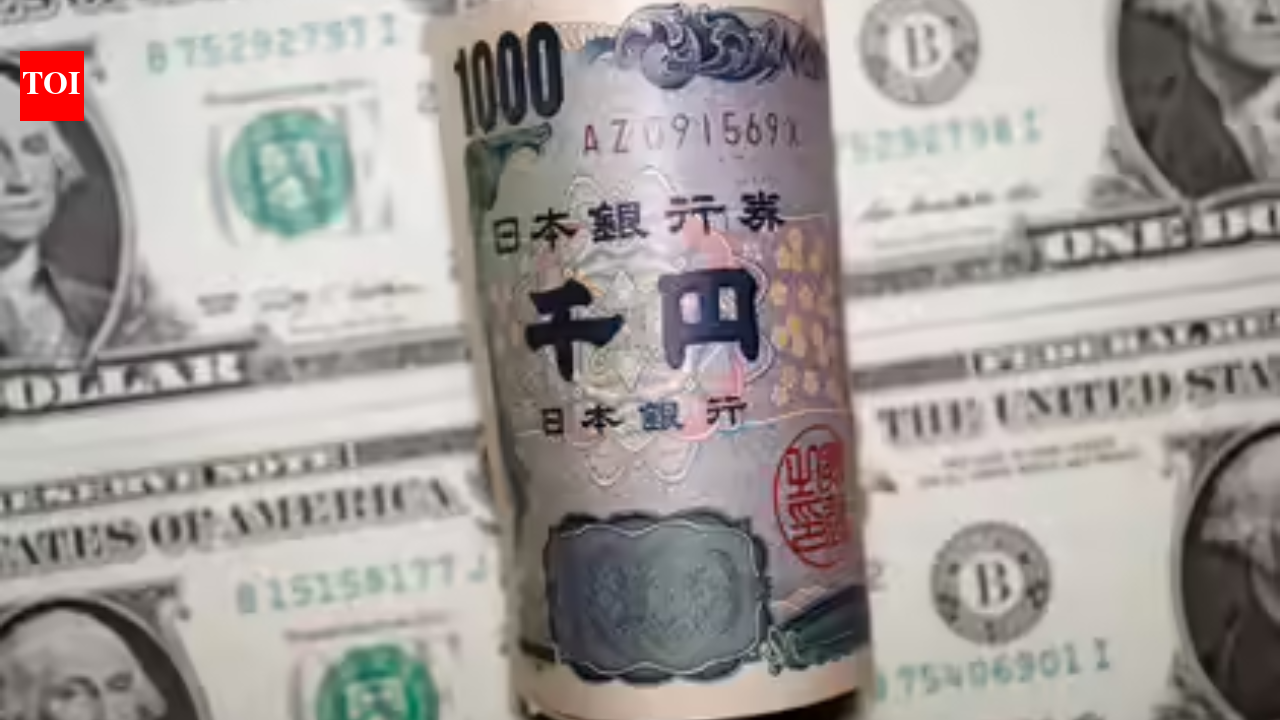
The US dollar was set for a second straight day of losses against the Japanese yen on Friday after Japan was reported to have intervened in currency markets to support its weakening currency, Reuters reported.The greenback was on course for its sharpest weekly fall versus the yen since early February, down about 1.7 per cent for the week.Markets stayed cautious after Japan’s top currency diplomat Atsushi Mimura said speculative positions were still visible in the market, signalling continued concern among authorities over rapid yen moves.The dollar briefly fell from around 157.1 yen to 155.49 yen before recovering some ground after Mimura’s comments. It was last trading flat at 156.62 yen.Two sources familiar with the matter told Reuters that Japanese officials intervened on Thursday to buy yen after the currency weakened to 160.7 per dollar, its lowest level since July 2024.“The durability of intervention remains uncertain,” said Uto Shinohara, senior investment strategist at Mesirow Currency Management in Chicago.“Historically, its effects tend to fade without accompanying policy shifts, rate hikes or coordination.”Data released by the Bank of Japan on Friday suggested authorities may have spent up to 5.48 trillion yen ($35 billion) during the operation, just below the $36.8 billion used in July 2024.The yen has remained under pressure because of the wide gap between US and Japanese interest rates.Its weakness has also been worsened by higher crude oil prices linked to the Iran war, which have supported the dollar.On the policy front, the European Central Bank and the Bank of England kept interest rates unchanged on Thursday, in line with expectations. That followed earlier pauses by the US Federal Reserve and the Bank of Japan.However, both the ECB and BOJ signalled they could begin raising rates as soon as June to contain inflationary pressure caused by higher imported energy costs.The euro rose 0.32 per cent to $1.177 and was heading for a second straight weekly gain.Sterling was up 0.25 per cent at $1.1364 and was on track for a fifth consecutive week of advances.The dollar fell 0.27 per cent to 0.779 Swiss franc and was headed for a second weekly loss.“While markets are pricing roughly a two-thirds chance of a June hike from the BOJ, expectations for Fed cuts have largely evaporated,” Shinohara said.“That divergence, alongside a more hawkish Fed, limits the scope for sustained yen appreciation.”


Waymo Is Trying to Crack Down on Solo Kids in Driverless Cars
Trump says he’s raising EU auto tariffs to 25%
‘I was looking for it’

-
 Business1 week ago
Gold prices in Pakistan Today – April 23, 2026 | The Express Tribune
-

 Entertainment1 week ago
Mike Vrabel to miss Patriots’ final NFL draft day —here’s why
-
 Fashion1 week ago
Canada forms new advisory committee to strengthen US trade relations
-
 Business1 week ago
France Ends Airport Transit Visa Requirement for Indian Travellers | Business – The Times of India
-
 Business1 week ago
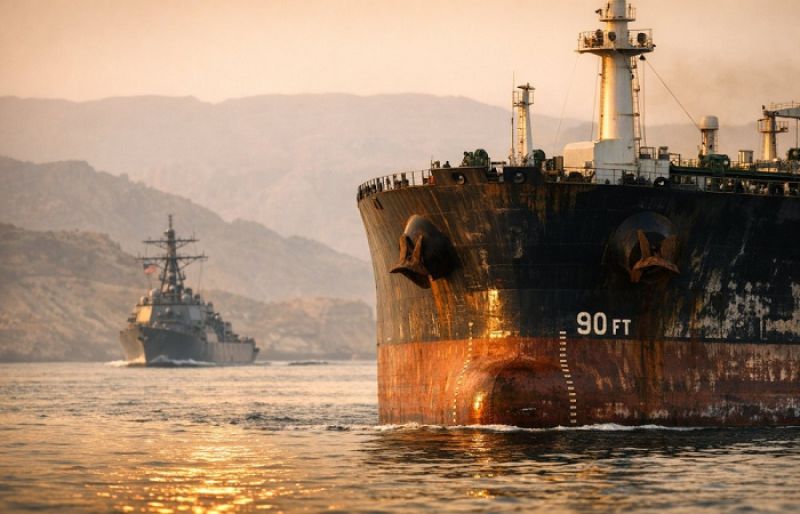
Oil surges past 4% as Iran keeps Hormuz locked – SUCH TV
-

 Fashion1 week ago
Bangladesh revises gas policy to improve service amid rising demand
-

 Fashion1 week ago
India’s T&A exports fall 14% in March, FY26 down 2.21%
-

 Tech1 week ago
They Wanted to Join Raya. They’ve Been on the Waiting List for Years