

Politics
Suspect in Trump attempted assassination pleads not guilty

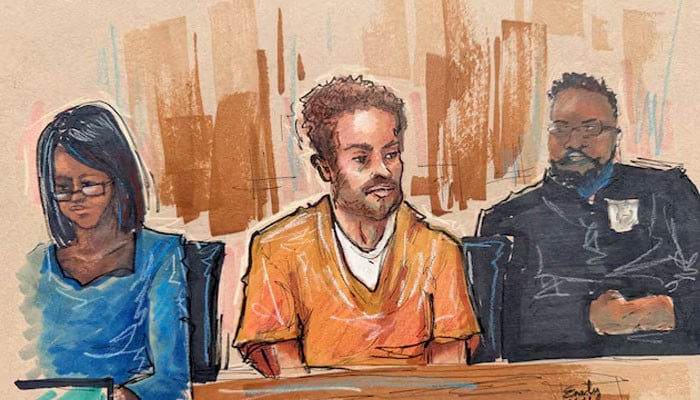
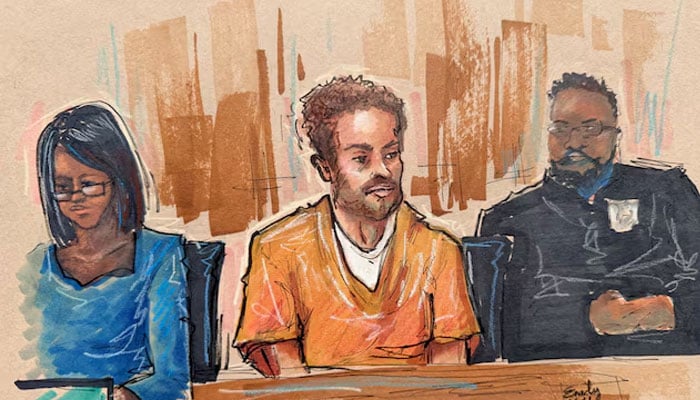
- Allen pleads not guilty to attempted assassination, related charges.
- Defence seeks disqualification of Trump officials present at dinner.
- Allen allegedly sought to attack Trump at White House press gala.
WASHINGTON: The man accused of attempting to assassinate US President Donald Trump at a White House reporters’ gala last month pleaded not guilty to all charges on Monday.
Cole Allen, 31, of California, did not speak in court as his attorney Tezira Abe entered the plea on his behalf. The charges include attempted assassination of the president, assault on a federal officer and firearms offences.
Prosecutors allege Allen fired a shotgun at a US Secret Service agent and stormed a security checkpoint in a foiled attack on Trump and other members of his administration at the White House Correspondents’ Dinner.
Allen allegedly travelled to Washington by train, carrying a shotgun, pistol and knives, and booked a room in the Washington Hilton where the April 25 dinner took place.
Allen wore an orange jumpsuit and was shackled at the waist during the brief court proceeding. It was his first appearance in Washington federal court before the judge who will preside over the remainder of the case, US District Judge Trevor McFadden.
A different judge last week apologised to Allen for his treatment in a local Washington, DC, jail, which included being placed on suicide precautions and isolated from other inmates.
The proceeding previewed the next major legal battle in the case, Allen’s attempt to have acting Attorney General Todd Blanche and US Attorney Jeanine Pirro disqualified from the case because they were present at the dinner and may have been among Allen’s alleged targets.
Allen’s lawyer, Eugene Ohm, said the defence is likely to seek recusal of the entire US Attorney’s Office in Washington, which Pirro leads, because of her friendship with Trump and status as a potential victim.
“It is wholly inappropriate for victims of an alleged event like this to be individually prosecuting the case,” Ohm said.
Prosecutors are set to respond to the defence’s legal filing by May 22. Pirro previously told CNN in an interview that “my ability to prosecute this case has nothing to do with my being there.”
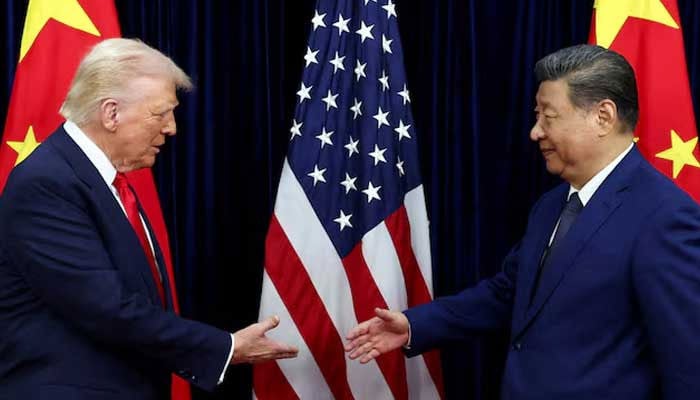
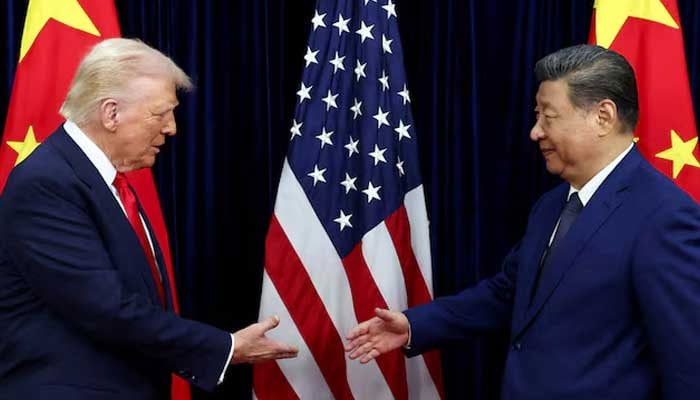
- US President Trump set to visit China this week.
- Mideast war reshapes US-China broader relationship calculations.
- China calls for “complete cessation of hostilities”.
BEIJING: The Iran war has strained US–Chinese ties further and looks set to dominate the May 14 to 15 summit between US President Donald Trump and his Chinese counterpart and host Xi Jinping in Beijing.
Below are the key issues at stake for Washington and Beijing as the US-Israeli war with Iran reshapes calculations in their broader relationship:
Iran ceasefire talks
US Treasury Secretary Scott Bessent has said that the two presidents will discuss the Iran war, and urged China to “join us in this international operation” to open the Strait of Hormuz to international shipping.
But while Beijing worked behind the scenes to convince Iran to hold peace talks with the US in Pakistan last month, analysts say it would not act solely at Washington’s behest.
After last week’s visit to Beijing by Iran’s foreign minister, China called for a “complete cessation of hostilities”.
On the nuclear issue, it said that “China appreciates Iran’s commitment not to develop nuclear weapons, while also recognising Iran’s legitimate right to the peaceful use of nuclear energy.”
The US believes Iran wants to build a nuclear bomb and wants Iran to give up its right to enrichment for 20 years and hand over its stockpile of highly enriched uranium.
Energy security
China’s energy security faces increasing risks as the war drags on, forcing Beijing to cut its lucrative exports of refined products such as gasoline or jet fuel to protect its domestic market.
Around half of China’s crude oil imports are shipped from the Middle East, where the closure of the Strait of Hormuz and US blockade have left ships stranded inside the Gulf and vulnerable to attacks.
The conflict slashed China’s total crude oil imports in April by 20% from a year ago to the lowest level in almost four years, according to Chinese customs data.
China’s foreign ministry has said the US blockade of the strait does not serve the common interest of the international community. It also confirmed last week that an oil products tanker with Chinese crew was attacked in the strait.
US sanctions over Iranian oil, weapon sales
China is the biggest buyer of Iranian oil despite pressure from the Trump administration.
More than 80% of Iran’s shipped oil has been destined for China, as Chinese independent refiners take advantage of discounted US-sanctioned oil. Kpler estimates that China bought an average of 1.38 million barrels per day of Iranian oil in 2025.
In April, the US Treasury imposed sanctions on Chinese independent refinery Hengli Petrochemical for buying billions of dollars’ worth of Iranian oil, making good on its threats of sanctioning buyers. The Treasury has also written to two Chinese banks warning of secondary sanctions if they facilitated trade of Iranian oil.
Beijing has pushed back. The Ministry of Commerce ordered companies not to comply with US sanctions against five refiners, for the first time invoking a law that allows Beijing to retaliate against entities enforcing sanctions it deems unlawful.
Just days before Trump’s visit, the US Treasury imposed sanctions on two companies in China and two in Hong Kong it accused of supplying and facilitating efforts for Iran to purchase weapons from China and materials used in ballistic missiles.
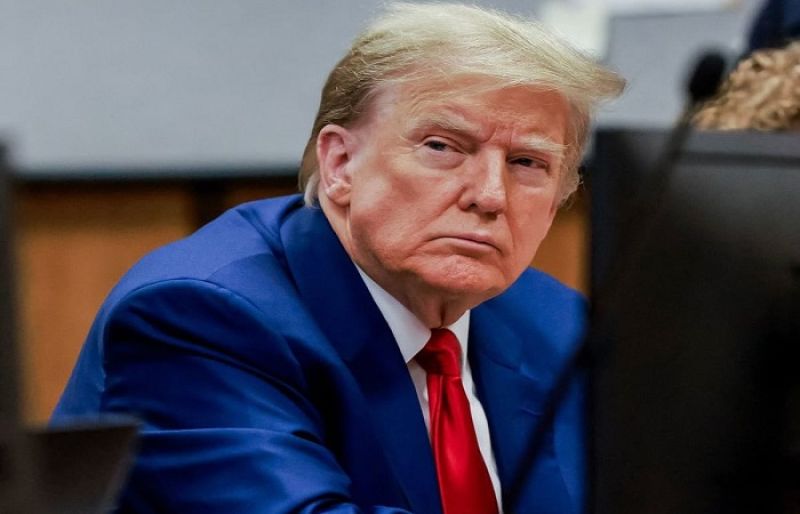
US President Donald Trump on Sunday branded Iran’s terms for ending the Middle East war “totally unacceptable,” raising the likelihood of renewed conflict after weeks of negotiations.
Iran had responded to Washington’s latest peace proposal earlier in the day, while warning it would not hold back from retaliating against any new US strikes or permit more foreign warships in the Strait of Hormuz.
Trump himself provided no details on Tehran’s counterproposal, but in a brief post on his Truth Social platform made clear he was rejecting it.
“I have just read the response from Iran’s so-called ‘Representatives.’ I don’t like it — TOTALLY UNACCEPTABLE!” Trump said.
The back and forth came as Israeli Prime Minister Benjamin Netanyahu — whose forces launched the war on Iran along with the US military on February 28 — insisted the conflict was not over until Iran’s enriched uranium was removed and its nuclear facilities dismantled.
Tehran publicly maintained its defiant line, despite behind-the-scenes diplomacy.
“We will never bow down to the enemy, and if there is talk of dialogue or negotiation, it does not mean surrender or retreat,” Iranian President Masoud Pezeshkian said Sunday on X.
According to state broadcaster IRIB, Tehran’s response to the US plan, passed to Pakistani mediators, focuses on ending the war “on all fronts, especially Lebanon” — where Israel has kept up its fight with Iran-backed Hezbollah — as well as on “ensuring shipping security.”
It offered little detail, though the US proposal had reportedly focused on extending the truce in the Gulf to allow for talks on a final settlement of the conflict and on Iran’s contested nuclear program.
The impasse unnerved global energy markets, with oil prices opening sharply higher Monday. The international benchmark Brent crude jumped 2.69% to $104.01 a barrel on July delivery.
Netanyahu said in an interview which aired Sunday that Iran’s stockpile of enriched uranium must be removed before the war can end.
“It’s not over, because there’s still nuclear material — enriched uranium — that has to be taken out of Iran. There’s still enrichment sites that have to be dismantled,” Netanyahu told CBS’s “60 Minutes.”
He added that Trump was on the same page about the enriched uranium, though the president said in a recent interview that the US could remove it “whenever we want,” and that it was “very well surveilled” where it is now.
Trump is expected to press President Xi Jinping of China — a major buyer of Iranian oil — on Iran when he visits Beijing this coming week, a senior US administration official said.
No Hormuz ‘interference’
Meanwhile The Wall Street Journal, citing people familiar with the matter, said Iran laid out its own demands to Washington and proposed to have some of its highly enriched uranium diluted, and the rest transferred to a third country.
In its response, delivered through mediator Pakistan, Iran sought guarantees that the transferred uranium will be returned if negotiations fail or Washington quits the agreement later, sources told the Journal.
Trump made no mention of such details in rejecting Iran’s response.
Iran imposed a blockade on the vital Strait of Hormuz early in the war, sending global oil prices soaring and rattling financial markets.
It has since set up a payment mechanism to extract tolls from ships crossing the strait, but US officials have stressed it would be “unacceptable” for Tehran to control an international waterway and the route for a fifth of the world’s oil and other vital materials.
The US Navy, meanwhile, is blockading Iran’s ports, at times disabling or diverting ships heading to and from them.
Britain and France are leading efforts to create an international coalition to secure the strait after a peace deal is reached, with both countries sending vessels to the region in advance.
The two countries on Tuesday will host a multinational meeting of defence ministers from more than 40 nations on military plans to restore trade flows through the Strait of Hormuz, the British government said.
But Iran warned Sunday that Britain and France would meet “a decisive and immediate response” should they deploy their ships to the strait.
“Only the Islamic Republic of Iran can establish security in this strait and it will not allow any country to interfere in such matters,” Deputy Foreign Minister Kazem Gharibabadi posted on X.
French President Emmanuel Macron later insisted his country had “never envisaged” a naval deployment in Hormuz, but rather a security mission “coordinated with Iran.”
‘Restraint over’
Fresh drone attacks Sunday in the Gulf were the latest to rattle the ceasefire after multiple recent flare-ups.
The United Arab Emirates said its “air defence systems successfully engaged two UAVs launched from Iran.”
Kuwait reported an attempted attack as well, saying its armed forces dealt with “a number of hostile drones in Kuwaiti airspace.”
And Qatar’s defence ministry said a freighter arriving in its waters from Abu Dhabi was hit by a drone.
There was no immediate claim of responsibility, but Iran’s Fars news agency reported that “the bulk carrier that was struck near the coast of Qatar was sailing under a US flag.”
In a social media post Sunday, the spokesman for the Iranian parliament’s national security commission warned Washington: “Our restraint is over as of today.”
“Any attack on our vessels will trigger a strong and decisive Iranian response against American ships and bases,” Ebrahim Rezaei said.
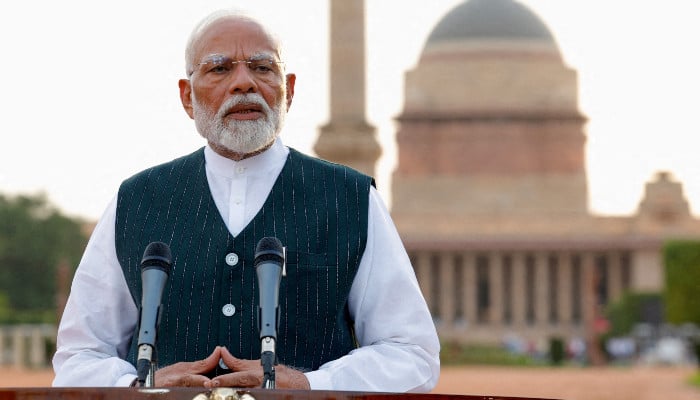
Indian YouTuber Dhruv Rathee has urged supporters to widely share a viral satirical reel blocked in India, accusing the Modi government of misusing the IT Act.
In his clip, Rathee said the reel had received 16 million views before it was blocked in India.
“There were 16 million views on this reel. But the Modi government misused the IT Act and blocked it in India. This is the state of freedom of speech in the country today,” he said.
Rathee claimed that praise for Indian Prime Minister Narendra Modi was rewarded, while criticism of him, even through comedy, was not tolerated on social media.
“If you praise Modi, he will make your films run on big screens. But if you show the reality of Modi, even through comedy, he won’t even let your videos be on social media,” Rathee said.
He said the public had the power to respond and that he would upload the reel again.
“But you know what? These people don’t realise how powerful the public is. Let’s make them realise. I will upload this reel again. And this time, share it so much that it crosses 30 million views,” Rathee said.
He also urged viewers to download the reel and circulate it “everywhere on WhatsApp”, adding: “Next time, think twice before doing something like this”.
The blocked reel featured a satirical exchange involving “Mr Modi” and a foreign dignitary, with references to global crises, including the Ukraine-Russia war and the US-Iran conflict.


GM cutting hundreds of salaried IT workers as it trims costs, evaluates needs

SIMA hails India’s ECLGS 5.0 support amid West Asia crisis

Prince William backs Villa at James’ Place as Istanbul final plans loom

-
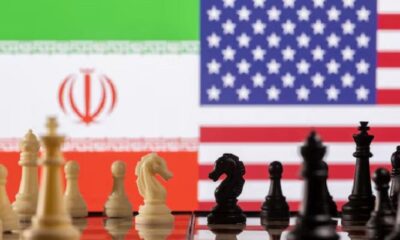
 Politics1 week ago
Iran weighs US reply delivered via Pakistan as Trump signals opposition to deal terms
-

 Fashion1 week ago
US cotton export sales show strong recovery, Upland rise 36%
-

 Sports1 week ago
Sajid Ali Sadpara summits world’s fifth-highest peak
-
 Tech1 week ago
DHS Demanded Google Surrender Data on Canadian’s Activity, Location Over Anti-ICE Posts
-
 Business1 week ago
Heineken to invest £44.5m in hundreds of pubs creating 850 jobs
-

 Fashion1 week ago
Middle East conflict clouds India’s FY27 GDP forecast of 7-7.4%: Govt
-
 Business1 week ago
Government notifies FDI changes on China funds – The Times of India
-
 Business1 week ago
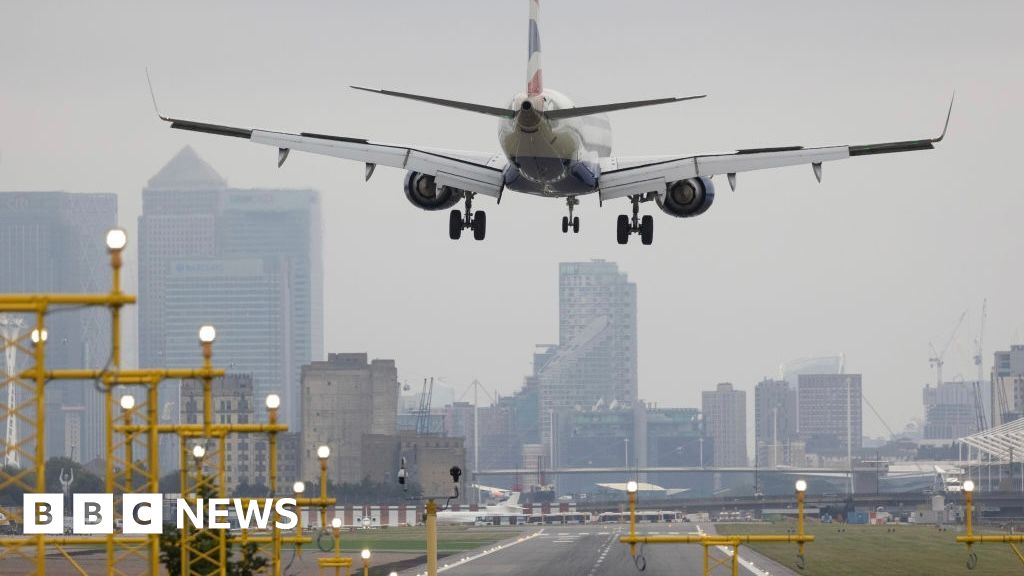
UK airlines to be allowed to cancel flights in advance over fuel shortages