

Tech
All Vehicles Sold in the EU Must Be Able to Hook Up to a Breathalyzer

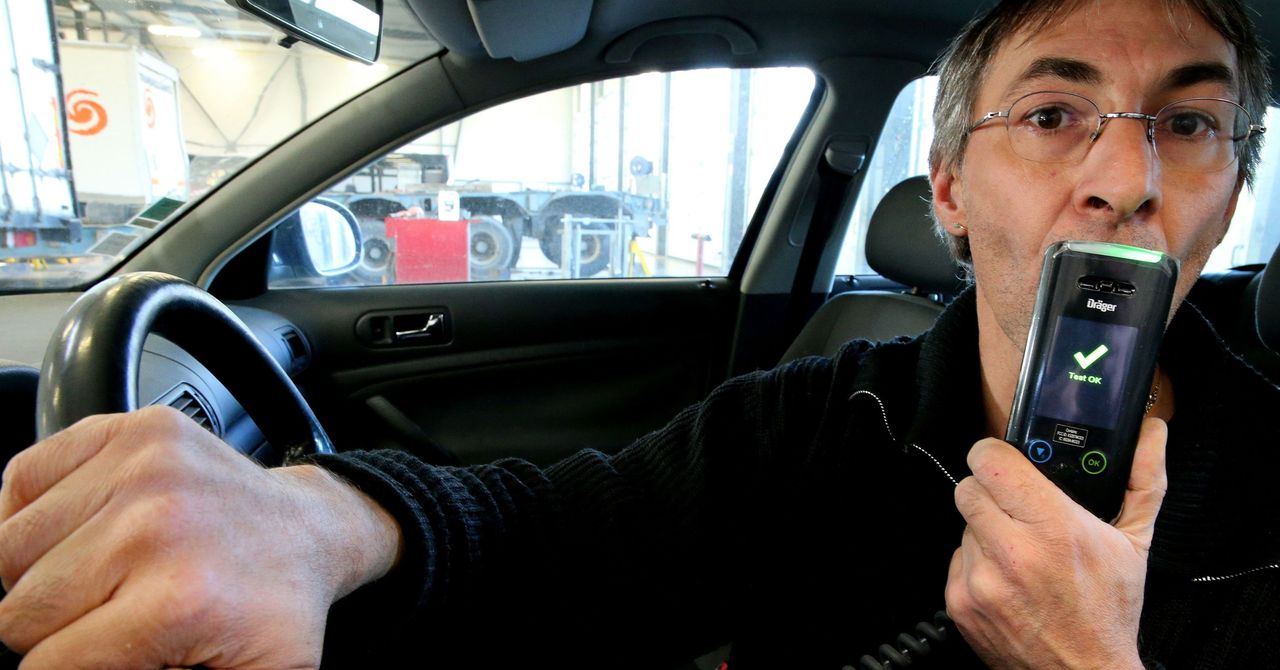
As of July 1, all vehicles sold within the European Union must include a standard, preinstalled interface that allows a breathalyzer lock to be added to the ignition system. This measure is part of a larger strategy promoted by the EU to reduce drunk-driving-related deaths and injuries by at least 50 percent by 2030.
The requirement falls under the Vision Zero program, launched by European authorities more than five years ago, which aims to eliminate alcohol-related traffic fatalities entirely—or get as close to zero as possible—by 2050. The measure also aligns with the timetable established in the EU’s General Safety Regulation, which sets specific deadlines for manufacturers to incorporate various safety features into vehicle designs, starting at the factory.
The regulation that will become mandatory in July obliges automakers to provide an electrical connection and reserve a space inside the vehicle to allow the installation of an “alcolock” device. This device must comply with European standard EN 50436 for Alcohol Ignition Interlocks and have a certificate issued by an authorized accrediting entity.
The operation of an alcolock is simple. Before starting the vehicle, the driver must blow into the device, which measures the level of alcohol present in the breath. If the result exceeds the legal limit, the system, which connected to the vehicle’s ignition or starting mechanism, automatically blocks the ignition cycle and prevents the car from starting.
This type of technology already operates in several European countries, mainly as part of programs aimed at repeat offenders of alcohol-related offenses or in certain sectors of professional transport. Official figures estimate that its implementation can reduce fatal accidents associated with alcohol consumption by up to 65 percent.
Since 2018, the European Union’s road safety program has incorporated different technologies to reinforce safe driving. As of 2024, new vehicles integrate an intelligent speed assistant, a system that detects the permitted speed limit using cameras or GPS and alerts the driver when they are exceeded the limit.
In addition, there is the emergency lane keeping assistant, capable of correcting the trajectory when the vehicle deviates without prior signaling. Also noteworthy is the event data recorder, popularly known as the “black box,” which stores key information during the seconds prior to an accident to facilitate law enforcement and traffic safety agency investigations.
Recently, a requirement was added to incorporate the adaptive brake light, a mechanism that, in the event of sudden braking, automatically and intensely activates the rear lights to warn other drivers of the need to slow down and avoid a collision.
The obligation to install an interface for an on-board breathalyzer is the final step in this set of safety measures. As of the first day of July, no car will be allowed to leave a dealership within the EU without full compliance with all these requirements.
This story was originally published by WIRED en Español and has been translated from Spanish.










Photograph: Michael Calore
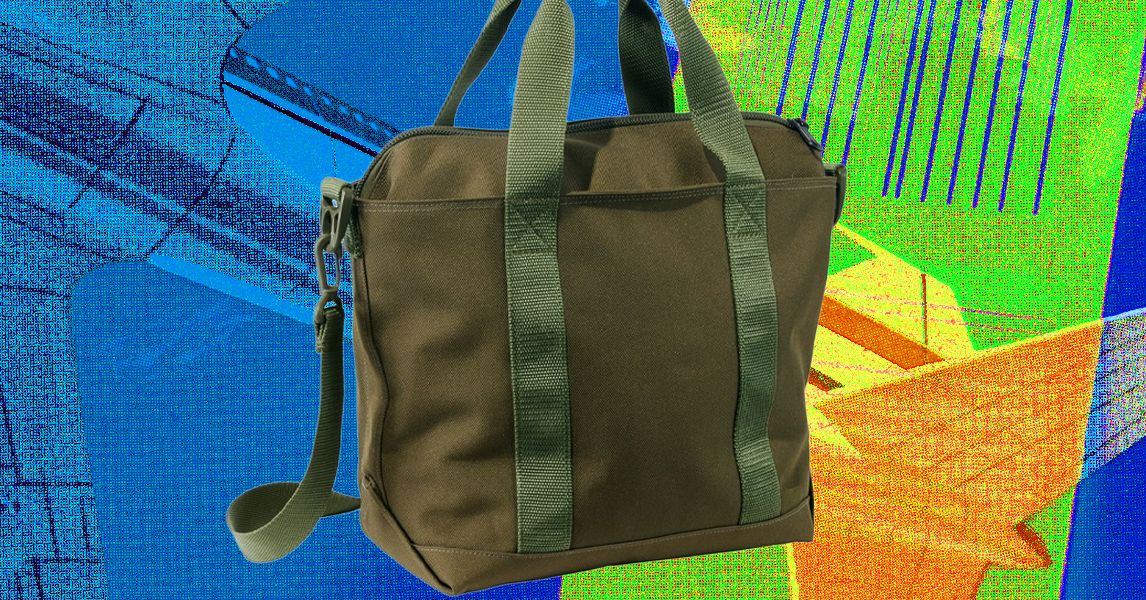
The walls of the bag are tough enough, made from 1,200-denier polyester, which is heavy-duty and water-resistant, not to mention so rugged that it’s nearly indestructible. I’ve checked it as luggage on a dozen or so flights, and it doesn’t show any scuffs or tears. The zipper at the top isn’t sealed, but it’s heavier than it needs to be and works just fine in the rain. What truly sets the bag apart, though, is its lining. The whole interior of the tote is coated with a thin layer of thermoplastic, further increasing its imperviousness to moisture.

Photograph: Michael Calore

Photograph: Michael Calore
Now, of course, the purpose of this kind of lining is to keep the contents dry when you use the bag in a wet environment, like on a canoe trip, on a rainy bike ride, or on a duck hunt in the Maine wilderness. And surely, I have used the bag in a canoe and on many a rainy bike ride (I’ve never been on a duck hunt), and the goods inside have indeed always remained intact. I even trust the bag enough to carry electronics and musical equipment to the office or studio on drizzly mornings. But for me, the utility the bag provides is more so the opposite: it’s an excellent place to cleanly transport items that are, themselves, muddy, wet, or slimy.
For example, I’ve taken the bag car camping several times. Once, I used it to pack my tent, ground cloth, boots, and rain shell. On the last day of the trip, it poured outside, and upon it being time to head home, my rain jacket and tent were soaked, the ground cloth was dotted with wet pine needles and flecks of bark, and my boots had a thick layer of Mendocino, California, muck in the tread. I crammed all of those items in the Hunter’s Tote, zipped it up, and tossed it into the back seat of my rental car. The interior lining kept the mess inside, saving the rental car’s tuck-and-roll upholstery. Back home, I emptied the tote, flipped it inside out, and blasted out all the forest flooring with a hose.
There are two heavy plastic tabs on the edges of the tote, one at each end of the zipper. This is where the shoulder strap clips in. I’ve never really used the strap (honestly, it just gets in the way), but those tabs are great for hanging the tote to dry after rinsing it out.
The Hunter’s Tote comes in three sizes. I have the largest, the XL, which has a capacity of 53 liters. (That’s huge for a tote bag.) I prefer the larger size because when you set the reinforced bottom on a flat surface and prop the mouth of the bag open, you have a generous flat bottom inside of 10 by 19 inches. All that room really makes the bag more versatile, so my recommendation is to go large.
Also, just know there are no frills here: no exterior pockets, no padding, no laptop sleeve. Just a rugged carrier that’s ready for your dirtiest work. Whether you’re carrying twelvers of La Croix or bagging Buffleheads, it’s indispensable.
Power up with unlimited access to WIRED. Get best-in-class reporting and exclusive subscriber content that’s too important to ignore. Subscribe Today.
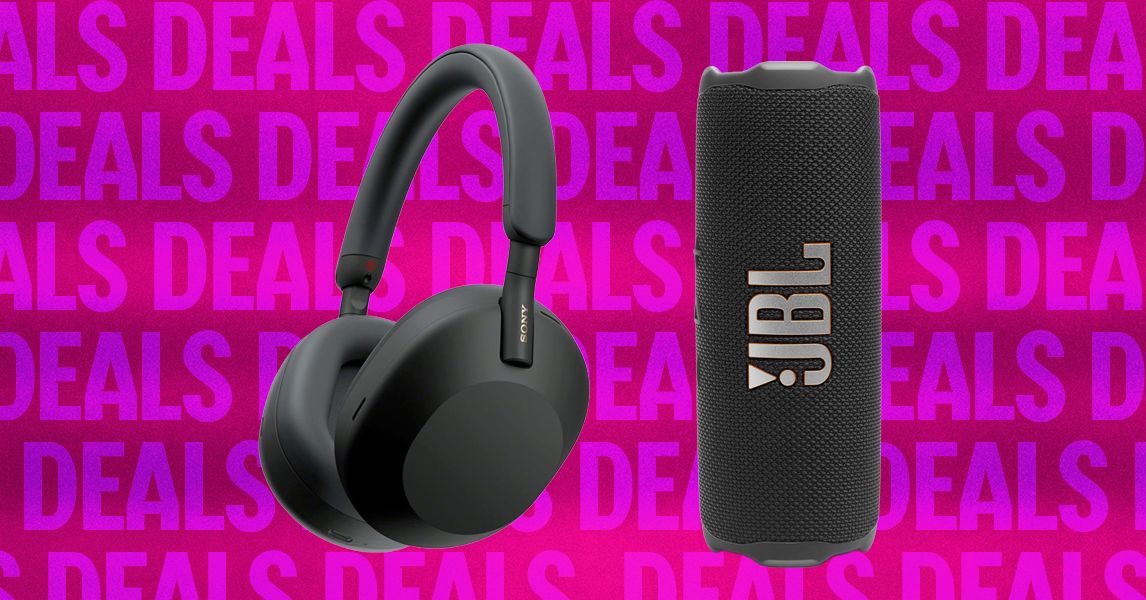
When you think of Memorial Day sales, you probably think of mattresses and other home goods. And while those items are definitely discounted, now is also a good time to purchase tech. Personally, I’m not buying anything right now unless it’s discounted—and fortunately many of our top picks are. Whether you’re shopping for a power bank, a new pair of headphones, or some other gadget, I’ve rounded up the best Memorial Day deals for your perusal. We’ll update this article again over the weekend.
Check out our buying guides for more recommendations, including the best headphones, the best laptops, and the best cheap phones.
Updated May 22: We’ve checked prices, removed expired deals, added ten new deals, and ensured accuracy throughout.
WIRED Featured Deals:
Sony WH-1000XM5 for $248 ($152 off)
The Sony WH-1000XM5 have a very frustrating name, but they’re the predecessor to our favorite wireless headphones, and they’re still an excellent pick if you don’t want to shell out for the new WH-1000XM6. They go on sale frequently, but rarely drop this low in price, which comes within $5 of their all-time low. If you’re in the market for over-ear headphones, they’re hard to beat. They’re comfortable, portable, lightweight, and stylish, and they’ll make your music sound great no matter what you like to listen to.

On Friday, the ultrafast-fashion giant Shein finalized its acquisition of Everlane, a US clothing retailer that made its name by promising “radical transparency” into how its clothes were made. Neither company disclosed the price of the deal, but Puck reported last weekend that it clocked in at $100 million.
Founded in 2010, Everlane became synonymous with a certain strain of millennial consumerism that was supposed to be the exact opposite of Shein. It mainly sold elevated basics, and told a generation of anxious and high-minded shoppers that they could feel morally good about buying yet another pair of plain ballet flats or black high-waisted skinny jeans. Shein, by contrast, became notorious by flooding the internet with astonishingly cheap, trendy clothing produced at enormous scale. It has been criticized for years for alleged poor labor practices.
Given how differently Shein and Everlane positioned themselves, many people online felt the acquisition fell somewhere between darkly ironic and outright dystopian. The fashion writer Derek Guy, better known online as the “menswear guy,” articulated the vibe in a post on X: “Under Shein,” he wrote, “Everlane’s ‘radical transparency’ means you get to read about the small child making your boring gray crewneck sweater.”
Really, though, the deal makes perfect sense. In the long run, it may end up looking like a preview of where Chinese consumer companies are heading next.
Chinese ecommerce giants conquered the global market largely by selling cheap stuff at eye-watering scale. Companies like Shein and Temu thrived in part because of the “de minimis” loophole, a US trade rule that allowed packages worth under $800 to enter the country tariff-free and with relatively little customs scrutiny. That system became the backbone of a new era of cross-border ecommerce, enabling Chinese companies to ship cheap stuff directly to American consumers faster and more efficiently than many traditional retailers could manage.
But after US president Donald Trump imposed sweeping new tariffs on Chinese imports and ended the de minimis exemption, the economics underpinning that model began to falter. Chinese companies quickly realized they could no longer rely solely on flooding Western markets with bargain-priced products. If they wanted to keep growing internationally, they needed something more durable: a good old-fashioned brand.
Shein buying Everlane, however culturally cursed it may appear, is part of a broader trend already unfolding across Chinese commerce and manufacturing. Increasingly, Chinese companies are trying to move beyond anonymous low-cost production and toward owning recognizable global brands associated with quality, lifestyle, and status.
One of the clearest examples comes from Temu’s parent company, Pinduoduo. In March, the company announced a major new initiative called New PinMu, a multibillion-dollar effort designed to help Chinese manufacturers build premium international brands. The project is part of a larger strategic vision outlined by Pinduoduo co-CEO Jiazhen Zhao, who has been hyping up the company’s ambitions to elevate manufacturing standards and create pathways for Chinese factories to move up the value chain.
Meanwhile, Luckin Coffee, a Chinese coffee chain that has become one of Starbucks’ biggest rivals, recently acquired Blue Bottle, the cultish specialty coffee brand that helped define American third-wave coffee culture. Anta Sports, a Chinese sportswear giant that began largely as a domestic sneaker company, has spent years buying into premium global sportswear brands, including controlling stakes in Arc’teryx and Salomon.
The trend also reflects broader political pressures inside China. The government has become increasingly critical of the brutal price wars and hypercompetition that dominate industries like ecommerce and electric cars, a phenomenon often referred to as “involution.” Beijing now wants companies to focus more on sustainable growth, higher-end manufacturing, and global competitiveness rather than an endless race to the bottom.


More than 1,500 runners participate in Global One Run Half Marathon in Karachi

L.L.Bean’s Rugged, Water-Resistant Tote Bag Is Tough Enough to Survive Baggage Claim

Oophs! Kate Cassidy leaves airport security shocked over passport photo mismatch

-

 Entertainment7 days ago
Where Pete Davidson, Elsie Hewitt stand after breakup: Details revealed
-
 Business1 week ago
Jersey Election 2026: Cost of living concern in St Helier Central
-

 Entertainment1 week ago
Emilia Clarke recalls near-death incident while filming ‘Game of Thrones’
-

 Politics1 week ago
Rising diesel costs from Iran war strain US school budgets
-

 Entertainment1 week ago
Drake drops highly anticipated "Iceman" album, plus two surprise albums
-

 Politics1 week ago
UK’s Starmer faces survival battle as potential rivals circle
-

 Politics1 week ago
Trump says China will order 200 Boeing jets
-

 Tech1 week ago
Greg Brockman Officially Takes Control of OpenAI’s Products in Latest Shakeup