

Business
AI companies pour big money into Super Bowl battle


Samuel Boivin | Nurphoto | Getty Images
Artificial intelligence companies are playing their biggest role yet at the Super Bowl, with all the major AI players buying ads to showcase their tools — both for consumers and for businesses — to the expected audience of as many as 130 million people.
This year’s Super Bowl ads cost a record $8 million on average for a 30-second spot, with some priced as high as $10 million, plus more to produce the ads. Deep-pocketed tech giants and startups alike are seizing the opportunity to be part of the national conversation.
A battle started the week before the big game when Anthropic’s Claude debuted an ad skewering OpenAI’s decision to include ads in ChatGPT. That ad triggered a response from OpenAI CEO Sam Altman that drew even more attention to the campaign. OpenAI will be returning to the Super Bowl ad slate this year after its debut campaign — a 60-second spot — last year.
But it’s not just Anthropic’s Dario Amodei and Altman facing off: All the major AI players are buying time in the big game. The campaigns are taking the place of some big advertiser categories, including automakers, which are pulling back.
Google is running ads for the second year for Gemini AI after promoting its AI-powered features the prior two years: the Pixel’s “Guided Frame” and “Magic Eraser.”
Amazon is leaning into concerns about AI in the home with a spot for Alexa+ featuring actor Chris Hemsworth expressing some comedic concerns about the risks of AI. And Meta, rather than promoting its chatbot like other tech companies, is returning with spots for its Oakley Meta AI glasses, which give access to its AI tools.
A number of smaller AI companies are also buying Super Bowl spots to introduce their products to a broad audience.
Startup Genspark is marketing its AI productivity platform, with an ad featuring Matthew Broderick. Base44 is showcasing its AI-powered app-development tool, saying anyone can use its products to create custom apps. And Wix, known for its tools to create websites, will showcase its new Harmony platform, which uses AI to enable web design.
Another one of those smaller AI companies, Artlist.io, is showcasing its AI tools for consumers by putting the tech at the center of its 30-second spot. The entirely AI-generated ad boasts that it was purchased a week ago and created for just a few thousand dollars in just five days.
It’s one of a range of companies, including those that have nothing to do with technology, that used AI to create their ads this year.
Svedka Vodka is running an ad this year for the first time in decades after a ban on campaigns for liquor. (Absolut is also running a big game ad.) Svedka is bringing back its Fembot character that appeared in its ads in the early 2000s, this time backed by AI trained on TikTok dances.
Other AI uses will be more subtle: Xfinity used AI to make the cast of 1993’s “Jurassic Park” look younger for a new commercial.
With commercial production costs for a Super Bowl ad typically starting at $1 million, and generally running far higher — celebrities can charge millions of dollars for a cameo, for example — the response to this year’s Super Bowl ads could have major implications for how these high-profile spots are produced.







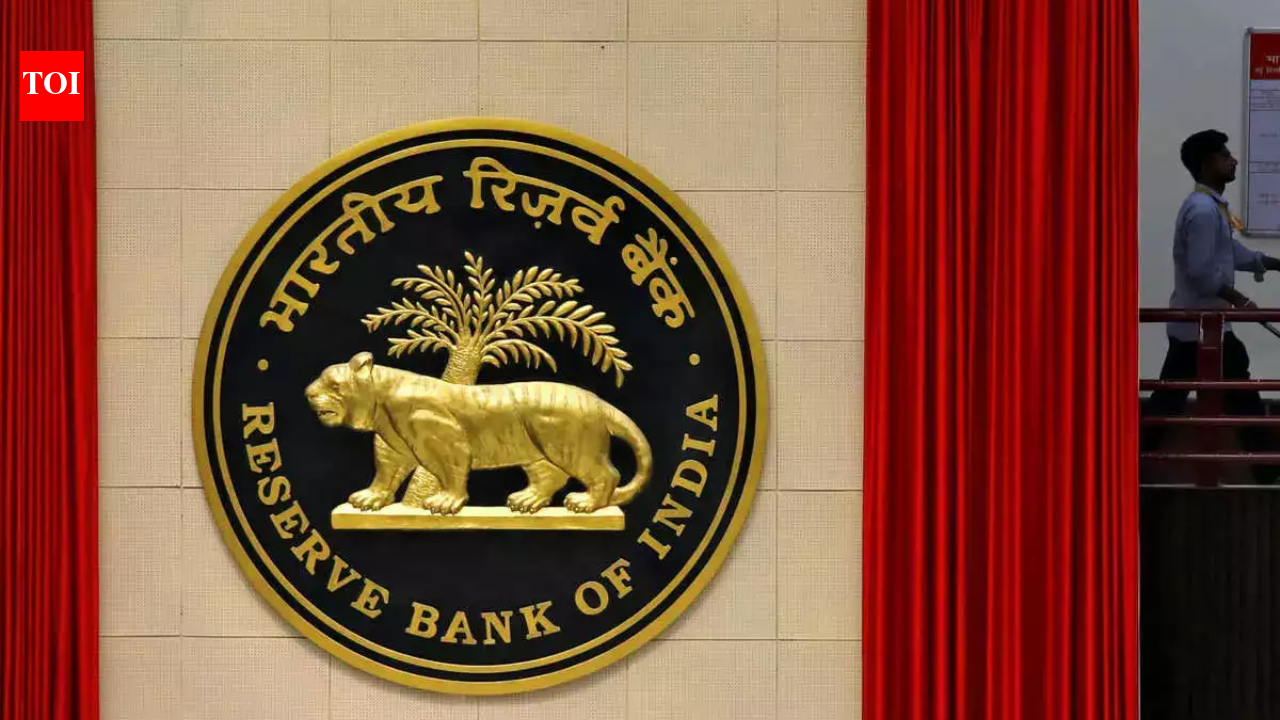
The Reserve Bank of India (RBI) on Monday decided against activating the countercyclical capital buffer (CCyB), indicating that current financial and credit conditions do not warrant an additional capital requirement for banks, PTI reported.The central bank said the decision followed a review and empirical assessment of indicators used under the CCyB framework.“Based on review and empirical analysis of CCyB indicators, it has been decided that it is not necessary to activate CCyB at this point in time,” RBI said in a statement.Under the RBI (Commercial Banks – Prudential Norms on Capital Adequacy) Directions, 2025, the CCyB framework is activated when financial conditions indicate rising systemic risks linked to excessive credit growth.The framework primarily relies on the credit-to-GDP gap as a key indicator, along with supplementary metrics.According to the RBI, the CCyB mechanism is intended to serve two broad objectives.Firstly, it requires a bank to build up a buffer of capital in good times, which may be used to maintain the flow of credit to the real sector in difficult times.Secondly, it achieves the broader macro-prudential goal of restricting the banking sector from indiscriminate lending in the periods of excess credit growth that have often been associated with the building up of system-wide risk.The framework was introduced globally after the 2008 financial crisis as part of measures proposed by the Group of Central Bank Governors and Heads of Supervision (GHOS) under the Basel framework to strengthen financial system resilience.
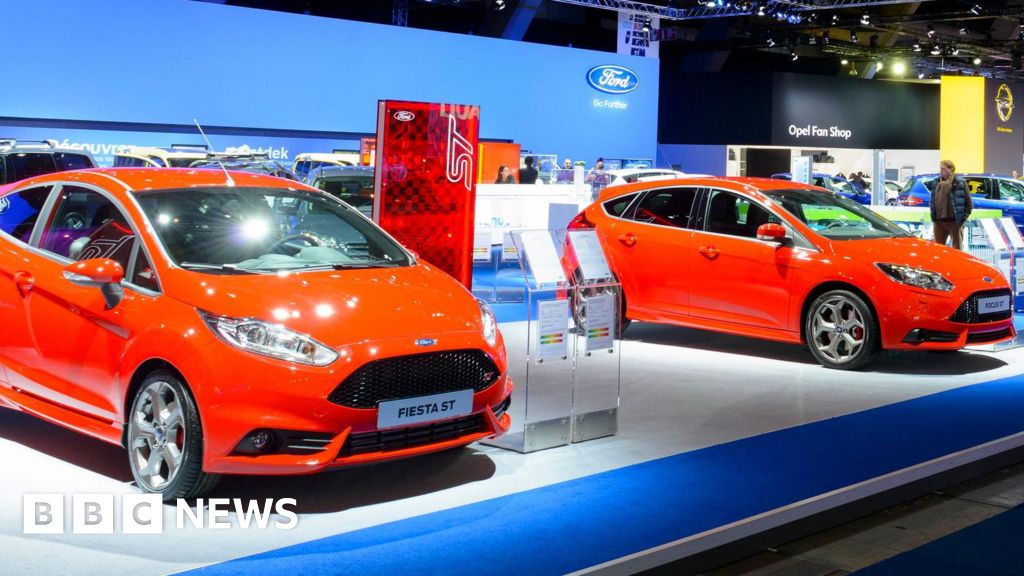
The company has announced plans to build seven new models in Europe including a small electric hatchback.
Source link
“Today’s policymaking is constrained by a more volatile external environment with more frequent and overlapping shocks, a rising public interest bill, in part reflecting market concerns with countries’ elevated debt, and the long-standing challenge of weak productivity growth,” he said.


Turkiye’s current account deficit expected to widen in 2026: Minister

UK’s clothing imports fall 3% in Q1, sharply lower than Q4 2025
RBI sees no signs of excess credit risk, keeps countercyclical capital buffer inactive

-

 Entertainment6 days ago
Conan O’Brien hat tricks as Oscar host
-

 Tech1 week ago
Could Contact-Tracing Apps Help With the Hantavirus? Not Really
-

 Fashion5 days ago
Italy’s Zegna Group’s Q1 growth boosted by strong organic performance
-

 Sports1 week ago
Bobby Cox, legendary Atlanta Braves manager who led 1995 World Series champions, dead at 84
-

 Entertainment1 week ago
Martin Short: Facing tragedy with joy
-

 Entertainment1 week ago
Tom Brady gets back at Kevin Hart during Netflix roast
-

 Sports1 week ago
Jacob Fatu unleashes vicious assault on Roman Reigns after World Heavyweight Championship loss at WWE Backlash
-

 Entertainment1 week ago
Martha Stewart: How to make an omelet