

Fashion
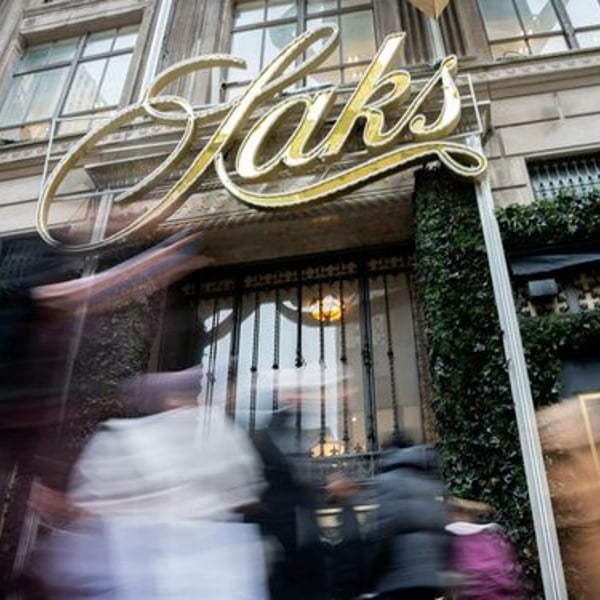
As Saks teeters, department stores bet on shopping experiences

By
Reuters
Published
January 8, 2026
From Paris to New York, department stores are sharpening their focus on curated shopping experiences- ice-skating shows, wine tasting, and architectural tours- to try to win back shoppers.
The push has gained urgency as Saks Global’s mounting troubles highlight the sector’s struggle to stay relevant amid competition from luxury brands’ own boutiques and fast-growing e-commerce platforms. Analysts say the trend is more than cosmetic. It reflects a structural shift in a sector under pressure from changing consumer habits and declining foot traffic.
“In today’s market conditions, selling luxury goods requires an outstanding experience, which works best in outstanding venues,” said Benjamin Sebban, head of retail investment at Knight Frank in Paris.
Qatar-owned Printemps‘ new Manhattan store features paper replicas of French landmarks- a reminder of its Parisian heritage- and hosts exclusive launches and wine tasting.
“This is more than a place to shop- it’s a space to live, linger, and immerse yourself in a new kind of luxury lifestyle,” Printemps America CEO Thierry Prevost told Reuters, highlighting the store’s fine dining restaurant, champagne bar and talks with designers.
In Paris, Galeries Lafayette spent more than 100 million euros ($117 million) restoring its stained-glass cupola, crediting the revamp with lifting visits above pre-pandemic levels. The push aligns with research from consultancy Bain that found experiential sectors like hospitality and fine dining drove luxury market growth between 2023 and 2025.
Success isn’t guaranteed, however. LVMH poured around 750 million euros into refurbishing the art nouveau building of its La Samaritaine department store facing Paris’ Rue de Rivoli. But the store still struggled after its 2021 reopening in comparison with LVMH’s Le Bon Marche Paris store, and the pair were combined in a restructuring last year.
Analysts say department stores are betting that curated events and architectural upgrades can revive their relevance amid tougher trading.
Saks Global, whose bonds are publicly traded, reported a 13% year-on-year drop in second-quarter revenue to $1.6 billion in October and an adjusted core loss of $77 million. CEO Marc Metrick stepped down after the company missed a bond payment, triggering reports it was preparing for bankruptcy.
While analysts cite inventory missteps and acquisition-related debt as key factors, they say Saks’ plight reflects a deeper structural squeeze: department stores are losing ground to mass-market chains offering value and luxury brands’ own boutiques promising exclusivity. “What you’re seeing with Saks is a symptom of a much larger problem,” said UBS analyst Jay Sole.
Bernstein analysts say US department stores should move toward concession-heavy models- providing multi-brand sales staff while letting brands manage operations and inventory. Milan’s Galleria Vittorio Emanuele II offers a template: the city leases prime store spaces through a bidding process, and says values have quadrupled in a decade.
“Multi-brand retailers need to reinvent themselves and go back to their scouting and discovery mission,” said Bernstein analyst Luca Solca.
Some stores are experimenting with partnerships. In November, Parisian retailer BHV hosted the first physical outlet for Chinese budget brand Shein, although the move drew criticism from some competitors and consumers.
“The right answer would be for department stores to build out their own online offering, with their own identity,” Knight Frank’s Sebban said.
Global department store sales are projected to have declined by 4% to 6% in 2025 and to show little recovery through 2030, Bain forecast in November, lagging growth estimates for the luxury sector overall. US retailer Macy’s warned in December of weaker-than-expected holiday-quarter profits due to cutbacks in discretionary spending. London’s Harrods in October reported a 17% decline in underlying operating profit for 2024.
By contrast, e-commerce players are thriving. MyTheresa, owned by LuxExperience, more than doubled quarterly core earnings in November, offering similar products to Saks but with perks like free shipping for orders over $400.
© Thomson Reuters 2026 All rights reserved.











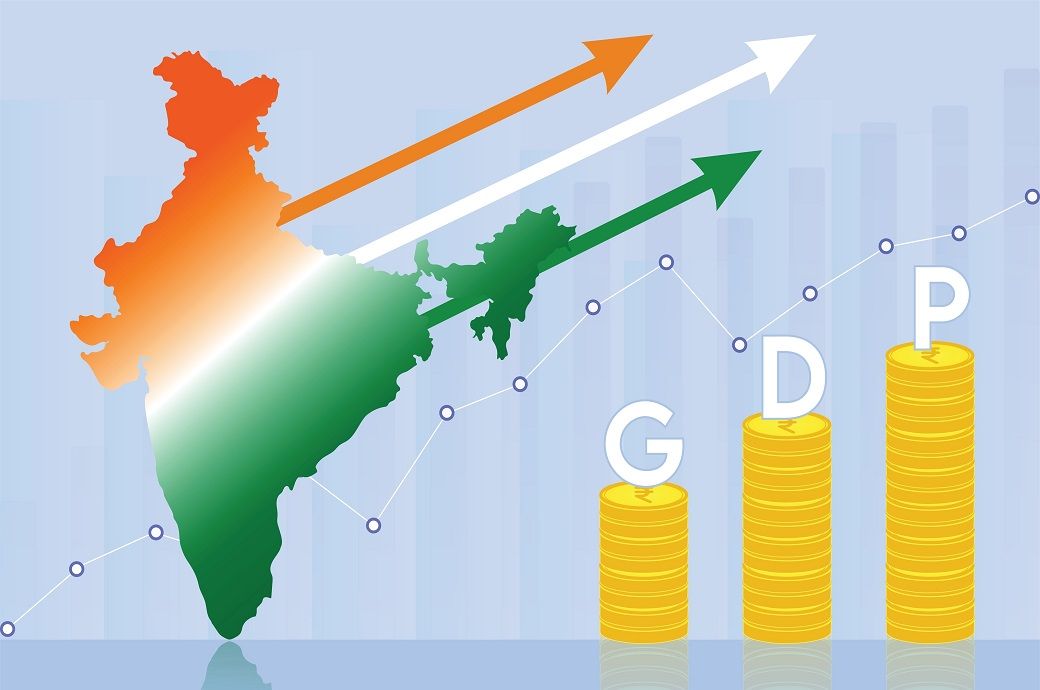
Nominal GDP, or GDP at current prices, is estimated to grow at 8.6 per cent to reach ₹345.47 trillion in FY26 against ₹318.07 trillion in 2024-25.
India’s real GDP is estimated to grow at 7.6 per cent to ₹322.58 trillion (~$3.54 billion) in FY26 compared to the first revised GDP estimate of ₹299.89 trillion for FY25 (7.1 per cent growth).
It released the new series of annual and quarterly national accounts estimates with FY23 base.
Real GVA is projected to grow at 7.7 per cent to reach ₹294.40 trillion in FY26 against ₹273.36 trillion in FY25.
Real gross value added (GVA) is projected to grow at 7.7 per cent to reach ₹294.40 trillion in FY26 against ₹273.36 trillion in FY25 (a 7.3-per cent growth rate).
Nominal GVA is estimated to grow at 8.7 per cent to hit ₹313.61 trillion during FY26, against ₹288.54 lakh crore in 2024-25.
Robust economic performance in FY26 is primarily on account of robust real growth observed in the second quarter (8.4 per cent) and third quarter (7.8 per cent).
The manufacturing sector has been the major driver of resilient performance of the economy the consecutive three fiscals after rebasing, a release from the ministry said.
Both private final consumption expenditure and grossed fixed capital formation exhibited more than 7-per cent growth rate in FY26.
Fibre2Fashion News Desk (DS)
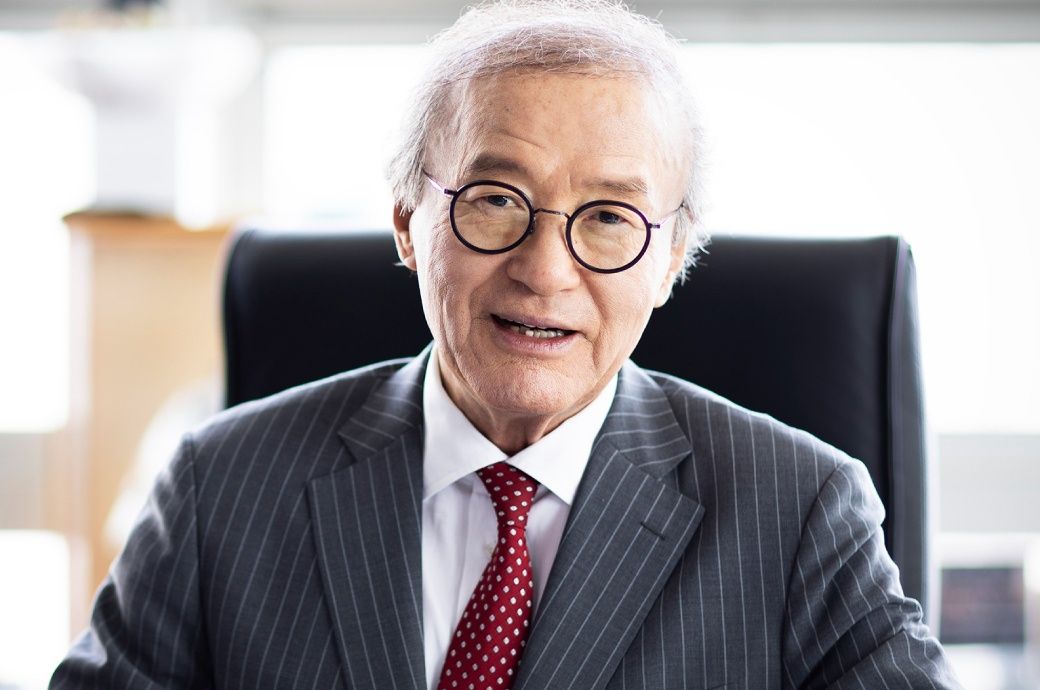
The transition marks the formal handover of executive leadership to President and CEO Keun-Chang (Kevin) Yoon, reinforcing management continuity while preserving the founder’s long-term strategic vision.
Misto Holdings founder Gene Yoon has transitioned to honorary chairman in a planned leadership succession, formally handing executive control to president and CEO Kevin Yoon.
The founder, who expanded the group through the FILA global trademark acquisition and the takeover of Acushnet, will continue guiding long-term strategy as the rebranded Misto focuses on governance and sustainable growth.
Gene Yoon founded the business that would become Misto Holdings in the early 1990s, introducing the FILA brand to the Korean market and later leading a series of transformative transactions. In 2007, the company acquired the global FILA trademark rights through a leveraged buyout, followed by the 2011 acquisition of Acushnet Company, owner of the Titleist and FootJoy brands. The transaction was among the largest cross-border deals in Korea’s consumer sector at the time and significantly expanded the group’s global footprint.
Under his leadership, the company evolved into a multi-brand global portfolio spanning sportswear, golf equipment and apparel, generating approximately USD 3.08 billion in annual revenue.
As Honorary Chairman, Gene Yoon will remain closely engaged with the company, providing guidance on long-term strategy and global portfolio development while supporting management from a broader strategic perspective.
The leadership transition marks a new chapter under President and CEO Kevin Yoon, who has spent nearly two decades in senior roles across the group’s global operations, building deep operational and strategic expertise.
The company’s 2025 rebranding to “Misto” underscores its evolution into a global brand house focused on disciplined capital allocation, enhanced shareholder returns and sustainable long-term growth.
“Building on the founder’s legacy, our priority is to expand our global portfolio, strengthen governance and deliver sustainable value creation,” said Kevin Yoon, President and CEO of Misto Holdings.
Note: The headline, insights, and image of this press release may have been refined by the Fibre2Fashion staff; the rest of the content remains unchanged.
Fibre2Fashion News Desk (RM)



Iran launches retaliation against Israel, launches ballistic missiles

Indian Brands Ride Manufacturing Push, E-Commerce Boom As New Consumers Drive Demand: Industry Leaders

Ex-pitcher Serafini sentenced to life in prison for 2021 murder

-

 Tech1 week ago
A $10K Bounty Awaits Anyone Who Can Hack Ring Cameras to Stop Sharing Data With Amazon
-
 Business1 week ago
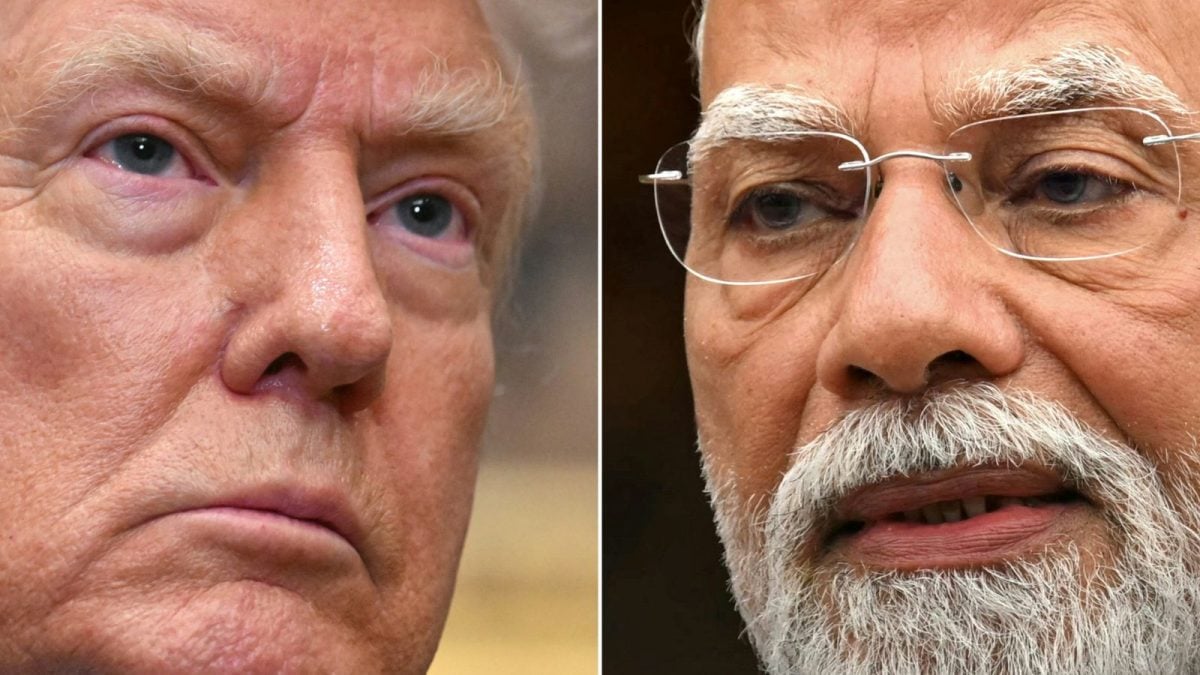
US Top Court Blocks Trump’s Tariff Orders: Does It Mean Zero Duties For Indian Goods?
-

 Fashion1 week ago
ICE cotton ticks higher on crude oil rally
-

 Politics7 days ago
Pakistan carries out precision strikes on seven militant hideouts in Afghanistan
-

 Tech1 week ago
Donald Trump Jr.’s Private DC Club Has Mysterious Ties to an Ex-Cop With a Controversial Past
-

 Entertainment1 week ago
The White Lotus” creator Mike White reflects on his time on “Survivor
-
 Business7 days ago
Eye-popping rise in one year: Betting on just gold and silver for long-term wealth creation? Think again! – The Times of India
-

 Sports1 week ago
Brett Favre blasts NFL for no longer appealing to ‘true’ fans: ‘There’s been a slight shift’