

Fashion
Australian wool market shows resilience amid currency headwinds

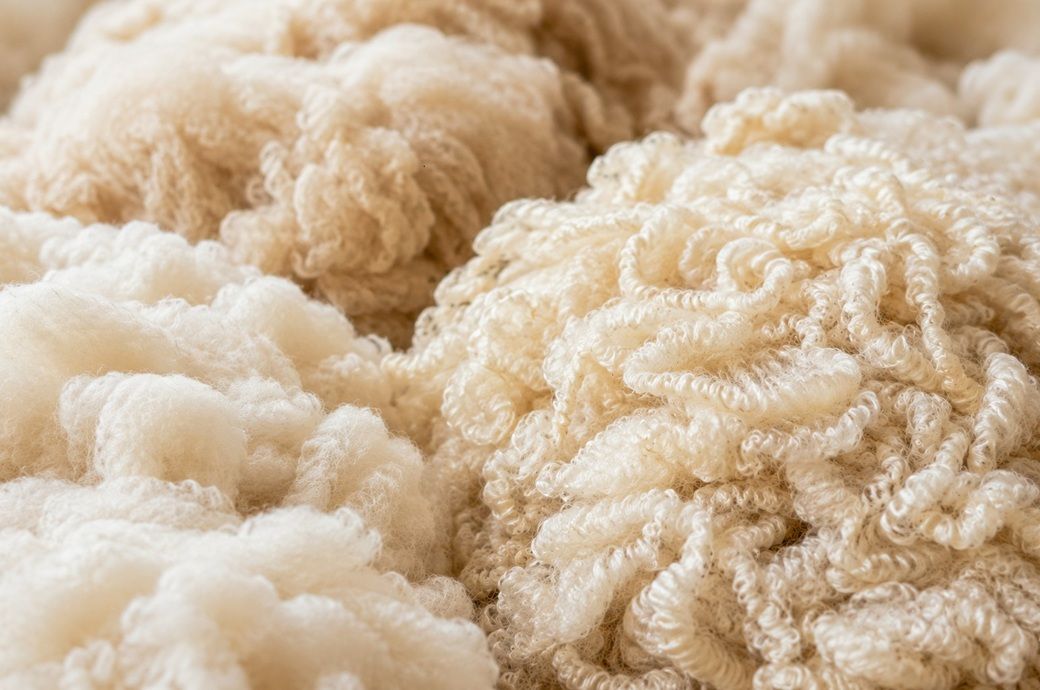
The Australian dollar climbed above US 72 cents for the first time since 2022 following the Reserve Bank of Australia’s interest rate hike and continued weakness in the US dollar. The stronger currency created headwinds for local wool prices, though the broader market tone stayed positive.
Fine Merino wool types between 16.5 and 19 microns slipped 10-15 Australian cents, while medium Merinos in the 19.5-21 microns range fell 20-25 cents. Meanwhile, crossbred wool categories from 26 to 32 microns rose 10-15 cents and Merino cardings gained 15-20 cents across selling centres.
The Australian wool market remained resilient this week despite pressure from a stronger Australian dollar, which weighed on local currency returns.
While the Eastern and Western Market Indicators recorded slight declines in AUD terms, both posted gains in US dollar terms.
Firmer crossbred wool prices, stronger Merino cardings, and selective buyer demand helped support overall market sentiment.
Industry observers noted firm demand for crossbred and oddments sectors, supported by interest in blended fibre applications and woollen-spinning inputs as processors looked for comparatively lower-cost raw materials amid ongoing macroeconomic uncertainty.
Lower-style Merino fleece types continued to face subdued demand, reflecting selective buying patterns focused on fibre quality, processing efficiency, and consistency as manufacturing margins remain under pressure.
Weekly auction offerings fell to 33,055 bales, while next week’s roster is expected to decline further to 31,329 bales. Fremantle will hold a Tuesday-only auction, while Sydney and Melbourne will conduct sales across Tuesday and Wednesday.
Fibre2Fashion News Desk (CG)


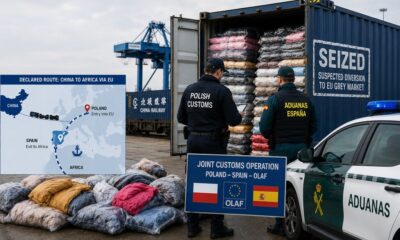

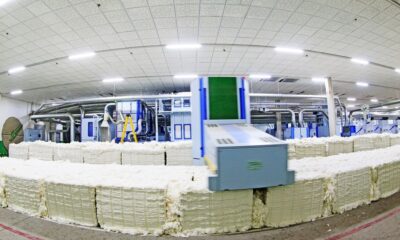




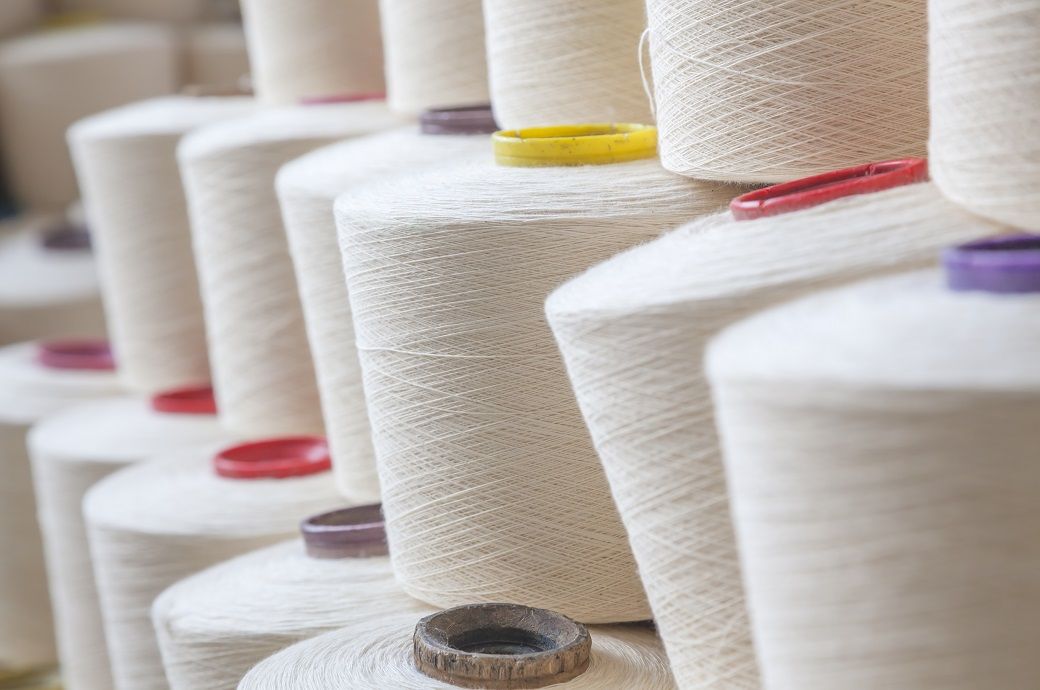
Cotton yarn prices further increased by ****;** per kg in the Ludhiana market. Spinning mills are raising their mill rates to pass on additional burden of rising cotton prices. A trader from Ludhiana market told Fibre*Fashion, ““Indian spinning mills are receiving support from export markets as mills in Bangladesh and Vietnam continue to face energy-related disruptions amid the ongoing war situation. As a result, the textile and apparel industries in both countries are increasingly sourcing cotton yarn from Indian spinners.”
In Ludhiana, ** count cotton combed yarn was sold at ****;***–*** (~$*.**–*.**) per kg (inclusive of GST); ** and ** count combed yarn were traded at ****;***–*** (~$*.**–*.**) per kg and ****;***–*** (~$*.**–*.**) per kg, respectively; and carded yarn of ** count was noted at ****;***–*** (~$*.**–*.**) per kg today, according to trade sources.


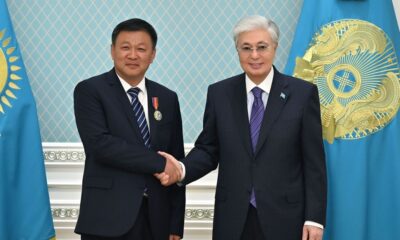
Vietnamese President To Lam is on a state visit to India from May 5 to 7.
India and Vietnam have agreed to elevate bilateral ties to Enhanced Comprehensive Strategic Partnership and take bilateral trade to $25 billion by 2030.
Vietnamese President To Lam is on a state visit to India.
Both sides will facilitate market access and enhance supply chains.
An MoU was signed between the central banks of both sides on cooperation in payment systems and innovation in digital payments.
The two sides agreed to reinforce cooperation between the two rapidly growing economies at the level of governments and businesses for increasing two-way trade, investment and technological partnership, the Prime Minister’s Office (PMO) said in a press release.
Both sides will facilitate market access and enhance supply chains in sectors of mutual interest.
Vietnam affirmed its commitments to diversify its supply sources and to import more products from India to serve its domestic production and export needs, an official release said.
Both sides agreed to explore ways for a more conducive regulatory environment to facilitate ease of doing business for companies of both countries, including in standards compliance certification.
The leaders agreed that the ongoing review of the ASEAN India Trade in Goods Agreement (AITIGA) should be concluded at the earliest.
The leaders agreed to encourage greater two-way investments to further strengthen India-Vietnam economic ties, especially in the fields of high-technology, transport, manufacturing, logistics, renewable energy, smart agriculture and electric vehicles.
They also agreed to strengthen the linkages between the two countries’ start-up ecosystems and encourage substantive cooperation among innovation centres.
A memorandum of understanding (MoU) between the Reserve Bank of India and the State Bank of Vietnam was signed on cooperation in payment systems and innovation in digital payments.
Fibre2Fashion News Desk (DS)


Prince William wishes Sir David Attenborough 'happy 100th' in special video

Australian wool market shows resilience amid currency headwinds

Prince Harry pays homage to key figure who ‘inspires’ Prince William

-
 Business1 week ago
PSX plunges over 4,800 points | The Express Tribune
-

 Politics4 days ago
Iran weighs US reply delivered via Pakistan as Trump signals opposition to deal terms
-

 Tech1 week ago
Almost half of UK businesses hit by cyber attacks | Computer Weekly
-
 Business7 days ago
Apollo Sports Capital and Tom Dundon make landmark $225 million investment in pickleball
-

 Fashion7 days ago
Canada’s Lululemon appoints Esi Eggleston Bracey to board of directors
-

 Tech1 week ago
This Indigenous Language Survived Russian Occupation. Can It Survive YouTube?
-

 Entertainment1 week ago
David Allan Coe, country singer who wrote “Take This Job and Shove It,” dies at age 86
-
 Business1 week ago
Government hikes jet fuel prices by 5% for international airlines – The Times of India