

Fashion
Australian wool market shows resilience amid currency headwinds

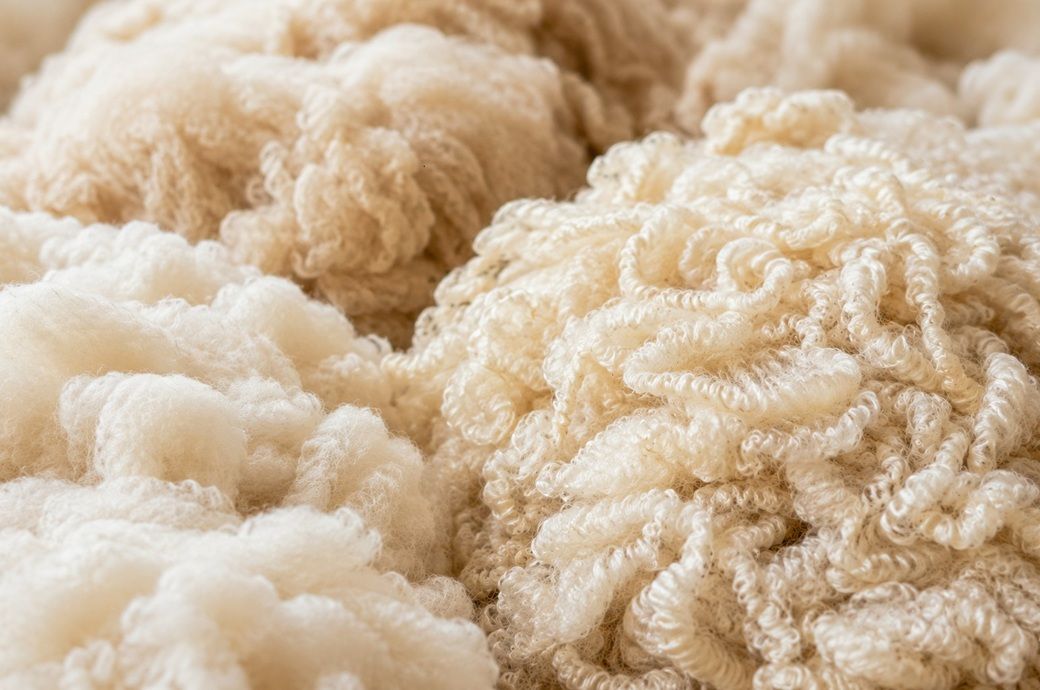
The Australian dollar climbed above US 72 cents for the first time since 2022 following the Reserve Bank of Australia’s interest rate hike and continued weakness in the US dollar. The stronger currency created headwinds for local wool prices, though the broader market tone stayed positive.
Fine Merino wool types between 16.5 and 19 microns slipped 10-15 Australian cents, while medium Merinos in the 19.5-21 microns range fell 20-25 cents. Meanwhile, crossbred wool categories from 26 to 32 microns rose 10-15 cents and Merino cardings gained 15-20 cents across selling centres.
The Australian wool market remained resilient this week despite pressure from a stronger Australian dollar, which weighed on local currency returns.
While the Eastern and Western Market Indicators recorded slight declines in AUD terms, both posted gains in US dollar terms.
Firmer crossbred wool prices, stronger Merino cardings, and selective buyer demand helped support overall market sentiment.
Industry observers noted firm demand for crossbred and oddments sectors, supported by interest in blended fibre applications and woollen-spinning inputs as processors looked for comparatively lower-cost raw materials amid ongoing macroeconomic uncertainty.
Lower-style Merino fleece types continued to face subdued demand, reflecting selective buying patterns focused on fibre quality, processing efficiency, and consistency as manufacturing margins remain under pressure.
Weekly auction offerings fell to 33,055 bales, while next week’s roster is expected to decline further to 31,329 bales. Fremantle will hold a Tuesday-only auction, while Sydney and Melbourne will conduct sales across Tuesday and Wednesday.
Fibre2Fashion News Desk (CG)









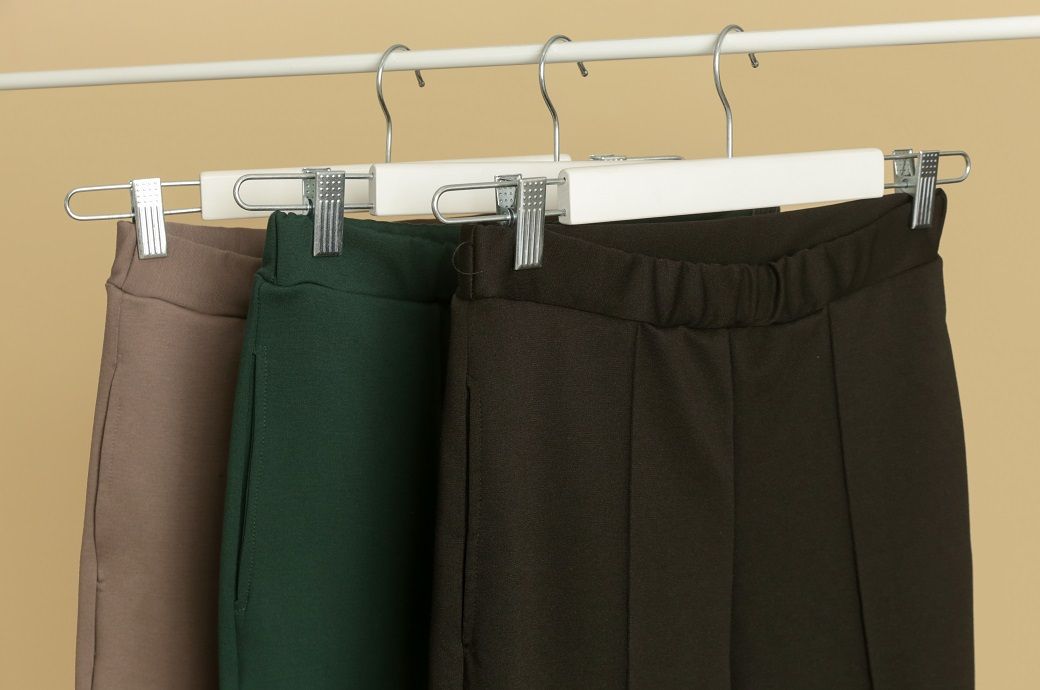
During the first quarter of ****, textile exports decreased by *.* per cent to $**.* million. Over the same period, exports of other manufactured textile articles eased by *.* per cent to $**.* million, as per the Central Bank’s publication ‘External Sector Performance – March ****’.
Combined exports of textiles, garments, and other manufactured textile articles accounted for **.** per cent of all industrial exports from Sri Lanka during the first three months of this year. Total textile product exports amounted to $*,***.* million between January- March ****, while the country’s overall industrial exports were valued at $*,***.* million over the same period. This underscores the continued dominance of the apparel sector in Sri Lanka’s industrial export base, despite ongoing global demand volatility.
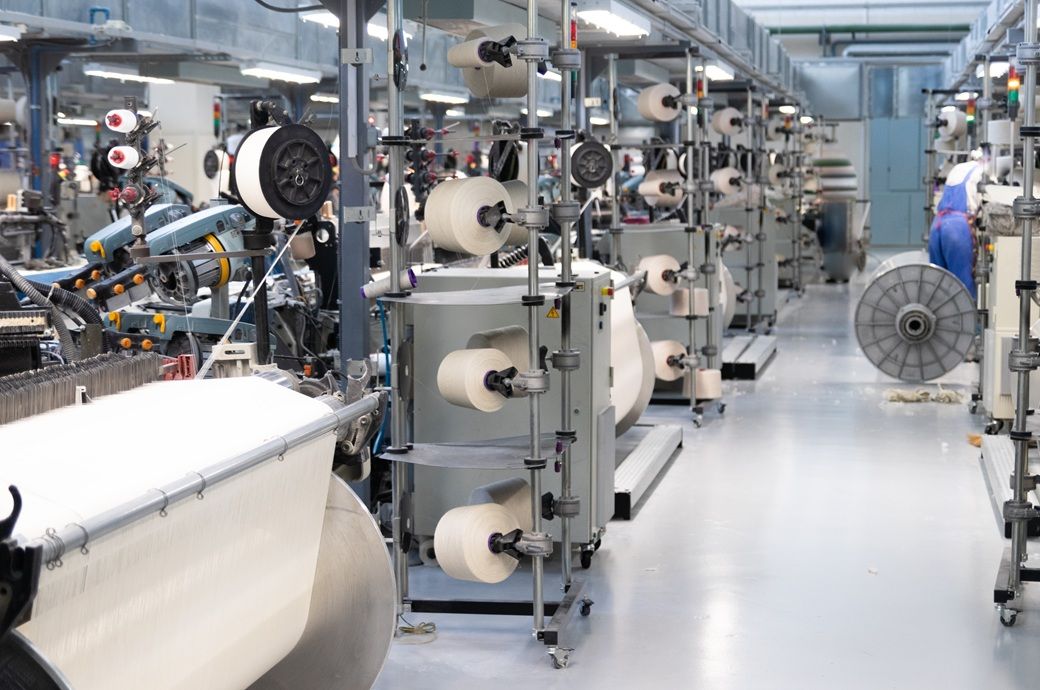
Forty-five per cent of textile firms reported lower production during the month, while only 12 per cent recorded an increase, resulting in the sharpest negative balance across manufacturing at minus 34, the central bank’s data showed.
Sales in the sector were weak, with 40 per cent of companies reporting declines and just 5 per cent posting growth, producing a balance of minus 35.
Morocco’s textile and leather industry continued to contract in March, posting the weakest performance among manufacturing streams, a survey found.
Overall industrial activity, however, improved.
Forty-five per cent of textile firms reported lower production during the month, while only 12 per cent recorded an increase.
Sales in the sector were weak and production declined in all textile segments.
Demand remained subdued. New orders fell across most textile sub-sectors, with 28 per cent of firms reporting a drop and only 8 per cent seeing an increase. Order books were described as below normal across all activities.
The downturn was widespread, the central bank said. Production declined in all textile segments except leather and footwear, while sales fell in both domestic and export markets, according to a domestic media outlet.
Capacity utilisation in the sector stood at 77 per cent, below the industrial average and well under the 88 per cent recorded in the mechanical and metallurgical industries, which led March’s broader manufacturing rebound.
The outlook remains uncertain. Over the next three months, 37 per cent of textile manufacturers said they had no clear visibility on production, while 54 per cent reported no estimates for future sales, underscoring persistent uncertainty in the export-oriented sector.
Fibre2Fashion News Desk (DS)
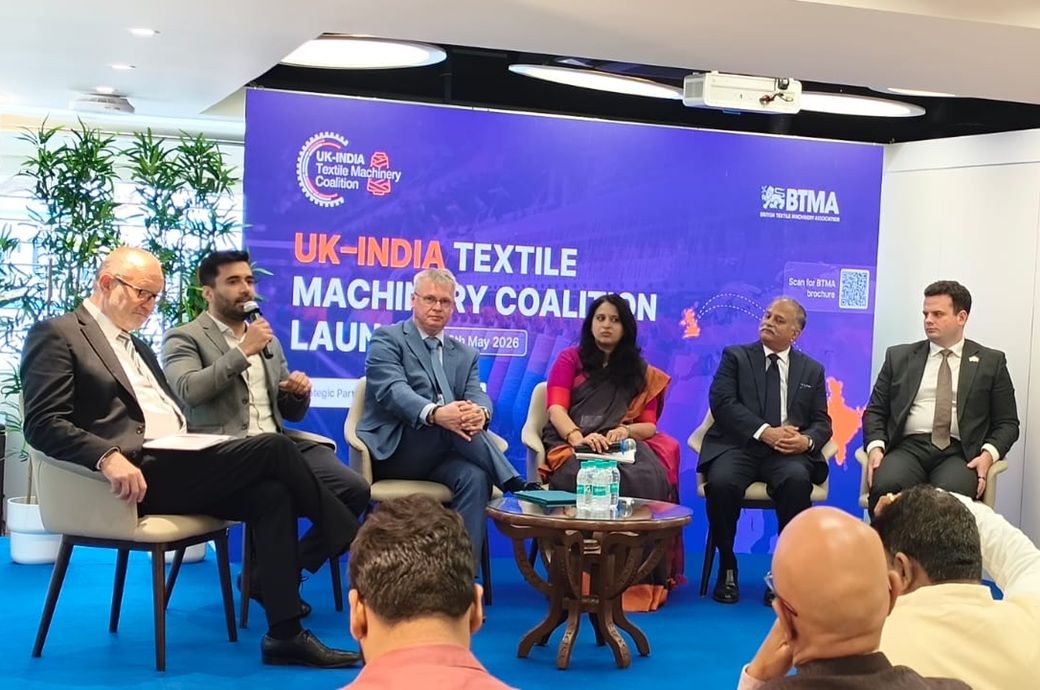
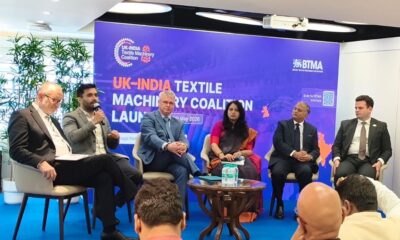
The launch was inaugurated by Chief Guest Vrunda Desai, Textile Commissioner of India, in the presence of Mark Birrell, Trade Counsellor for South Asia, Department for Business and Trade (DBT), British Deputy High Commission. Senior industry leaders including Jason Kent, Chief Executive Officer, BTMA; Ketan Sanghvi, Chairman, India ITME Society; Mark Jarvis, Chief Strategy Officer, Fibre2Fashion; and Amol Monga, Director, Strayfield Ltd, also participated. Parik Goswami, Director — Technical Textiles at the University of Huddersfield, joined the proceedings online.
The British Textile Machinery Association and India ITME Society have launched the UK–India Textile Machinery Coalition (UKITMC) to strengthen bilateral collaboration in textile machinery, technology transfer and sustainable manufacturing.
The platform will connect Indian mills with advanced UK machinery providers through trade forums, webinars and partnerships.
The UKITMC is designed as a long-term platform to connect Indian textile manufacturers with advanced UK machinery and technology providers. It aims to facilitate technology transfer, encourage joint partnerships, and accelerate the adoption of automation, digitalisation, and sustainable manufacturing practices across India’s textile value chain.
India’s textile and apparel industry is targeting a market size of $350 billion by 2030, supported by policy initiatives such as the PM Mega Integrated Textile Region and Apparel (PM MITRA) parks and the Production Linked Incentive (PLI) scheme for technical textiles. With around 53 per cent of Indian mills planning machinery upgrades within the next one to three years, access to advanced and reliable technology is becoming increasingly critical. The coalition seeks to address this need by enabling informed investment decisions and strengthening industry capabilities.
Speaking at the launch, Vrunda Desai highlighted the importance of global partnerships in supporting India’s modernisation journey. She noted that initiatives such as UKITMC align closely with the government’s focus on enhancing productivity, sustainability, and export competitiveness.
Mark Birrell, Trade Counsellor for South Asia, DBT, emphasised the growing importance of the UK–India trade relationship, particularly in the context of the expected implementation of the bilateral Free Trade Agreement (FTA) this year. He noted that zero-duty access on key UK textile machinery imports creates a strong foundation for deeper collaboration and technology exchange.
Jason Kent, CEO of BTMA, described the coalition as a practical step towards building long-term industry linkages. He stated that UK machinery is globally recognised for precision, consistency, and performance, and the coalition would enable Indian manufacturers to leverage these strengths as they move towards higher-value production.
Ketan Sanghvi, Chairman of India ITME Society, added that the initiative complements India’s broader push towards modern, efficient, and sustainable manufacturing. He highlighted that the coalition would help bridge the gap between technology availability and industry adoption.
Amol Monga, Director of Strayfield Ltd, shared his perspective as an Indian-origin leader of a British textile technology company, highlighting the opportunities for deeper industrial collaboration between the UK and India and the growing demand for advanced machinery solutions in the Indian market.
Meanwhile, Mark Jarvis, Chief Strategy Officer at Fibre2Fashion, spoke about the rationale behind the launch of UKITMC, emphasising the need for a structured platform that can connect technology providers, manufacturers and industry stakeholders to accelerate innovation, modernisation and sustainable growth across the textile machinery ecosystem.
The platform will offer multiple engagement formats, including technical webinars, trade delegations, exhibitions, and industry forums, providing stakeholders with opportunities to exchange knowledge, evaluate technologies, and build strategic relationships. It will also promote collaboration around energy-efficient machinery and circular textile solutions, aligning with global sustainability goals.
The launch of UKITMC comes ahead of India ITME 2026, one of the world’s leading textile engineering exhibitions, reinforcing its role as a catalyst for industry collaboration and innovation. By creating a structured framework for engagement, the coalition is expected to support India’s transition towards future-ready manufacturing while strengthening bilateral trade ties between the UK and India.
Fibre2Fashion News Desk (RKS)

[CinePlex360] Please moderate: “Indonesia lands

FPI May trade: Foreign portfolio investiors withdrew Rs 14,231 crore from Indian equities – The Times of India

Iran’s Guards threaten US Mideast sites as Trump awaits Tehran response

-

 Politics6 days ago
Iran weighs US reply delivered via Pakistan as Trump signals opposition to deal terms
-

 Fashion1 week ago
Canada’s Lululemon appoints Esi Eggleston Bracey to board of directors
-

 Tech1 week ago
This Indigenous Language Survived Russian Occupation. Can It Survive YouTube?
-

 Fashion1 week ago
US’ J.Jill, Inc. appoints Kimberly Wallengren as CMO
-

 Fashion1 week ago
US’ Gap partners with Victoria Beckham on timeless wardrobe essentials
-
 Business1 week ago
Apollo Sports Capital and Tom Dundon make landmark $225 million investment in pickleball
-

 Fashion1 week ago
AAFA pushes for swift US House passage of key anti-counterfeiting law
-

 Fashion1 week ago
US cotton export sales show strong recovery, Upland rise 36%